Source Floral Printable Tracing Paper with Ribbon for Gift Wrapping, Drawing, and Packaging
Compare 30 listings for Floral Printable Tracing Paper with Ribbon suitable for gift wrapping, drawing, and packaging. Buyers can review specifications like GSM, roll width, and customization options from verified suppliers in China.
Key considerations
Products List

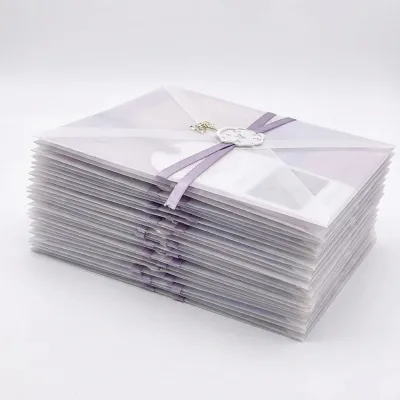
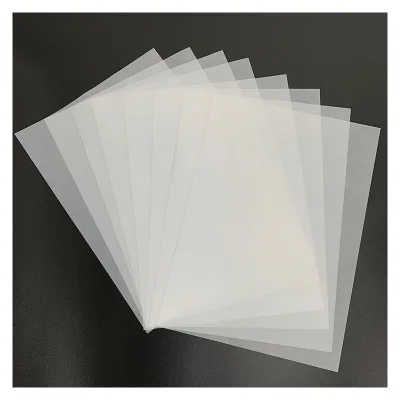
Flower Clothing, Flower Gift Packaging, Paper Bouquet, Paper Wrapping with Printed
$0.10 - $0.15
MOQ: 2000 Pieces






Comprehensive Sourcing Guide
Strategic Sourcing Guide for Floral Printable Tracing Paper with Ribbon
The procurement of Floral Printable Tracing Paper with Ribbon represents a specialized intersection of decorative packaging, technical drafting materials, and creative supply chain requirements. While the core keyword suggests a specific aesthetic application involving floral motifs and ribbon integration, the underlying product category is rooted in the broader market of tracing paper, kraft paper, and gift packaging solutions. Buyers must navigate a landscape where "floral printable" often denotes a surface treatment or a specific use case for the paper rather than a distinct raw material composition. The available market data indicates a diverse range of products, from translucent wood pulp-based papers to virgin pulp variants, each serving different functional needs in gift wrapping, drawing, and industrial tracing. This guide provides a disciplined approach to sourcing these materials, focusing on verified technical attributes, compliance verification, and supply chain stability without relying on unverified marketing claims.
Technical Specifications and Material Composition
Understanding the physical and chemical properties of the paper is the first critical step in defining a successful procurement strategy. The market offers products with varying raw material compositions, primarily centered on wood pulp and virgin pulp. Buyers should verify whether the supplier utilizes virgin pulp, which typically ensures higher purity and translucency compared to recycled alternatives. The observed specifications indicate a GSM (grams per square meter) range spanning from 30g to 180g, with specific product models listing ranges such as 40-150g or 50-180g. This variability suggests that "floral printable" applications may require different weights depending on whether the paper is intended for delicate gift wrapping or robust industrial tracing.
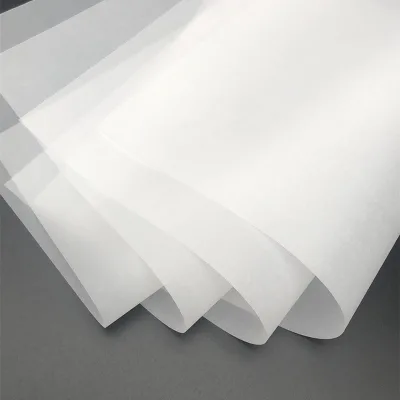
Thickness and opacity are equally critical. The product data highlights a "Translucent Paper" attribute, which is essential for tracing applications where light transmission is necessary. However, for floral printing, the color consistency is paramount; observed listings include both "Translucent" and "White" options. The choice between these affects the vibrancy of the floral print. Furthermore, the paper's surface treatment, specifically the "Uncoated" status observed in certain listings, influences ink adhesion. If the floral design requires high-resolution printing, buyers must confirm if the uncoated surface is suitable for their specific printing technology or if a coated variant is necessary, even if the primary listing describes an uncoated product.
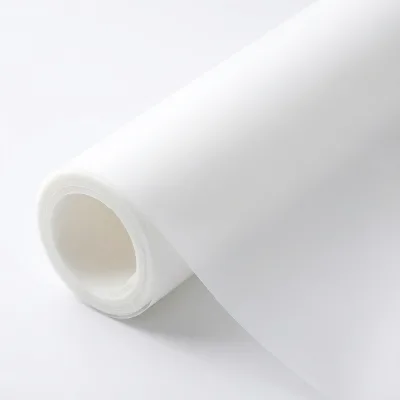
Roll dimensions also vary significantly across the supply base. Standard widths observed include 48", 60", 62", 65", and 72", with customization available. The length of the roll can range from 50 to 2000 meters, and inner core sizes are typically 2 inches or 3 inches. When sourcing for a specific floral design that requires precise cutting or ribbon integration, the roll width and length must align with the buyer's machinery or manual processing capabilities. The "Anti-Curl" feature noted in several product descriptions is a vital technical specification for maintaining flatness during the printing process and subsequent ribbon application, preventing misalignment in automated systems.
Compliance, Certification, and Quality Verification
In the B2B sector, relying solely on product descriptions is insufficient; independent verification of quality and compliance is mandatory. The market data references specific certifications, such as SGS, which serves as a benchmark for third-party quality assurance. Buyers should explicitly request current SGS reports or equivalent certification documents to validate claims regarding material safety, particularly if the paper is intended for food-adjacent gift packaging or children's products. The "Custom made" standard observed in several listings implies that the product may not adhere to a rigid international standard but rather to a bespoke specification agreed upon between the buyer and supplier.
Quality attributes such as "Moisture Proof" and "High Quality" are frequently advertised, but these are observations rather than guaranteed performance metrics for every unit. A robust procurement strategy involves defining acceptable tolerance levels for moisture resistance and verifying these through pre-shipment testing. The "Virgin" pulp style is a strong indicator of quality, but buyers should request material safety data sheets (MSDS) to confirm the absence of harmful substances. Additionally, the "Anti-Curl" feature should be validated under the specific environmental conditions of the buyer's facility, as humidity and temperature can affect paper stability.
When evaluating suppliers, the presence of a "Certificate: SGS" is a positive signal, but it does not guarantee that every batch will meet the same standard. Buyers must establish a protocol for ongoing quality audits. The "Quality: High Qality" attribute, while present in the data, is subjective and requires objective measurement criteria. Establishing a sample approval process is essential, where the buyer tests the "Tracing Paper" or "Kraft Paper" for tensile strength, opacity, and printability before committing to a larger order.
Cost Drivers and Pricing Structures
The pricing landscape for floral printable tracing paper is highly dynamic, influenced by raw material costs, customization levels, and order volume. The observed price range in the market spans from $0.01 to $2900, a vast disparity that reflects the difference between single-item samples and bulk industrial orders. The Minimum Order Quantity (MOQ) also varies widely, from 1 unit to 5000 units, with specific listings indicating an MOQ of 100 rolls for certain models. This variability means that the unit cost is heavily dependent on the scale of the purchase.
Several factors drive the final cost. First, the "Customization" availability allows for tailored specifications, which invariably increases the price compared to standard off-the-shelf items. The ability to customize roll width, length, and GSM adds complexity to the manufacturing process. Second, the "Roll Weight" being "Customized" suggests that heavier rolls or specialized packaging may incur additional charges. Third, the "Product Packing" varies from simple "100PCS/Poly Bag" to more robust "Plastic and Kraft Paper Waterproof Package," with the latter likely commanding a higher price due to material and labor costs.
Buyers must also consider the cost of the "Sample," which is listed as "for Free" in some contexts, but this may be limited to specific models or quantities. The "Selling Units" being listed as "Single item" suggests a retail or small-batch focus, which often carries a premium per unit compared to wholesale pricing. To optimize costs, buyers should aim to consolidate orders to meet higher MOQ thresholds, thereby reducing the per-unit cost. However, they must balance this against inventory holding costs, especially given the "Custom made" nature of many products, which may limit the ability to resell excess stock.
Typical Applications and Functional Use Cases
The versatility of tracing paper allows it to serve multiple industries, from creative arts to industrial manufacturing. The observed "Usage" attributes include "Gift Packaging," "Tracing Paper," "Drawing/Printing," and "Gift Wrapping Paper." For the specific keyword of "Floral Printable Tracing Paper with Ribbon," the primary application is likely decorative gift wrapping or packaging for artisanal products. The "Translucent" nature of the paper makes it ideal for showcasing the contents of a gift while adding an aesthetic layer, and the "Moisture Proof" feature ensures protection for the contents during transit.
In the creative sector, the "Drawing/Printing" usage indicates that the paper is suitable for artists and designers who require a surface that allows for light transmission or precise tracing of patterns. The "Fabric Tracing Paper" and "Plotter Paper" models suggest that the material can also be used in textile design and large-format printing, where the "Anti-Curl" feature is crucial for maintaining precision. The "Ribbon" component mentioned in the keyword implies a secondary function where the paper is used as a base for attaching decorative elements, requiring a surface that can hold adhesives or ribbons without tearing.
The "Kraft Paper" attribute observed in some listings suggests a more rugged application, potentially for industrial packaging or heavy-duty gift wrapping. The "White" color option provides a neutral background for floral prints, ensuring that the colors remain vibrant and true to the design. Buyers should match the paper's specific attributes to their intended use case; for example, a "Virgin" pulp paper with "High Qality" is preferable for high-end gift packaging, while a standard "Wood Pulp" paper may suffice for internal use or less critical applications.
Supplier Evaluation and Selection Criteria
Selecting the right supplier requires a rigorous evaluation process that goes beyond the surface-level product descriptions. The "Place of Origin" varies, with listings from "China," "Dongguan," and "Shanghai," indicating a concentrated manufacturing base in specific regions. Buyers should verify the supplier's location to assess logistics capabilities and potential lead times. The "Brand Name" such as "Haisheng" provides a reference point, but buyers should not rely on brand recognition alone; instead, they should investigate the supplier's production capacity and history.
Key evaluation criteria include the supplier's ability to meet "Custom made" standards and their responsiveness to "Customization" requests. The availability of "Free Samples" is a positive indicator of confidence in product quality, but buyers should ensure that the samples provided are representative of the bulk production. The "MOQ" of 100 rolls for certain models suggests that the supplier is capable of handling medium-sized orders, but buyers must confirm if they can accommodate smaller or larger volumes if their needs change.
Communication and transparency are vital. Suppliers should be willing to provide detailed specifications, including GSM, roll width, and thickness, and should be open to discussing the "Standard" of their products. The "Certificate: SGS" is a strong differentiator, but buyers should verify the validity of the certificate and the scope of the testing. Additionally, the "Product Packing" methods should be evaluated to ensure they meet the buyer's requirements for protection during shipping, especially for long-distance transport.
Quality Control and Long-Term Procurement Considerations
Implementing a robust quality control (QC) framework is essential for maintaining product consistency, especially when dealing with "Custom made" items. Buyers should establish clear acceptance criteria for attributes such as "Translucent" quality, "Moisture Proof" performance, and "Anti-Curl" stability. Regular inspections, either in-house or through third-party agencies, should be conducted to verify that the "Virgin" pulp and "Wood Pulp" materials meet the specified standards. The "GSM" range of 40-180 grams requires precise measurement to ensure that the paper is neither too thin nor too thick for the intended application.
Long-term procurement considerations involve building a sustainable relationship with the supplier. The "Customization" capability suggests that the supplier can adapt to changing market needs, but this requires ongoing collaboration. Buyers should monitor the supplier's ability to maintain consistent quality over time, especially as production volumes increase. The "Lead time" and "MOQ" flexibility should be discussed to ensure that the supply chain remains resilient against market fluctuations.
Finally, buyers should consider the environmental impact of their sourcing decisions. The use of "Virgin" pulp and "Wood Pulp" raises questions about sustainability, and buyers should inquire about the supplier's sourcing practices and any available eco-friendly certifications. The "Plastic and Kraft Paper Waterproof Package" observed in some listings may have environmental implications, and buyers should explore alternatives if sustainability is a priority. By focusing on these long-term factors, buyers can ensure a stable and ethical supply chain for their floral printable tracing paper needs.
FAQs
Can I get free samples of Floral Printable Tracing Paper with Ribbon?
Free samples are available for specific models like TN378 and NW0223. Buyers should verify if the sample request includes the desired GSM range or roll width before placing a bulk order to ensure material suitability.
What certifications do manufacturers provide for tracing paper rolls?
Suppliers often provide SGS certification to validate material safety and quality standards. Buyers must request current SGS reports to confirm that the virgin pulp or wood pulp meets specific regulatory requirements for gift packaging.
Which roll widths are available for custom floral printing applications?
Standard roll widths include 48, 60, 62, 65, and 72 inches with customization options. These dimensions support various tracing and printing needs, ensuring the paper fits specific machinery or manual processing requirements for ribbon integration.
How does the GSM range affect the usage of tracing paper?
The GSM ranges from 30 to 180 grams depending on the specific product model. Lighter weights suit delicate gift wrapping while heavier grades provide durability for industrial tracing or robust fabric applications requiring anti-curl stability.
Can suppliers customize the packaging for moisture-proof protection?
Yes, suppliers offer customized packaging such as plastic and kraft paper waterproof packages. This ensures the paper remains moisture-proof during transit, which is critical for maintaining the quality of virgin pulp or wood pulp materials.
What is the minimum order quantity for floral tracing paper rolls?
Minimum order quantities vary from 1 unit up to 5000 units depending on the supplier. Specific models like NW0112 may require a minimum of 100 rolls, so buyers must confirm the MOQ before committing to a purchase.
Where are the manufacturing facilities for this tracing paper located?
Production facilities are located in China, specifically in Dongguan and Shanghai. Buyers should verify the exact place of origin to assess logistics capabilities and potential lead times for custom-made orders or standard stock items.