Source Flotation Rotor Stator for Mining, Ore Processing, and Chemical Plants
Find 20 Flotation Rotor Stator units from verified Chinese manufacturers. Buyers can compare polyurethane and rubber options, custom sizes, and ISO-certified suppliers for mineral flotation cells.
Key considerations
Products List


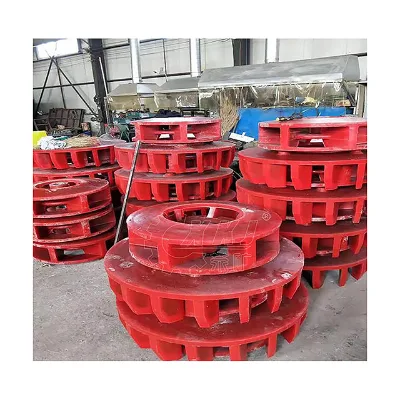


Stainless Steel Rotor Stator for Conical Refiner Sand Removing Machine
$100.00 - $300.00
MOQ: 1 Pieces


Comprehensive Sourcing Guide
Strategic Sourcing Guide for Flotation Rotor Stator Systems
Understanding Core Technical Specifications and Material Composition
The procurement of Flotation Rotor Stator systems requires a precise understanding of the mechanical and material attributes that define performance in mineral processing environments. These components are critical for maintaining the efficiency of ore mining flotation cells, where the interaction between the rotor and stator dictates the dispersion of air and the suspension of mineral particles. Based on available market data, the industry offers distinct configurations, primarily categorized by the Plate-And-Frame type and specialized Polyurethane Impeller designs. Buyers must recognize that while some units are designated as Resistance Polyurethator Stator units, others are defined simply as Rotor Stator assemblies with specific model numbers such as HTF0571, HTF0566, HTF0586, HTF0512, HTF0587, and HTF0556.
Material selection is the most significant technical variable. The supply chain presents a divergence in material composition. One segment of the market utilizes Rubber or Polyurethane as the primary material, often cited with a Shore Hardness (a) range of 60-85. This specific hardness range is critical for balancing wear resistance against the need for flexibility in high-turbulence environments. Another segment specifies Polyurethane Or rubble as the material base, while alternative high-performance options list 304ss/316lss for the Rotor Material and NBR/EPDM/FKM for the Stator Material. The Tensile Strength for the rubber-based variants is observed in the 15-22MPa range, a metric that buyers should verify against their specific slurry abrasion requirements.
Size and customization are paramount. The Size of these units is frequently Customizable or provided According Drawing, indicating that off-the-shelf dimensions may not suffice for all flotation cell geometries. The Model Number often correlates with specific machine types, such as SF / BF /KYF, which are standard designations in mineral flotation machinery. The Processing Type for many of these components is Casting, a method that influences the internal grain structure and final density of the part. Buyers must ensure that the Single Package Size and Weight align with their logistical capabilities, as observed weights can range from 15.000 Kg for smaller units to 1000 kg or 1560.000 kg for larger assemblies, with packaging typically in Carton Box or Wooden Box formats.
Compliance, Certification, and Standard Verification
In the global procurement of industrial machinery parts, verifying compliance with recognized standards is essential for ensuring safety and interoperability. The supplied data indicates that products may adhere to OEM standards or Chinese standard specifications. While ISO certification is listed as a Certification attribute for certain suppliers, buyers must not assume this applies universally to all listed items without direct verification. The presence of ISO certification suggests a commitment to quality management systems, but the specific scope of this certification (e.g., ISO 9001 for quality, ISO 14001 for environmental management) must be confirmed with the supplier.
When evaluating Standard compliance, buyers should note that the Standard field may simply list "Chinese standard" or "OEM." This implies that the component is manufactured to fit a specific original equipment manufacturer's design rather than a universal international standard. Consequently, the prod_standard being listed as OEM reinforces the need for buyers to provide precise According Drawing specifications to ensure the part fits the existing flotation cell infrastructure. The Place of Origin is consistently noted as China, with specific mentions of Henan, China, which is a known industrial hub for mining equipment.
Buyers should also scrutinize the Video outgoing-inspection availability. The fact that this service is Provided for some units indicates a higher level of transparency in the manufacturing process. This feature allows buyers to visually verify the Quality and Finish of the Rotor Stator before shipment, reducing the risk of receiving non-conforming goods. However, the absence of this feature in other listings does not necessarily indicate poor quality but rather a difference in supplier service offerings. The Warranty period is another critical compliance metric, with observed values such as 6 Months. This short warranty period is typical for consumable wear parts like impellers and stators but requires buyers to factor in replacement costs and downtime risks into their total cost of ownership calculations.
Cost Drivers and Pricing Dynamics
The pricing structure for Flotation Rotor Stator systems is highly variable, driven by material composition, customization levels, and order volume. The observed listed price range in the market spans from 0.2 to 99999 USD. This vast disparity indicates that the unit price is not a reliable standalone metric for budgeting without context. The lower end of the spectrum likely corresponds to standard, non-customized rubber or polyurethane components, while the upper end reflects heavy-duty, custom-cast units with specialized alloys or complex engineering.
MOQ (Minimum Order Quantity) is a significant cost driver, with observed ranges from 1 to 2000 units. Suppliers with lower MOQs (e.g., 1) may charge a premium per unit due to the setup costs associated with small-batch production or casting molds. Conversely, suppliers requiring high MOQs (up to 2000) may offer more competitive unit pricing but require significant capital commitment and storage capacity. The Selling Units are typically listed as Single item or Single Ltem, suggesting that these components are often sold individually rather than in pre-assembled kits, though bulk purchasing agreements can alter this dynamic.
Additional cost factors include the Weight (KG) and Single gross weight, which directly impact shipping logistics. A unit weighing 15.000 Kg incurs significantly lower freight costs than one weighing 1560.000 kg. The Single package size of 250X315X152 cm versus 60X10X10 Cm further illustrates how packaging dimensions affect freight classification and cost. Buyers must also consider the Customization availability; while Available customization allows for perfect fitment, it often introduces additional engineering and tooling costs that are not reflected in the base unit price. The Brand Name (e.g., XKJ, Sharppump) may also influence pricing, with established brands potentially commanding a premium for perceived reliability and after-sales support.
Typical Applications and Operational Context
Flotation Rotor Stator systems are primarily designed for Ore Mining Flotation cell applications, serving as the heart of the mineral separation process. The Machine Type is consistently identified as Mineral flotation, confirming their specialized use in extracting valuable minerals from ore. The Application is specifically noted as Ore flotation cell, where the rotor stator assembly creates the necessary turbulence to suspend particles and disperse air bubbles. The Keywords associated with these products, such as Polyurethane Flotation impeller/ rotor and stator, highlight the material's role in resisting the abrasive nature of mineral slurries.
The Advantage of these systems is frequently cited as High Performance, which in this context refers to the ability to maintain high Efficiency in the separation process. The Corrosion Resistant attribute is crucial for operations involving acidic or alkaline slurries, ensuring the longevity of the component in harsh chemical environments. The Color options, which include Black or Red or OEM, are often functional rather than aesthetic, with specific colors potentially indicating different material grades or hardness levels.
Buyers should note that the Use case is strictly industrial. The Market is Global, indicating that these components are traded internationally and must meet diverse regulatory and operational standards. The Product Name variations, such as Resistance Polyurethator Stator or Rotor Stator, suggest that different suppliers may use different nomenclature for similar components. Understanding the specific Model Number (e.g., HTF0571) is vital for matching the component to the correct flotation cell model, as the SF / BF /KYF designations imply compatibility with specific machine architectures.
Supplier Evaluation and Verification Protocols
Evaluating suppliers for Flotation Rotor Stator systems requires a rigorous approach to verifying claims and capabilities. The Brand Name and Brand fields (e.g., XKJ, Sharppump) should be cross-referenced with independent industry databases to confirm the supplier's reputation and history. The Place of Origin being Henan, China provides a geographical anchor, but buyers should verify the specific factory location and capacity. The Video outgoing-inspection feature is a strong indicator of supplier confidence; buyers should prioritize suppliers who offer this service to validate the Quality of the Casting process and the final Finish of the Polyurethane or Rubber components.
When assessing Certification, buyers must look beyond the mere mention of ISO. They should request copies of the certificates to verify the scope and validity. The Standard field, which may list Chinese standard or OEM, requires buyers to provide detailed drawings to ensure the supplier understands the exact tolerances and fitment requirements. The Customization attribute being Available is a positive sign, but buyers must clarify the lead time and additional costs associated with custom orders. The Warranty of 6 Months is a baseline expectation; buyers should negotiate terms that cover premature failure due to manufacturing defects.
Quality Control and Long-Term Procurement Considerations
Quality control for Flotation Rotor Stator systems hinges on the consistency of material properties and manufacturing processes. The Shore Hardness (a) range of 60-85 and Tensile Strength of 15-22MPa are key metrics that must be verified through third-party testing reports. The Processing Type of Casting introduces variables such as porosity and internal stress, which can affect the component's lifespan. Buyers should request material test reports (MTRs) that confirm the Material composition, whether it is Rubber, Polyurethane, or the specified 304ss/316lss and NBR/EPDM/FKM combinations.
Long-term procurement considerations involve the Warranty period and the availability of spare parts. A 6 Months warranty is standard for wear parts, but buyers should evaluate the supplier's ability to provide rapid replacement in case of failure. The Single gross weight and Single package size impact storage and handling logistics; larger units may require specialized equipment for installation and maintenance. The Selling Units being Single item suggests that buyers may need to manage inventory for multiple components, necessitating a robust supply chain strategy.
Buyers should also consider the Market dynamics. With a Global market presence, supply chain disruptions can occur. Diversifying suppliers and maintaining a buffer stock of critical components like Rotor Stator assemblies can mitigate the risk of production downtime. The Customizable nature of the Size and Material allows for optimization over time, but it also requires a long-term relationship with the supplier to ensure consistency in quality and specifications.
Summary of Key Procurement Parameters
To facilitate decision-making, the following table summarizes the critical parameters observed in the market for Flotation Rotor Stator systems. This comparison highlights the variability in specifications and helps buyers identify the specific attributes required for their operations.
| Parameter | Observed Range/Value | Procurement Note |
|---|---|---|
| Material | Rubber, Polyurethane, 304ss/316lss, NBR/EPDM/FKM | Verify compatibility with slurry chemistry and abrasion levels. |
| Shore Hardness | 60-85 | Critical for balancing wear resistance and flexibility. |
| Tensile Strength | 15-22MPa | Ensure sufficient strength for high-turbulence environments. |
| Model Numbers | HTF0571, HTF0566, HTF0586, HTF0512, HTF0587, HTF0556 | Match to specific flotation cell architecture (SF/BF/KYF). |
| Certification | ISO (Verify scope), OEM, Chinese Standard | Request valid certificates; do not assume universal compliance. |
| Warranty | 6 Months | Standard for wear parts; negotiate for extended coverage if possible. |
| Origin | China (Henan) | Verify factory location and capacity for custom orders. |
| Inspection | Video outgoing-inspection (Available) | Prioritize suppliers offering this for quality assurance. |
| Packaging | Carton Box, Wooden Box | Check dimensions for shipping and storage logistics. |
| Weight | 15.000 Kg to 1560.000 kg | Factor into freight costs and handling requirements. |
By adhering to these guidelines and verifying the specific attributes against the supplied facts, buyers can navigate the complex market of Flotation Rotor Stator systems with confidence, ensuring they acquire components that meet their technical, operational, and financial requirements.
FAQs
What materials are used for Flotation Rotor Stator components?
Materials include rubber, polyurethane, 304ss, 316lss, NBR, EPDM, and FKM. Specific combinations like polyurethane or rubber are selected based on abrasion resistance needs, while stainless steel is used for rotors and elastomers for stators.
Which certifications apply to these Flotation Rotor Stator products?
ISO certification is available for certain suppliers, while others adhere to OEM or Chinese standards. Buyers must verify specific certification scopes directly with the manufacturer to ensure compliance with their operational safety requirements.
How customizable are the sizes for these rotor stator units?
Sizes are customizable and often provided according to specific drawings. This flexibility ensures the components fit various flotation cell geometries, including models like SF, BF, and KYF, rather than relying solely on standard off-the-shelf dimensions.
Can buyers verify product quality before shipment via video inspection?
Yes, video outgoing-inspection is provided for some units to verify quality and finish. This service allows visual confirmation of the casting process and final product state before shipping, reducing the risk of receiving non-conforming goods.
What is the typical warranty period for these industrial components?
The observed warranty period is typically 6 months for these wear parts. This short duration reflects the consumable nature of impellers and stators, requiring buyers to factor in replacement costs for long-term operational planning.
Which origin locations supply these Flotation Rotor Stator systems?
Products originate from China, with specific mentions of Henan as a manufacturing hub. This geographical concentration indicates a strong industrial base for mining equipment, though buyers should verify specific factory locations for logistics planning.
What is the price range for Flotation Rotor Stator components?
Listed prices range from 0.2 to 99999 USD depending on customization and material. Lower prices typically cover standard rubber units, while higher costs reflect heavy-duty, custom-cast assemblies with specialized alloys or complex engineering specifications.