Source Flotation Suit Wetsuit for Diving, Surfing, and Triathlon
Explore 30 listings for Flotation Suit Wetsuit options featuring materials like Lycra and Neoprene. Buyers can compare specifications such as thickness, certifications, and customization availability across various models designed for underwater and beach activities.
Key considerations
Products List


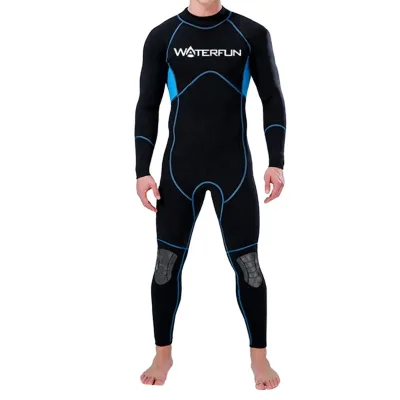


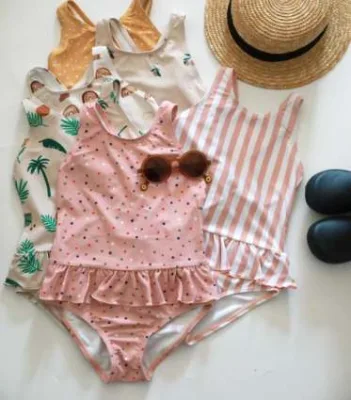


Neoprene Wet Suit Back Zipper Diving Suit Full Body Diving Surfing Wetsuit
$29.00 - $30.00
MOQ: 100 Pieces

Women′ S Wetsuit Diving Suit Full Body Diving Surfing Neoprene Wetsuits
$29.00 - $30.00
MOQ: 100 Pieces


Comprehensive Sourcing Guide
Strategic Sourcing Guide for Flotation Suits and Wetsuits
Navigating the global market for flotation suits and wetsuits requires a disciplined approach that balances technical performance with supply chain reliability. Buyers in the B2B sector must distinguish between general swimwear and specialized gear designed for thermal protection, buoyancy, and high-intensity aquatic activities. The available product landscape includes items ranging from simple Lycra swimwear to complex neoprene diving suits. This guide outlines the critical factors for sourcing these products, focusing on material composition, certification verification, and supplier evaluation based on observed market data.
Material Composition and Thermal Performance
The foundation of any effective wetsuit or flotation suit lies in its material composition. Market observations indicate a clear divergence between standard swimwear materials and specialized thermal gear. Products intended for general swimming pool use or beach activities often utilize Lycra, a synthetic fiber known for its elasticity and quick-drying properties. These items are frequently designed with a focus on fit and style, featuring patterns such as logos or pure colors, and are typically available in standard sizing from XS to XL.
In contrast, suits designed for underwater diving, surfing, and triathlon applications rely heavily on neoprene. The data confirms the presence of products with specific neoprene blends, such as a composition of 90% neoprene and 10% nylon. This blend is critical for balancing durability with flexibility. The thickness of the neoprene is a primary determinant of thermal retention and buoyancy. Observed specifications include thicknesses of 2mm and 3mm, with the latter often marketed specifically as a "Wetsuit 3MM" for colder water conditions. The fabric features associated with these neoprene products include breathability, warmth retention, softness, and high elasticity. Buyers must verify the exact thickness and material blend for their intended application, as a 2mm suit may suffice for tropical diving but fail to provide adequate protection in temperate waters.
Technical Specifications and Sizing Standards
Technical specifications extend beyond material to include precise sizing, model identification, and packaging standards. The market exhibits a wide range of sizing conventions. Some product lines adhere to standard international sizing (XS, S, M, L, XL), while others offer an extended range including XXL and 3XL to accommodate diverse body types. Model numbers serve as unique identifiers for procurement tracking; observed examples include codes such as 156252, YJ4151012, DK003, and QS451069. These identifiers are essential for ensuring consistency when reordering specific batches.
Packaging requirements also vary significantly based on the product type and destination market. Common packaging methods observed include Poly Bags, Polybay, and OPP Bags. The choice of packaging can impact the product's presentation and protection during transit. For instance, neoprene suits often require specific handling to prevent creasing, which may influence the choice between rigid and flexible packaging. Additionally, the condition of the goods is typically listed as "New," and availability is often categorized as "Available in Stock" or subject to custom manufacturing. Buyers should explicitly confirm the stock status and the specific packaging type required for their logistics chain to avoid damage or compliance issues at the destination port.
Compliance, Certification, and Regulatory Standards
Compliance with international standards is non-negotiable for safety-critical gear like wetsuits and flotation suits. The observed market data highlights several key certifications and standards that buyers should verify. Products have been associated with certifications such as CE, CCC, ISO, and SGS. These marks indicate that the product has undergone testing for safety, chemical composition, and manufacturing quality. Specifically, the RoHS (Restriction of Hazardous Substances) standard is frequently cited, ensuring that the materials used do not contain harmful levels of specific hazardous substances.
Furthermore, specific product standards are noted, such as "underwear wear" for certain suits and "Rohs" for others. While the term "underwear wear" may appear in specific product listings, buyers must interpret this within the context of the product's actual function, which is often diving or surfing. The presence of certifications like CE and ISO suggests adherence to European and international quality management systems. However, buyers must not assume that every listed product satisfies every certification. It is imperative to request current, valid certificates for the specific model being purchased. The "Mgnt Specification" of SGS and RoHS further underscores the importance of third-party verification. Without these documents, the risk of non-compliance with local regulations in the destination market increases significantly.
Cost Drivers and Minimum Order Quantities
Understanding the cost structure of wetsuits is essential for budgeting and negotiation. The observed price range in the market spans from 0.5 to 100 USD, a wide variance that reflects differences in material quality, thickness, and brand positioning. Thicker neoprene suits with advanced features like anti-friction coatings and breathability naturally command higher prices than basic Lycra swimwear. The cost is also driven by the level of customization. Products marked as "Customized" or offering "OEM Service" often involve additional tooling and design costs compared to off-the-shelf items.
Minimum Order Quantities (MOQ) are another critical cost driver. The data reveals a broad MOQ range, from as low as 1 piece to as high as 300 pieces. Some suppliers offer flexible terms for in-stock items, such as a requirement of 5 pieces per size, while others impose stricter limits, such as 100 sets per design for custom orders. Buyers must align their order volume with the supplier's MOQ to avoid excessive per-unit costs or the inability to place an order. The "Supply Type" being listed as "OEM Service" suggests that larger orders may be necessary to trigger the most favorable pricing tiers. Negotiating based on the specific model and material thickness can help optimize the total landed cost.
Supplier Evaluation and Operational Capabilities
Evaluating a supplier requires a deep dive into their operational capabilities and geographical location. The majority of the observed products originate from China, with specific mentions of Dongguang as a production hub. This concentration of manufacturing suggests a mature supply chain ecosystem, but it also necessitates rigorous due diligence. Buyers should assess the supplier's ability to handle the specific "Supply Type" required, whether it is standard stock or full OEM customization.
Key evaluation criteria include the supplier's responsiveness to customization requests, their inventory management for "Available in Stock" items, and their track record for meeting lead times. The "Application" of the product, ranging from diving and surfing to sportswear and triathlon, indicates the supplier's technical expertise. A supplier capable of producing suits for high-intensity triathlons likely possesses better quality control processes than one focusing solely on casual beachwear. Buyers should verify the supplier's capacity to meet the specific "MOQ" requirements and their ability to provide the necessary documentation for certifications like CE and ISO.
Quality Control and Long-Term Procurement Strategy
Quality control in the wetsuit industry focuses on material integrity, stitching durability, and the effectiveness of seals and zippers. The "Fabric Feature" of breathability and anti-friction properties must be validated through physical testing or third-party reports. For neoprene products, the bond between the neoprene and the nylon lining is critical; delamination can lead to premature failure. Buyers should establish clear quality acceptance criteria based on the observed specifications, such as the 2mm or 3mm thickness and the 90% neoprene blend.
Long-term procurement considerations involve building a relationship with suppliers who can scale with demand. The "Customization" availability suggests that suppliers are willing to adapt products to specific brand needs. However, this requires clear communication of design requirements and strict adherence to the agreed-upon standards. Buyers should also consider the environmental impact of the materials used, as neoprene production has specific ecological footprints. Establishing a consistent supply chain for products like the "Diving Mask" or "Diving Suit" ensures that the brand can maintain quality consistency across different product lines. Regular audits and sample testing are recommended to ensure that the "New" condition and performance features remain consistent over time.
Comparative Analysis of Product Categories
To assist in decision-making, the following table summarizes the key differences between the observed product categories based on material, usage, and specifications.
| Feature | Standard Swimwear | Neoprene Diving/Surfing Suit |
|---|---|---|
| Primary Material | Lycra | 90% Neoprene + 10% Nylon |
| Typical Thickness | N/A (Thin) | 2mm to 3mm |
| Primary Usage | Swimming Pool, Sandbeach | Diving, Surfing, Triathlon |
| Key Features | Logo, Pure Colour, High-Elastic | Breathable, Keep Warm, Anti-Friction |
| Certifications | CE, CCC (Variable) | CE, ISO, SGS, RoHS |
| MOQ Range | 1 - 300 | 5 sets (Stock) to 100 sets (Custom) |
| Packaging | Poly Bag, Polybay | OPP Bag, Poly Bag |
| Target Gender | Unisex, Adults | Men, Unisex |
This comparison highlights that while both categories serve aquatic needs, the technical requirements for thermal protection and durability in neoprene suits are significantly higher. Buyers must select the category that aligns with their specific operational environment.
Final Procurement Considerations
The procurement of flotation suits and wetsuits is a complex process that demands attention to detail. From verifying the exact neoprene blend to ensuring the presence of valid CE and ISO certifications, every step must be documented. The wide range of MOQs and price points offers flexibility but requires careful planning to balance cost and quality. By focusing on the technical specifications, material integrity, and supplier capabilities outlined in this guide, buyers can navigate the market effectively. The goal is to secure products that not only meet the immediate operational needs for diving, surfing, or swimming but also adhere to the highest standards of safety and quality for long-term reliability.
FAQs
What materials are used for flotation suits and wetsuits?
Materials include Lycra for standard swimwear and neoprene blends for thermal protection. Some products use a 90% neoprene and 10% nylon mix to ensure durability and flexibility. Buyers must verify the specific blend for their intended water temperature and activity level.
Which certifications are available for diving suits?
Common certifications include CE, CCC, ISO, and SGS with RoHS compliance. These marks indicate safety and chemical testing but vary by model. Buyers should request valid certificates for the specific product model before purchasing to ensure regulatory compliance.
Can I find wetsuits with a 3mm thickness specification?
Yes, 3mm thickness is available and often marketed specifically for colder water conditions. Some listings also show 2mm options for tropical diving. The thickness directly impacts thermal retention, so confirm the exact measurement for your application.
How does the minimum order quantity vary for these products?
MOQs range from 1 piece for stock items to 300 pieces for custom orders. Some suppliers require 5 pieces per size for in-stock items, while others demand 100 sets per design for customization. Order volume determines the applicable pricing tier and production terms.
Where are these flotation suits and wetsuits manufactured?
Most products originate from China, with specific hubs like Dongguang mentioned in listings. The location affects logistics and lead times. Buyers should confirm the specific factory location to ensure it aligns with their supply chain requirements.
What packaging options are available for wetsuit shipments?
Packaging includes Poly Bags, Polybay, and OPP Bags depending on the product type. Neoprene suits often require specific handling to prevent creasing during transit. Verify the packaging method with the supplier to ensure protection during shipping.
Which customization services are offered for diving suits?
Customization is available for logos, colors, and specific design requirements under OEM service. Suppliers can adapt products to brand needs but may have higher MOQs for custom work. Confirm the customization scope and associated costs before placing an order.