Source Foldable Breathable Camping Raincoat for Hiking, Travel, and Fishing
Explore 30 options for a Foldable Breathable Camping Raincoat designed for adults. Buyers can compare specifications like material, size, and customization features from verified suppliers in China to find the right gear for outdoor activities.
Key considerations
Products List
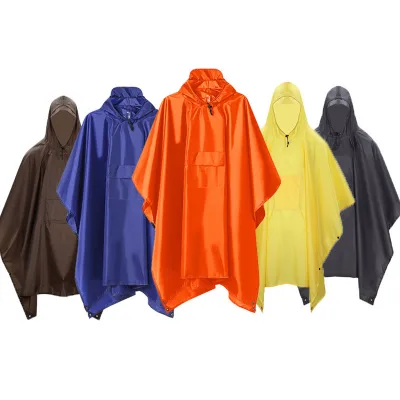
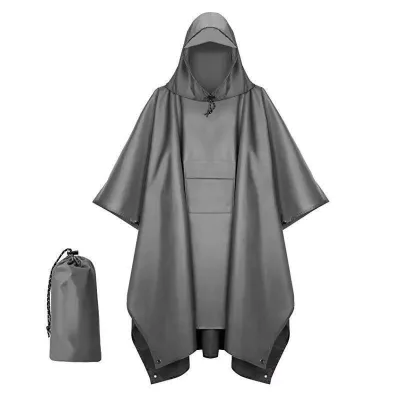
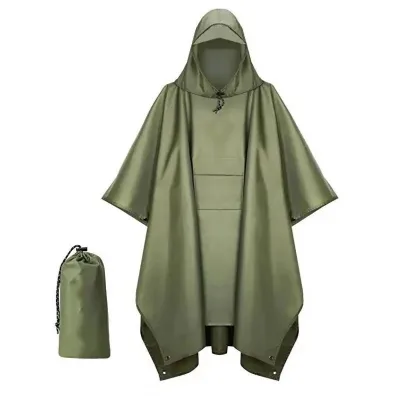
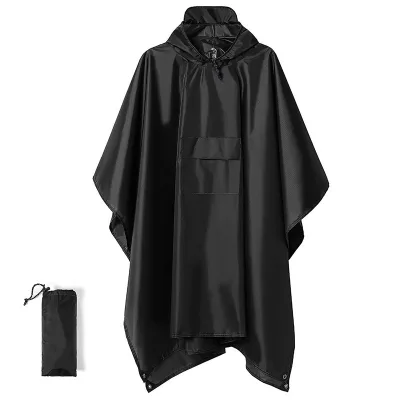
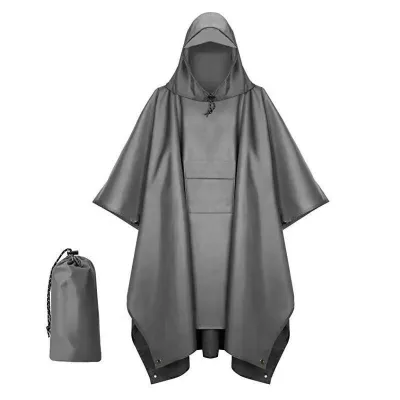

PVC Breathable Coating Safety Rainsuit Waterproof Rainwear Raincoat Rain Coat
$3.50 - $4.30
MOQ: 2000 Pieces


Functional Waterproof Polyester Raincoat Breathable Rainsuit for Rainy Days
$5.25 - $7.50
MOQ: 500 Pieces


Lightweight Foldable Polyester Rainsuit Custom Waterproof Raincoat for Outdoors
$9.99 - $16.99
MOQ: 500 Pieces


Promotional Durable Waterproof Lightweight Rain Poncho Pocket Hiking Camping Raincoat
$4.55 - $4.57
MOQ: 250 Pieces

3 in 1 Multifunctional Rain Coat Portahikingble Camping Raincoat Poncho Jacket
$3.85 - $4.05
MOQ: 3000 Pieces


Comprehensive Sourcing Guide
Strategic Sourcing Guide for Foldable Breathable Camping Raincoats
Understanding the Product Category and Core Specifications
When sourcing a Foldable Breathable Camping Raincoat, buyers must first distinguish between general rainwear and specialized outdoor gear designed for active use. The core product in this category is typically defined as a 3-in-1 lightweight rain poncho, engineered to balance protection with portability. The primary material composition observed in this segment often involves 210T polyester combined with a PU (polyurethane) coating, which provides the necessary waterproof barrier while maintaining a lightweight profile. Some variations in the market may utilize PVC materials, though the 210T + PU combination is generally preferred for its balance of durability and breathability.
The physical dimensions are a critical specification for camping applications. Standard sizing for these units often measures 210 by 140 centimeters, ensuring adequate coverage for an adult user while remaining compact enough to pack away. The single package size for the folded unit is typically around 25.0 by 12.0 by 5.0 centimeters, highlighting the "compact travel" nature of the product. This foldability is a key selling point, allowing the raincoat to be stored in a small pouch or backpack without adding significant bulk. The weight is equally important for hiking and climbing; a single unit often weighs approximately 0.250 kg, making it an ideal addition to a lightweight camping kit.
The product is designed as a single-person rainwear item, often categorized as a poncho style. This design allows for easy donning and doffing, which is essential when weather conditions change rapidly during outdoor activities. The material properties must include windproof and breathable characteristics to prevent overheating during high-exertion activities like cycling or hiking. The product is explicitly marketed for adults, covering a universal gender appeal suitable for men, women, and boys. While the base model is non-disposable and reusable, the emphasis on eco-friendly features suggests a focus on durability and long-term use rather than single-use convenience.
Technical Performance and Functional Attributes
The functional performance of a camping raincoat relies heavily on its ability to repel water while allowing moisture vapor to escape. The "breathable" attribute is not merely a marketing term but a technical requirement for active users. In the context of the supplied data, the product features are listed as including waterproof, windproof, breathable, quick-dry, and durable properties. These attributes are achieved through the specific coating applied to the fabric. The PU coating on the 210T fabric is the primary mechanism for water resistance, while the fabric weave and coating formulation must allow for air permeability to manage perspiration.
Buyers should verify the specific construction of the "3-in-1" aspect of the product. This terminology often implies a versatile design that may include features like a hood, adjustable cuffs, or a split style that accommodates movement. The style is described as "compact travel raincoat" with a "split" design in some listings, which suggests the garment may open fully for easier wear or provide ventilation. The absence of a reflective strip in some models is a notable observation; while reflective strips are common for safety in low-light conditions, this specific product line is noted as "Without Reflective Strip." Buyers requiring high-visibility gear for motorcycle riding or night cycling must specifically request models that include this feature, as it is not standard across all variations in this category.
The color options available are diverse, ranging from standard hues like blue, green, black, and grey to more vibrant options like orange. The "customized color" attribute indicates that suppliers can produce batches in specific shades to match brand identity or event themes. This customization extends to the logo, with "custom logo printing" being a standard service. The ability to apply a custom logo is a significant factor for corporate procurement or branded merchandise, allowing organizations to create uniform gear for employees or promotional events. The material is also described as eco-friendly, which aligns with growing market demands for sustainable outdoor gear, though the specific environmental certifications should be verified against the supplier's documentation.
Compliance, Certification, and Safety Standards
Navigating the compliance landscape is essential for B2B buyers, particularly when importing rainwear into regulated markets. The product data indicates that certifications such as CE, ENSASO, and REACH are associated with this category of rainwear. These certifications are critical for market access in Europe and other regions with strict chemical and safety regulations. The CE marking signifies conformity with health, safety, and environmental protection standards for products sold within the European Economic Area. REACH compliance ensures that the chemical substances used in the fabric and coatings meet European Union regulations regarding the registration, evaluation, authorization, and restriction of chemicals.
However, buyers must exercise caution when interpreting certification claims. The presence of these certifications in product descriptions does not guarantee that every single unit or batch from a supplier is certified. It is the buyer's responsibility to request valid test reports and certificates of conformity for the specific production run. The "ENSASO" certification, while listed, requires verification to ensure it applies to the specific product model and material composition. Similarly, the "504037 cm" standard mentioned in the data appears to be a packaging dimension rather than a safety standard, and should not be confused with product safety benchmarks.
For products intended for specific applications like motorcycle riding or cycling, additional safety standards may apply. While the current data notes the absence of reflective strips, buyers targeting safety-conscious markets should inquire about the availability of high-visibility options that meet local traffic safety standards. The material composition, specifically the use of PVC in some variations, may also trigger specific regulatory reviews regarding phthalates and other plasticizers. Ensuring that the PVC or PU coatings are free from restricted substances is a vital step in the compliance verification process. Buyers should never assume that a supplier's general claim of "CE" or "REACH" covers the specific product variant they intend to purchase without explicit documentation.
Cost Drivers and Procurement Economics
The economics of sourcing foldable breathable camping raincoats are influenced by several variables, including material costs, customization requirements, and order volume. The observed price range in the market spans from $0.05 to $16.99 USD, a wide spectrum that reflects differences in material quality, branding, and order size. The lower end of this range likely corresponds to basic, non-customized units with minimal packaging, while the higher end may include premium materials, complex customizations, or smaller batch sizes with higher unit costs.
Minimum Order Quantity (MOQ) is a significant cost driver in this category. The data presents a wide range of MOQs, from as low as 1 unit for sampling purposes to 20,000 units for large-scale production. Specific models, such as those with model numbers WS23301 or AS23402, have distinct MOQ requirements, with some listings indicating thresholds of 1,000 or 2,000 pieces. These thresholds directly impact the per-unit cost; larger orders typically benefit from economies of scale, reducing the cost per item. However, buyers must balance the need for volume discounts against the risk of overstocking, especially for seasonal items like raincoats.
Customization is another major factor affecting cost. The availability of custom logo printing and customized colors adds value but also increases the production complexity and cost. Suppliers offering ODM (Original Design Manufacturing) and OEM (Original Equipment Manufacturing) services will charge premiums for design work, mold creation, and setup fees. The "sample" availability is a crucial cost consideration; while samples can be provided, they are often charged at a higher rate than bulk units and may not include the same level of customization as the final production run. Buyers should factor in the cost of samples when budgeting for the initial sourcing phase to ensure they can validate quality before committing to a large order.
Typical Applications and Usage Scenarios
The versatility of the Foldable Breathable Camping Raincoat makes it suitable for a wide array of outdoor activities. The primary applications listed include camping, hiking, climbing, fishing, and touring. The product is designed to be lightweight and portable, making it an ideal companion for backpackers who need to minimize weight while maximizing protection against the elements. The "compact travel" style is particularly relevant for tourists and travelers who may encounter sudden rain showers and need a reliable solution that fits easily into a daypack.
Beyond traditional hiking and camping, the raincoat is also applicable for cycling and motorcycle riding. The "windproof" and "waterproof" attributes are essential for these high-speed activities where wind chill and water exposure are significant concerns. However, the specific design features, such as the absence of reflective strips in some models, mean that buyers must carefully select the right variant for high-traffic or low-light riding scenarios. The "split" style and "poncho" design allow for freedom of movement, which is beneficial for activities that require bending, climbing, or pedaling.
The product is also marketed for general walking and outdoor events. The "universal" gender appeal and "adult" age group designation make it suitable for a broad demographic, from individual hikers to group tours. The "reusable" and "durable" nature of the product supports its use in repeated outdoor excursions, distinguishing it from disposable alternatives. The "eco-friendly" attribute further enhances its appeal for environmentally conscious consumers and organizations looking to reduce waste. Whether for a corporate team-building event, a guided tour, or personal adventure, the raincoat's adaptability to various weather conditions and activities is its primary value proposition.
Supplier Evaluation and Quality Control Protocols
Selecting the right supplier requires a rigorous evaluation process that goes beyond price comparisons. Buyers should prioritize suppliers who can demonstrate consistent quality control and adherence to the specified technical attributes. The "place of origin" for these products is often China, with specific regions like Hebei noted as production hubs. While this provides insight into the manufacturing landscape, buyers should verify the specific factory capabilities and quality assurance processes.
Quality control should focus on the material integrity, specifically the 210T fabric and PU coating. Buyers must verify that the coating is evenly applied and that the fabric does not delaminate after folding or washing. The "quick-dry" and "breathable" claims should be tested to ensure they meet the performance expectations of active users. Additionally, the durability of the seams and the strength of the custom logo printing are critical quality metrics. The "non-disposable" nature of the product implies that it must withstand repeated use, so buyers should request durability test results or references from previous clients.
The "customization" aspect of the supply chain introduces additional quality risks. Buyers must ensure that the custom logo printing is durable and does not crack or fade after washing. The "customized color" process must be tightly controlled to ensure color consistency across the entire order. Suppliers should be able to provide pre-production samples that match the approved color and logo specifications. The packaging, described as "plastic bag and carton box," should also be evaluated for its ability to protect the product during transit, especially given the folded nature of the item.
Long-Term Procurement and Strategic Considerations
For buyers looking to establish a long-term supply relationship, strategic considerations extend beyond the initial order. The "design" capability of the supplier, including ODM and OEM options, is a key factor for future product development. Suppliers who can collaborate on design improvements, such as adding reflective strips or enhancing breathability, offer greater value over time. The ability to scale production from small batches to large volumes (up to 20,000 units) is also crucial for meeting fluctuating market demands.
Sustainability is an increasingly important long-term consideration. The "eco-friendly" attribute of the product aligns with global trends toward sustainable manufacturing. Buyers should inquire about the supplier's environmental policies, waste management practices, and the recyclability of the materials used. Ensuring that the supply chain adheres to ethical labor standards and environmental regulations will mitigate reputational risks and align with the values of modern consumers.
Finally, the logistical aspects of procurement, including lead times and shipping, must be managed carefully. While specific lead times are not provided in the data, buyers should establish clear timelines with the supplier to ensure timely delivery, especially for seasonal products. The "sample" process should be integrated into the procurement workflow to allow for iterative improvements and quality validation before full-scale production. By focusing on these strategic elements, buyers can secure a reliable supply of high-quality foldable breathable camping raincoats that meet their specific operational and market needs.
FAQs
What materials are used for the Foldable Breathable Camping Raincoat?
The raincoat typically uses 210T fabric with PU coating for waterproofing and breathability. Some variations may utilize PVC materials, though the 210T combination is preferred for durability. Buyers should verify the specific material composition for their order.
Can I get a custom logo printed on the raincoat?
Yes, custom logo printing is available for this product. Suppliers offer OEM and ODM services to apply specific branding. This customization is suitable for corporate events or promotional campaigns requiring uniform gear.
What are the standard dimensions for the single-person poncho?
The standard size is 210 by 140 centimeters to ensure adequate coverage for adults. The folded single package measures 25.0 by 12.0 by 5.0 centimeters for compact storage. This size balances protection with portability for hiking and camping.
Which certifications apply to the rainwear for European markets?
Certifications such as CE, REACH, and ENSASO are associated with this product category. These ensure compliance with safety and chemical regulations for European entry. Buyers must request valid test reports for specific batches to confirm compliance.
How does the MOQ vary for different product models?
Minimum Order Quantities range from 1 unit for samples to 20,000 units for bulk production. Specific models like WS23301 or AS23402 may have thresholds of 1,000 or 2,000 pieces. Larger orders generally reduce the per-unit cost through economies of scale.
Are reflective strips included on the standard raincoat model?
The standard model is listed as without a reflective strip. Buyers requiring high visibility for night cycling or motorcycle riding must specifically request alternative versions. Safety features vary by model, so verification is necessary for low-light applications.