Source Foldable Eco-Friendly Camping Mat for Travel, Picnic, Beach
Source a Foldable Eco-Friendly Camping Mat from 30 verified listings. Compare options featuring quick-dry polyester, waterproof Oxford, and lightweight designs. Evaluate sizes, custom logo availability, and MOQs to find the right supplier for your outdoor gear needs; compare the available evidence and request quotations based on your requirements.
Key considerations
Products List
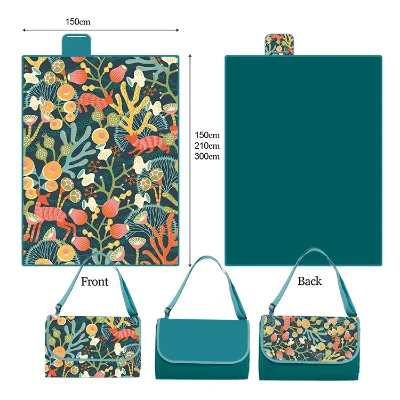
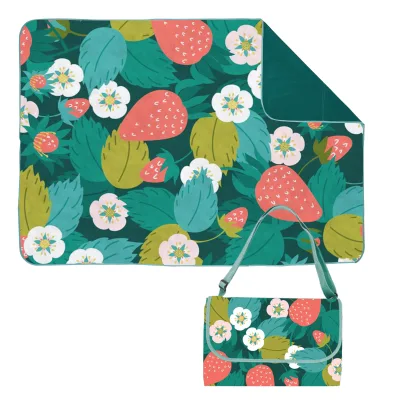
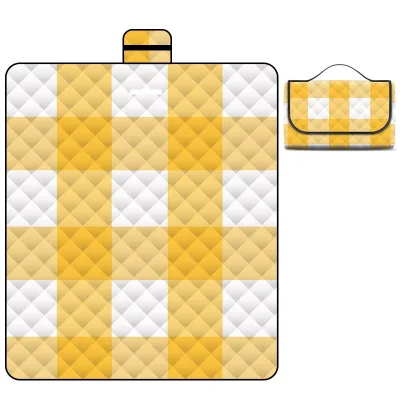
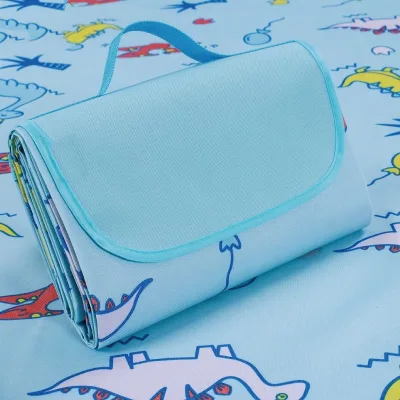


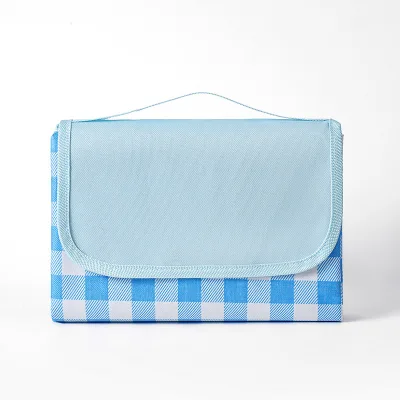
Picnic Mat Waterproof Outdoor Picnic Blanket Portable Beach Mat for Camping
$4.00 - $5.50
MOQ: 200 Pieces


Customized Design Portable Durable Waterproof Outdoor Hiking Camping Mat
$3.00 - $4.50
MOQ: 200 Pieces




Comprehensive Sourcing Guide
Foldable Eco-Friendly Camping Mat Sourcing Guide
Procurement teams must first distinguish between the various product configurations available in the current market, as the core keyword often masks significant functional differences. The observed listings reveal a split between lightweight, folding mats designed for travel and heavier, woven beach mats intended for stationary use. Buyers should verify whether the specific unit they are sourcing is a compact, portable item with a quick-dry feature or a larger, sand-free mat suitable for picnics, as these distinct use cases dictate different material requirements and packaging constraints.
Understanding the observed listing signals is critical for aligning supplier capabilities with buyer expectations regarding customization and branding. The data indicates that while some suppliers offer OEM branding and customized logos, others operate under generic or specific brand names like KUANGS, which may affect exclusivity agreements. Furthermore, the variation in observed MOQs ranging from 5 to 1000 pieces suggests that buyers must clearly define their volume needs early to avoid being locked into unfavorable terms or facing excessive minimum order requirements that do not match their initial market testing strategy.
Product Scope and Observed Listing Signals
Buyers should carefully evaluate the material composition listed in product specifications, as the observed data points to a mix of polyester, nylon, and Oxford fabrics, alongside specialized laminates like IXPE and PE aluminum film. These material choices directly influence the mat's durability, waterproofing capabilities, and overall weight, which are primary decision factors for outdoor enthusiasts. A mat constructed from polyester and nylon may offer superior tear resistance for rugged camping, whereas an Oxford or IXPE-based mat might prioritize ease of cleaning and sand resistance for beach applications, requiring the buyer to match the material to the intended environment.
The functional attributes observed in the listings, such as "quick-dry," "sand-free," and "waterproof," must be validated against the specific design claims of the supplier to ensure they meet the buyer's performance standards. While many products are described as having a modern, stylish design with a comfortable feel, the actual performance of these features can vary significantly between manufacturers. Buyers need to confirm that the "folding" mechanism is robust enough for repeated use and that the "eco-friendly" designation is supported by the specific manufacturing process or material sourcing, rather than relying solely on marketing terminology found in the product description.
Technical Specifications to Verify
Dimensional accuracy and thickness are critical technical parameters that require strict verification, as the observed listings show sizes ranging from 145x200 cm to 200x200 cm with varying thickness profiles. Some products specify a thickness of 2.5 cm, while others list it as customizable, which directly impacts the insulation and comfort provided to the user. Procurement teams must ensure that the selected model number, such as TYT111 or AX-YC2258, corresponds to the exact dimensions and thickness required for their target market, as even minor deviations can lead to customer dissatisfaction or product returns.
The manufacturing techniques and craft details, including printed, woven, or silkscreen methods, must be scrutinized to ensure they align with the desired aesthetic and durability standards. The observed data indicates that some mats utilize a woven craft while others rely on printed designs, and these techniques affect the longevity of the graphics and the structural integrity of the fabric. Buyers should verify that the "customized logo" options are compatible with the chosen craft method, ensuring that the branding remains clear and durable after repeated folding and exposure to outdoor elements.
Compliance and Safety Documentation
While the observed product data explicitly mentions "Eco-Friendly" attributes and confirms that some suppliers accept OEM orders, specific third-party certifications like OEKO-TEX or GOTS are not definitively confirmed in the provided facts. Buyers must therefore request independent test reports to validate any environmental claims, ensuring that the materials used, such as polyester or nylon, do not contain harmful substances that could violate import regulations or consumer safety standards. Relying solely on the supplier's self-declaration of eco-friendliness is insufficient for B2B procurement, and a formal audit of the supply chain is necessary to substantiate these claims.
Safety documentation regarding the physical construction of the mat, particularly for products intended for children or sensitive skin, should be a priority during the qualification phase. Although the listings describe the mats as having a "soft" hardness and being "durable," these qualitative descriptions do not replace the need for flammability, chemical, and physical safety testing. Procurement teams should mandate that suppliers provide evidence of compliance with relevant regional safety standards, ensuring that the aluminum film or other laminates used in the construction do not pose a risk of injury or chemical leaching during normal use.
Cost Drivers and Commercial Terms
The commercial landscape for these mats is influenced by significant variations in MOQs, which range from as low as 5 pieces to as high as 1000 pieces, creating a complex pricing structure for buyers. Lower MOQs may offer flexibility for startups but often come with a higher unit cost, while larger orders typically unlock better pricing tiers but require greater capital commitment. Buyers must analyze their inventory turnover rates and cash flow constraints to determine the optimal order quantity that balances cost efficiency with the risk of overstocking, especially given the seasonal nature of camping and beach products.
Payment and shipping terms also play a pivotal role in the total cost of ownership, with observed data indicating options like T/T, L/C, and various shipping methods including sea, air, and courier. The choice of shipping method will drastically affect the lead time and final landed cost, with air freight offering speed but at a premium price, while sea freight is more economical for large volumes but requires longer planning horizons. Procurement teams should negotiate clear Incoterms and payment schedules that mitigate currency fluctuation risks and ensure that the supplier's lead time of 5-7 days for samples aligns with the overall production timeline.
Supplier Qualification and Quality Control
Supplier qualification should begin with a thorough review of their place of origin and production capabilities, as the data indicates manufacturers are located in regions like Zhejiang and Hebei, China. These locations may offer different advantages in terms of supply chain maturity, labor costs, and logistical efficiency, but buyers must verify that the specific factory has the capacity to handle their required volume and customization needs. It is essential to confirm that the supplier can consistently deliver the "modern stylish" design and "comfortable feel" attributes observed in the listings without compromising on quality control during mass production.
Quality control protocols must be established to ensure that the "folding" and "waterproof" features remain intact throughout the product lifecycle, as these are high-failure points for camping mats. Buyers should implement a rigorous inspection plan that includes testing the durability of the zippers or folding mechanisms and verifying the integrity of the waterproof coating after multiple cycles of use. Given that some suppliers offer "customized" options, it is vital to approve physical samples that match the exact specifications of the final order before authorizing full-scale production to prevent discrepancies in color, size, or material quality.
Long-Term Procurement Checks
Sustaining a successful procurement relationship requires ongoing monitoring of the supplier's ability to maintain consistent product quality and adhere to the agreed-upon eco-friendly standards over time. Buyers should schedule regular audits to ensure that the materials, such as polyester or nylon, continue to meet the specified performance criteria and that the manufacturing processes have not shifted in ways that could compromise the "sand-free" or "quick-dry" attributes. Continuous feedback loops with the supplier are necessary to address any emerging issues promptly and to ensure that the product remains competitive in the evolving outdoor gear market.
Strategic planning for future orders should account for potential changes in material costs, regulatory requirements, and consumer preferences regarding sustainability and design. As the market for foldable eco-friendly camping mats grows, buyers must stay informed about new material innovations and certification trends that could impact their product offerings. Developing a flexible sourcing strategy that allows for adjustments in order volume, design specifications, and supplier partnerships will ensure long-term resilience and the ability to respond quickly to market demands without disrupting the supply chain.
FAQs
What materials are used for the camping mat?
The camping mats are constructed from durable polyester, nylon, and Oxford fabrics. Some models also utilize IXPE and PE aluminum film layers for enhanced insulation. These materials ensure the product is lightweight, waterproof, and sand-free, making it ideal for various outdoor travel and picnic scenarios.
Can I customize the logo on the camping mat?
Yes, customized logos are available for these camping mats. The OEM service is acceptable, allowing buyers to apply their branding via methods like silkscreen printing. This customization option supports brand visibility for businesses sourcing portable and lightweight mats for travel or promotional purposes.
What are the standard sizes for these mats?
Standard sizes include 150x200cm, 200x200cm, and 145x200cm. Some specific models offer dimensions of 185x55x2.5cm. Buyers can also request customized thickness and size options to meet specific requirements for picnic, camping, or beach mat applications.
How long does production take for these mats?
The sample time for these camping mats is typically 5-7 days. This timeframe allows for quick evaluation of the product quality and features. Bulk production lead times may vary based on order quantity and customization requirements, so buyers should confirm specific schedules with suppliers.
Are these camping mats eco-friendly?
Yes, the camping mats are described as eco-friendly. They are designed to be breathable, quick-drying, and durable for repeated use. The materials and production processes aim to reduce environmental impact, making them suitable for buyers seeking sustainable options for outdoor activities and travel.
What is the minimum order quantity for these mats?
The minimum order quantity varies by supplier, ranging from 2 to 1000 pieces. Some listings specify an MOQ of 5 pieces or 100 pieces. Buyers should check specific supplier requirements to determine the feasible order volume for their needs.