Source Foldable Eco Friendly Ludo Game for Home, School, Events
Compare 30 Foldable Eco Friendly Ludo Game options from verified Chinese manufacturers. Buyers can evaluate materials like rubber wood and paper, customization levels, and MOQs ranging from 36 to 2000 sets for family recreation and promotional use; compare the available evidence and request quotations based on your requirements.
Key considerations
Products List


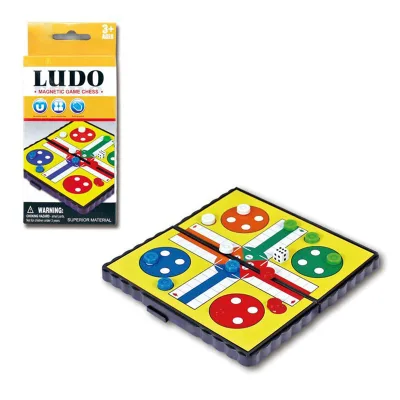
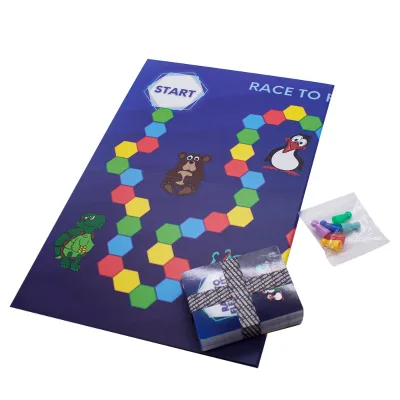
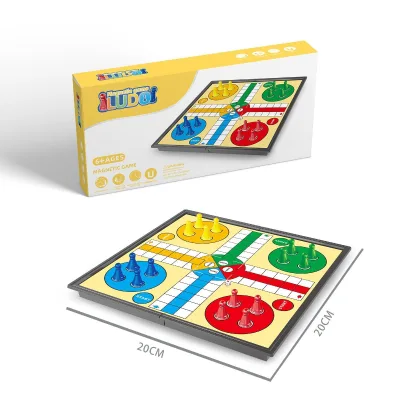


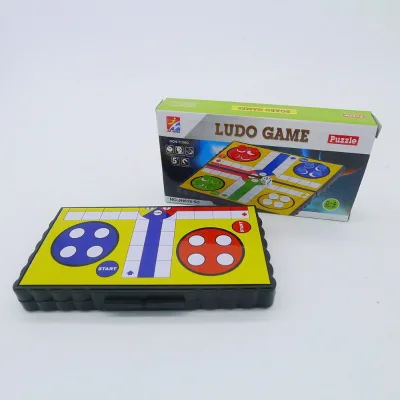




Comprehensive Sourcing Guide
Foldable Eco Friendly Ludo Game Sourcing Guide
Procuring foldable eco-friendly Ludo games requires a strategic focus on material integrity and structural durability. Buyers must prioritize suppliers who can demonstrate the use of sustainable materials without compromising the game's functional lifespan. The core value proposition lies in combining environmental responsibility with the tactile experience of a traditional board game. This approach appeals to modern consumers who seek entertainment options that align with their ethical values. Therefore, the initial sourcing phase should focus on identifying manufacturers who specialize in eco-conscious production methods.
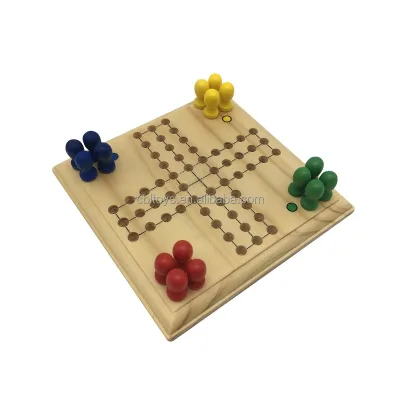
The market for these items is diverse, with listings often highlighting customization options and specific packaging solutions. Observations indicate that many suppliers offer paper carton packaging, which aligns well with eco-friendly branding. Additionally, the availability of customization allows brands to tailor the visual identity of the game to their specific marketing needs. Buyers should note that while "eco-friendly" is a common descriptor, the specific materials used can vary significantly. It is crucial to distinguish between products made from recycled paper, rubber wood, or other sustainable composites. Understanding these material differences is essential for accurate cost estimation and quality assurance.
Product Scope and Observed Listing Signals
The product scope for foldable Ludo games typically includes board games designed for two to four players, suitable for family and friend gatherings. Listings often categorize these items under intellectual toys or general board games, emphasizing their role in recreation and puzzle-solving. The observed data suggests that these games are available in various scales, ranging from small to medium sizes. This variety allows buyers to select products that fit specific retail shelf constraints or gift box dimensions. The playing style often involves finger flicking or striker-based mechanics, which adds a dynamic element to the traditional Ludo format.
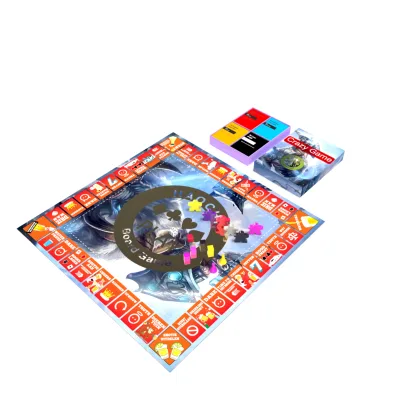
Observed listing signals highlight the importance of packaging and presentation in the final product. Many suppliers specify paper carton or color box packaging, which supports the eco-friendly narrative. The content usually includes the game board, playing cards, and accessories such as dice, pointers, and tokens. Some listings mention the inclusion of sand timers or card placeholders, which enhance the gameplay experience. Buyers should verify that all components are included in the standard package to avoid additional costs. Furthermore, the origin of these products is frequently noted as China, with specific regions like Zhejiang and Guangdong being common manufacturing hubs.
Technical Specifications to Verify
When verifying technical specifications, buyers must focus on the dimensions and material composition of the game board. Standard sizes observed in the market include 205x205mm for smaller variants, while larger boards may measure up to 11x11x3 cm. The material is often specified as coated paper combined with greyboard, which provides the necessary rigidity for a foldable design. Card sizes are typically 63x88mm, but customization options are available to accommodate different branding requirements. Buyers should confirm that the board can be folded without cracking or warping, as this is a critical quality indicator for foldable products.
Surface finishing and printing techniques also play a significant role in the product's durability and aesthetic appeal. Common finishing methods include varnish, lamination, UV coating, and linen textures. These processes not only enhance the visual quality but also protect the board from wear and tear. Printing is usually done in CMYK or PMS colors, allowing for vibrant and accurate brand representation. Buyers should request samples to assess the quality of the printing and the effectiveness of the surface finishing. Additionally, the inclusion of a dummy sample or custom sample is a standard practice that helps in validating the design before mass production.
Compliance and Safety Documentation
Compliance with international safety standards is a non-negotiable aspect of sourcing board games, especially those intended for children and families. High-confidence facts indicate that many suppliers hold CE certification, which is essential for market access in Europe. Additionally, ASTM and EN standards are frequently cited, ensuring that the products meet rigorous safety and performance criteria. Buyers must request copies of these certificates to verify their authenticity and scope. It is important to confirm that the certification covers the specific product model and materials used in the game.
Beyond general certifications, buyers should inquire about specific safety tests related to small parts, toxic substances, and flammability. Since the target audience includes all ages, the game must be safe for both children and adults. The use of eco-friendly materials does not exempt the product from standard safety requirements. Buyers should ensure that the supplier can provide test reports from accredited laboratories. This documentation serves as proof of compliance and helps mitigate the risk of product recalls or legal issues. Maintaining a complete file of compliance documents is essential for long-term procurement success.
Cost Drivers and Commercial Terms
The cost of foldable eco-friendly Ludo games is influenced by several factors, including material quality, customization level, and order volume. The observed price range in USD is between 0.01 and 9.99, which reflects the variability in product complexity and packaging. Buyers should be aware that lower prices may indicate the use of less durable materials or minimal customization. Conversely, higher prices often reflect premium materials, intricate printing, and robust packaging. Understanding these cost drivers helps buyers negotiate better terms and avoid unexpected expenses.
Commercial terms, such as Minimum Order Quantity (MOQ), are critical in determining the feasibility of a procurement deal. The observed MOQ range is between 36 and 2000 units, with some suppliers specifying a minimum of 500 sets. Buyers should align their order quantities with the supplier's MOQ to avoid penalties or delays. Payment terms and lead times should also be clearly defined in the contract. While specific lead times are not provided in the data, buyers should expect standard production cycles that account for material sourcing, manufacturing, and quality control. Clear communication of these terms ensures a smooth transaction process.
Supplier Qualification and Quality Control
Qualifying suppliers for foldable eco-friendly Ludo games involves assessing their manufacturing capabilities and quality control processes. Buyers should look for suppliers with a proven track record in producing board games and intellectual toys. The ability to offer OEM services is a plus, as it allows for greater customization and brand alignment. Suppliers should be able to provide detailed information about their production lines, including the equipment used for cutting, printing, and assembly. This transparency helps buyers evaluate the supplier's capacity to meet specific quality standards.
Quality control is a critical aspect of supplier qualification, as it ensures that the final product meets the buyer's expectations. Buyers should request a quality control plan that outlines the inspection points and criteria used during production. This plan should include checks for material integrity, printing accuracy, and packaging completeness. Additionally, suppliers should be willing to conduct pre-shipment inspections to identify and rectify any defects before the products are shipped. Establishing a strong quality control framework with the supplier helps reduce the risk of receiving substandard products and ensures customer satisfaction.
Long-Term Procurement Checks
Long-term procurement of foldable eco-friendly Ludo games requires a strategic approach to supplier relationships and market trends. Buyers should establish regular communication channels with their suppliers to discuss product improvements, new material options, and market feedback. This ongoing dialogue helps in adapting the product to changing consumer preferences and regulatory requirements. Additionally, buyers should monitor the supplier's financial stability and production capacity to ensure a consistent supply of products.
Sustainability is a key consideration in long-term procurement, as consumers increasingly demand eco-friendly products. Buyers should verify that the supplier's eco-friendly claims are backed by verifiable data and certifications. This includes checking for the use of recycled materials, sustainable sourcing practices, and environmentally friendly production processes. By prioritizing suppliers who are committed to sustainability, buyers can build a brand reputation that resonates with environmentally conscious consumers. Regular audits and performance reviews help in maintaining high standards and fostering a mutually beneficial partnership.
FAQs
Can I customize the Foldable Eco Friendly Ludo Game design?
Yes, customization is available for this product line. Buyers can request specific designs, colors, and packaging options to match their brand needs. The manufacturer supports OEM services and offers dummy or custom samples for approval before bulk production begins.
What certifications does the Foldable Eco Friendly Ludo Game hold?
The product holds CE and ASTM certifications to ensure safety and compliance. These standards verify that the materials and manufacturing processes meet international safety requirements for toys. Buyers should verify specific certification documents with the supplier for their target market.
What is the minimum order quantity for the Foldable Eco Friendly Ludo Game?
The minimum order quantity ranges from 36 to 2000 units depending on the specific model and customization level. Some standard items may start at 36 sets, while custom board games often require a minimum of 500 sets. Buyers should confirm the exact MOQ with the supplier.
How is the Foldable Eco Friendly Ludo Game packaged for shipping?
The product is typically packaged in paper cartons or color boxes for protection during transit. Specific dimensions vary by model, with some measuring 11x11x3 cm or 205x205 mm. The packaging ensures the game board and accessories remain secure and undamaged upon arrival.
Where are the Foldable Eco Friendly Ludo Game manufacturers located?
Manufacturers are located in key regions such as Zhejiang and Guangdong in China. These areas are known for their established toy production capabilities and supply chain efficiency. Buyers can source products directly from these regions to ensure quality and timely delivery.
What materials are used to make the Foldable Eco Friendly Ludo Game?
Materials include rubber wood, coated paper, and greyboard depending on the specific game type. Some versions use paper for the board while others utilize wood for durability. The choice of material affects the feel and longevity of the game for different age groups.
What is the lead time for the Foldable Eco Friendly Ludo Game orders?
Lead times vary based on order volume and customization requirements. Standard orders may be processed quickly, while custom designs require additional time for sampling and production. Buyers should discuss specific timelines with the supplier to align with their project schedules.