Source Y2K Full Sleeve Cotton Tracksuit for soccer, cycling, gym
Find 30 verified listings for the Y2K Full Sleeve Cotton Tracksuit designed for ball sports, fitness, and track events. Buyers can compare customization options, fabric blends, and lead times from OEM factories in China.
Key considerations
Products List


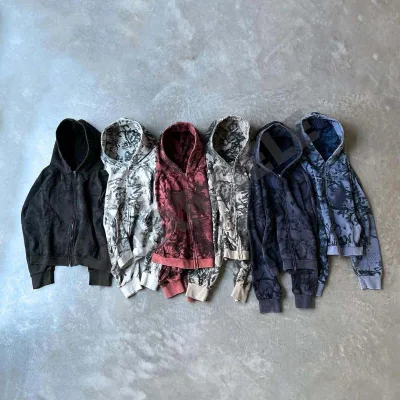


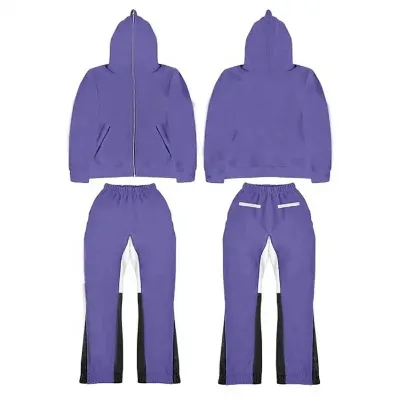


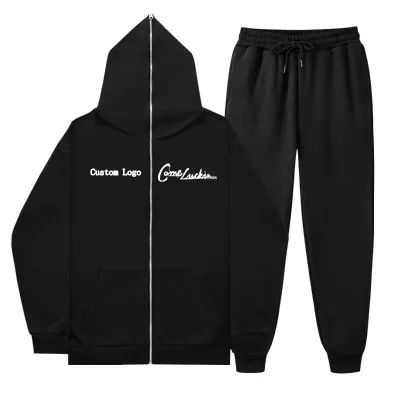


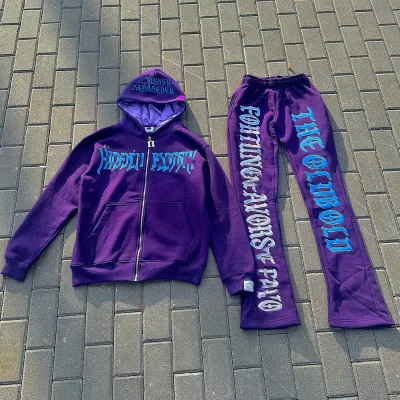
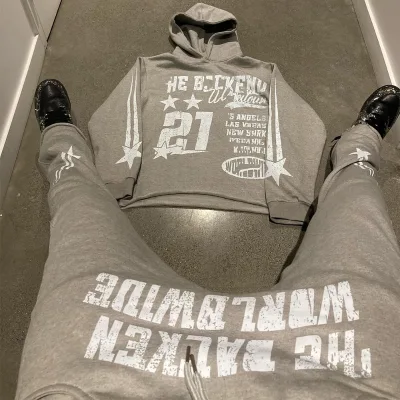
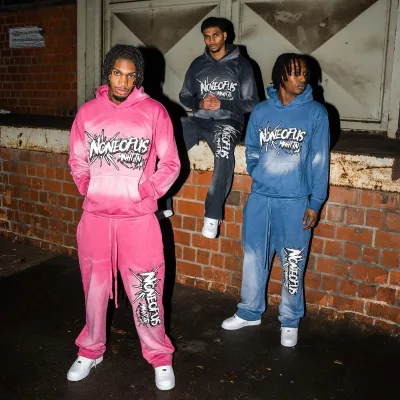
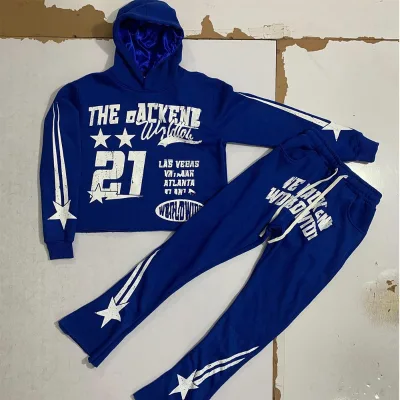


Comprehensive Sourcing Guide
Strategic Sourcing Guide for Y2K Full Sleeve Cotton Tracksuits
Understanding the Product Category and Market Context
The core keyword "Y2K Full Sleeve Cotton Tracksuit" points to a specific niche within the broader sportswear and casual wear market. This category is defined by a retro aesthetic reminiscent of the early 2000s, characterized by loose fits, vibrant color palettes, and functional athletic design. In the current B2B landscape, buyers are often seeking garments that blend the nostalgic visual appeal of the Y2K era with the practical requirements of modern manufacturing. The product profile observed in the market indicates a strong alignment with "Custom Sports Tracksuit" offerings, where the primary material composition is a blend of Polyester and Cotton. This hybrid material choice is critical, as it balances the durability and moisture-wicking properties of synthetic fibers with the comfort and breathability associated with natural cotton fibers.
The market data suggests that these tracksuits are categorized under "Sportswear" and "Suit" types, designed for a wide range of activities including ball sports, soccer, racing, cycling, fitness, track and field, gym workouts, basketball, and tennis. The "Unisex" gender classification and the availability of sizes ranging from XS to 6XL indicate a broad target demographic that includes both adult and youth age groups. The "Y2K" styling element is often achieved through specific design choices such as "Raglan Sleeve" construction, "Round Neck" or "O-Neck" collars, and "Loose" fit types. These structural elements are not merely aesthetic but serve functional purposes, allowing for greater range of motion during athletic activities while maintaining the relaxed silhouette popular in the early 2000s fashion.
Technical Specifications and Material Composition
When sourcing these garments, buyers must scrutinize the technical specifications to ensure the product meets both aesthetic and performance expectations. The fundamental fabric composition observed in the market is a blend of Polyester and Cotton. This combination is engineered to provide specific performance attributes. The product attributes list confirms the presence of "Rip-Stop," "Quick-Drying," "Moisture-Wicking," "Breathable," and "Anti-UV" features. These are not generic claims but specific functional requirements that define the utility of the tracksuit. The "Fabric Weight" is noted as 250 Grams, which suggests a medium-weight material suitable for summer wear or transitional seasons, offering enough substance for durability without being overly heavy.
The construction techniques are equally important. The "Technics" field identifies the garments as "Knitted," which is standard for tracksuits to ensure elasticity and comfort. The "Sleeve Style" is consistently "Long Sleeve," and the "Sleeve Shape" is often "Raglan Sleeve," a design where the sleeve extends in one piece to the collar, eliminating the shoulder seam. This construction method is a hallmark of the Y2K aesthetic and contributes to the "Loose" fit type. The "Collar Style" is typically a "Round Neck" or "O-Neck," providing a classic, versatile look. The "Length" is generally "Regular," though customization is available.
A critical technical aspect for buyers is the "Needle Detection" process. The supply data explicitly states "Needle Detection: Yes," which is a vital safety standard for garments intended for children and general public use. This process ensures that no metal fragments from the manufacturing machinery remain in the final product, preventing injury to the wearer. Additionally, the "Pattern" options include "Logo," "Embroidered," and "With Pattern" designs, allowing for significant customization. The "Color" availability ranges from single colors to multicolor options, including specific shades like Blue, Black, Pink, Light Blue, Purple, Orange, Mint, and Khaki, catering to the vibrant color trends associated with the Y2K era.
Customization Capabilities and Design Flexibility
One of the primary drivers for sourcing these tracksuits is the high degree of customization available. The supply type is identified as "OEM Factory Supply," meaning manufacturers are equipped to produce goods based on the buyer's specific designs rather than offering only off-the-shelf inventory. The "Customization" attribute is marked as "Available," with specific services including "Name," "Logo," "Number," and "Pattern" personalization. The "Printing" method is specified as "Custom Sublimation Printing," a technique that allows for full-color, high-resolution designs that are durable and do not crack or fade easily. This is particularly relevant for the "Y2K" aesthetic, which often features bold graphics and complex patterns.
The "Design" capabilities extend to "OEM PRO Design," suggesting that suppliers can assist in developing original designs or refining existing concepts to meet market trends. The "Product Name" is listed as "Custom Sports Tracksuit," reinforcing the flexible nature of the product. Buyers can request "Customized" sizes, with the standard range extending from XS to 6XL, and even up to 6XL in some specifications. The "Patterned" attribute is also "Customized," allowing for unique fabric prints that align with specific brand identities or seasonal trends. The "Logo" can be applied via various methods, including embroidery, which is noted as a specific pattern type in the data. This level of flexibility is essential for brands looking to differentiate themselves in a crowded market.
The "Packaging" is another area where customization plays a significant role. The "prod_packing" attribute indicates "Customized Package" options, with shipping methods available through major carriers like DHL and FedEx. The standard packing specification is "1pcs/set in one poly bag, 30-100pcs in one carton," but this can be adjusted to meet specific logistical or branding requirements. The "MOQ" (Minimum Order Quantity) is described as "Low MOQ," which is a critical factor for new brands or those testing the market. The observed MOQ range in the market is 1 to 100 units, providing significant flexibility for buyers who may not have the capital to commit to large initial orders.
Cost Drivers and Pricing Dynamics
Understanding the cost structure of Y2K full sleeve cotton tracksuits is essential for effective procurement planning. The observed listed price range in the market is between 2 and 70 USD. This wide variance is driven by several factors, including the complexity of the design, the quality of materials, the level of customization, and the order volume. The "Quality" attribute is generally listed as "High Quality," but the specific cost implications of this designation depend on the supplier's manufacturing standards and the raw material costs.
The "Fabric Weight" of 250 grams is a significant cost driver. Heavier fabrics generally cost more due to the increased amount of raw material required. The blend of Polyester and Cotton also influences the price, as the ratio of natural to synthetic fibers can vary. Suppliers offering "Anti-UV" and "Rip-Stop" features may charge a premium for the specialized treatments applied to the fabric. The "Custom Sublimation Printing" and "Embroidered" options also add to the cost, as these processes require additional labor and equipment compared to standard printing methods.
The "Lead Time" is another factor that affects the overall cost structure. The observed "Leading Time" is 7-15 days, with support for "7 Days Sample Order Lead Time." Faster lead times often come at a higher cost due to the need for expedited production and shipping. The "Supply Type" being "OEM Factory Supply" implies that buyers are dealing directly with manufacturers, which can reduce costs compared to intermediaries, but it also requires a higher level of coordination and quality assurance. The "Location" of production is primarily in "China," specifically "Guangdong, China," which is a major hub for textile manufacturing. This location offers competitive labor costs and a mature supply chain, but buyers must consider shipping costs and import duties when calculating the total landed cost.
Compliance, Safety, and Quality Assurance
Ensuring compliance with safety and quality standards is paramount when sourcing apparel, especially for international markets. The supply data explicitly mentions "Needle Detection: Yes," which is a critical safety feature for garments that may be worn by children or used in high-activity environments. This process is part of a broader quality control framework that ensures the final product is free from physical hazards. Buyers should verify that their suppliers have robust quality control systems in place, including checks for stitching integrity, color fastness, and fabric durability.
The "Standard" for packaging is listed as "1pcs/set in one poly bag, 30-100pcs in one carton," but buyers should also inquire about compliance with international packaging standards, such as those related to plastic usage and labeling requirements. The "Quality" attribute is described as "High Quality," but this is a subjective term that requires objective verification. Buyers should request test reports or certifications that validate the fabric's performance claims, such as moisture-wicking efficiency, breathability ratings, and UV protection levels. While specific certification names are not provided in the data, buyers should ask for evidence of compliance with relevant textile standards, such as ISO 9001 for quality management or specific regional safety standards like EN 14682 for children's clothing.
The "Design" and "Production" processes should also be monitored to ensure consistency. The "OEM PRO Design" capability suggests that suppliers have in-house design teams, but buyers should establish clear communication channels to ensure that the final product matches the approved samples. The "Customized Package" option allows for branding, but it also requires attention to detail to ensure that packaging materials meet sustainability goals or specific retailer requirements. The "Needle Detection" process should be documented and verified, as it is a key indicator of the supplier's commitment to safety and quality.
Supplier Evaluation and Long-Term Procurement Strategy
Selecting the right supplier is a critical step in the procurement process. The "Supply Type" is identified as "OEM Factory Supply," indicating that buyers should look for manufacturers with direct production capabilities rather than trading companies. The "Place of Origin" is "Guangdong, China," a region known for its textile industry, but buyers should verify the specific factory's capacity, reputation, and financial stability. The "Low MOQ" feature is attractive for new brands, but buyers should assess whether the supplier can scale production as order volumes increase.
The "Customization" capabilities are a key differentiator. Buyers should evaluate the supplier's ability to handle complex designs, such as "Custom Sublimation Printing" and "Embroidered" logos. The "Design" attribute of "OEM PRO Design" suggests that the supplier can offer design support, but buyers should clarify the scope of this service and any associated costs. The "Lead Time" of 7-15 days is competitive, but buyers should establish clear timelines for sample approval, production, and shipping to avoid delays.
Long-term procurement considerations include building a relationship with the supplier based on trust and mutual benefit. The "Custom Service" options, including "Name, Logo, Number, Pattern," indicate that the supplier is flexible and responsive to buyer needs. Buyers should negotiate terms that allow for flexibility in order quantities and lead times, especially for seasonal products. The "Product Type" of "Sportswear" and "Suit" suggests that the supplier has experience in the athletic wear market, which is a positive indicator of their technical expertise.
Application Scenarios and Market Positioning
The "Usage" of these tracksuits is diverse, covering "Ball Sports, Soccer, Racing, Cycling, Fitness, Track and Field, Gym, Basketball, Tennis." This wide range of applications suggests that the product is versatile and can be marketed to various segments of the athletic wear market. The "Y2K" aesthetic appeals to consumers who appreciate retro fashion, making these tracksuits suitable for both athletic activities and casual wear. The "Unisex" gender classification and "Adult, Youth" age group targeting expand the potential customer base.
The "Season" is listed as "Summer," which aligns with the "Quick-Drying" and "Breathable" attributes of the fabric. However, the "Long Sleeve" style and "Loose" fit may also make the tracksuits suitable for cooler weather or indoor activities. Buyers should consider the specific market they are targeting and tailor their product offerings accordingly. The "Color" options, including "Multicolor" and specific shades like "Mint" and "Khaki," allow for differentiation in the market. The "Pattern" options, such as "Logo" and "Embroidered," provide opportunities for brand storytelling and visual identity.
The "Product Name" of "Custom Sports Tracksuit" and the "Type" of "Suit" indicate that these garments are positioned as functional athletic wear with a fashion-forward edge. The "Fabric" composition of "Polyester, Cotton" ensures that the tracksuits are comfortable and durable, meeting the demands of active lifestyles. The "Quality" attribute of "High Quality" suggests that these products are designed to withstand regular use and washing, making them a good investment for buyers looking to build a loyal customer base.
Conclusion and Procurement Best Practices
Sourcing Y2K full sleeve cotton tracksuits requires a strategic approach that balances aesthetic appeal with technical performance and compliance. The market data indicates a robust supply chain with flexible customization options, competitive pricing, and a focus on quality and safety. Buyers should leverage the "OEM Factory Supply" model to access direct manufacturing capabilities and the "Low MOQ" feature to minimize initial investment risks. By focusing on technical specifications such as fabric weight, needle detection, and customization methods, buyers can ensure that the products meet their specific requirements and market expectations.
The wide range of applications, from soccer to fitness, and the diverse color and pattern options provide ample opportunities for market differentiation. However, buyers must remain vigilant in their supplier evaluation process, verifying compliance with safety standards and quality assurance protocols. Building a long-term relationship with a reliable supplier is essential for maintaining consistency and scalability. By adhering to these best practices, buyers can successfully navigate the complex landscape of B2B apparel procurement and deliver high-quality Y2K full sleeve cotton tracksuits to their customers.
FAQs
What materials are used for the tracksuit?
The tracksuit is made from a blend of Polyester and Cotton. This combination provides durability and comfort while offering moisture-wicking and breathable properties suitable for various sports activities.
Can I customize the logo and design?
Yes, customization is available for names, logos, numbers, and patterns. Suppliers offer custom sublimation printing and embroidery options to meet specific brand requirements for the product design.
What is the minimum order quantity?
The minimum order quantity is low, ranging from 1 to 100 units. This flexibility allows buyers to test the market without committing to large initial inventory volumes.
How long does production take?
The standard lead time is 7 to 15 days for production. Sample orders can also be completed within 7 days, ensuring quick turnaround for urgent procurement needs.
Are the tracksuits suitable for children?
The product is available for both adult and youth age groups. All items undergo needle detection to ensure safety and compliance with standards for general public and children's wear.
What sizes are available for the suit?
Sizes range from XS to 6XL to accommodate various body types. Customized sizing options are also available to ensure a perfect fit for specific customer requirements.