Source Foldable Eco-Friendly Lightweight Raincoat for Riding Walking Camping
Explore 30 options for the Foldable Eco-Friendly Lightweight Raincoat suitable for riding, walking, and camping. Buyers can compare features like waterproofing, material, and customization to find the right supplier for their needs.
Key considerations
Products List


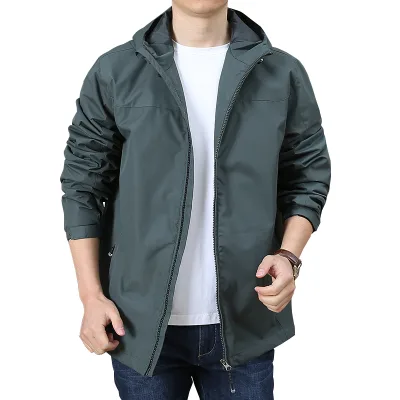
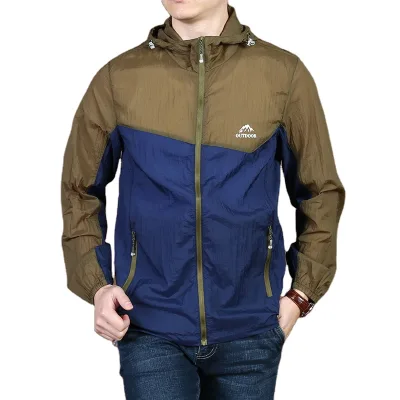


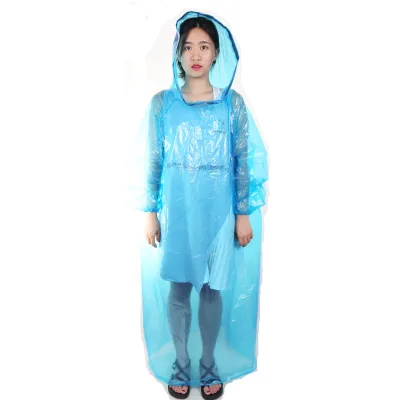


PVC Breathable Coating Safety Rainsuit Waterproof Rainwear Raincoat Rain Coat
$3.50 - $4.30
MOQ: 2000 Pieces

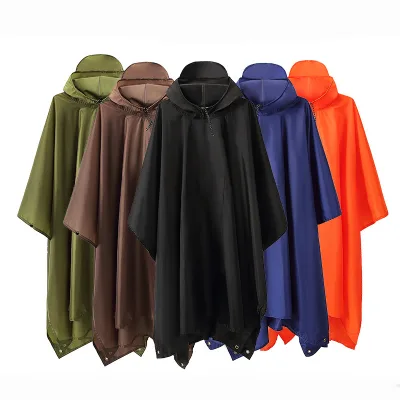


Comprehensive Sourcing Guide
Strategic Sourcing Guide for Foldable Eco-Friendly Lightweight Raincoats
Procuring foldable, eco-friendly, and lightweight raincoats requires a nuanced understanding of the intersection between material science, manufacturing capabilities, and supply chain logistics. The market for these items is diverse, ranging from promotional merchandise to high-performance outdoor gear. Buyers must navigate a landscape where "eco-friendly" is often a marketing term rather than a verified standard, and where "lightweight" can sometimes compromise durability. This guide provides a structured approach to evaluating suppliers and products, ensuring that the final procurement decision aligns with technical requirements and quality expectations without relying on unverified claims.
Material Composition and Functional Performance
The foundation of any raincoat procurement lies in the shell material and its functional properties. In the current market, products are frequently described using terms like "waterproof," "windproof," and "quick-drying." However, the specific material composition dictates the actual performance. Observed product data indicates a prevalence of synthetic materials such as PVC, Polyamide, and Nylon blends. For instance, some listings specify a material composition of 100% Nylon with polyamide and spandex, which suggests a fabric designed for flexibility and stretch, often found in skin jackets or soft shell jackets. Other entries point to PVC, a material known for its robust waterproofing but often heavier and less breathable than modern nylon or polyester alternatives.
When evaluating "eco-friendly" claims, buyers must scrutinize the material source. While some products are marketed as reusable and durable, the environmental impact of PVC is distinct from that of recycled nylon or polyester. A lightweight raincoat that folds into a small package often utilizes a thin, high-density weave. The presence of features like "Seamless Fusing" or standard stitching affects the waterproof integrity. Buyers should verify if the product utilizes a polyamide shell or a nylon blend, as these materials generally offer a better balance of weight and water resistance compared to PVC. The "Feature" attribute often lists "Waterproof/Windproof/Durable/Reusable/Quick Dry," but the buyer must confirm if these attributes apply to the specific model number, such as TY-32 or I1275, as specifications can vary significantly between product lines.
Technical Specifications and Customization Capabilities
Technical specifications are critical for ensuring the raincoat meets the intended use case, whether for riding, walking, or camping. The market offers a wide range of sizes, from standard adult sizing (M) to extended ranges like S-5XL, with some options allowing for customized sizing. The "prod_standard" attribute often references specific measurements, such as 1" or standard sizing charts, but buyers should not assume uniformity across all suppliers. Customization is a major driver in this sector, with options for logo printing, color changes, and design modifications.
Imprint capabilities vary by supplier and product type. Some manufacturers offer silkscreen printing with a specific imprint size of 3"X2", while others utilize direct digital printing for ready-made apparel. The Minimum Order Quantity (MOQ) for customizations is a significant cost factor; for example, an imprint MOQ of 200 pieces may be required for silkscreen, whereas digital printing might have different thresholds. Packaging is another technical specification to consider. Standard export packaging often involves 1 piece per polybag, with bulk cartons containing 200 pieces. However, some suppliers may offer different packing configurations, such as 1 piece per polybag with varying carton counts. Buyers must explicitly confirm the "prod_packing" details to ensure compatibility with their logistics and retail requirements.
Compliance, Certification, and Environmental Claims
The term "eco-friendly" is frequently used in product descriptions, yet it is rarely accompanied by concrete certification data in general listings. While some background knowledge suggests standards like OEKO-TEX, these should not be assumed to be present without verification. Buyers must treat environmental claims as observations that require validation rather than guaranteed facts. The absence of specific certification data in product listings means that the buyer must request proof of compliance from the supplier.
When evaluating suppliers, it is essential to ask for documentation regarding the chemical composition of the materials, particularly for PVC-based products which may contain phthalates or other chemicals of concern. For nylon or polyamide products, buyers should inquire about the source of the fibers, such as whether they are recycled post-consumer or post-industrial waste. The "Feature" list often includes "Durable" and "Reusable," which are positive indicators, but these do not automatically equate to an eco-friendly lifecycle. Buyers should verify if the product meets specific regional standards for textile safety and environmental impact. Without explicit certification data in the product facts, the procurement strategy must include a verification step where the supplier provides third-party test reports or certification documents before a contract is finalized.
Cost Drivers and Minimum Order Quantities
The pricing structure for foldable raincoats is influenced by several variables, including material type, customization level, and order volume. The observed price range in the market spans from $0.05 to $20.00 USD, a wide disparity that reflects differences in quality, brand positioning, and production complexity. Lower-priced items often correspond to basic PVC or simple nylon designs with minimal customization, while higher-priced items may feature advanced fabrics, branded designs, or complex technical features like seamless fusing.
Minimum Order Quantities (MOQs) are a critical cost driver. The observed MOQ range is substantial, spanning from 50 to 20,000 units. Some suppliers set a baseline MOQ of 500 pieces for standard orders, while others may require 2,000 units or more for custom designs. The imprint MOQ is another specific constraint; for example, a silkscreen imprint might require a minimum of 200 pieces, which could be a barrier for small promotional campaigns. Buyers must balance the unit cost against the total order value. A lower unit price might be tempting, but if the MOQ forces a purchase of 5,000 units that exceed storage or sales capacity, the effective cost per sold unit increases. Conversely, suppliers with lower MOQs of 50 or 100 units may charge a premium per piece. The "Samples" lead time of 3-7 days is also a factor in the overall procurement timeline, allowing buyers to test quality before committing to large volumes.
Supplier Evaluation and Geographic Considerations
Geographic origin plays a significant role in supplier evaluation. The majority of the observed products originate from China, with specific provinces like Jiangxi and Fujian being noted as places of origin. These regions have established textile manufacturing hubs, offering a balance of cost efficiency and production capacity. However, the "prod_origin" field alone does not guarantee quality or reliability. Buyers should evaluate suppliers based on their ability to meet specific technical requirements, such as the "prod_model" numbers (e.g., I1275, TY-32, 94580) and their responsiveness to customization requests.
Supplier reliability is often indicated by the consistency of their product attributes. For example, a supplier offering "Standard Export Packaging" and "1 piece/Polybag" packing is likely experienced in international trade. The "Brand Name" field, such as ANSZKTN, indicates that some products are branded, which may imply a higher level of quality control or a specific market positioning. Buyers should verify the supplier's history with similar products, such as "spring and summer windbreakers" or "lightweight foldable raincoats," to ensure they have the necessary expertise. The "Age Group" is consistently listed as "Adult" or "Adults," so buyers should confirm that the supplier does not inadvertently mix adult and children's sizing in their production lines if the order is strictly for adults.
Quality Control and Long-Term Procurement Strategy
Quality control (QC) is paramount when sourcing lightweight raincoats, as the thin materials used for foldability can be prone to tearing or seam failure. Buyers should implement a rigorous QC plan that includes checking the "Closure Type" (e.g., Zipper), "Collar" style (e.g., Stand), and "Pattern Type" (e.g., Solid). The "Thickness" is listed as "Standard," but this is a relative term. Buyers must define what constitutes "Standard" for their specific application, whether it is for casual walking or rigorous outdoor activities like camping.
Long-term procurement considerations involve building a relationship with suppliers who can scale production and maintain consistency. The "Customized Service" attribute, which includes logo printing, size, color, and design, suggests that suppliers are capable of adapting to changing market needs. However, buyers should establish clear communication channels regarding design changes and material substitutions. The "Usage" attributes, such as "For Riding," "For Walking," and "Outdoor," indicate the intended application. A raincoat designed for riding may require different durability standards than one for casual walking. Buyers should ensure that the supplier understands these distinctions and can provide products that meet the specific performance requirements of the target audience.
Comparative Analysis of Product Attributes
To facilitate decision-making, the following table summarizes key attributes observed in the market, highlighting the variations buyers must navigate.
| Attribute Category | Observed Variations | Procurement Consideration |
|---|---|---|
| Material | PVC, 100% Nylon, Polyamide + Spandex | Verify material source for eco-claims; check breathability vs. waterproofing. |
| Size Range | M, S-5XL (Customized) | Confirm size chart accuracy; check if custom sizing is feasible for bulk orders. |
| Imprint Method | Silkscreen, Direct Digital Printing | Check MOQ for imprint (e.g., 200 PCS); verify imprint size limits (e.g., 3"X2"). |
| Packing | 1pc/Polybag, 200PCS/Carton, Standard Export | Confirm carton dimensions and weight for shipping cost calculations. |
| Origin | China (Jiangxi, Fujian) | Assess logistics lead times and potential tariffs based on specific province. |
| MOQ | 50 - 20,000 PCS | Balance unit cost against inventory risk; verify sample availability (3-7 days). |
| Features | Waterproof, Windproof, Quick Dry, Reusable | Validate these claims through sample testing; check for reflective strips or lack thereof. |
Conclusion
Sourcing foldable, eco-friendly, lightweight raincoats requires a methodical approach that prioritizes verification over assumption. The market offers a wide array of options, from basic PVC raincoats to advanced nylon blends, each with distinct cost structures and performance characteristics. Buyers must carefully evaluate material compositions, technical specifications, and supplier capabilities to ensure the final product meets their specific needs. By focusing on concrete attributes such as material type, imprint methods, and packaging standards, and by rigorously checking compliance and certification claims, buyers can mitigate risks and secure a supply chain that delivers quality and value. The key to success lies in detailed due diligence, clear communication with suppliers, and a commitment to verifying all claims against actual product data before making a procurement decision.
FAQs
What materials are used for foldable eco friendly lightweight raincoats?
Common materials include PVC, 100% Nylon, and Polyamide blends with spandex. These synthetic fabrics provide waterproof and windproof protection while maintaining flexibility for folding and quick-drying performance.
Can buyers customize the size and logo on these raincoats?
Yes, customization is available for logo printing, size, color, and design. Buyers can request specific sizes ranging from M to S-5XL, though imprint MOQs may apply for silkscreen methods.
What is the typical minimum order quantity for these raincoats?
The minimum order quantity ranges from 50 to 20,000 units depending on the supplier and customization level. Standard orders often start at 500 pieces, while imprint customization may require a minimum of 200 pieces.
How long does it take to receive samples for these raincoats?
Sample lead times are typically 3 to 7 days. This allows buyers to verify quality and features like waterproofing before committing to larger bulk orders from the manufacturer.
Which countries are the primary sources for these raincoats?
Most products originate from China, specifically provinces like Jiangxi and Fujian. These regions host established textile manufacturing hubs capable of producing both standard and customized outdoor gear.
Are these raincoats suitable for outdoor activities like camping?
Yes, many models are designed for outdoor usage including camping, riding, and walking. They feature durable, reusable, and quick-drying properties suitable for various weather conditions.
What packaging options are available for bulk orders?
Standard packaging usually involves one piece per polybag with 200 pieces per carton. Some suppliers offer standard export packaging to ensure safe transport and compliance with international shipping requirements.