Source Foldable Handle Percussive Massage Gun for Gym, Home, and Park
Explore 26 Foldable Handle Percussive Massage Gun options from verified Chinese manufacturers. Compare brushless and brush motor models with varying working times, charging speeds, and customization availability for home, gym, and community use.
Key considerations
Products List


Upgrade Speed Massage Gun Handheld Percussion Muscle Massage Guns Fascia Gun
$27.06 - $27.65
MOQ: 1000 Sets


Muscle Therapy Massage Gun Machine Vibration Percussion Muscle Fascia Massage Gun
$15.00 - $15.88
MOQ: 1000 Sets

Fitness Massage Gun Vibrating Muscle CE Certification Handheld Massage Gun
$15.00 - $15.88
MOQ: 1000 Sets

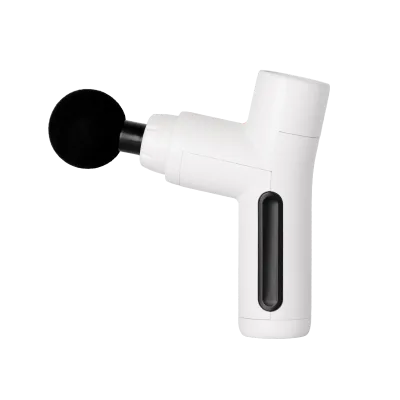


Mini Massage Gun Mini Size Massager Muscle Percussion Portable Handheld Fascial Gun
$10.00 - $12.00
MOQ: 50 Pieces

Cheap Factory Portable Handheld Massager Percussion Muscle Mini Massage Gun
$5.00 - $6.00
MOQ: 100 Pieces


Comprehensive Sourcing Guide
Sourcing Guide for Foldable Handle Percussive Massage Guns
Understanding Core Technical Specifications
When sourcing a Foldable Handle Percussive Massage Gun, buyers must first dissect the technical specifications that define performance and usability. The market offers a variety of models, each with distinct motor types and power delivery systems. A critical distinction lies in the motor technology; some units utilize brushless motors, which generally offer longer lifespans, quieter operation, and higher efficiency compared to traditional brush motors. For instance, specific model configurations in the current supply chain are identified as having brushless motor technology, while others are equipped with standard brush motors. The choice between these directly impacts the device's durability and the consistency of the percussive force delivered to the user.
Power supply and battery performance are equally vital. Most modern units in this category operate on rechargeable electric power supplies, eliminating the need for disposable batteries and ensuring long-term operational viability. Charging specifications vary significantly across different models. Some units are designed with a 5V/2A charging type, requiring approximately three to five hours to reach a full charge. Others may have slightly different charging profiles, such as a five-hour charging time for specific high-capacity variants. Once charged, the working time—the duration the device can operate before requiring a recharge—typically ranges from four to ten hours depending on the model and usage intensity. For example, certain configurations offer a working time of 4-8 hours, while others extend this to 6-10 hours.
Physical dimensions and portability are central to the "foldable handle" aspect of the keyword. The standard dimensions for these devices vary based on the model and whether the handle is folded or unfolded. Observed specifications include dimensions such as 229247105 mm, 29263271 mm, and 26425563 mm. The folded state is a crucial feature for transport, allowing the device to fit into compact carrying cases or color boxes. The material composition is predominantly ABS plastic, which provides a balance of durability and lightweight handling. Color options for these units often include green, blue, silver, pink, red, black, and gray, allowing buyers to select inventory that matches specific aesthetic preferences or target demographics.
Compliance and Certification Verification
In the B2B procurement of electronic health and wellness devices, verifying compliance and certification is non-negotiable. Buyers must ensure that suppliers can provide valid documentation proving adherence to safety and quality standards. One of the most commonly observed certifications in this sector is the CE mark, which indicates conformity with health, safety, and environmental protection standards for products sold within the European Economic Area. The presence of a CE certification on a product listing is a strong indicator that the manufacturer has undergone necessary testing procedures. However, buyers should not assume that every listed product automatically possesses this certification; it must be explicitly verified for each specific model and batch.
Beyond specific product certifications, buyers should be aware of broader management system standards that reflect a supplier's operational maturity. While some background information may reference standards like ISO 27001, which pertains to information security management, the primary focus for hardware procurement should remain on product safety and electrical compliance. The origin of the product is also a key factor in compliance. Many of these devices originate from manufacturing hubs in China, specifically from locations such as Shenzhen and Yongkang. Shenzhen is known for its advanced electronics manufacturing capabilities, while Yongkang has a strong reputation for hardware and tool production. Understanding the origin helps buyers assess the supply chain's reliability and the likelihood of meeting international safety standards.
Buyers must also consider the electrical safety requirements related to the rated voltage. For example, specific models are rated at 7.4V, which is a common voltage for lithium-ion battery packs used in portable devices. Ensuring that the voltage ratings align with the intended market's electrical standards is essential to prevent safety hazards. Additionally, the USB charging interface is a standard feature in many of these units, offering versatility in charging options. The packaging, often described as a carry case with a color box or a plastic box, should also be evaluated for its ability to protect the device during transit and its compliance with local packaging regulations.
Cost Drivers and Pricing Dynamics
The pricing of foldable handle percussive massage guns is influenced by a complex interplay of factors, including motor technology, battery capacity, and packaging complexity. The observed price range in the market spans from approximately $4.80 to $3,000 USD. This wide variance indicates a segmented market catering to both budget-conscious buyers and those seeking premium, high-performance units. The lower end of the spectrum likely corresponds to models with brush motors, smaller batteries, and simpler packaging, while the higher end may reflect advanced brushless motor technology, extended working times, and premium build materials.
Minimum Order Quantity (MOQ) is another significant cost driver. The observed MOQ range for these products is between 1 and 1000 units. Suppliers with lower MOQs, such as 1 unit, are often more flexible for small businesses or testing purposes but may charge a higher unit price due to the lack of economies of scale. Conversely, suppliers requiring an MOQ of 1000 units typically offer lower per-unit costs, making them suitable for large-scale retail distribution. Buyers must balance their inventory needs with their budget constraints to determine the optimal MOQ.
Customization availability is a critical factor that can influence the final cost. Many suppliers offer customization options, allowing buyers to modify colors, branding, or even specific technical features. While customization adds value and brand differentiation, it often incurs additional costs, particularly if the order volume does not meet the threshold for standard production runs. The packaging type also plays a role in cost; units shipped in a carry case with a color box may be priced differently than those in a simple plastic box. Furthermore, the quantity per carton (Qty/CTN), which can be as high as 12 pieces for certain models, affects shipping costs and logistics planning. Buyers should calculate the total landed cost, including shipping, duties, and handling, rather than focusing solely on the unit price.
Typical Applications and Target Demographics
Foldable handle percussive massage guns are versatile tools designed for a wide range of applications and user demographics. The primary target audience is adults, as indicated by the age group specifications for these devices. They are marketed as unisex products, suitable for both men and women, which broadens the potential customer base significantly. The intended usage environments are diverse, including home settings, gymnasiums, parks, and community centers. This versatility makes them ideal for personal use, professional athletic training, and community wellness programs.
The specific massage points targeted by these devices include the head, neck, shoulder, and arm. This focus on key muscle groups aligns with the common needs of individuals seeking relief from tension, muscle soreness, or stiffness. The ability to target the neck and shoulders is particularly valuable for office workers and athletes who experience strain in these areas. The foldable handle design enhances usability in these varied settings, allowing users to easily transport the device from a gym bag to a park bench or store it compactly at home.
The appliance classification for these devices often includes "Home" and "Gymnasium," reinforcing their dual role as personal wellness tools and professional recovery equipment. For commercial buyers, such as gym owners or community center managers, the durability and working time of the device are crucial. Models with a working time of 6-10 hours can support extended use throughout the day without frequent recharging, making them suitable for high-traffic environments. The color options, ranging from neutral tones like silver and gray to vibrant hues like pink and green, allow buyers to select units that match the aesthetic of their facility or brand identity.
Supplier Evaluation and Selection Criteria
Selecting the right supplier is a critical step in the procurement process. Buyers should prioritize suppliers who demonstrate transparency in their product specifications and provide clear evidence of their manufacturing capabilities. The origin of the product, whether from Shenzhen or Yongkang, can serve as an initial indicator of the supplier's specialization. Shenzhen-based suppliers often have a stronger focus on electronic components and advanced motor technology, while Yongkang-based suppliers may excel in mechanical design and durability.
Buyers should verify the supplier's ability to handle small orders, as many listings indicate that small orders are accepted. This flexibility is beneficial for buyers who are testing the market or have limited initial capital. However, it is essential to confirm the specific terms and conditions associated with small orders, including potential price premiums or longer lead times. The supplier's response to customization requests is another key evaluation metric. Suppliers that offer customization for color, branding, and packaging can provide greater value to buyers looking to differentiate their products in a competitive market.
Quality control processes should be a central part of the supplier evaluation. Buyers should inquire about the supplier's internal testing procedures and their track record for maintaining consistent quality across batches. The presence of certifications like CE is a positive signal, but buyers should also ask for test reports and quality assurance documentation. Additionally, the supplier's logistics capabilities, including packaging standards and shipping reliability, should be assessed. The packaging, whether it is a carry case with a color box or a plastic box, should be robust enough to prevent damage during transit.
Quality Control and Long-Term Procurement Considerations
Implementing a robust quality control (QC) strategy is essential for ensuring the long-term success of a procurement campaign. Buyers should establish clear acceptance criteria based on the technical specifications observed in the market. This includes verifying the motor type (brushless vs. brush), charging time, working time, and physical dimensions. Random sampling and functional testing should be conducted upon receipt of goods to ensure that the devices meet the agreed-upon standards. Special attention should be paid to the battery performance, as this is a critical component that affects the device's usability and safety.
Long-term procurement considerations involve building a sustainable relationship with suppliers. Buyers should look for suppliers who are committed to continuous improvement and can adapt to changing market demands. The availability of spare parts and after-sales support is crucial for maintaining the inventory's value over time. Suppliers who offer warranty services and technical support can help mitigate the risks associated with product failures. Furthermore, buyers should monitor the supply chain for potential disruptions, such as raw material shortages or logistical delays, and develop contingency plans accordingly.
The evolution of technology in the percussive massage gun market means that buyers must stay informed about emerging trends and innovations. As manufacturers introduce new motor technologies and battery solutions, the performance and efficiency of these devices will continue to improve. Buyers should remain flexible in their specifications to accommodate these advancements. Additionally, the environmental impact of the products should be considered, with a focus on sustainable materials and energy-efficient designs. By prioritizing quality control and long-term planning, buyers can ensure a steady supply of high-quality foldable handle percussive massage guns that meet the needs of their customers.
Comparative Analysis of Key Models
To facilitate informed decision-making, the following table compares key attributes of the observed models. This comparison highlights the variations in specifications that buyers should consider when selecting the right product for their needs.
| Feature | Model ZM-112 | Model ZM-116 | Model ZM-113 | Model ZM-110 | Model ZM-108 | Model HS-MC-003 | Model AH8240 | Model C608 |
|---|---|---|---|---|---|---|---|---|
| Motor Type | Brushless | Brushless | N/A | Brush | N/A | N/A | N/A | N/A |
| Charging Time | 4 Hours | 5 Hours | N/A | 3 Hours | N/A | N/A | N/A | N/A |
| Working Time | 4-8 Hours | 6-10 Hours | N/A | 4-6 Hours | N/A | N/A | N/A | N/A |
| Dimensions (mm) | 229247105 | 29263271 | 229247105 | N/A | 26425563 | 17570235 | N/A | N/A |
| Origin | Shenzhen | N/A | N/A | N/A | N/A | Yongkang | China | N/A |
| Certification | N/A | N/A | N/A | N/A | N/A | N/A | N/A | CE |
| Material | ABS | N/A | N/A | N/A | N/A | N/A | N/A | N/A |
| Packaging | Carry Case | N/A | N/A | N/A | N/A | Plastic Box | N/A | N/A |
This table illustrates the diversity in the market, with significant differences in motor technology, battery life, and physical dimensions. Buyers should use this data to align their procurement choices with their specific operational requirements and customer expectations.
FAQs
What motor types are available for foldable handle percussive massage guns?
Both brushless and brush motors are available for these devices. Brushless motors offer longer lifespans and quieter operation, while brush motors are also common in specific models like the ZM-110 configuration.
How long does it take to charge a rechargeable massage gun?
Charging times typically range from three to five hours depending on the model. Some units require three hours, while others with higher capacity batteries may need up to five hours to reach a full charge.
What is the working time for these rechargeable electric devices?
Working time varies between four and ten hours based on the specific model selected. Certain configurations provide four to eight hours of operation, while others extend usage to six to ten hours on a single charge.
Can buyers customize the color and packaging of these massage guns?
Yes, customization is available for colors and packaging options. Buyers can choose from green, blue, silver, pink, red, black, or gray, and select between carry cases with color boxes or simple plastic boxes.
Which certifications are verified for these electronic wellness devices?
CE certification is a commonly observed standard for these products. This indicates conformity with health, safety, and environmental protection standards, though buyers must verify this explicitly for each specific model and batch.
What are the typical dimensions for a foldable handle massage gun?
Dimensions vary by model, with common sizes including 229*247*105 mm and 292*63*271 mm. These measurements reflect the device in either folded or unfolded states to ensure portability and compact storage.