Source Foldable Modern Vacuum Cleaner Holder for Home
Source a foldable modern vacuum cleaner holder for home organization and office cleaning. Compare 30 options featuring carbon steel construction, powder-coated finishes, and detachable designs to find the ideal storage solution for your needs; compare the available evidence and request quotations based on your requirements.
Key considerations
Products List
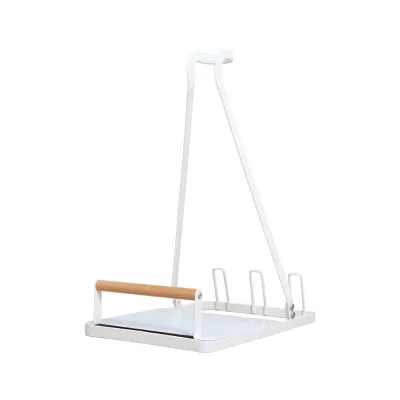
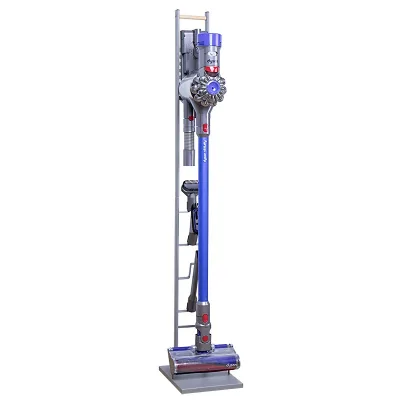


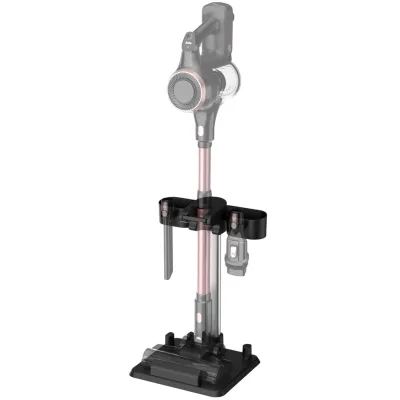
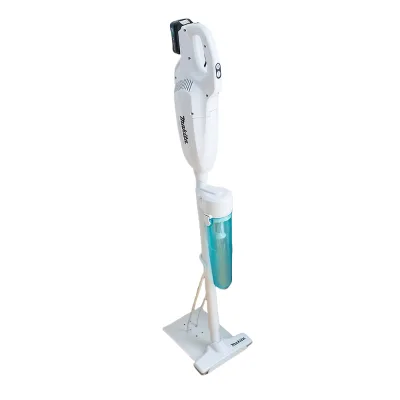







Comprehensive Sourcing Guide
Foldable Modern Vacuum Cleaner Holder Sourcing Guide
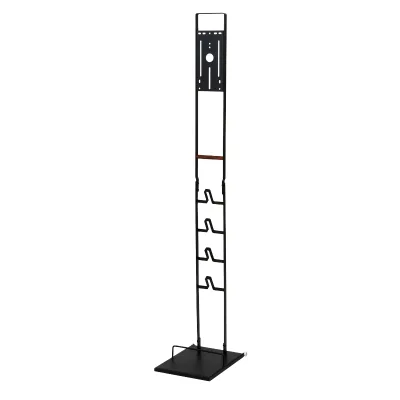
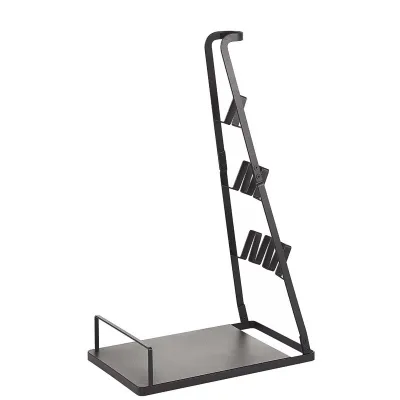
Procurement teams must first distinguish between fixed and foldable rack designs, as the supplied data reveals a mix of non-folding and detachable units rather than a uniform foldable category. While the core keyword suggests collapsibility, observed listings include rigid carbon steel structures with single-tier configurations and floor-type installations that do not fold. Buyers should verify the specific mechanical design of each SKU, noting that some models are classified strictly as non-folding racks with fixed dimensions, while others offer detachable features for easier storage or transport.
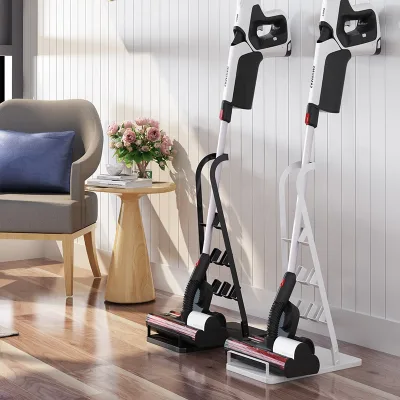
The market signals indicate a diverse range of applications, from living room organization to behind-door wall mounting, requiring careful alignment with the intended installation environment. Although the keyword emphasizes modern aesthetics, the observed product attributes show a split between cream-colored floor stands and white or gray wall-mounted options. Sourcing strategies must account for these distinct form factors, ensuring that the selected holder matches the specific spatial constraints and usage patterns of the target customer base, whether for home, office, or vehicle cleaning scenarios.
Product Scope and Observed Listing Signals
Buyers should analyze the observed price range of 0.12 to 125 USD to understand the significant variance in product complexity and material quality within this category. This wide spread suggests that entry-level units may be simple metal brackets, while higher-priced items likely include advanced features such as integrated filtration or specialized mounting hardware. Procurement teams must correlate price points with specific model numbers and material specifications to avoid overpaying for basic components or underestimating the cost of premium, multifunctional designs.
The minimum order quantity (MOQ) data presents a critical commercial constraint, with observed ranges spanning from 2 to 5000 pieces and specific listings citing 600 pieces as a baseline. This variability requires buyers to negotiate flexible terms based on their inventory needs, as some suppliers may enforce high volume thresholds for custom or branded items. Understanding these thresholds is essential for cash flow planning, particularly when sourcing mixed SKUs where one model might have a low MOQ while another requires bulk purchasing to meet supplier requirements.
Technical Specifications to Verify
Dimensional accuracy is paramount for integration, with observed tolerances specified as less than ±1mm for item size and ±5% for weight. Buyers must verify that the physical dimensions of the holder, such as the 200 x 330 x 400 mm or 230 x 290 x 1350 mm variants, align precisely with the vacuum cleaner models they intend to support. Relying on nominal sizes without confirming actual tolerances can lead to fitment issues, especially for wall-mounted units where clearance is limited or floor-standing racks where stability depends on precise weight distribution.
Material composition and surface treatment directly influence durability and aesthetic longevity, with carbon steel and powder coating identified as key attributes. Procurement teams should confirm that the powder-coated finish is applied uniformly to prevent rust and chipping, particularly for units intended for high-traffic areas like living rooms or garages. Additionally, verifying the net weight versus gross weight ratios helps in calculating accurate shipping costs and ensuring the final product meets the structural integrity expectations for holding heavy cordless vacuum units.
Compliance and Safety Documentation
Safety certifications are a non-negotiable requirement for electrical accessories, with RoHS, EMC, CE, and CB listed as observed compliance markers for certain models. Buyers must request valid test reports for these specific certifications to ensure the product meets international safety standards for electromagnetic compatibility and hazardous substance restrictions. Without verified documentation, importing these items into regulated markets can result in customs seizures or liability issues, especially when the product is marketed for use with electrical appliances like cordless vacuums.
Filtration and power specifications also necessitate documentation, particularly for units claiming HEPA filtration or specific suction power ratings like 15 Kpa. While the holder itself is a passive storage device, its association with active cleaning tools requires that the entire system, including any integrated charging or storage features, adheres to relevant electrical safety norms. Procurement teams should ensure that the supplier provides clear labeling and documentation regarding the power source compatibility and noise levels, which are critical for consumer safety and satisfaction in residential environments.
Cost Drivers and Commercial Terms
Material costs and manufacturing processes are primary drivers of the final unit price, with carbon steel and powder coating representing significant value components. Buyers should evaluate whether the quoted price includes the cost of the specialized surface treatment and the precision engineering required for the <±1mm dimensional tolerance. Understanding these cost drivers allows for more effective negotiation, as suppliers may offer discounts for larger volumes or simplified designs that reduce the complexity of the powder coating application.
Packaging and logistics represent another substantial cost factor, with observed single package sizes varying significantly from 43.5 cm to 73.3 cm in length. The weight of the units, ranging from 6.91 kg to 14.65 kg net, directly impacts freight charges and requires careful calculation of container utilization. Procurement strategies should focus on optimizing the packaging design to minimize void space while protecting the product, ensuring that the shipping cost per unit remains competitive without compromising the integrity of the white box with color label packaging.
Supplier Qualification and Quality Control
Supplier location and production capability are critical, with Guangdong, China identified as a primary origin for these metal storage solutions. Buyers should verify the supplier's capacity to maintain consistent quality across large batches, given the observed MOQ of 600 pieces for some models. Establishing a relationship with a manufacturer capable of handling both standard and customized orders ensures a steady supply chain and reduces the risk of production delays or quality inconsistencies.
Quality control protocols must be rigorous, focusing on the weight tolerance of <±5% and the structural stability of the non-folding or detachable racks. Buyers should implement pre-shipment inspections to verify that the product matches the specified model number and that the surface treatment is free from defects. Regular audits of the supplier's production line can help ensure that the carbon steel material and powder coating processes remain consistent, preventing issues like uneven finishes or structural weaknesses that could lead to product failure.
Long-Term Procurement Checks
Sustainability and customization options are key factors for long-term partnership viability, with customization noted as an available attribute for certain models. Buyers should assess the supplier's ability to adapt designs for specific branding or functional requirements, such as adding custom color labels or modifying the number of tiers. This flexibility is essential for maintaining a competitive edge in the market, allowing for product differentiation without the need to switch suppliers as market demands evolve.
Continuous monitoring of performance metrics, such as the functional design and applicable space compatibility, ensures the product remains relevant over time. Procurement teams should track customer feedback regarding the ease of installation and the durability of the storage solution in various environments, from living rooms to behind doors. By maintaining a feedback loop with the supplier, buyers can proactively address any quality issues and ensure that the product continues to meet the evolving needs of the cleaning appliance market.
FAQs
What is the material used for the vacuum cleaner holder?
The vacuum cleaner holder is constructed from carbon steel to ensure durability and stability. This material supports the modern design while providing a robust structure for storing vacuum cleaners and their accessories in living rooms or offices.
Can the product be customized for specific branding needs?
Yes, customization is available for this metal storage vacuum cleaner holder. Buyers can request specific modifications to meet their unique requirements while maintaining the high-quality powder-coated finish and modern style observed in the standard product specifications.
Which certifications does the product hold for safety compliance?
The product holds RoHS, EMC, CE, and CB certifications to ensure safety and compliance. These credentials verify that the vacuum cleaner stand meets international standards for electrical safety and environmental protection when used for organizing cordless vacuum cleaners.
How much is the minimum order quantity for this item?
The minimum order quantity is 600 pieces for this specific model. Buyers must meet this threshold to proceed with the order, as the supplier sets this limit to ensure efficient production and logistics for the metal storage racks.
What is the single package size for the vacuum cleaner stand?
The single package size varies by model, with one version measuring 43.5 by 28.58 by 45.09 cm. Another variant has a package size of 73.34 by 37.78 by 26.67 cm, depending on the specific dimensions and packaging configuration selected.
Where is the product manufactured and what is the origin?
The product originates from Guangdong, China, where it is manufactured by the supplier. This location ensures access to established supply chains for carbon steel components and efficient logistics for shipping the vacuum cleaner organizers to international buyers.