Source Quick Detachable Tactical Scope Mount for Hunting, Shooting, and Tactical Use
Source a Quick Detachable Tactical Scope Mount from 30 available options. Compare features like 30mm tube compatibility, aluminum alloy construction, and anodic oxidation finishes. Evaluate center heights and durability for hunting, shooting, and tactical outdoor applications; compare the available evidence and request quotations based on your requirements.
Key considerations
Products List
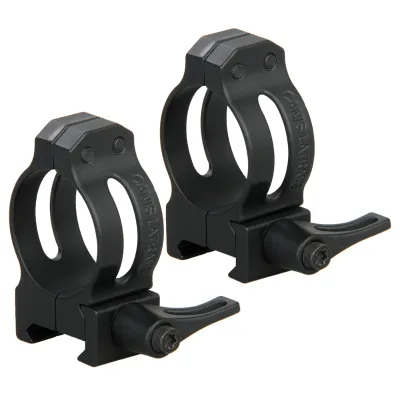
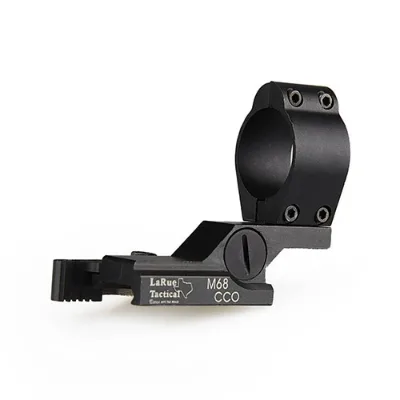
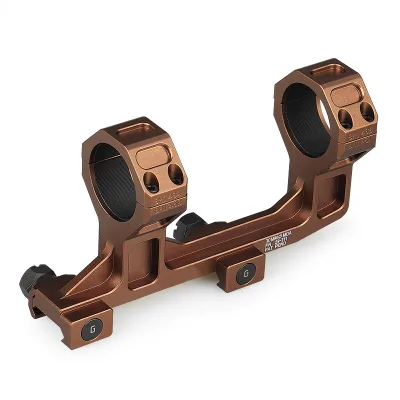
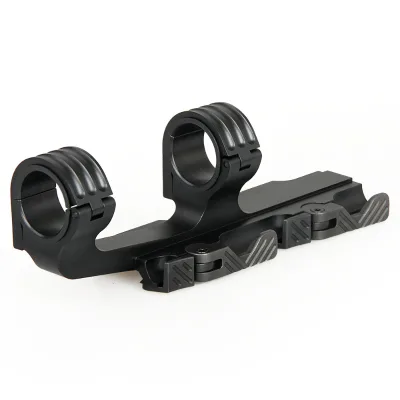

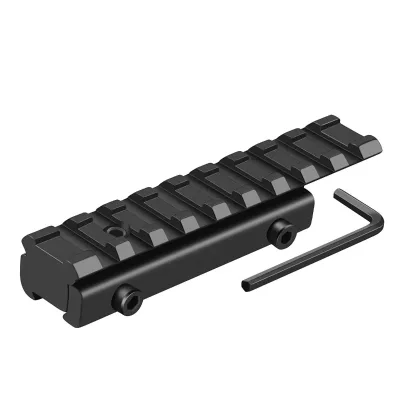
Quick Detach Adjustable Scope Mount Z Shape Adjusting Tactical Adaptor Bracket
$13.00 - $18.00
MOQ: 1 Pieces


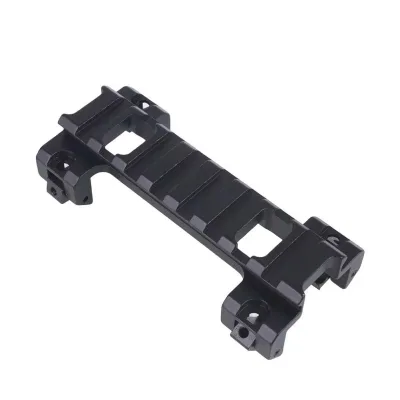
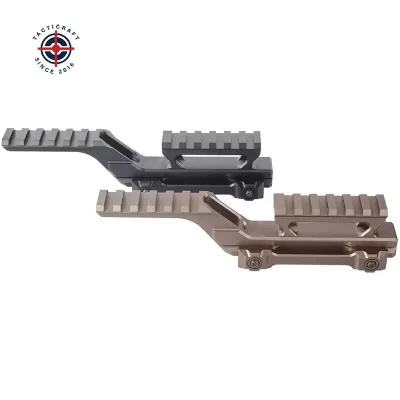
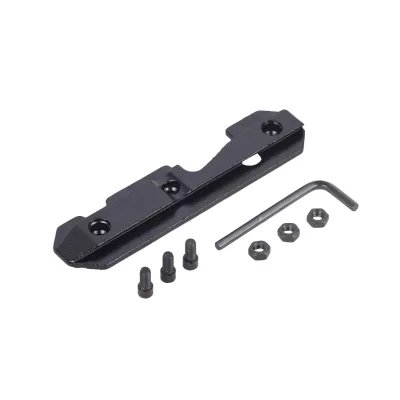
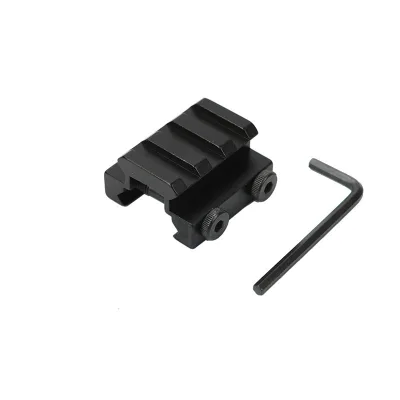
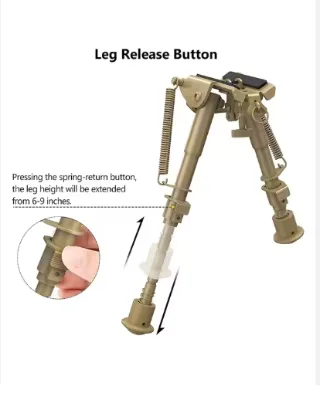
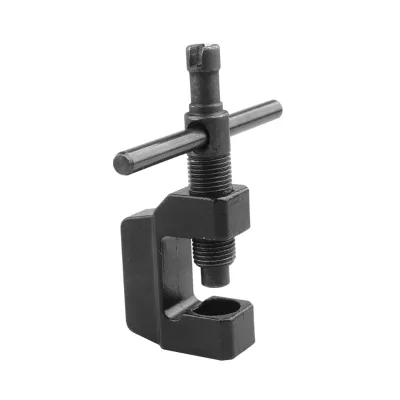

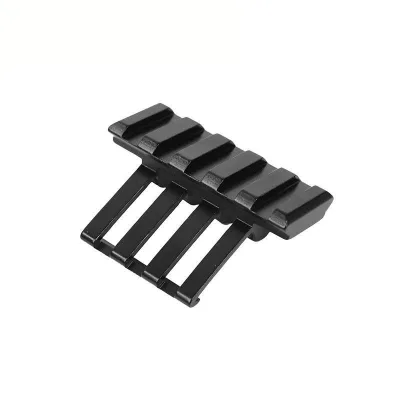
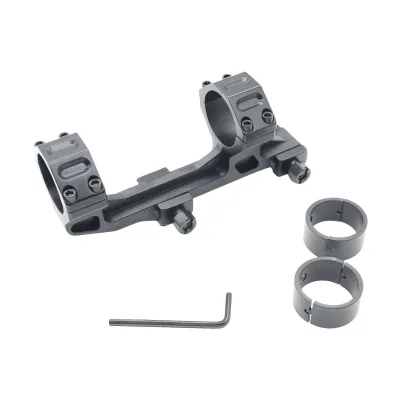
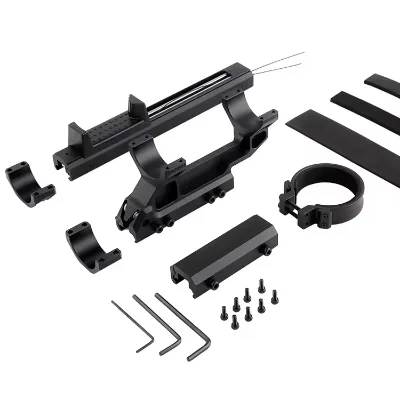
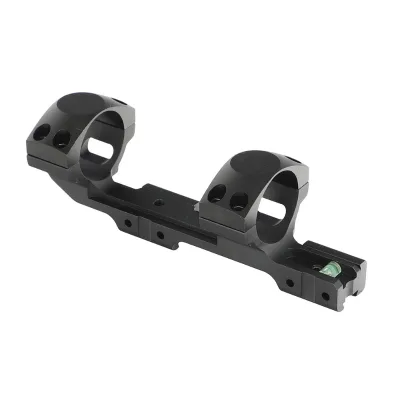
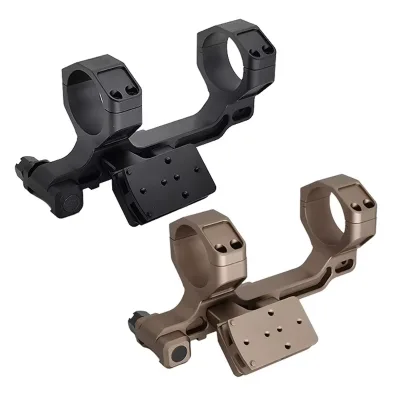
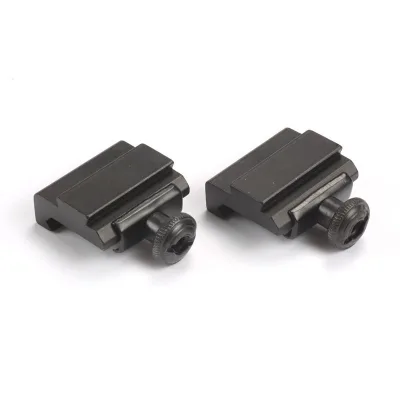
Comprehensive Sourcing Guide
Quick Detachable Tactical Scope Mount Sourcing Guide
Procurement teams must first distinguish between fixed and quick-release mechanisms when evaluating tactical scope mounts, as the supplied data highlights specific "Quick Release" features alongside durable construction. The observed product range includes models designed for 30mm tube diameters, with center heights varying significantly from 24.5mm to 45mm to accommodate different optic profiles. Buyers should verify that the specific model number, such as HK24-0183 or HK24-0243, aligns with their required mounting height and tube compatibility before initiating any order.
The market signals indicate a diverse material landscape, ranging from 304 cast steel to various aluminum alloys like 6061 and 6063, each offering distinct trade-offs between weight and impact resistance. While some listings specify an "Impact" rating of 800-1000G, others emphasize "High Pressure" tolerance or "Anodic Oxidation" finishes for corrosion resistance. Sourcing decisions should prioritize the specific alloy and finish required for the intended operational environment, whether it is heavy recoil hunting or precision tactical shooting, rather than assuming all listed units share identical performance characteristics.
Product Scope and Observed Listing Signals
The available inventory spans multiple product names, including "Scope Mount Rings," "Tactical Scope Ring," and generic "30mm Scope mount" entries, reflecting a broad scope of tactical accessories. Listings explicitly mention applications for hunting, shooting, and tactical outdoor usage, with some units also categorized under hunting lights. Buyers must carefully cross-reference the "Fit for" specifications, such as the 21.2mm measurement noted in one dataset, against their specific firearm rail systems to ensure mechanical compatibility.
Observed listing signals reveal a wide variance in packaging and physical dimensions, with single package sizes ranging from 15x15x10 cm to 20x11x5.5 cm. The "Selling Units" are typically listed as single items, yet some data points suggest bulk packaging options like "1000" units, indicating potential for volume procurement. Procurement teams should scrutinize the "Single gross weight" figures, which vary from 0.150 kg to 0.500 kg, to accurately calculate shipping costs and ensure the selected mount does not add excessive weight to the weapon system.
Technical Specifications to Verify
Technical verification must begin with the tube diameter, as the supplied facts consistently reference 30mm tubes, which is a critical standard for many tactical optics. Buyers need to confirm the center height specifications, noting the observed range from 24.5mm to 45mm, to ensure proper eye relief and cheek weld for their specific shooting stance. The "Width" and "Length" dimensions, such as the 135mm length and 44mm width observed in certain models, must be measured against the available space on the firearm's rail to prevent interference with other accessories.
Material composition is another critical verification point, with listings citing 304 cast steel, 6061 aluminum, and 6063 aluminum. Each material offers different structural properties; for instance, cast steel provides high hardness and durability, while aluminum alloys offer a lighter weight profile. Procurement teams should request material certification or mill test reports to validate the alloy grade, ensuring the mount can withstand the recoil forces associated with the specific caliber of firearm it will be mounted on.
Compliance and Safety Documentation
While the supplied data does not explicitly list third-party certifications, buyers must demand documentation proving that the "High Pressure" and "Impact" ratings meet industry safety standards for tactical equipment. The "Tactical Version" and "Hard" firmness attributes suggest a design intent for rigorous use, but without verified test data, these claims remain unconfirmed observations. Sourcing teams should require proof of impact testing results, particularly for models claiming an 800-1000G impact resistance, to ensure the mount will not fail under recoil stress.
Safety documentation should also address the chemical treatments applied to the products, such as the "Anodic Oxidation" feature noted in the listings. Buyers need to verify that the finishing processes comply with environmental and safety regulations regarding heavy metals and hazardous substances, especially if the equipment is intended for export to markets with strict chemical restrictions. Ensuring that the "Color" and finish processes do not introduce toxic residues is essential for both operator safety and regulatory compliance in international trade.
Cost Drivers and Commercial Terms
Cost drivers in this category are heavily influenced by the choice of material and the complexity of the quick-release mechanism. The transition from standard aluminum alloys to 304 cast steel or specialized heat-treated alloys will significantly alter the unit price, as will the precision engineering required for the "Quick Release" functionality. Buyers should analyze the "Single gross weight" and "Single package size" to understand how logistics costs will scale, as heavier or bulkier items like the 0.500 kg units will incur higher shipping fees.
Commercial terms must account for the observed MOQ range of 1 to 300 units, which offers flexibility for both small-scale testing and large-scale deployment. The "Selling Units" being listed as single items suggests that pricing may be tiered based on volume, requiring negotiation to secure favorable rates for bulk orders. Procurement teams should clarify whether the "Packaging" quantity of 1000 refers to a master carton or a specific batch size to avoid confusion during the invoicing and delivery process.
Supplier Qualification and Quality Control
Supplier qualification should focus on verifying the "Place of Origin" as Guangdong, China, a region known for manufacturing precision metal components. Buyers must assess the supplier's capacity to maintain consistency across different model numbers, such as HK24-0183 and HK24-0243, ensuring that the "Brand Name" or OEM status does not compromise quality control standards. It is essential to confirm that the supplier has a robust quality assurance process to handle the "Universal" applicability claims without sacrificing fitment precision.
Quality control protocols must include rigorous inspection of the "Firmness" and "Hardness" attributes to ensure the mounts meet the "Tactical Version" requirements. Buyers should implement a sampling plan that tests the "Quick Release" mechanism for repeatability and the "Anodic Oxidation" finish for adhesion and corrosion resistance. Establishing clear acceptance criteria for the "Center height" and "Tube Diameter" tolerances is vital to prevent field failures caused by manufacturing variances in the aluminum or steel components.
Long-Term Procurement Checks
Long-term procurement strategies should prioritize the durability of the "Quick Release" mechanism, as repeated mounting and dismounting can lead to wear and tear. Buyers need to establish a feedback loop with end-users to monitor the performance of the "Scope Mount" under real-world conditions, specifically looking for signs of loosening or deformation after extended use. Regular audits of the supplier's production lines can help ensure that the "Material" specifications remain consistent over time, preventing drift in quality that could affect operational safety.
Sourcing teams should also monitor the supply chain for the availability of replacement parts or compatible accessories, given the "Universal" application claims. As tactical gear evolves, the ability to source compatible "Hunting Scope Mount" variants or updated models with improved impact resistance will be crucial. Maintaining a relationship with a supplier who can provide consistent "Single package size" and weight data will facilitate better inventory management and reduce the risk of supply disruptions in the future.
FAQs
How does a Quick Detachable Tactical Scope Mount work?
A Quick Detachable Tactical Scope Mount uses a lever or tension mechanism that clamps the mount onto the rail, letting you remove and reattach the scope without tools. Proper tension should be set so the lever locks firmly and returns to zero consistently. Check the fit on a 21.2mm rail or 30mm tube before purchase.
What materials are commonly used for tactical scope rings?
Listed products use materials such as 304 cast steel, 6063 aluminum, and Aluminium 6061, often finished with anodic oxidation for surface durability. Steel offers high strength for heavy recoil, while aluminum alloys reduce weight for outdoor and hunting use. Choose based on whether you prioritize rigidity or lighter carry weight in the field.
Which tube diameter and center height should I choose for my scope?
Match the ring's tube diameter to your scope, for example 30mm models listed here, and check the center height such as 24.5mm or 45mm to clear the barrel and objective bell. Measure your scope tube and objective diameter first. The correct combination keeps the scope aligned and prevents contact with the rail or barrel.
Can a quick release scope mount hold zero after repeated removal?
A well-made quick release mount is designed to return to the same position when the same rail and torque are used. Listed tactical versions highlight durable construction and quick release features, and some specify impact resistance of 800 to 1000G. Always verify repeatability with your own rifle, since rail fit and lever tension affect results.
What is the typical packaging and weight for these scope mounts?
Listed items are sold as single units with single gross weights around 0.150 to 0.500 kg depending on the model, and one packaging configuration references a quantity of 1000. Package sizes range roughly from 15X15X10 cm to 20X11X5.5 cm. Confirm packaging details with the supplier before ordering, especially for bulk shipments.
How do I install a tactical scope ring on a 21.2mm rail?
Loosen the clamp or lever, seat the mount base onto the 21.2mm rail, then tighten evenly or lock the quick release lever until firm. Avoid over-tightening, which can deform the rail or damage the anodized finish. Position the rings so the scope sits level with correct eye relief before final torque.
Which applications suit these quick detachable scope mounts?
These mounts are marketed for hunting, shooting, tactical hunting usage, and general outdoor sports, with universal applicability for people. Quick release benefits hunters who swap optics or use iron sight backups. For demanding recoil or hard field conditions, prefer the tactical version models with durable materials such as cast steel or 6061 aluminum.
What should I check before ordering scope mounts in bulk?
Confirm the model number, material, tube diameter, center height, color, and rail fit such as 21.2mm against your requirements. Ask about packaging, single gross weight, and unit selling configuration for logistics planning. Request samples to verify quick release function and finish quality, and clarify minimum order quantities and lead times with suppliers.