Source Go-kart Models for Racing, Games, and Transport
Compare 30 Go-kart listings featuring electric and gas engines with varying speeds and customizations. Buyers can evaluate specifications like transmission types, tire sizes, and certifications from suppliers in China to find suitable options for racing, recreational games, or industrial transport.
Key considerations
Products List


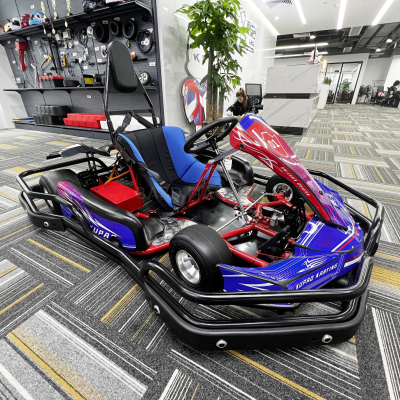
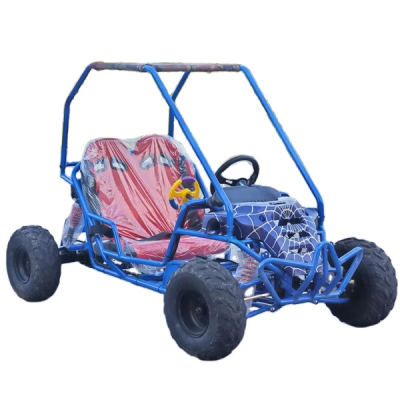
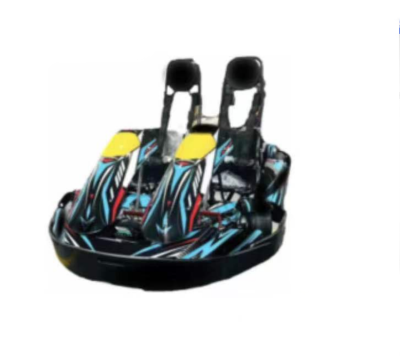
Petrol 4 Wheel Go Karts Water Cooled 4 Stroke Go Karts Shaft Drive Go Karts
$1280.00 - $1680.00
MOQ: 1 Pieces










Comprehensive Sourcing Guide
Go-kart Sourcing Guide
Procuring go karts requires a clear distinction between recreational utility vehicles and specialized racing components, as the market offers diverse configurations. Buyers must first define whether the need is for a complete, ready-to-run vehicle or specific aftermarket parts for assembly and maintenance. The observed product landscape includes electric and internal combustion options, with power sources ranging from high-displacement engines to dual-motor electric systems. Understanding this fundamental split is critical for aligning supplier capabilities with operational goals, ensuring that the selected equipment meets the intended performance and usage requirements.
The sourcing strategy must also account for the wide variance in product specifications, from compact karting parts to full-sized buggies. Listings indicate models with varying wheel sizes, tire dimensions, and transmission types, including shaft and automatic drives. Buyers should prioritize suppliers who provide detailed technical documentation for their specific models, such as the MC-442 or MC-455, to ensure compatibility with existing fleet management or racing infrastructure. This initial segmentation prevents misalignment between buyer expectations and supplier offerings, streamlining the evaluation process and reducing the risk of procurement errors.
Product Scope and Observed Listing Signals
The current market signals reveal a broad spectrum of Go-kart products, including complete vehicles and individual machining parts. Observed listings feature items with certifications such as EEC and CE, indicating compliance with specific regional standards for road or track use. Some products are marketed with customization options, allowing buyers to tailor features like color, branding, or specific mechanical configurations. This flexibility is particularly valuable for commercial operators or racing teams seeking branded fleets or specialized performance enhancements, necessitating a thorough review of each supplier’s customization capabilities.
Weight and dimension data provide critical insights into the intended application of each product. For instance, certain models weigh approximately 280 kg, suggesting robust construction suitable for off-road or heavy-duty use, while others are lighter, potentially designed for indoor or recreational tracks. Tire specifications, such as 25X8-12 or 25X10-12, further differentiate the products, with wider tires often indicating better traction for varied terrains. Buyers should carefully match these physical attributes to their operational environment, ensuring that the selected karts can handle the expected load, terrain, and usage intensity without premature wear or failure.
Technical Specifications to Verify
Verifying engine and powertrain specifications is paramount when sourcing go karts, as these components dictate performance and maintenance needs. Listings show a mix of 4-stroke single-cylinder engines with displacements over 400cc and electric models with specified motor capacities, such as 350W*2. Buyers must confirm the exact engine type, fuel requirements, and electric battery specifications, including voltage and amp-hour ratings, to ensure compatibility with available fueling or charging infrastructure. Additionally, transmission types, whether shaft or automatic, should be validated against the desired driving experience and ease of operation for the target user base.
Structural and dimensional specifications also require close scrutiny to ensure fit and functionality. Standard dimensions like 3,000mm x 1,680mm x 880mm provide a baseline for space planning in storage and racing facilities. Wheel hub materials, such as aluminum, and wheel specifications like 25*10-12, influence durability and handling characteristics. Buyers should request detailed technical drawings or CAD files for critical components, especially when sourcing custom parts or machining services with tight tolerances, such as 0.01mm for steel alloy parts. This verification step ensures that all components integrate seamlessly and meet the rigorous demands of high-performance racing or commercial use.
Compliance and Safety Documentation
Compliance with regional safety and environmental standards is non-negotiable for Go-kart procurement, particularly for road-legal or commercial applications. Certifications such as CE and EEC are frequently cited, indicating adherence to European safety directives, while other listings mention ISO and RoHS standards for manufacturing quality and material safety. Buyers must verify the validity and scope of these certifications, ensuring they cover the specific model and configuration being purchased. This due diligence protects against regulatory penalties and ensures that the karts meet the necessary safety benchmarks for their intended market.
Documentation related to machinery tests and warranty terms further supports compliance and risk management. Some suppliers provide machinery test reports, offering independent verification of performance and safety metrics. Warranty periods, ranging from six months to one year, should be clearly defined in the contract, covering critical components like the engine, battery, and transmission. Buyers should also inquire about the availability of spare parts and technical support, as these factors significantly impact long-term operational reliability and total cost of ownership. Clear documentation ensures transparency and provides a basis for resolving any post-purchase issues.
Cost Drivers and Commercial Terms
Cost structures for go karts are influenced by a variety of factors, including engine type, material quality, and customization requirements. Complete vehicles with high-displacement engines or advanced electric systems typically command higher prices than basic models or individual parts. Customization options, such as specific colors or branded components, may incur additional fees, impacting the overall budget. Buyers should request detailed quotations that break down costs for the base unit, customization, shipping, and any applicable taxes or duties, ensuring a transparent understanding of the total investment required.
Minimum order quantities (MOQ) and payment terms also play a significant role in commercial negotiations. Observed MOQs vary, with some suppliers offering single-item purchases while others require larger bulk orders. Buyers should assess whether the MOQ aligns with their procurement volume and storage capacity. Payment terms, including deposit requirements and balance due upon shipment, should be negotiated to mitigate financial risk. Additionally, lead times for production and delivery must be confirmed, as delays can impact project schedules and operational readiness. Clear commercial terms ensure a smooth transaction and align expectations between buyer and supplier.
Supplier Qualification and Quality Control
Supplier qualification is a critical step in ensuring the reliability and quality of sourced go karts. Buyers should verify the supplier’s manufacturing capabilities, including their facility location, production capacity, and quality control processes. Suppliers based in regions like Zhejiang or Qingdao may have established supply chains for specific components, but buyers must confirm their ability to maintain consistent quality across batches. Requesting references or case studies from previous clients can provide insights into the supplier’s reliability and customer service standards, helping to identify potential partners with a proven track record.
Quality control measures, such as pre-shipment inspections and machinery test reports, are essential for mitigating the risk of defects. Buyers should insist on third-party inspection services for large orders, ensuring that the delivered products meet the specified technical and safety standards. Additionally, suppliers should provide clear instructions for assembly, operation, and maintenance, along with comprehensive user manuals and technical support resources. Establishing a strong relationship with a qualified supplier fosters trust and ensures ongoing support, which is vital for the long-term success of any Go-kart procurement project.
Long-Term Procurement Checks
Long-term procurement success depends on establishing robust mechanisms for ongoing supplier performance evaluation and product lifecycle management. Buyers should implement regular audits of supplier quality, delivery times, and customer service responsiveness to ensure continued alignment with business needs. Tracking key performance indicators, such as defect rates and warranty claim frequencies, provides valuable data for negotiating better terms or identifying alternative suppliers if necessary. This proactive approach helps maintain high standards and ensures that the sourced go karts continue to meet operational requirements over time.
Additionally, buyers should stay informed about industry trends and technological advancements in Go-kart design and manufacturing. This includes monitoring updates to safety standards, emerging electric vehicle technologies, and new materials that may offer improved performance or durability. Engaging with industry associations or attending trade shows can provide insights into best practices and innovative solutions. By maintaining a forward-looking procurement strategy, buyers can ensure that their Go-kart fleets remain competitive, safe, and efficient, adapting to changing market conditions and operational demands with agility and confidence.
FAQs
What certifications do the go karts have?
The go karts carry EEC and CE certifications to ensure safety compliance. Some models also include ISOGS and RoHS certifications for broader market acceptance. These standards verify that the machinery meets international safety and environmental requirements for adult use.
How fast can the Go-kart travel?
The maximum speed of the Go-kart ranges between 60 to 90 kilometers per hour. This performance is achieved through a 4-stroke single cylinder engine with a displacement greater than 400cc. The vari-speed transmission allows for flexible control during operation.
Can the Go-kart be customized?
Yes, customization is available for the Go-kart to meet specific buyer requirements. Buyers can request tailored specifications while maintaining the core electric start and shaft transmission features. This flexibility supports diverse applications ranging from racing to general utility tasks.
What is the warranty period for the Go-kart?
The standard warranty period for the Go-kart is six months. Some specific models or components may offer a one-year warranty depending on the supplier agreement. This coverage ensures protection against manufacturing defects during the initial operational phase.
Where are the go karts manufactured?
The go karts originate from Zhejiang and Qingdao in China. Some specific parts or models may be sourced from Henan, China. These locations are known for producing machinery that meets international standards like ISO9001 and various national specifications.
What is the weight of the Go-kart?
The weight of the Go-kart is approximately 280 kilograms. Some electric variants with dual motors may weigh around 150 kilograms. This weight includes the steel frame and strong carton packaging designed for safe international shipping and handling.
What tire sizes are used on the Go-kart?
The Go-kart uses 25x8-12 tires for the front and 25x10-12 tires for the rear. Aluminum wheel hubs provide durability and reduce overall weight. These specifications ensure stability and traction suitable for various terrains and racing conditions.