Source Foldable Wireless Foot Massage Mat for Home, Office, Hotel
Find and compare 30 Foldable Wireless Foot Massage Mat options featuring EMS therapy, vibration pulse, and electric heating. Evaluate models with digital displays, remote controls, and customizable logos for personal health care needs.
Key considerations
Products List
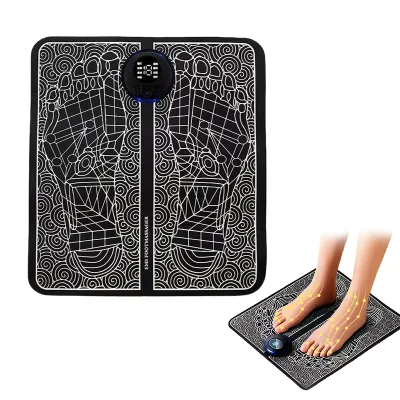

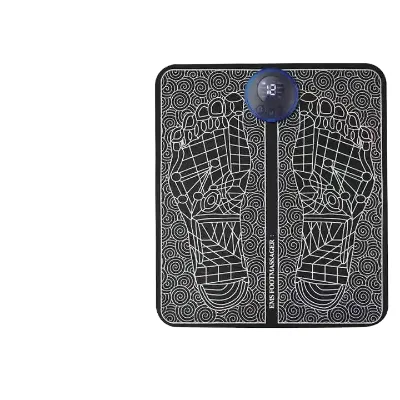
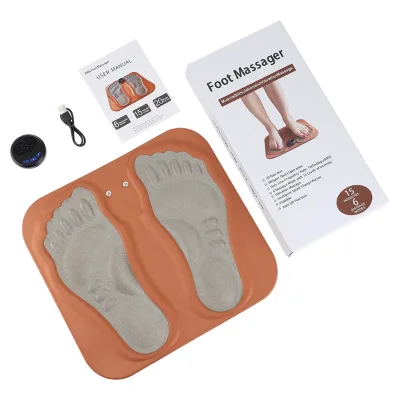
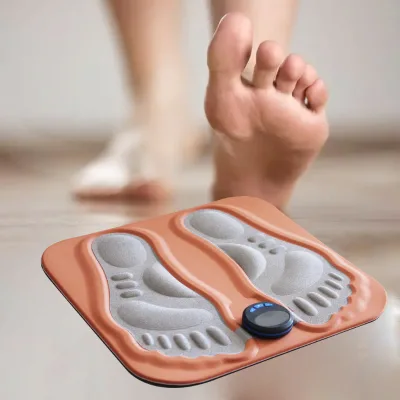
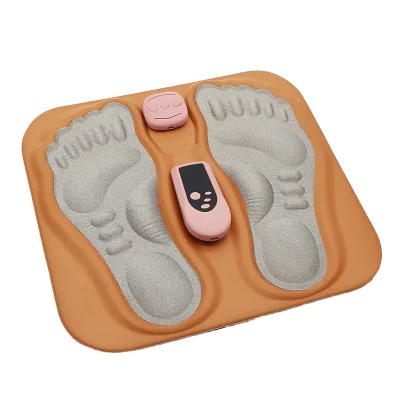
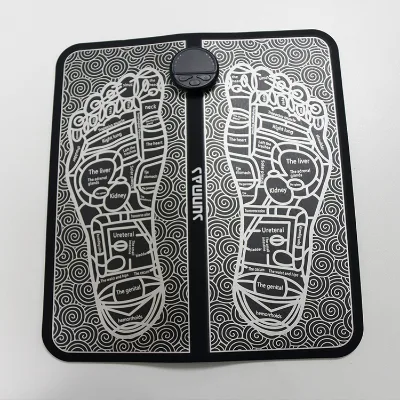
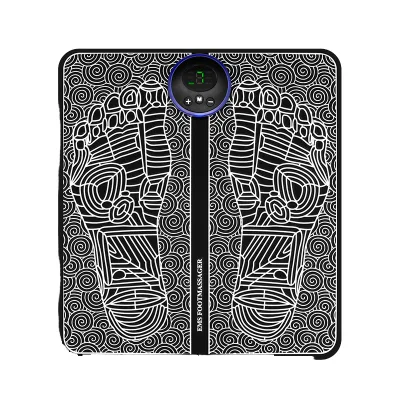
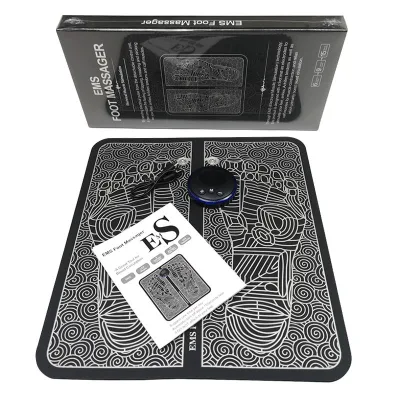
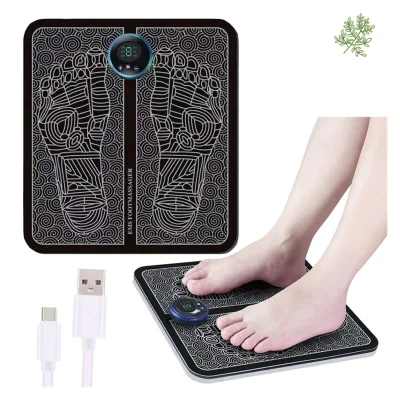
Foot Massage Mat Pilate Pad Bathroom Acupressure Mat Foldable Foot Massage Mat
$3.89 - $4.31
MOQ: 300 Pieces


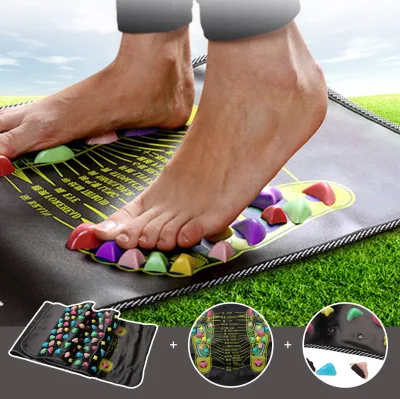
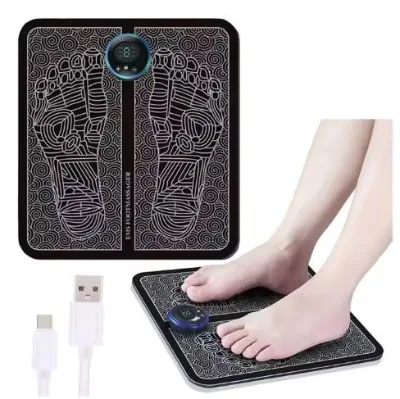
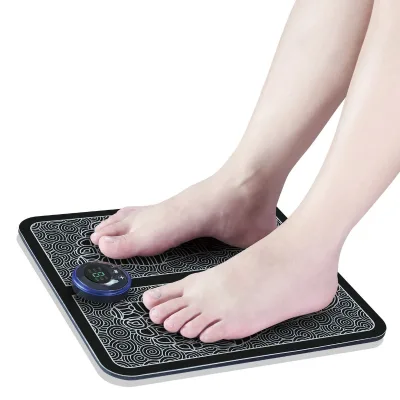
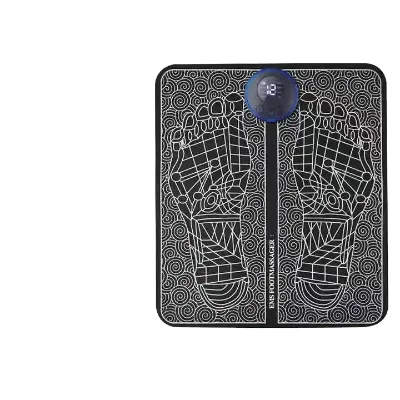
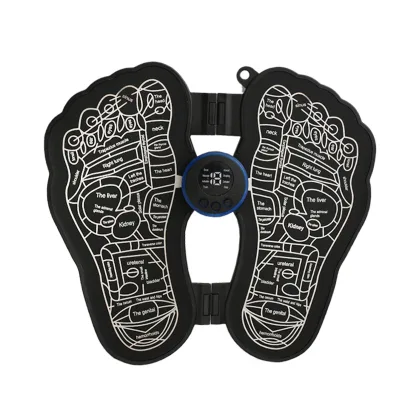
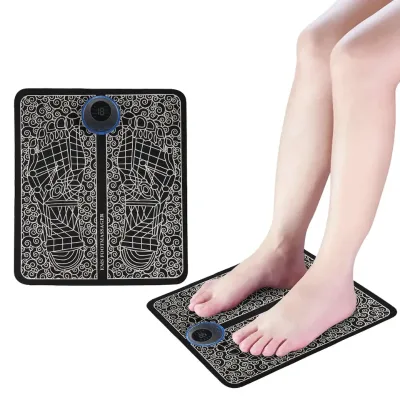
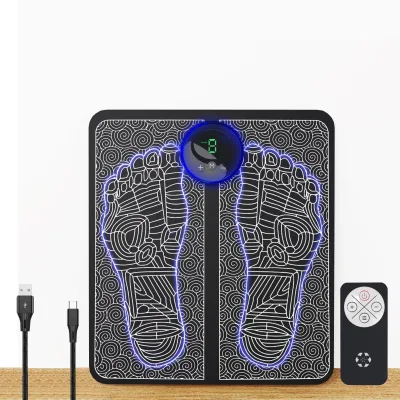

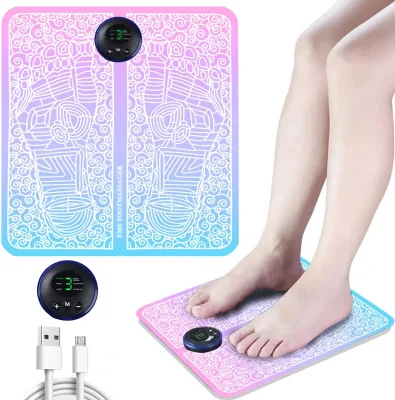
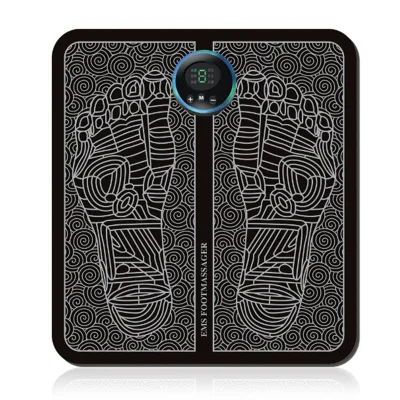
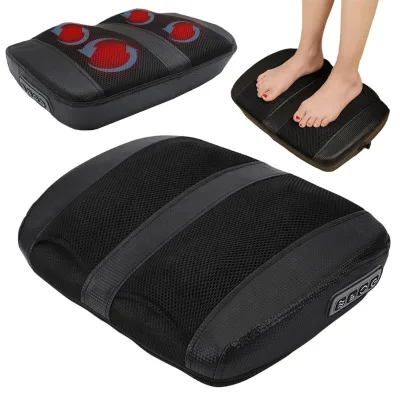
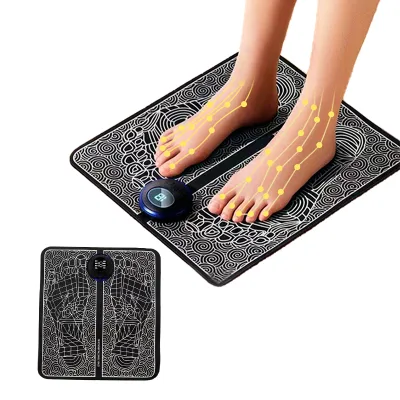
Comprehensive Sourcing Guide
Foldable Wireless Foot Massage Mat Sourcing Guide
Sourcing foldable wireless foot massage mats requires a nuanced understanding of the intersection between portable wellness devices and personal health care equipment. These products are designed to provide targeted therapy, such as vibration pulse or EMS (Electrical Muscle Stimulation), in a form factor that prioritizes space efficiency and mobility. Buyers must distinguish between simple mechanical mats and active electronic devices, as the latter introduces complexities regarding battery safety, wireless connectivity, and regulatory compliance that are absent in passive products. The "foldable" aspect suggests a design optimized for storage and travel, while "wireless" implies battery-powered operation, which significantly impacts the product’s weight, charging infrastructure, and overall user experience.
The procurement landscape for these items is characterized by a wide variance in technical sophistication and target demographics. Listings often indicate applications ranging from daily home use to commercial settings like hotels and offices, suggesting a broad market appeal. However, the term "mat" can be ambiguous; it may refer to a flat surface for standing or a contoured device for seated use. Procurement teams must clarify whether the product is a passive acupressure mat or an active electronic massager, as this distinction dictates the necessary technical verification steps, safety certifications, and potential liability considerations. Understanding this baseline is critical before engaging with suppliers or requesting samples.
Product Scope and Observed Listing Signals
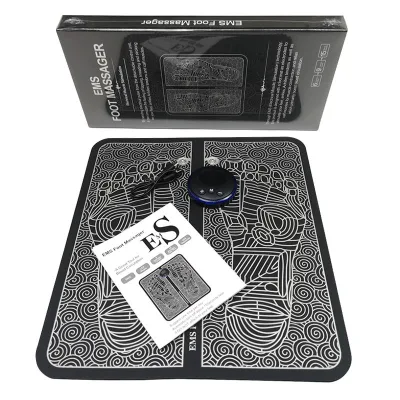
The observed market signals indicate a diverse range of product types under the general keyword, including both passive foot massage mats and active EMS foot massagers. Some listings highlight features such as vibration pulse therapy and accurate acupoint massage, which are typically associated with mechanical or electronic stimulation devices. Other entries describe products with digital display screens, multi-gear adjustments, and remote controls, pointing towards more sophisticated electronic units. Buyers should note that while some products are described as having a "foldable" or "trimmable" size, others are rigid electronic devices with specific dimensions, such as 300x300x17.5mm or 450x345x18mm. This variance requires careful filtering to ensure the sourced product matches the intended use case, whether it is for portable travel or stationary home use.
Material composition and power sources are critical differentiators in this category. Observed materials include ABS plastic and general plastic, which are standard for durable, lightweight housings. Power specifications vary significantly, with some devices featuring small batteries like 85mAh, while others mention longer battery life or electric heating modes. The presence of heating functions, such as electric heating with a 2-hour battery life, adds a layer of thermal safety complexity that is not present in non-heating mats. Additionally, some products are described as having a "safe and flame-retardant surface," which is a crucial safety feature for any device that generates heat or uses electrical components. Buyers must verify these specific attributes to ensure the product meets their safety and performance requirements.
Technical Specifications to Verify
When evaluating technical specifications, the first priority is to confirm the power system and battery safety. For wireless devices, the battery capacity, charge time, and working time are essential metrics. Listings may show varying specifications, such as a charge time of less than or equal to 90 minutes and a working time of greater than or equal to 60 minutes. Buyers should verify the type of battery used, its safety certifications, and the presence of overcharge or short-circuit protection. If the product includes heating elements, the thermal management system must be thoroughly tested to prevent overheating. The "foldable" mechanism, if present, should be tested for durability and stability to ensure it does not fail during repeated use or transport.
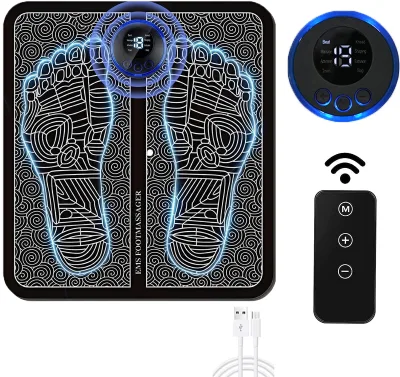
Connectivity and control interfaces are another key area for verification. Many modern foot massagers feature digital displays, remote controls, and multi-gear adjustments. Buyers should assess the responsiveness of the remote control and the clarity of the digital interface. For products claiming EMS functionality, the intensity levels and pulse patterns should be consistent and adjustable. The physical dimensions and weight are also critical, especially for portable products. Specifications such as a single package size of 20x30x5 cm or a gross weight of 0.400 kg indicate a lightweight, compact design. However, other products may be larger and heavier, so buyers must align these physical attributes with their packaging and shipping logistics.
Compliance and Safety Documentation
Regulatory compliance is non-negotiable for electronic personal health care devices. Buyers must ensure that suppliers provide valid certificates for the target markets, such as CE, UKCA, ISO13485, and ISO14001. These certifications indicate adherence to European and international standards for medical device quality management and environmental management. Additionally, specific chemical safety standards like Ca 65 and REACH may be required, particularly for products sold in California or the European Union. These certifications verify that the materials used, such as ABS plastic, do not contain harmful substances that could pose health risks during prolonged contact with the skin.
Electrical safety is paramount, especially for wireless devices with batteries and heating elements. Buyers should request test reports for electrical safety, including leakage current, insulation resistance, and battery safety tests. If the product includes a heating function, thermal safety tests are essential to ensure the surface temperature remains within safe limits. The "flame-retardant" claim, if made, must be supported by relevant flammability test results. Furthermore, buyers should verify that the product meets the electromagnetic compatibility (EMC) standards for the target market to ensure it does not interfere with other electronic devices. Proper documentation not only ensures legal compliance but also mitigates liability risks associated with product failures.
Cost Drivers and Commercial Terms
The cost of foldable wireless foot massage mats is influenced by several factors, including the complexity of the electronic components, battery quality, and material choices. Products with advanced features like EMS, heating, and digital displays will generally command higher prices than simple mechanical mats. The observed price range of 0.69 to 188 USD reflects this diversity, with lower prices likely corresponding to basic or passive products and higher prices to sophisticated electronic devices. Buyers should be cautious of prices that seem too low, as they may indicate compromised quality or missing safety certifications. Understanding the cost structure helps in negotiating better terms and identifying potential value-added opportunities.
Minimum Order Quantities (MOQ) and customization options are significant commercial considerations. Observed MOQs range from 1 to 1000 pieces, offering flexibility for both small-scale buyers and large distributors. Many suppliers accept OEM and ODM services, allowing buyers to customize the product with their own logo, color, and packaging. This customization can enhance brand identity but may increase the unit cost and lead time. Buyers should clarify the MOQ for customized orders and the associated tooling or setup fees. Additionally, payment terms, shipping methods, and lead times should be negotiated clearly to avoid delays and unexpected costs. Understanding these commercial terms is essential for effective supply chain management.
Supplier Qualification and Quality Control
Supplier qualification is a critical step in ensuring the reliability and quality of the sourced products. Buyers should verify the supplier’s business license, manufacturing capabilities, and quality control processes. Suppliers with ISO13485 certification are likely to have robust quality management systems in place, which is essential for medical or health-related devices. Buyers should also assess the supplier’s experience in exporting to the target market and their ability to provide necessary documentation and support. Engaging with suppliers who have a proven track record reduces the risk of receiving substandard products or facing compliance issues.
Quality control measures should be implemented throughout the production process. Buyers should request pre-production samples to verify the product’s design, functionality, and safety features. During mass production, third-party inspections can be conducted to check for defects, proper assembly, and packaging accuracy. Specific attention should be paid to the battery installation, electronic component soldering, and the durability of the foldable mechanism. Buyers should also establish clear acceptance criteria for product quality, including performance tests for massage intensity, heating uniformity, and battery life. Implementing a rigorous quality control process helps ensure that the final product meets the buyer’s expectations and regulatory requirements.
Long-Term Procurement Checks
Long-term procurement success depends on continuous monitoring of product performance and supplier reliability. Buyers should establish a feedback loop with end-users to identify any recurring issues or safety concerns. Regular audits of the supplier’s quality control processes and compliance documentation are essential to maintain product standards. Buyers should also stay updated on regulatory changes in the target market, such as new battery safety regulations or EMC standards, and ensure that the supplier can adapt to these changes. Proactive management of these factors helps mitigate risks and ensures the long-term viability of the product line.
Sustainability and after-sales support are also important considerations for long-term procurement. Buyers should inquire about the supplier’s environmental practices, such as the use of recyclable materials and energy-efficient manufacturing processes. Additionally, the availability of spare parts, warranty terms, and technical support should be clearly defined. A reliable after-sales service ensures that any product issues can be resolved quickly, maintaining customer satisfaction and brand reputation. By focusing on these long-term aspects, buyers can build a resilient and sustainable supply chain for foldable wireless foot massage mats.
FAQs
What functions does the foot massage mat offer?
The device provides vibration pulse therapy to accurately massage foot acupoints. It also features EMS functions with remote control capabilities for versatile personal health care applications.
Can I customize the logo on this product?
Yes, customized logos are available for this foot massage mat. The product accepts OEM and ODM requests, allowing buyers to brand the item according to their specific business needs.
What certifications does the manufacturer hold?
The product meets CE, ISO13485, ISO14001, and UKCA standards. Additional compliance includes Ca 65 and Reach certifications, ensuring safety and regulatory adherence for international markets.
How long does the battery last during use?
The battery offers a working time of at least 60 minutes on a single charge. It requires a charge time of 90 minutes or less and includes an auto timer set to 15 minutes.
What materials are used to construct the mat?
The mat is constructed from durable ABS plastic. This material choice ensures stability and a lightweight design while maintaining a safe and flame-retardant surface for daily use.
Where is this product manufactured?
The product originates from Hebei, China, with some models sourced from Jiangsu, China. These locations serve as the primary places of origin for the listed foot massage mats.
What is the minimum order quantity for this item?
The minimum order quantity is 50 pieces for this specific model. Other listings indicate an MOQ range from 1 to 1000 units depending on the specific supplier and customization requirements.
Does the mat include heating features?
Yes, the product includes electric heating modes for enhanced comfort. It is designed for use in residential and commercial settings, offering heating capabilities alongside standard massage functions.