Source Foldable Wooden Climbing Frame for Kids, Schools, Homes
Explore 30 listings for the Foldable Wooden Climbing Frame designed for indoor play areas. Buyers can compare specifications, materials, and pricing from verified suppliers to find the right equipment for children, schools, or home use; compare the available evidence and request quotations based on your requirements.
Key considerations
Products List
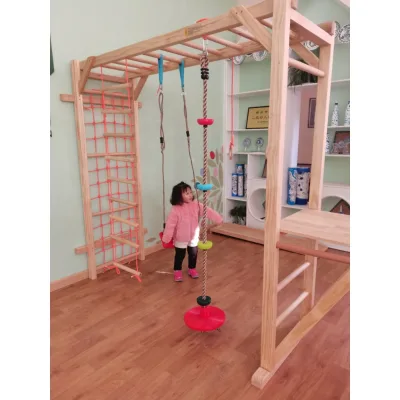
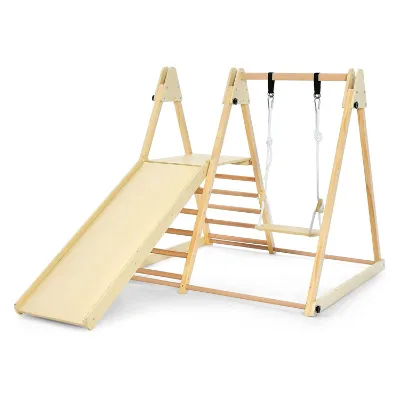
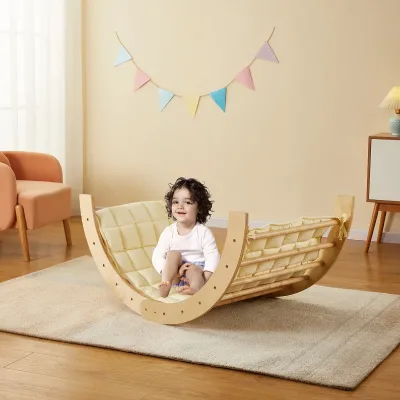
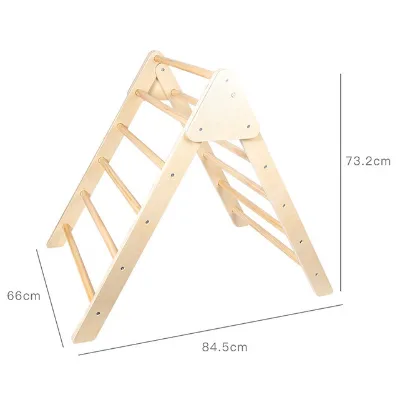
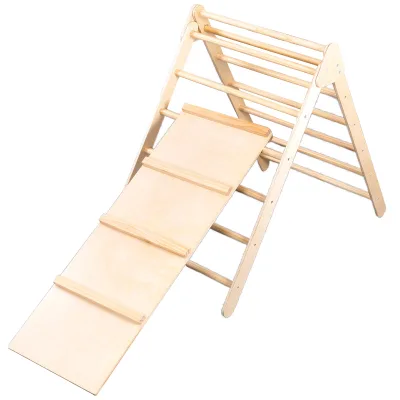
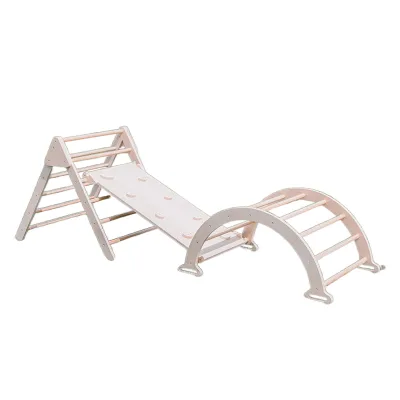


Customized Design Wooden Outdoor Children Game Climbing Frames Wall Equipment
$3538.10 - $4670.77
MOQ: 1 Sets

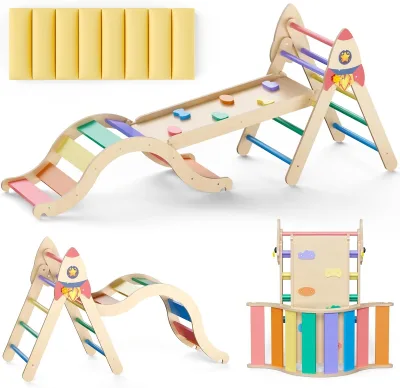


2020 High Quality Indoor Wooden Climbing Frames with Ladders W01f003
$100.00 - $150.00
MOQ: 1000 Pieces

2022 High Quality Garden Playground Wooden Outdoor Climbing Frame for Kids W01d148
$400.00 - $500.00
MOQ: 1000 Pieces

2020 New Sale Indoor Plyground Wooden Climbing Frame with Slide W01f004
$30.00 - $60.00
MOQ: 1000 Pieces


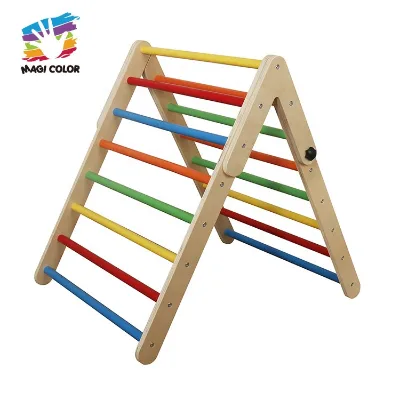
Montessori Large Foldable Wooden Triangle Climbing Frame in Natural W01f043
$20.00 - $30.00
MOQ: 1000 Pieces

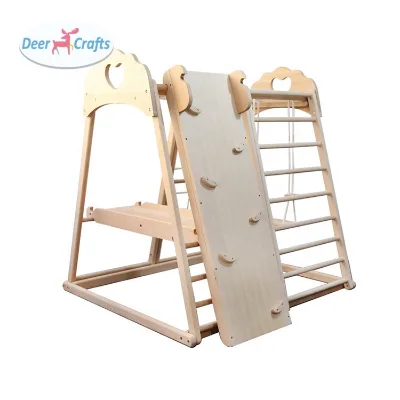
New Arrival Kids Playground Foldable Wooden Climbing Frame with Swing W01d168
$40.00 - $45.00
MOQ: 1000 Pieces


Eco-Friendly Outdoor Wooden Slide and Climbing Frame for Childcare Facilities
$2000.00 - $7000.00
MOQ: 1 Pieces


Comprehensive Sourcing Guide
Foldable Wooden Climbing Frame Sourcing Guide
Sourcing foldable wooden climbing frames requires a careful balance between structural integrity, portability, and aesthetic integration into residential or commercial spaces. Buyers must recognize that "foldable" implies a mechanical complexity that can compromise the robustness typically associated with solid wood play structures. The observed market data indicates a wide variance in product specifications, with origins ranging from Henan and Shandong in China to Europe, suggesting significant differences in manufacturing capabilities and design philosophies. Procurement teams should prioritize suppliers who demonstrate clear engineering solutions for the folding mechanism, ensuring that hinges and locking systems do not become failure points during active use by children.
The target audience for these products spans a broad age range, from infants to teenagers, which necessitates versatile design features. Listings indicate applications in living rooms and schools, highlighting the need for compact storage solutions that do not sacrifice safety when deployed. Buyers should evaluate whether the foldable design allows for quick setup and takedown without requiring specialized tools, as this is a key value proposition for end-users. Additionally, the material composition, primarily wood, offers a natural aesthetic but requires rigorous treatment against moisture and wear, especially in high-traffic environments. Understanding these dual requirements for durability and convenience is essential for selecting the right supplier partnership.
Product Scope and Observed Listing Signals
The current market landscape for foldable wooden climbing frames reveals distinct variations in product dimensions and packaging efficiency. Observed single package sizes range significantly, from compact 35x20x10 cm units to larger 185x65x25 cm boxes, reflecting different assembly requirements and component densities. Buyers should note that some listings specify a single gross weight as low as 1.000 kg, while others indicate weights up to 79.600 kg, suggesting a spectrum from lightweight storage trays to heavy-duty climbing structures. This variance directly impacts logistics costs and warehouse handling requirements, making accurate weight and dimension verification critical for budgeting and supply chain planning.
Color and customization options are prominent features in the available listings, with many suppliers offering customizable colors and logos to meet brand-specific requirements. The presence of OEM/ODM acceptance indicates that many manufacturers are equipped to produce white-label goods, which is advantageous for retailers seeking to establish unique product identities. However, buyers must distinguish between products that are truly foldable and those that are merely modular or disassemblable. The term "foldable" should be strictly defined in procurement specifications to ensure that the final product meets the intended space-saving criteria, avoiding misunderstandings that could lead to returns or customer dissatisfaction due to unexpected assembly processes.
Technical Specifications to Verify
When evaluating technical specifications, the model number and product size are primary identifiers that must be cross-referenced with physical samples. For instance, models like DF2020-PPJ-BZS and TYJ0171 represent specific design iterations that may have unique structural properties. Buyers should verify the exact dimensions of the climbing frame in both its folded and unfolded states, as these measurements determine compatibility with various indoor and outdoor spaces. The single package size is also a critical technical parameter, as it influences shipping volume and potential damage risks during transit. Ensuring that the packaging dimensions align with the product's actual footprint helps in optimizing container loading and reducing freight costs.
The material composition, predominantly wood, requires detailed scrutiny regarding the type of wood used, finish quality, and joint construction. Buyers should request detailed material specifications to understand whether the wood is solid, engineered, or a composite, as this affects longevity and maintenance needs. Additionally, the folding mechanism itself must be examined for durability, including the quality of hinges, pins, and locking devices. It is essential to verify that the design includes safety features such as rounded edges and non-slip surfaces, which are crucial for preventing injuries. Confirming these technical details through sample testing or third-party inspections can prevent costly recalls and ensure product reliability.
Compliance and Safety Documentation
Safety compliance is non-negotiable for children's play equipment, and buyers must ensure that suppliers provide comprehensive documentation. This includes test reports from accredited laboratories verifying that the climbing frame meets relevant international safety standards for structural stability, chemical safety, and mechanical hazards. Buyers should specifically inquire about compliance with standards such as EN 71 or ASTM F1487, depending on the target market, to ensure legal market access. The absence of such documentation poses significant legal and reputational risks, making it a critical due diligence step in the supplier selection process.
In addition to structural safety, chemical safety is paramount, especially for products intended for young children who may mouth or touch the surfaces. Buyers should request Material Safety Data Sheets (MSDS) and certificates of analysis to confirm that finishes, paints, and adhesives are free from harmful substances like lead, phthalates, and formaldehyde. The "Environment: YES" attribute in some listings suggests an eco-friendly approach, but buyers should verify what this entails, such as the use of sustainable wood sources or non-toxic coatings. Ensuring that all components are safe for prolonged contact helps build consumer trust and reduces liability exposure for the buyer.
Cost Drivers and Commercial Terms
The cost of foldable wooden climbing frames is influenced by several factors, including material quality, manufacturing complexity, and order volume. The observed MOQ ranges from 1 to 1000 units, with some suppliers requiring a minimum of 300 or 500 sets, which can impact initial investment levels for new buyers. Buyers should negotiate pricing based on tiered volume discounts, as higher quantities often result in lower per-unit costs due to economies of scale. Additionally, the customization options, such as logo printing and color selection, may incur additional setup fees, which should be factored into the total cost analysis.
Payment terms and lead times are also significant commercial considerations. Standard terms often involve a 30% deposit and 70% balance before shipment, which helps mitigate risk for both parties. Buyers should clarify the sample time, which can range from 7 to 10 working days, and plan accordingly to avoid delays in product launches. It is also important to understand the shipping terms, such as FOB or CIF, as these determine who bears the risk and cost of transportation. Clear communication regarding these commercial terms helps in accurate budgeting and ensures a smooth transaction process.
Supplier Qualification and Quality Control
Supplier qualification is a critical step in ensuring the reliability and consistency of the supply chain. Buyers should conduct thorough due diligence, including verifying business licenses, production capacity, and past performance records. Visiting the factory or hiring a third-party inspection agency can provide valuable insights into the manufacturing processes and quality control measures in place. Suppliers with a strong track record in producing wooden play equipment are more likely to deliver products that meet safety and durability expectations.
Quality control should be integrated into the procurement process through regular inspections and audits. Buyers should define clear quality standards and acceptance criteria, and implement a system for monitoring production batches. Random sampling and testing of finished goods can help identify defects early, allowing for corrective actions before shipment. Additionally, establishing a feedback loop with end-users can provide valuable data on product performance and areas for improvement. A robust quality control system not only ensures product consistency but also enhances brand reputation and customer satisfaction.
Long-Term Procurement Checks
Long-term procurement success depends on continuous monitoring and relationship management with suppliers. Buyers should establish regular review meetings to discuss performance metrics, such as on-time delivery rates, defect rates, and responsiveness to issues. These discussions can help identify potential problems early and foster a collaborative environment for continuous improvement. Maintaining open communication channels ensures that any changes in product design or market requirements can be addressed promptly.
Furthermore, buyers should stay informed about industry trends and regulatory changes that may impact product safety and compliance. Regularly updating quality standards and safety requirements ensures that the supplied products remain relevant and compliant in the market. Investing in supplier development programs can also help improve manufacturing capabilities and product quality over time. By focusing on long-term partnerships rather than transactional relationships, buyers can secure a stable supply of high-quality foldable wooden climbing frames that meet evolving customer needs.
FAQs
What materials are used for the climbing frame?
The climbing frame is constructed from high-quality wood, offering a natural and sturdy structure for children. This material choice ensures durability and a pleasant texture, making it suitable for indoor environments like living rooms. The wooden composition provides a safe and eco-friendly play experience for various age groups.
Can the climbing frame be customized for branding?
Yes, OEM and ODM services are accepted for this product. Buyers can request customized logos and colors to match their brand identity. This flexibility allows businesses to tailor the appearance of the climbing frames, ensuring they align with specific market preferences or corporate branding requirements for retail or institutional use.
What is the minimum order quantity for this item?
The minimum order quantity varies by supplier, typically ranging from 300 sets to 500 pieces. Buyers should verify the specific MOQ with their chosen manufacturer, as different production lines may have distinct batch requirements. This range allows for both small-scale testing and larger bulk procurement orders.
Where are these wooden climbing frames manufactured?
These climbing frames are primarily manufactured in China, with origins reported in Henan and Shandong provinces. Some listings also indicate European origins. Buyers can select suppliers based on their preferred manufacturing location to manage logistics, shipping costs, and supply chain transparency effectively for their specific regional needs.
What is the sample time for this product?
The sample preparation time is typically 7-10 working days. This period allows manufacturers to produce and ship a prototype for quality verification. Buyers should account for this lead time when planning their procurement schedule, ensuring that product approval and subsequent bulk production orders align with their market launch timelines.
Is the climbing frame suitable for indoor use?
Yes, the climbing frame is designed for indoor applications, specifically targeting living rooms and home environments. Its compact size and wooden construction make it ideal for safe play within residential spaces. The product is also noted for use in schools, providing versatile multi-functional play solutions for both home and educational settings.