Source Foldable White ALR Projector Screen for Events, Teaching, Commercial
Compare 30 Foldable White ALR Projector Screen options from verified suppliers. Browse models with motorized or fixed drive modes, various sizes up to 300 inches, and customization available for indoor and outdoor applications.
Key considerations
Products List


Gary Rear Projection Screen Material for Porable Projector Screen
$2.50 - $3.10
MOQ: 500 Square Meters


0.3mm Projection Film Projector Screen Fabric Fast Fold Projection Screen
$1.34 - $1.71
MOQ: 500 Square Meters


120 Inch Fast Fold Projection Screens Alr Fabric Alr Projector Screen for Home Cinema Movie Outdoor
$2.50 - $4.60
MOQ: 50 Square Meters


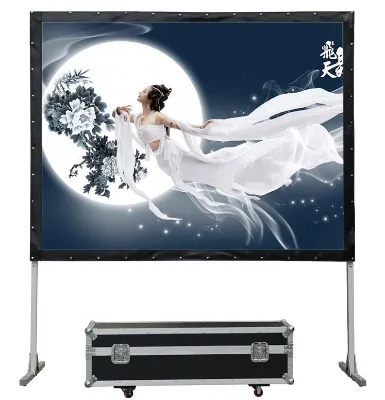
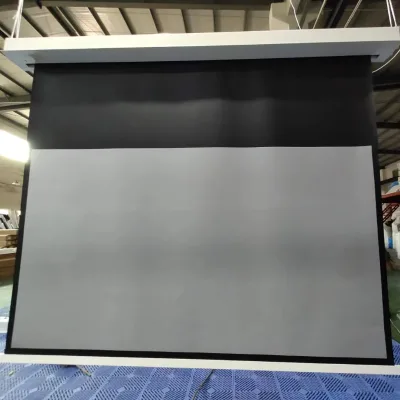
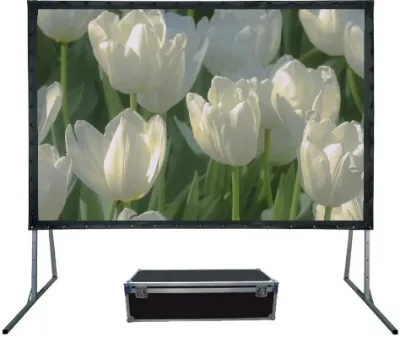


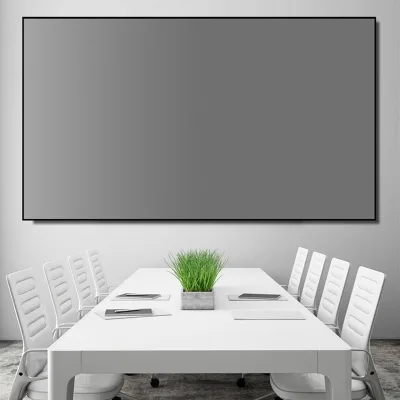
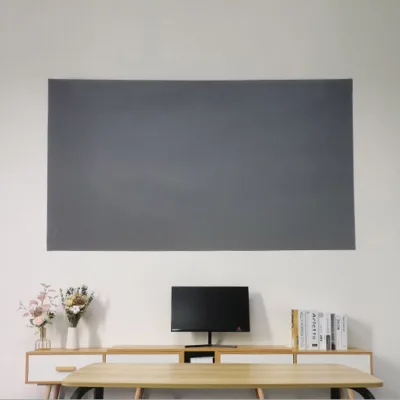
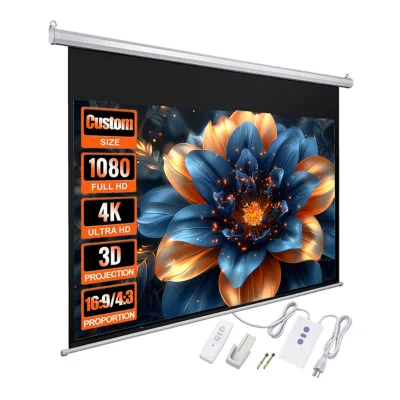
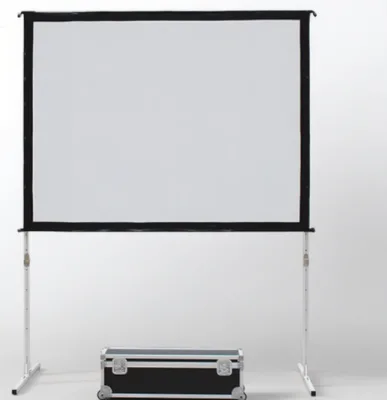
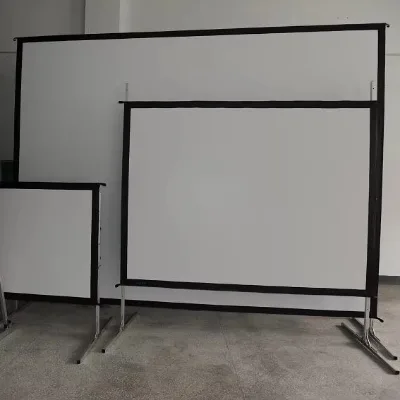
Comprehensive Sourcing Guide
Strategic Sourcing Guide for Foldable White ALR Projector Screens
The global demand for high-performance visual display solutions has elevated the importance of foldable white ALR (Ambient Light Rejecting) projector screens in diverse sectors ranging from corporate boardrooms to large-scale outdoor events. For procurement professionals, navigating the market requires a disciplined approach that distinguishes between marketing terminology and verifiable product attributes. The core keyword "Foldable White ALR Projector Screen" encompasses a complex category where material composition, drive mechanisms, and structural integrity directly influence performance. This guide synthesizes observed market data and technical specifications to provide a robust framework for sourcing decisions, ensuring that buyers can evaluate suppliers based on tangible evidence rather than unverified claims.
Technical Specifications and Material Composition
When evaluating a foldable white ALR screen, the primary technical differentiator lies in the screen fabric and its optical properties. The observed market data indicates that specific models utilize a composition of 1 ply PVC, which offers a balance between durability and flexibility. For applications requiring high contrast in non-darkened environments, the ALR technology is critical. While specific gain values vary by manufacturer, observed specifications highlight a gain of 1.4 for certain fixed and motorized units, a figure that buyers should verify against their ambient light conditions. The screen surface often features a 3D silver surface treatment, which is explicitly noted as available in the current supply chain, designed to enhance brightness and contrast ratios.
The physical dimensions of these screens are highly variable, catering to both intimate presentations and massive event stages. Observed size specifications range significantly, with some models fixed at 300 inches, while others offer a broad range from 100 to 400 inches. For industrial or temporary event setups, custom lengths up to 5x100 meters are available, allowing for bespoke configurations. The aspect ratio is another critical specification; while 16:9 is the standard for modern video content, the market also supports 4:3 formats, with some units offering a dual-format capability of 9/4:3. The thickness of the screen material is a key factor in portability; observed data suggests a thickness of 0.3mm for certain roll or folded variants, which facilitates compact storage without compromising the structural integrity of the white surface.
Drive Mechanisms and Structural Design
The "foldable" aspect of the keyword implies a specific structural design that prioritizes rapid deployment and transport efficiency. The observed product attributes reveal a dichotomy in drive modes, with some units classified as "Motorized Screen" and others as "Fixed Screen." For a truly foldable solution, the mechanical design often involves a tripod style or a wall-mounted configuration that allows for quick assembly. The tripod style is a prominent category in the current market, offering stability for outdoor events where permanent mounting is not feasible. Conversely, wall-mounted styles are observed for indoor applications where space is at a premium.
The frame material is a decisive factor in the longevity and stability of the screen. Aluminum is the standard material observed for the frame construction, providing a lightweight yet rigid structure that resists warping. This is particularly important for large-format screens where wind load or structural sagging could degrade image quality. The package type is equally significant for logistics; while some units are shipped in roll or folded configurations, high-end models are often delivered in a flight case to ensure protection during transit. The presence or absence of a remote control is a variable attribute; some units are supplied without a remote control, relying on manual operation or wired switches, while others include remote functionality for motorized adjustments. Buyers must explicitly verify the drive mode and control interface requirements before placing an order, as these attributes are not universal across the category.
Compliance, Certification, and Safety Standards
In the B2B procurement of projection equipment, compliance with international standards is non-negotiable, particularly for products used in public venues or educational institutions. The observed market data confirms that several products adhere to ISO2000 and RoHS standards, indicating a baseline of quality management and restriction of hazardous substances. Some listings also reference CE certification and NFPA701 standards, the latter being a critical fire safety standard for textiles used in public assemblies. The specific attribute "Fr: M1/M2/Nfpa701" suggests that certain screen fabrics are treated or manufactured to meet specific flammability requirements, which is essential for indoor and outdoor event safety.
Buyers must exercise caution when interpreting certification claims. While ISO 9001:2008 is a common background standard, the specific context provided highlights ISO2000 and RoHS as the primary verified standards. The origin of the products is predominantly China, a major manufacturing hub for these components. When sourcing, procurement teams should request current test reports or certificates of conformity that explicitly match the product model numbers, such as FF300169 or FR150169, rather than relying on general supplier assertions. The warranty period is another indicator of manufacturer confidence, with observed data showing a standard warranty of 2 years for many units. This warranty coverage should be scrutinized to ensure it includes both the screen fabric and the mechanical frame components.
Cost Drivers and Procurement Economics
The pricing landscape for foldable white ALR projector screens is characterized by a wide variance, with observed listed prices ranging from $1.34 to $5,000 USD. This broad spectrum reflects differences in screen size, material quality, drive mechanisms, and included accessories. The cost drivers are multifaceted; a 300-inch motorized screen with a flight case and 3D silver surface treatment will naturally command a higher price point than a 100-inch manual tripod screen. The minimum order quantity (MOQ) also influences the unit economics, with observed ranges spanning from 1 unit to 500 units. For small-scale procurement, the ability to order single units is a significant advantage, whereas bulk orders may unlock volume discounts but require higher upfront capital.
Lead time is a critical component of the total cost of ownership, particularly for time-sensitive events. The observed delivery times vary from 3 days to 10 days, suggesting that suppliers have varying levels of inventory readiness and production capacity. A 3-day delivery window is ideal for urgent procurement needs, while a 10-day lead time may require earlier planning. Buyers should also consider the packaging costs; flight cases, while protective, add weight and volume to the shipment, potentially increasing freight costs compared to roll or folded packaging. The customization options available, such as black borders or specific fabric treatments, can also impact the final price. It is essential for buyers to request a detailed breakdown of costs, separating the base screen price from customization fees, packaging, and shipping, to ensure accurate budget forecasting.
Typical Applications and Usage Scenarios
The versatility of foldable white ALR screens makes them suitable for a wide array of applications, from teaching environments to commercial presentations and outdoor events. The observed usage categories include teaching, commercial, and outdoor settings, indicating that these screens are designed to perform in diverse lighting conditions. For educational institutions, the ease of setup and the availability of tripod styles make these screens ideal for classrooms that may not have permanent projection infrastructure. In commercial settings, such as trade shows or corporate conferences, the motorized and wall-mounted options provide a professional aesthetic that enhances brand presentation.
Outdoor events present unique challenges, including wind, humidity, and varying ambient light levels. The observed "Indoor & Outdoor Events" usage location confirms that these screens are engineered to withstand such conditions. The 3D silver surface and ALR technology are particularly beneficial for outdoor use, as they help maintain image clarity in daylight or under bright artificial lighting. The black border customization is another feature that enhances contrast, making it easier to view content in high-glare environments. Whether for a 100-meter long screen for a stadium event or a compact 100-inch screen for a small meeting room, the application dictates the specific configuration required. Buyers should align their selection with the specific environmental constraints of the intended venue to ensure optimal performance.
Supplier Evaluation and Quality Control Protocols
Selecting the right supplier requires a rigorous evaluation process that goes beyond price comparison. Given the observed product models like WD-RS and FF150169, buyers should verify that the supplier can consistently produce units that meet the specified technical attributes. Key evaluation criteria include the supplier's ability to provide samples for testing, their track record with ISO and RoHS compliance, and their capacity to handle customization requests. The availability of a 2-year warranty is a strong indicator of quality, but it must be backed by a clear service agreement that outlines the process for repairs or replacements.
Quality control should be integrated into the procurement lifecycle. Buyers should request pre-shipment inspections to verify the screen fabric composition, frame material, and drive mechanism functionality. The observed "Cleanable: Yes" attribute suggests that the fabric is designed for maintenance, but buyers should verify the cleaning protocols to ensure they do not damage the ALR coating. Additionally, the view angle of 60 degrees observed in some models should be validated to ensure it meets the seating requirements of the intended venue. For large orders, implementing a quality assurance plan that includes random sampling and functional testing of the motorized components is essential to mitigate the risk of receiving defective units.
Long-Term Procurement Considerations
Sourcing foldable white ALR projector screens is not merely a transactional activity but a strategic decision that impacts long-term operational efficiency. The modularity of these screens, with options for different sizes and formats, allows organizations to adapt their visual infrastructure as needs evolve. The availability of customization, such as specific aspect ratios and border styles, ensures that the screens can be tailored to specific branding or content requirements. However, buyers must also consider the lifecycle of the product; the 0.3mm thickness and 1 ply PVC composition suggest a balance between portability and durability that may require periodic replacement depending on usage frequency.
Future-proofing the procurement strategy involves staying informed about technological advancements in screen materials and drive systems. As display technology evolves, the demand for higher resolution compatibility, such as 1920*1080 support, will likely increase. Buyers should prioritize suppliers who demonstrate a commitment to innovation and compliance with emerging standards. The ability to source replacement parts, such as remote controls or motorized components, is also crucial for maintaining the longevity of the investment. By establishing a relationship with a reliable supplier who offers comprehensive support and adheres to strict quality standards, organizations can ensure a seamless and cost-effective procurement experience for their visual display needs.
FAQs
What drive modes are available for foldable white ALR projector screens?
Both motorized and fixed drive modes are available for these screens. Some units feature tripod styles for outdoor events, while others use wall-mounted or aluminum frames for indoor stability, ensuring flexibility for various installation needs.
Which certifications do these projector screens typically meet?
Products commonly adhere to ISO2000, RoHS, and CE standards. Specific fabric options may also include NFPA701 fire safety ratings, ensuring compliance for public venues and educational institutions requiring strict safety protocols.
How long does delivery take for these custom screen units?
Delivery times range from 3 to 10 days depending on the order specifics. Some suppliers offer a 3-day window for standard items, while custom configurations or larger quantities may require up to 10 days for production and shipping.
Can I customize the size and border of the screen?
Yes, customization is available for sizes ranging from 100 to 400 inches and lengths up to 5x100 meters. Buyers can also request customized black borders to enhance contrast and specific aspect ratios like 16:9 or 4:3.
What material is used for the screen fabric and frame?
The screen fabric is typically 1 ply PVC with a white color and a 3D silver surface treatment. The frame is constructed from aluminum to provide a lightweight yet rigid structure that resists warping during transport and use.
What is the warranty period for these projection screens?
A standard 2-year warranty is provided for many units covering the screen fabric and mechanical components. This warranty reflects manufacturer confidence in the durability of the aluminum frames and the quality of the PVC material.