Source Food Grade Aluminum Tea Tin for Cosmetics, Food, and Gifts
Find 30 Food Grade Aluminum Tea Tin options for tea, cosmetics, and gift packaging. Compare round containers with screw caps, custom printing, and food-grade inner coatings from verified manufacturers; compare the available evidence and request quotations based on your requirements.
Key considerations
Products List


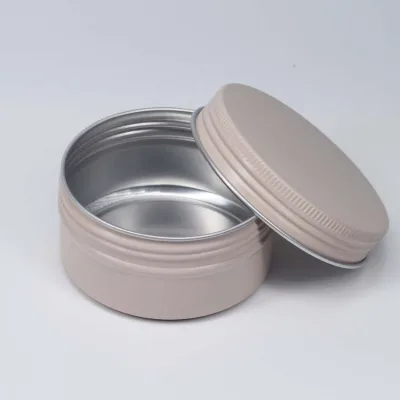


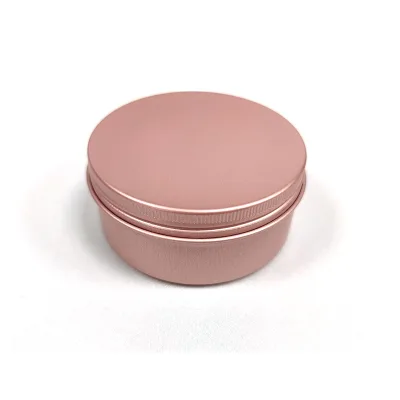


High Quality 50g 100g Round Metal Tin Can for Matcha Black Tea Coffee Packaging
$0.10 - $0.35
MOQ: 3000 Pieces


Comprehensive Sourcing Guide
Food Grade Aluminum Tea Tin Sourcing Guide
Buyers must first distinguish between general aluminum canisters and those specifically engineered for food-grade tea storage. The observed product range includes small package tanks and round containers with screw caps, designed to preserve the freshness of tea leaves while preventing moisture ingress. These units often feature a food-grade inner coating or lacquering, which is critical for maintaining the purity of the contents and preventing any metallic taste from transferring to the tea.
When evaluating listings, procurement teams should verify that the surface handling processes, such as printing or embossing, do not compromise the integrity of the inner food-grade layer. The available data indicates that these containers support customization in color and shape, yet the core function remains the secure sealing of dry goods. Buyers should prioritize suppliers who explicitly state the use of food-grade lacquering to ensure the container meets the rigorous safety standards required for consumable products.
Product Scope and Observed Listing Signals
The market for these aluminum containers reveals a diverse range of capacities, from small 15ml units to larger 150ml tanks, with specific dimensions like D83xh38mm and D68xh25mm being common. While some listings highlight usage for cosmetics like wax and cream, the primary signal for tea sourcing is the explicit mention of tea, coffee, sugar, and candy applications. This dual-use capability requires buyers to carefully inspect the product description to confirm that the specific batch is intended for food contact rather than purely cosmetic storage.
Procurement signals also include the availability of custom colors and shapes, with silver being a standard option alongside green, blue, and red finishes. The presence of a window screw cap feature in some models suggests a design focus on visibility and ease of access, which is beneficial for retail packaging. However, buyers must ensure that any decorative elements or custom printing processes do not interfere with the structural integrity of the seal, which is essential for long-term tea preservation.
Technical Specifications to Verify
Dimensional accuracy is a primary technical requirement, as the observed listings specify sizes such as 150ml with a diameter of 83mm and height of 38mm, or 60ml units measuring 68mm in diameter. Buyers must verify that the selected model matches their specific volume needs, as the capacity ranges from 5ml up to 300ml depending on the supplier's catalog. Confirming the exact diameter and height is crucial for ensuring compatibility with existing packaging machinery or retail display fixtures.
The sealing mechanism is another critical technical specification, with screw caps being the standard type observed across the product range. The inner coating must be verified as food-grade, often described as lacquering or a specialized coating designed to prevent corrosion and chemical interaction with the tea leaves. Additionally, the surface treatment methods, including silkscreen printing or heat transfer, should be confirmed to ensure they are applied in a way that does not compromise the food-safe barrier of the container.
Compliance and Safety Documentation
Safety compliance is non-negotiable for food-grade aluminum tea tins, and buyers should demand documentation proving adherence to FDA and SGS standards. The observed product data explicitly lists these certifications, indicating that the manufacturers have undergone testing to ensure the materials are safe for direct food contact. Without these specific certifications, the risk of contamination or chemical leaching into the tea leaves increases significantly, potentially violating import regulations in target markets.
Beyond FDA and SGS, the presence of ISO certification and CE marking in some listings suggests a broader commitment to quality management and safety protocols. Buyers must request current test reports that specifically address the food-grade inner coating and the overall material composition of the aluminum canister. It is essential to verify that these certifications are valid for the specific product model being sourced, as standards can vary between different container sizes and coating types.
Cost Drivers and Commercial Terms
The cost of sourcing these aluminum containers is influenced by the customization level, with options for custom colors, printing, and embossing adding to the base price. The observed price range of 0.01 to 1.7 USD per unit suggests that simple, unprinted models are significantly cheaper than those with complex surface treatments or custom branding. Buyers should anticipate that higher customization requirements will push the unit cost toward the upper end of this observed spectrum.
Commercial terms such as FOB and CIF are standard for these transactions, with the loading port typically identified as Ningbo. The minimum order quantity (MOQ) varies widely, ranging from 50 to 10,000 pieces, with some specific listings citing an MOQ of 3,000 pieces. Procurement teams must align their order volume with these MOQ thresholds to avoid excessive per-unit costs or the need to consolidate orders with other buyers to meet the supplier's production requirements.
Supplier Qualification and Quality Control
Supplier qualification should focus on verifying the origin of the aluminum and the manufacturing location, with Ningbo, Zhejiang, and Guangdong being the primary regions identified. These locations are known for their established metalworking and packaging industries, but buyers must confirm that the specific factory has the capacity to maintain consistent quality across large production runs. The availability of free samples is a positive indicator, allowing buyers to physically inspect the inner coating and seal quality before committing to a large order.
Quality control processes must include checks on the surface handling techniques, such as spray coating and silk screen printing, to ensure uniformity and durability. Buyers should also verify the supplier's ability to provide standard export carton packing, which protects the containers during transit. Given the recyclable nature of the aluminum, suppliers should also demonstrate their commitment to sustainable manufacturing practices, which can be a differentiator in the current market.
Long-Term Procurement Checks
Establishing a long-term partnership requires regular audits of the supplier's ability to maintain the food-grade inner coating specifications over time. Buyers should implement a schedule for re-testing samples from new production batches to ensure that the FDA and SGS compliance remains consistent. This proactive approach helps prevent issues related to coating degradation or changes in material quality that could compromise the safety of the tea products.
Supply chain resilience is another critical factor, as the observed lead times and production capacities can fluctuate based on raw material availability. Buyers should maintain a diversified supplier base to mitigate risks associated with single-source dependencies, especially given the varying MOQs and capacity ranges observed in the market. Regular communication regarding production schedules and potential delays will ensure that inventory levels remain sufficient to meet market demand without interruption.
FAQs
Can I customize the aluminum tea tin with my brand logo?
Yes, customization is available for these aluminum canisters. You can choose from options like silkscreen printing, heat transfer printing, embossing, or painting. The surface handling supports custom designs, allowing you to apply your specific branding or artwork to the silver or colored exterior of the round container.
What certifications ensure the food grade inner coating is safe?
The product meets FDA and SGS standards for food safety. It features a food grade inner coating or lacquering that protects the contents. These certifications verify that the aluminum material and internal treatments are suitable for storing tea, coffee, and other edible items without compromising quality or safety.
What is the minimum order quantity for these aluminum containers?
The minimum order quantity is typically 3000 pieces, though some listings indicate a range from 50 to 10000 units depending on the specific supplier. Buyers should verify the exact MOQ with the manufacturer, as it may vary based on customization requirements, selected capacity, and current production schedules.
Which sizes are available for the round aluminum tea tins?
Available capacities include 5ml, 10ml, 15ml, 30ml, 50ml, 80ml, 100ml, 150ml, 200ml, and 300g. Specific models like PPC-ATC offer 150ml with dimensions D83xh38mm, while others provide 60ml with D68xh25mm. These sizes cater to various packaging needs for tea, cosmetics, or small gifts.
Where are these aluminum tea tins manufactured and shipped from?
These containers originate from China, specifically from regions like Ningbo, Zhejiang, and Guangdong. The loading port is Ningbo, and trading terms include FOB and CIF. Buyers can expect standard export carton packing for secure shipping, with free samples often supported for quality verification before bulk orders.
Is the aluminum tea tin recyclable and eco-friendly?
Yes, the aluminum canister is labeled as eco-friendly and recyclable. Aluminum is a sustainable material that can be reused without significant loss of quality. This feature makes it an attractive option for brands seeking environmentally responsible packaging solutions for tea, food, or cosmetic products while maintaining durability and aesthetic appeal.