Source Food Grade Plastic Dessert Cups for Smoothies, Tea, and Ice Cream
Compare 30 listings for Food Grade Plastic Dessert Cups featuring customizable sizes from 5oz to 32oz and options like PET or PS materials. Buyers can review supplier details from Wuhan and Anhui, China, including MOQs ranging from 600 to 100,000 pieces and certification options such as FDA and QS.
Key considerations
Products List


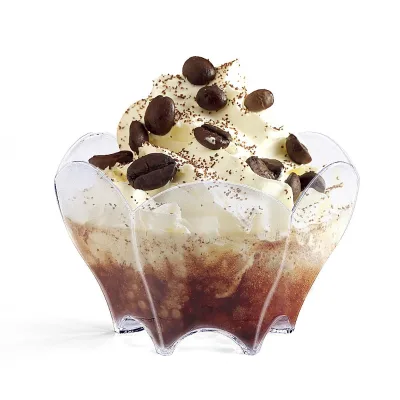


China Manufacturers 98mm 12oz Disposable Plastic Cup Used for Ice Cream Dessert
$0.04 - $0.05
MOQ: 30000 Pieces
Comprehensive Sourcing Guide
Strategic Sourcing Guide for Food Grade Plastic Dessert Cups
Understanding Product Specifications and Material Variants
When sourcing Food Grade Plastic Dessert Cups, buyers must first navigate the diverse landscape of material compositions and physical specifications available in the global market. The core keyword "Food Grade Plastic Dessert Cups" encompasses a wide array of products designed to meet specific thermal and functional requirements. Based on current market observations, the primary materials utilized in this category include Polyethylene Terephthalate (PET) and Polystyrene (PS). Each material offers distinct advantages regarding clarity, rigidity, and thermal resistance, which directly influences the suitability of the cup for specific dessert applications.
PET cups are frequently observed in the market with a focus on transparency and high clarity, making them ideal for showcasing colorful desserts. These cups are often associated with features such as being recyclable and eco-friendly, aligning with modern sustainability trends. In contrast, PS cups are commonly cited for their use in both hot and cold applications, offering a different thermal profile. The market data indicates that specifications vary significantly by volume and capacity. Buyers should expect to encounter standard sizing options ranging from 5 ounces up to 32 ounces, with specific volume measurements often listed in milliliters, such as 200ml, 250ml, 300ml, 360ml, 380ml, 400ml, 500ml, 600ml, 700ml, and 1000ml.
The physical design of these cups also varies. Some products are designed as single-wall cups, which are standard for cold desserts, while others may feature specific structural styles like European designs or single-wall constructions. A critical specification to verify is the lid compatibility. Many suppliers offer cups with or without covers, and the availability of lids is a key factor in determining the final utility of the product for on-the-go consumption. Furthermore, the printing capabilities are a significant differentiator. Custom logo printing is a standard offering, utilizing techniques such as UV printing to apply graphics directly onto the plastic surface. This allows for branding opportunities that are essential for commercial dessert shops and catering services.
| Specification Category | Common Market Observations | Verification Requirement |
|---|---|---|
| Material Type | PET, PS | Confirm food-grade certification for the specific polymer. |
| Capacity Range | 5oz to 32oz (200ml to 1000ml) | Verify exact milliliter capacity against product drawings. |
| Thermal Range | -20°C to 50°C | Confirm suitability for intended serving temperature. |
| Customization | Logo printing, color, size | Review sample proofs for print quality and color accuracy. |
| Packaging | Bag, Carton, Master Carton, Pallet | Check packing density to calculate shipping volume. |
Compliance and Certification Verification
In the realm of food contact materials, compliance is not merely a regulatory formality but a fundamental requirement for market access and consumer safety. When evaluating potential suppliers for Food Grade Plastic Dessert Cups, buyers must rigorously verify the certification status of the products. The market data highlights specific certifications such as QS and FDA, which are critical indicators of a supplier's adherence to safety standards. However, it is imperative to treat these as observations of specific listings rather than universal guarantees for all products in the category.
Buyers should request current, valid certificates of compliance for every batch of product ordered. The presence of FDA approval, for instance, suggests that the material meets United States Food and Drug Administration standards for food contact substances. Similarly, QS certification indicates compliance with specific quality and safety standards often relevant in Asian markets. While background knowledge may reference broader standards like ISO 9001, ISO 14001, or BSCI, these should not be assumed to be present unless explicitly documented by the supplier for the specific product line. The absence of these certifications in the provided data underscores the need for direct verification.
Furthermore, the intended application area is a crucial compliance factor. These cups are designated for food packaging, and the material must withstand the specific temperature ranges associated with the intended use. Observations suggest a thermal operating range of -20°C to 50°C. This range is vital for dessert applications that may involve frozen treats or warm toppings. Buyers must ensure that the supplier can provide test reports confirming that the plastic does not leach harmful substances when exposed to these temperatures. The "Food Packaging" attribute is a strong indicator, but it must be backed by specific migration test results to ensure the safety of the food items stored within.
Cost Drivers and Pricing Dynamics
The pricing structure for Food Grade Plastic Dessert Cups is influenced by a complex interplay of factors, including material costs, customization levels, order volume, and logistics. The observed price range in the market spans from $0 to $3.66 USD, a wide variance that reflects differences in material quality, design complexity, and order quantities. It is essential for buyers to understand that the lowest price point often correlates with standard, non-customized items in smaller or less premium material grades, while higher prices may reflect custom branding, specialized materials like high-clarity PET, or stricter quality controls.
Order Volume is perhaps the most significant driver of unit cost. The Minimum Order Quantity (MOQ) for these products typically ranges from 600 to 100,000 units, with a specific observation of 10,000 pieces as a common threshold for certain suppliers. This wide range allows for flexibility but also dictates the cost per unit. Larger orders generally benefit from economies of scale, reducing the per-unit cost significantly. However, buyers must balance this against inventory holding costs and cash flow requirements.
Customization is another major cost driver. While the product attribute "Customization: Available" is standard, the extent of customization impacts the price. Options such as custom logo printing, specific color schemes (e.g., colored or unicolor), and unique sizing (e.g., 5oz or 10oz) require additional setup costs and production time. Suppliers often offer samples for free, but the buyer is typically responsible for freight charges. This arrangement allows buyers to evaluate quality without a financial barrier for the product itself, though shipping costs can add up for large sample orders.
Additionally, the packaging method influences the final landed cost. Whether the cups are packed in simple bags, cartons, or master cartons on pallets affects the shipping efficiency. Bulk packaging on pallets is generally more cost-effective for large shipments, reducing handling costs during transit. Buyers should also consider the origin of the product, with major manufacturing hubs located in regions like Wuhan and Anhui, China. While these locations offer competitive manufacturing costs, logistics and import duties must be factored into the total cost of ownership.
Typical Applications and Usage Scenarios
Food Grade Plastic Dessert Cups serve a versatile range of applications, driven by their material properties and design features. The primary usage category is clearly defined as food packaging, specifically tailored for desserts. However, the versatility of these cups extends to various other beverage and food service scenarios. The product attributes indicate suitability for hot cups, cold cups, tea cups, and general drinking cups, suggesting a broad utility beyond just solid desserts.
The thermal range of -20°C to 50°C makes these cups particularly suitable for a wide spectrum of dessert types. They can accommodate frozen desserts like ice cream or sorbet, which require resistance to low temperatures, as well as warm desserts or beverages that need to be served at moderate heat. The "Single Wall" style is ideal for cold applications where insulation is not required, while the material choice (PET or PS) determines the rigidity and clarity needed for presentation.
In commercial settings, these cups are frequently used by cafes, ice cream parlors, dessert shops, and catering services. The ability to customize the logo and design allows businesses to create a unique brand identity. For example, a coffee shop might use clear PET cups with custom UV printing for their cold brew desserts, while a bakery might opt for colored PS cups for their warm pastries. The "Adult" age specification indicates that these products are designed for general consumer use, rather than specialized pediatric or medical applications.
The packaging and logistics also play a role in their application. The standard packing methods, such as OPP bags or cartons, ensure that the cups remain clean and protected during storage and transport. This is crucial for maintaining the food-grade integrity of the product. The availability of lids further expands the application scope, allowing for spill-proof transport and on-the-go consumption, which is increasingly important in the modern food service industry.
Supplier Evaluation and Selection Criteria
Selecting the right supplier for Food Grade Plastic Dessert Cups requires a comprehensive evaluation strategy that goes beyond price comparisons. Buyers should prioritize suppliers who demonstrate transparency in their production capabilities and compliance documentation. The presence of specific certifications like QS and FDA is a positive indicator, but buyers must verify these documents directly rather than relying on general claims.
Location is another critical factor. The market data highlights suppliers based in Wuhan and Anhui, China. While these regions are known for manufacturing capabilities, buyers should assess the logistical implications of sourcing from these locations. Lead times, shipping reliability, and the supplier's experience with international trade are essential considerations. A supplier with a strong track record in exporting to the buyer's region will likely offer better support and fewer disruptions.
The customization capabilities of the supplier are also paramount. Buyers should inquire about the supplier's ability to handle custom orders, including logo printing, color matching, and size variations. The availability of free samples, with the buyer covering freight, is a standard practice that allows for quality assessment. However, buyers should also evaluate the supplier's responsiveness to sample requests and their willingness to provide detailed product specifications.
Quality control processes are another key evaluation point. Buyers should ask about the supplier's internal quality assurance measures, including inspection protocols for raw materials, production processes, and finished goods. The ability to provide test results for food safety and material integrity is crucial. Additionally, the supplier's flexibility in handling different order volumes, from small MOQs to large bulk orders, should be assessed to ensure they can scale with the buyer's needs.
Quality Control and Long-Term Procurement Considerations
Ensuring consistent quality in Food Grade Plastic Dessert Cups is a continuous process that requires ongoing vigilance and strategic planning. Quality control should begin at the raw material stage, where buyers must verify that the plastic used (PET or PS) meets food-grade standards. Regular testing for migration of substances and thermal stability is essential to maintain compliance and safety. Buyers should establish clear quality benchmarks and conduct random inspections on incoming shipments to ensure consistency.
Long-term procurement considerations involve building a sustainable relationship with suppliers who can adapt to changing market demands. As sustainability becomes a more significant factor in the food industry, buyers should look for suppliers who offer eco-friendly options, such as recyclable materials. The "Eco-Friendly" and "Recyclable" attributes observed in the market suggest a growing trend towards environmentally responsible packaging. Buyers should evaluate their suppliers' commitment to these trends and their ability to provide sustainable alternatives.
Inventory management is another critical aspect of long-term procurement. Given the wide range of MOQs and the potential for customization, buyers must plan their orders carefully to avoid overstocking or stockouts. The ability to customize sizes and designs allows for flexibility, but it also requires precise forecasting. Buyers should work closely with suppliers to develop a production schedule that aligns with their sales cycles and demand fluctuations.
Finally, buyers should consider the total cost of ownership, including not just the unit price but also shipping, tariffs, and potential costs associated with quality issues. A strategic approach to procurement involves diversifying the supplier base to mitigate risks and ensure a steady supply of high-quality Food Grade Plastic Dessert Cups. By focusing on compliance, quality, and sustainability, buyers can secure a reliable supply chain that supports their business growth and meets consumer expectations.
FAQs
What certifications do these plastic dessert cups have?
The products carry QS and FDA certifications for food safety compliance. These certifications indicate adherence to specific quality and safety standards for food contact materials, though buyers should verify current certificates for each batch ordered.
Which plastic types are available for these dessert cups?
The cups are available in PET and PS plastic types. PET offers high clarity and recyclability, while PS is suitable for both hot and cold applications, allowing buyers to select based on their specific thermal and presentation needs.
Can I get custom logo printing on these cups?
Yes, custom logo printing is available using techniques like UV printing. Buyers can request specific designs and colors, but they must typically cover freight charges for samples while the product samples themselves are provided freely.
What is the minimum order quantity for these cups?
The minimum order quantity ranges from 600 to 100,000 units depending on the supplier. A specific observation notes an MOQ of 10,000 pieces for certain listings, so buyers should confirm the exact threshold before placing an order.
How are these cups packaged for shipping?
Packaging options include bags, cartons, master cartons, and pallets. Specific listings mention OPP bags or 1000 pieces per carton, ensuring the cups remain clean and protected during transit and storage for food-grade integrity.
What capacity sizes are offered for these dessert cups?
Sizes range from 5oz to 32oz, with specific volumes like 200ml to 1000ml available. Buyers can choose from standard options such as 8oz, 12oz, or 16oz to match their specific dessert serving requirements.
Where are these plastic cups manufactured?
The products originate from manufacturing hubs in Wuhan and Anhui, China. These locations offer competitive manufacturing costs, but buyers should consider logistics and lead times when sourcing from these specific regions.