Source Food Grade Paper Window Box with Magnetic Closure for Bento, Fruit, and Spice Packaging
Compare 30 listings for the Food Grade Paper Window Box with Magnetic Closure designed for bento, fruit, and spice packaging. Buyers can evaluate options featuring kraft paper, recycled materials, and customizable sizes from suppliers in China.
Key considerations
Products List


Wholesale Kraft Paper Coated Fast Food Salad Sandwich Packing Window Box
$0.01 - $0.05
MOQ: 10000 piece


Biodegradable Food Grade Kraft Paper Box with Window Safe Direct Food Contact
$0.03 - $0.05
MOQ: 50 Pieces


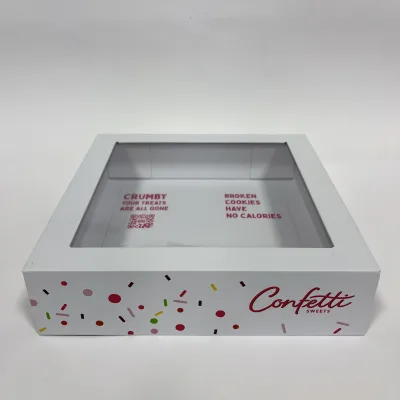

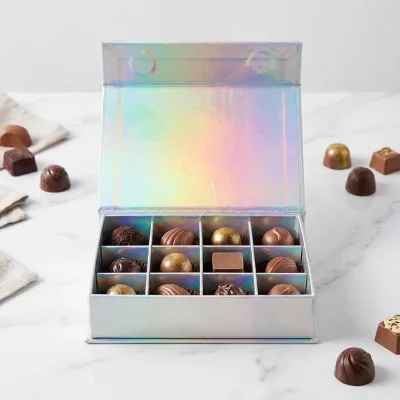
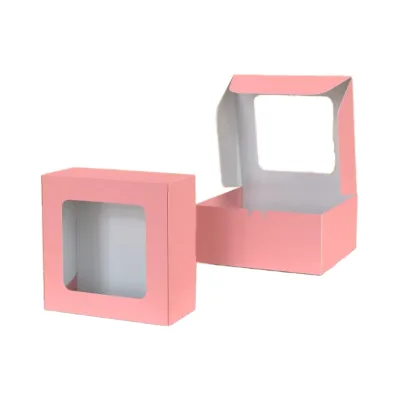


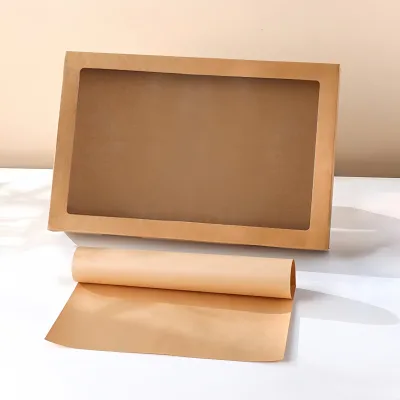

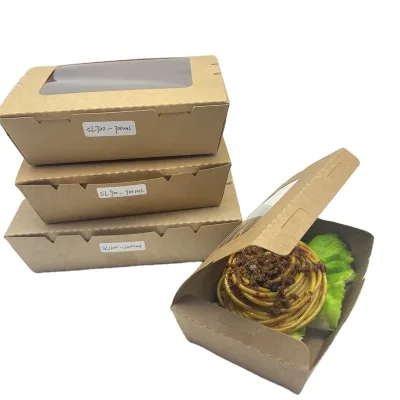


Kraft Paper Food Containers with Window Box Take out Boxes (Rectangular)
$0.05 - $1.00
MOQ: 1000 Pieces

Comprehensive Sourcing Guide
Strategic Sourcing Guide for Food Grade Paper Window Boxes with Magnetic Closure
The global demand for sustainable food packaging has accelerated the adoption of paper-based solutions that combine functionality with environmental responsibility. Among these, the Food Grade Paper Window Box with Magnetic Closure represents a sophisticated segment where aesthetic appeal meets practical utility. For procurement professionals, navigating this category requires a disciplined approach to verifying material integrity, ensuring regulatory compliance, and understanding the specific cost drivers associated with magnetic mechanisms and window integration. This guide synthesizes available product attributes and industry standards to provide a robust framework for sourcing decisions.
Technical Specifications and Material Composition
The foundational element of any food-grade paper box is its material composition. In the current market, the primary materials observed for this category include Kraft Paper, Paperboard, and Corrugated Cardboard. Kraft paper is frequently selected for its inherent strength and natural brown appearance, which often aligns with eco-friendly branding. Paperboard offers a smoother surface ideal for high-quality printing and lamination, while Corrugated Cardboard provides superior structural rigidity for heavier or bulkier food items. The specific product attributes indicate that the paper type can range from Coated Paper to White Paper, allowing for diverse visual presentations.
A critical technical feature for this specific keyword is the inclusion of a window. The observed product data confirms the availability of boxes with windows, which serve a dual purpose: they allow consumers to inspect the food product without opening the package, enhancing the unboxing experience, and they can reduce the total amount of material used if the window is left unprinted. The shape of these boxes is predominantly rectangular, though custom sizes are widely accepted. Sourcing teams must verify that the paperboard thickness and corrugation grade are sufficient to support the weight of the food product without deformation, especially when a magnetic closure is involved.
The magnetic closure mechanism itself introduces specific engineering requirements. Unlike traditional tuck-end or adhesive closures, magnetic systems require precise alignment of the magnetic strips or discs embedded within the paperboard. This necessitates a higher degree of manufacturing precision to ensure the box closes securely and maintains its shape over repeated use. The product specifications also highlight that the size can be customized, ranging from small to large dimensions, and that the standard production models often accommodate various industrial uses including food, fruit, and bento packaging.
Compliance and Certification Verification
Ensuring that paper packaging is safe for direct food contact is the most critical compliance hurdle. The product data explicitly lists several certifications that buyers should verify, including FDA, CE/EU, CIQ, LFGB, and EEC. These certifications indicate that the materials used in the paper and the inks used for printing have been tested for migration of harmful substances into food. For instance, FDA compliance is essential for the North American market, while LFGB is the stringent standard required for the German and broader European markets.
Buyers must treat these certifications as dynamic requirements rather than static attributes. The presence of a certification on a supplier's marketing material does not guarantee that every batch of production meets the standard. Procurement teams should request valid, current test reports from accredited third-party laboratories. The observed data also mentions standards such as #1 through #10, which likely refer to specific industry classifications or internal quality grades. It is imperative to clarify what these numerical standards represent in the context of food safety, as they may relate to paper density, tear strength, or specific chemical resistance properties.
Furthermore, the feature set includes "Recycled," "Compostable," and "Biodegradable" attributes. While these are desirable traits for sustainability, they must be backed by verifiable data. A box labeled as compostable must meet specific industrial composting standards, and the presence of a plastic window or magnetic strips can sometimes interfere with compostability. Buyers should verify that the window material is also food-grade and compostable if the entire product is marketed as such. The magnetic closure, often containing metal, may require specific removal instructions for proper disposal or recycling, a detail that should be clearly communicated on the packaging.
Cost Drivers and Pricing Dynamics
The pricing of food grade paper window boxes with magnetic closures is influenced by a complex interplay of factors. The observed price range in the market spans from $0 to $6.78 USD, a variance that reflects differences in material quality, order volume, and customization levels. The primary cost driver is the material selection; Kraft paper and high-grade paperboard generally command different price points compared to standard corrugated options. Additionally, the integration of a window and a magnetic closure adds significant manufacturing complexity and cost compared to standard paper boxes.
Order volume is another decisive factor in pricing. The minimum order quantity (MOQ) observed in the market ranges widely from 50 to 100,000 units. Suppliers often offer tiered pricing structures where the unit cost decreases significantly as the order volume increases. For smaller orders, the per-unit cost may be higher due to the setup costs for custom molds and the handling of magnetic components. Conversely, large-scale procurement can leverage economies of scale to reduce costs, but it requires a commitment to higher MOQs, often around 10,000 units for standard models.
Customization is a major cost variable. Attributes such as "Custom Size Accepted," "Customer Logo Accepted," and "Customized Color" indicate that bespoke designs are common. However, each customization adds to the production timeline and cost. Printing techniques like embossing, glossy lamination, and matt lamination further influence the final price. Buyers should be aware that while the base product might be affordable, the addition of a magnetic closure and a clear window can increase the manufacturing cost by a significant percentage. It is essential to request detailed quotes that break down the costs of materials, printing, and assembly to understand the true cost drivers.
Typical Applications and Functional Use Cases
The versatility of food grade paper window boxes with magnetic closures makes them suitable for a wide array of applications. The observed product attributes list usage scenarios including food packaging, tableware, thermal applications, spice storage, sundries, and even garage or bedding items. However, the primary focus for this specific product type remains in the food industry, particularly for bento boxes, fruit packaging, and general food packing.
The magnetic closure offers a distinct advantage in applications where the food needs to be kept fresh and secure during transport. Unlike adhesive seals that can be difficult to open and reseal, magnetic closures allow for easy access and re-closure, making them ideal for products that are consumed over multiple sittings or require storage after opening. The window feature is particularly valuable for retail environments where visual appeal drives purchasing decisions. Customers can see the freshness and quality of the food, such as pastries, sandwiches, or fresh fruit, without compromising the integrity of the package.
In terms of functionality, the observed data notes that these products are "Microwavable," "Waterproof," and "Disposable." These features are crucial for modern food service operations. The waterproof attribute suggests that the paper has been treated or coated to resist moisture, which is essential for hot foods or items with high humidity. The microwavable feature indicates that the materials used can withstand heat without releasing toxins or degrading, a critical safety consideration for consumers reheating food in the box. However, buyers must verify the specific limitations of the magnetic closure, as metal components may not be suitable for all microwave ovens, and the window material must also be heat-resistant.
Supplier Evaluation and Sourcing Strategy
Selecting the right supplier for food grade paper window boxes requires a rigorous evaluation process. The product data indicates that suppliers are located in various regions of China, including Ningbo and Guangdong, which are known manufacturing hubs for packaging. The brand names observed, such as "Million Pack" and "Xinhua," suggest that there are established players in the market, but buyers should not rely on brand names alone. Instead, the focus should be on the supplier's ability to meet specific technical and compliance requirements.
Key evaluation criteria should include the supplier's capacity for OEM and ODM services, as the market data confirms that customization is acceptable. Buyers should assess the supplier's experience with magnetic closures and window integration, as these are specialized features that require precise manufacturing. The ability to accept custom logos and sizes is also a strong indicator of a flexible and capable supplier. Additionally, the payment methods offered, such as TT, L/C, Moneygram, and PayPal, provide insight into the supplier's financial stability and willingness to accommodate different transaction needs.
When evaluating suppliers, it is crucial to verify their production capabilities and quality control processes. The observed data mentions "Export Carton" as the standard packing method, which is suitable for international shipping. However, buyers should also inquire about the supplier's ability to meet specific customer packing requirements. The lead time and production capacity should be discussed early in the negotiation process to ensure that the supplier can meet delivery deadlines, especially for large orders with high MOQs.
Quality Control and Long-Term Procurement Considerations
Maintaining consistent quality is paramount when sourcing food packaging. The product attributes highlight features such as "Eco-Friendly," "Disposable," and "Stocked," which suggest a focus on sustainability and availability. However, quality control must extend beyond these general claims. Buyers should implement a robust inspection protocol that includes checking for material defects, verifying the strength of the magnetic closure, and ensuring the window is securely attached and free from tears or bubbles.
For long-term procurement, building a strategic partnership with a reliable supplier is essential. This involves establishing clear communication channels, agreeing on quality standards, and conducting regular audits. The ability of the supplier to adapt to changing market demands, such as new sustainability regulations or shifts in consumer preferences, is a key indicator of their long-term viability. Buyers should also consider the environmental impact of their packaging choices, ensuring that the materials used align with their corporate sustainability goals.
The observed data indicates that the product standard can be customized, which offers flexibility but also requires careful management. Buyers should work with suppliers to define clear specifications for each order, including material thickness, printing quality, and closure strength. Regular testing of samples before mass production can help identify potential issues early and prevent costly recalls. By focusing on these quality control measures and long-term strategic planning, buyers can ensure a steady supply of high-quality food grade paper window boxes with magnetic closures that meet both functional and regulatory requirements.
Comparative Analysis of Product Attributes
To facilitate a clearer understanding of the market landscape, the following table summarizes the key attributes observed in the product data, highlighting the variations available to buyers.
| Attribute Category | Observed Options | Key Considerations for Buyers |
|---|---|---|
| Material | Kraft Paper, Paperboard, Corrugated Cardboard, Coated Paper | Verify food-grade safety and structural strength for specific food types. |
| Features | Recycled, Disposable, Compostable, Biodegradable, Waterproof, Microwavable | Ensure certifications match target market regulations (e.g., FDA, LFGB). |
| Closure Type | Magnetic Closure | Check for metal compatibility with microwaves and ease of use. |
| Window | With Window (Clear) | Verify window material is food-safe and does not compromise compostability. |
| Customization | Custom Size, Logo, Color, Standard | Assess MOQ implications and additional costs for bespoke designs. |
| Certifications | FDA, CE/EU, CIQ, LFGB, EEC | Request current third-party test reports for all claimed certifications. |
| Origin | China (Ningbo, Guangdong) | Consider logistics costs and lead times based on specific port locations. |
| MOQ Range | 50 to 100,000 Units | Align order volume with budget and storage capacity to optimize unit cost. |
This comparative overview underscores the importance of aligning specific product attributes with business needs. While the market offers a wide range of options, the final selection should be driven by a thorough analysis of compliance, functionality, and cost-effectiveness. By adhering to these guidelines, procurement professionals can navigate the complexities of sourcing food grade paper window boxes with magnetic closures and secure a supply chain that supports both operational efficiency and sustainability goals.
FAQs
What certifications ensure food safety for these boxes?
These boxes can carry FDA, CE/EU, CIQ, LFGB, and EEC certifications to ensure food safety. Buyers must verify current test reports from accredited labs, as certifications are dynamic requirements rather than static attributes on marketing materials.
Can these boxes be microwaved safely?
Some models are rated as microwavable and waterproof, but metal magnetic closures may not be suitable for all microwave ovens. Buyers must verify specific heat resistance limits for both the window material and the closure mechanism before use.
What materials are used for these packaging boxes?
Primary materials include Kraft Paper, Paperboard, Corrugated Cardboard, and Coated Paper. The specific type depends on the required strength and surface finish, with options ranging from recycled materials to white paper for diverse visual presentations.
How can I customize the size and logo?
Custom sizes are accepted, and customer logos can be printed using embossing or lamination techniques. Suppliers typically require an MOQ of 500 to 10,000 units for these bespoke designs, with lead times varying by order volume.
Are these boxes compostable and eco-friendly?
Features like recycled, compostable, and biodegradable are available, but the plastic window or metal magnets may interfere with compostability. Buyers should verify that all components meet specific industrial composting standards if sustainability is a primary requirement.
What is the typical minimum order quantity?
The observed MOQ ranges from 50 to 100,000 units depending on the supplier and customization level. Standard models often require around 10,000 units, while smaller orders may incur higher per-unit costs due to setup fees.