Source Food Grade Soapnut Extract Powder for Medicine, Health Care, and Food
Explore 30 listings for Food Grade Soapnut Extract Powder suitable for medicine, health care products, and food applications. Buyers can compare specifications like assay methods, certifications, and packaging options from verified suppliers in China.
Key considerations
Products List


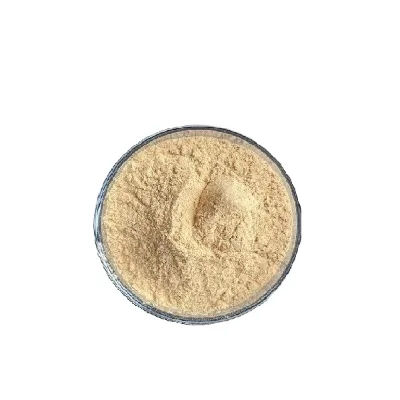
High Quality Soapnut 70% Soapnut Extract Powder Cosmetic Grade Soapberry Powder
$25.00 - $55.00
MOQ: 1 kilograms


Comprehensive Sourcing Guide
Strategic Sourcing Guide for Food Grade Soapnut Extract Powder
Procuring Food Grade Soapnut Extract Powder requires a disciplined approach that balances botanical variability with strict industrial compliance. As a natural surfactant and functional ingredient, Sapindus mukorossi extract offers unique benefits for the food, health care, and cosmetic sectors. However, the market is characterized by diverse extraction methods, varying saponin concentrations, and a wide spectrum of supplier capabilities. This guide outlines the critical parameters buyers must evaluate to secure a reliable supply chain, ensuring that the final product meets both regulatory standards and application-specific performance requirements.
Technical Specifications and Purity Standards
The primary technical differentiator in soapnut extract sourcing is the concentration of active saponins, often referred to as sapindosides. The supplied market data indicates significant variance in product standards, with observed specifications ranging from 40% to 80% purity. A common benchmark found in high-grade listings is a minimum of 70% sapindoside content. Buyers must verify the specific assay method used to determine this value, as results can vary based on the analytical technique employed. The documented assay methods include High-Performance Liquid Chromatography (HPLC), Ultraviolet (UV) spectroscopy, and Gel Permeation Chromatography (GPC). HPLC is generally considered the gold standard for saponin quantification due to its precision in separating complex mixtures.
Physical appearance is another critical specification. The raw material can present as a yellow-brown powder, a light yellow to white fine powder, or a light brown powder, depending on the extraction process and the source fruit. The solubility profile is a key functional attribute; the product is described as 100% water-soluble, which is essential for applications requiring uniform dispersion in aqueous systems. The physical state is consistently noted as powder, though the particle size and flowability may vary. When evaluating samples, buyers should request data sheets that explicitly state the assay method and the specific percentage of saponins to ensure the material aligns with the intended formulation.
Compliance and Certification Verification
For food grade applications, regulatory compliance is non-negotiable. The supply chain for soapnut extract must demonstrate adherence to international safety and quality management systems. The available product data highlights a robust array of certifications that suppliers may hold, including HACCP, FDA, ISO, BRC, RoHS, ISO9001, ISO22000, Halal, and Kosher. The presence of multiple certifications, such as the combination of ISO9001, Halal, and Kosher, suggests a supplier capable of serving diverse global markets with specific religious or dietary requirements.
Buyers must distinguish between product-specific certifications and general facility certifications. For instance, while ISO9001 indicates a quality management system, Halal and Kosher certifications are specific to the ingredient's suitability for religious dietary laws. The data also lists Organic certification as a possibility, which is a significant value-add for premium food and health care products. When requesting documentation, procurement teams should verify the validity of these certificates and ensure they cover the specific batch or production line. It is also important to note that while RoHS is listed, it is primarily an environmental standard for electronic components; its presence in a food ingredient context may indicate a broader supplier compliance framework rather than a direct food safety attribute.
Cost Drivers and Economic Factors
The pricing of soapnut extract powder is influenced by several interconnected variables. The observed market price range spans from $1 to $95 per unit, a wide disparity that reflects differences in purity, packaging, and order volume. The primary cost driver is the saponin concentration; extracts with 70% to 80% purity command a higher price point than those with 40% to 50% content. Additionally, the extraction type plays a role. Solvent extraction is a documented method, and the efficiency of this process, along with the cost of solvents and recovery systems, impacts the final unit cost.
Packaging and logistics also contribute significantly to the total landed cost. The standard packaging options include 1kg aluminum foil bags and 25kg drums. The choice between small-bag packaging for sampling or R&D and bulk drum packaging for production affects the price per kilogram. Furthermore, the Minimum Order Quantity (MOQ) varies drastically, ranging from 1 kg to 12,000 units. Suppliers offering low MOQs of 1 kg may charge a premium to cover handling and administrative costs, whereas bulk buyers can negotiate more favorable rates. Buyers should calculate the total cost of ownership, including shipping, customs duties, and potential storage fees, rather than focusing solely on the unit price.
Typical Applications and Formulation Compatibility
Soapnut extract powder is versatile, with applications spanning the food, health care, and cosmetic industries. The documented application forms include capsules, tablets, pastes, suppositories, lotions, and injections. In the food sector, it is utilized as a natural surfactant, emulsifier, or cleaning agent in beverage and dairy processing. For health care products, the extract serves as an active ingredient in supplements and topical treatments, leveraging its natural antimicrobial and cleansing properties.
The compatibility of the extract with different application forms depends on its physical properties. The 100% water solubility makes it ideal for liquid formulations such as lotions and injections, where uniform mixing is critical. For solid dosage forms like capsules and tablets, the powder's flowability and compressibility are key factors. The data indicates that the product is available in various grades, including food grade and cosmetic grade. Buyers must ensure that the specific grade purchased matches the intended end-use; for example, a cosmetic grade extract may not meet the rigorous purity standards required for internal consumption in food or pharmaceutical applications. The part of the plant used is the fruit, which is typically cultivated through artificial planting methods, ensuring a consistent supply chain.
Supplier Evaluation and Quality Control
Selecting a reliable supplier requires a rigorous evaluation process that goes beyond checking certifications. Buyers should assess the supplier's capacity for customization, as the data confirms that customization is available. This includes the ability to tailor saponin concentrations, particle sizes, and packaging formats to specific client needs. The brand name "Ingrelonier" is mentioned in the context of specific listings, but buyers should not rely on brand recognition alone; instead, they should request third-party test reports for every batch.
Quality control protocols are essential to mitigate the risks associated with natural product variability. The standard test methods listed include HPLC and UV analysis. Buyers should insist on a Certificate of Analysis (CoA) that matches the specific batch number, detailing the assay results, microbial limits, and heavy metal content. The shelf life is a critical factor for inventory management, with observed durations ranging from 2 to 3 years. Proper storage conditions, such as vacuum packing or the use of aluminum foil bags, are necessary to maintain this shelf life. Additionally, the origin of the product, often cited as Shaanxi, China, should be verified to ensure it aligns with the buyer's sourcing preferences or trade restrictions.
Long-Term Procurement Considerations
Sourcing soapnut extract powder is not merely a transactional activity but a strategic partnership that requires long-term planning. The availability of free samples, typically ranging from 10g to 20g, allows buyers to conduct preliminary testing before committing to larger orders. This sample availability is a crucial step in the qualification process, enabling the verification of solubility, color, and odor.
For long-term stability, buyers should consider the supplier's ability to maintain consistent quality over time. Natural products can vary based on harvest seasons and growing conditions. Suppliers with artificial planting methods may offer more consistent quality compared to wild-harvested sources. The OEM (Original Equipment Manufacturer) capability is another factor to consider; suppliers offering OEM services can assist in developing custom formulations or private label products. Finally, buyers should establish clear communication channels for handling potential quality deviations and ensure that the supplier has a robust traceability system in place, from the farm in Shaanxi to the final drum or bag delivered to the facility.
| Parameter | Observed Range/Value | Verification Requirement |
|---|---|---|
| Saponin Content | 40% - 80% (Common: ≥70%) | Verify via HPLC CoA |
| Appearance | Yellow-Brown to White Powder | Visual inspection of sample |
| Solubility | 100% Water Soluble | Lab dissolution test |
| Certifications | HACCP, ISO, Halal, Kosher, FDA | Valid certificate copies |
| MOQ | 1 Kg - 12,000 Units | Negotiated contract terms |
| Shelf Life | 2 - 3 Years | Storage condition validation |
| Packaging | 1kg Bag, 25kg Drum | Damage-free delivery check |
By adhering to these guidelines, buyers can navigate the complexities of the soapnut extract market, ensuring they source high-quality, compliant, and cost-effective materials that meet their specific production needs.
FAQs
What certifications do Food Grade Soapnut Extract Powder suppliers hold?
Suppliers typically hold HACCP, FDA, ISO, BRC, RoHS, Halal, and Kosher certifications. Some listings also include ISO9001, ISO22000, and Organic certifications to ensure compliance with international safety and dietary standards for global markets.
How is the saponin content specified in the product standard?
The saponin content, often called sapindosides, ranges from 40% to 80% with a common benchmark of 70%. Buyers should verify the specific percentage via HPLC test methods to ensure the purity matches their formulation requirements.
Can I obtain free samples for testing before placing a large order?
Yes, free samples ranging from 10g to 20g are available for evaluation. This allows buyers to verify physical attributes like color and solubility before committing to bulk purchases with Minimum Order Quantities starting at 1 kg.
Which packaging formats are standard for bulk orders of this extract?
Standard packaging includes 1kg aluminum foil bags and 25kg drums. Vacuum packing is also used to maintain the 2 to 3-year shelf life, ensuring the powder remains stable during storage and transport.
What is the typical shelf life of Food Grade Soapnut Extract Powder?
The shelf life is observed to be between 2 and 3 years depending on storage conditions. Proper packaging such as aluminum foil bags or drums helps preserve the quality of the yellow-brown or white powder over time.
Which application forms are compatible with this herbal extract powder?
The powder is suitable for capsules, tablets, pastes, suppositories, lotions, and injections. Its 100% water solubility makes it ideal for both solid dosage forms and liquid formulations in health care and food sectors.
What is the origin location for this plant extract product?
The product originates from Shaanxi, China, where the fruit is cultivated using artificial planting methods. This location ensures a consistent supply chain for the natural surfactant used in various industrial applications.