Source Foot Assisted Seedling Transplanter for Rice, Vegetables, and Field Crops
Find and compare 30 Foot Assisted Seedling Transplanter options for rice, vegetable, and field crop applications. Evaluate models with gasoline or diesel power, automatic or semi-automatic mechanization, and customizable features to match your agricultural needs.
Key considerations
Products List


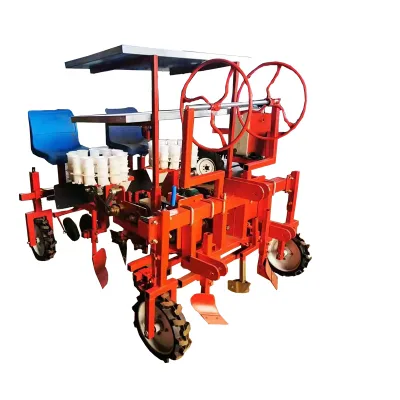
Durable High-Speed Transplanter for Efficient Rice Planting Operations
$8000.00 - $12000.00
MOQ: 1 Sets



Hot Selling Seedling Transplanting Tool / Manual Garden Seeder / Seed Planter Tool
$11.00 - $18.00
MOQ: 100 Pieces


Multifunction Hand Vegetable Seed Planters / Seedling Transplanter Soybean Seeder Planter
$20.00 - $64.00
MOQ: 10 Pieces
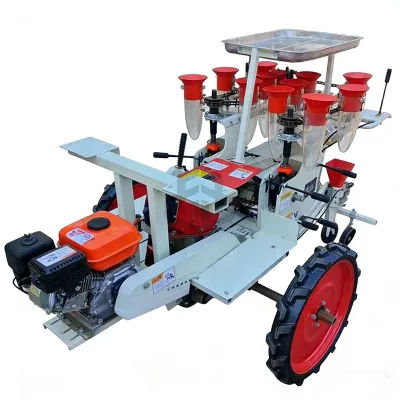
Manual Operated Vegetable Transplanter Self Propelled with Adjustable Spacing
$1118.03 - $1422.95
MOQ: 1 sets


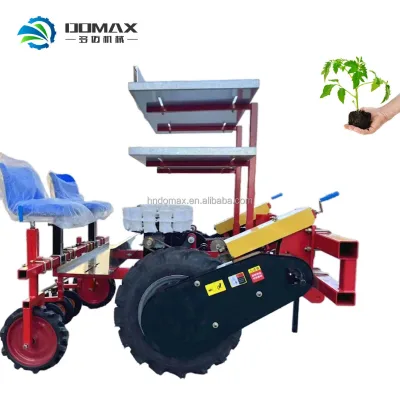


Comprehensive Sourcing Guide
Foot Assisted Seedling Transplanter Sourcing Guide
Sourcing a Foot Assisted Seedling Transplanter requires a nuanced understanding of the balance between manual labor and mechanized efficiency. These machines are designed to reduce the physical strain associated with traditional hand-planting while maintaining the flexibility to operate in tight or uneven terrain where large ride-on equipment cannot maneuver. Buyers must evaluate whether the specific model aligns with their crop type, field conditions, and labor availability. The decision to procure this equipment often hinges on the need for increased planting speed without the high capital expenditure of fully automatic or tractor-mounted systems.
The procurement process involves verifying that the supplier provides machines that meet specific operational requirements, such as the number of planting rows and the type of power source. While some models are manually pushed, others may integrate gasoline or diesel engines to assist with ditching or seedling feeding. It is critical to distinguish between purely manual units and those with semi-automatic features, as this distinction significantly impacts the daily output and the skill level required from the operator. Understanding these mechanical differences ensures that the selected transplanter delivers the expected return on investment for the agricultural operation.
Product Scope and Observed Listing Signals
The current market for foot assisted seedling transplanters exhibits a wide variance in pricing and minimum order quantities, reflecting the diversity of available configurations. Observed listing prices range from approximately $5.30 to $12,000 USD, indicating that the category includes both simple manual attachments and more complex, engine-assisted units. The minimum order quantity (MOQ) typically spans from 1 to 100 units, suggesting that suppliers cater to both individual farmers seeking a single unit and larger agricultural cooperatives or distributors requiring bulk procurement. This price disparity underscores the importance of clearly defining functional requirements before engaging with suppliers.
Listing signals also reveal a variety of product types, including seedling planting machines, ride-on transplanters, and dibble seeders. Some models are explicitly designed for rice cultivation, while others are labeled for general agricultural use. The presence of customization options and various power sources, such as gasoline, diesel, or tractor-driven mechanisms, indicates that buyers should not assume a one-size-fits-all solution. It is essential to review the specific attributes of each listing, such as the ditching mode and transplanting row count, to ensure the machine matches the intended application. The observed data suggests that buyers must carefully filter listings to find units that align with their specific agronomic needs.
Technical Specifications to Verify
When evaluating technical specifications, the drive mode and power source are primary considerations for determining operational efficiency. Some foot assisted models are manual hand-pushed, relying entirely on operator strength, while others feature automatic or semi-automatic mechanisms powered by gasoline or diesel engines. Buyers should verify the mechanization level to ensure it matches their labor capacity and desired planting speed. Additionally, the ditching mode, whether continuous or selective, affects the quality of the seedling placement and the overall health of the crop. Understanding these mechanical distinctions is crucial for selecting a machine that minimizes operator fatigue while maximizing planting accuracy.
The physical dimensions and weight of the transplanter also play a significant role in its suitability for specific field conditions. Lightweight designs are often preferred for foot assisted units to enhance maneuverability, particularly in paddy fields or uneven terrain. Buyers should check the wheel structure, such as single-wheel designs, which may offer better traction in muddy conditions. Furthermore, the number of planting rows, ranging from 2 to 4 rows in some observed models, directly impacts the width of the planting pass and the overall throughput. Verifying these specifications ensures that the machine can navigate the farm’s layout and handle the required planting volume without causing soil compaction or damage to the seedlings.
Compliance and Safety Documentation
Compliance and safety documentation are critical for ensuring that the purchased transplanter meets international and local regulatory standards. Buyers should request certification documents such as ISO9001, CE, and others like QS or GMP, which indicate that the manufacturer adheres to quality management and safety protocols. These certifications provide assurance that the machine has undergone rigorous testing and meets specific design and manufacturing criteria. It is important to verify the validity of these certifications and ensure they are applicable to the specific model being purchased, as standards can vary between different regions and product types.
In addition to certifications, buyers should inquire about warranty terms and after-sales support. A standard warranty period, such as one year, is common in the industry and covers defects in materials and workmanship. Buyers should also check if the supplier provides video outgoing inspections, which offer visual confirmation of the machine’s condition before shipment. This step helps mitigate the risk of receiving damaged or non-functional equipment. Understanding the warranty coverage and inspection processes allows buyers to protect their investment and ensure long-term reliability of the transplanter.
Cost Drivers and Commercial Terms
Several factors influence the total cost of ownership for a Foot Assisted Seedling Transplanter, including the power source, mechanization level, and customization options. Machines with engine assistance or semi-automatic features typically command higher prices due to the added complexity and components. Buyers should also consider the cost of maintenance and spare parts, which can vary significantly between different brands and models. Customization options, such as specific frame materials or additional attachments, may increase the initial purchase price but could offer long-term benefits in terms of durability and versatility.
Commercial terms, including payment methods, shipping costs, and lead times, also impact the overall procurement cost. Buyers should negotiate clear terms regarding delivery schedules and ensure that the supplier can meet their planting timeline. It is advisable to request detailed quotations that break down the cost of the machine, accessories, and any additional services. Understanding these commercial terms helps buyers budget accurately and avoid unexpected expenses. Comparing quotes from multiple suppliers can also provide insights into market pricing and help identify the best value proposition.
Supplier Qualification and Quality Control
Supplier qualification is a vital step in the sourcing process to ensure that the transplanter meets quality and reliability standards. Buyers should verify the supplier’s production capabilities, including their factory size, equipment, and quality control processes. Suppliers with established certifications and a history of positive customer feedback are generally more reliable. It is also important to check the supplier’s location, as this can affect shipping costs and lead times. Suppliers from regions like Shandong or Henan in China are common sources for agricultural machinery, but buyers should still conduct due diligence to ensure the supplier’s credibility.
Quality control measures, such as pre-shipment inspections and testing procedures, are essential for minimizing the risk of defects. Buyers should request information on the supplier’s quality assurance protocols and ask for evidence of past performance. Video outgoing inspections can provide valuable insights into the machine’s condition and functionality. Additionally, buyers should inquire about the availability of technical support and training materials to ensure that their operators can use the machine effectively. Establishing a strong relationship with a qualified supplier can lead to better service and support throughout the lifecycle of the equipment.
Long-Term Procurement Checks
Long-term procurement checks involve monitoring the performance and durability of the Foot Assisted Seedling Transplanter over time. Buyers should track metrics such as planting speed, accuracy, and maintenance frequency to assess the machine’s efficiency. Regular maintenance, including cleaning and lubrication, is crucial for extending the lifespan of the equipment. Buyers should also stay informed about updates in agricultural technology and consider upgrading or replacing machines as needed to maintain competitiveness. Engaging with user communities and forums can provide valuable insights into common issues and best practices for operating and maintaining the transplanter.
Finally, buyers should periodically review their procurement strategy to ensure it aligns with changing agricultural demands and market conditions. This may involve evaluating the cost-effectiveness of different models, exploring new suppliers, or negotiating better terms with existing partners. By maintaining a proactive approach to procurement, buyers can optimize their investment in foot assisted seedling transplanters and support the long-term success of their agricultural operations. Continuous evaluation and adaptation are key to staying ahead in the dynamic agricultural sector.
FAQs
What planting machine types are available for rice fields?
Available types include seedling planting machines and ride-on transplanters designed for paddy fields. These units support continuous ditching modes and can handle 2 to 4 rows of seedlings depending on the specific model selected for your agricultural needs.
Which power sources drive these automatic planting machines?
These machines operate using gasoline, diesel, or tractor power sources to ensure reliable field performance. The selection depends on the specific mechanization level required, ranging from manual hand-pushed units to fully automatic systems for efficient sowing operations.
Can I find custom specifications for these agricultural transplanters?
Yes, customization is available for product standards and specific model configurations like the 2ZS-4300 series. Buyers can request tailored solutions for frame materials, such as corrosion-resistant steel, to meet unique operational requirements in diverse agricultural environments.
What certifications do these manufacturers typically hold?
Manufacturers often provide ISO9001, QS, CE, and GMP certifications to ensure quality and safety compliance. These standards verify that the machinery meets international requirements for agricultural equipment used in rice cultivation and other field applications.
How is the warranty structured for these new machines?
A standard one-year warranty is provided for new planting machines to cover potential defects. This warranty applies to core components and ensures that buyers receive support for the initial period of operation in their agricultural fields.
What is the typical weight and design of these units?
Many models feature a lightweight design with a weight around 900 units for easier handling. The frame is constructed from corrosion-resistant steel, ensuring durability while maintaining a manageable profile for manual or semi-automatic operation in paddy fields.
Which sowing methods are supported by these machines?
Supported methods include dibble seeding, broadcast seeding, and dual seeding with fertilization capabilities. Some advanced models function as joint operating machines for no-tillage seeder applications, offering versatile solutions for different crop planting strategies.
Where are these agricultural machines manufactured?
These machines originate from manufacturing hubs in China, specifically in regions like Shandong and Henan. This location allows for efficient production and export of various models, including the 2ZB-6300 and 2ZGQ-6 series, to global agricultural markets.