Source Foods Grade Msm Powder for Supplements, Cosmetics, and Beverages
Compare 30 listings for Foods Grade Msm Powder from China. Options include USP standards, various mesh sizes, and certifications like GMP and ISO. Find suitable suppliers for dietary supplements, cosmetic ingredients, and beverage formulations; compare the available evidence and request quotations based on your requirements.
Key considerations
Products List


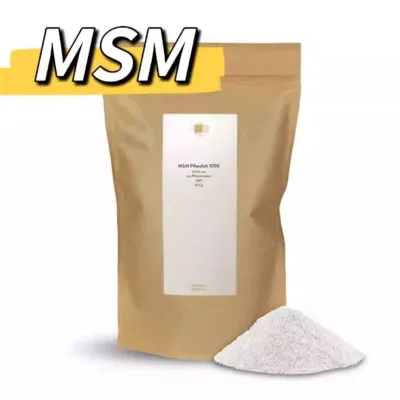

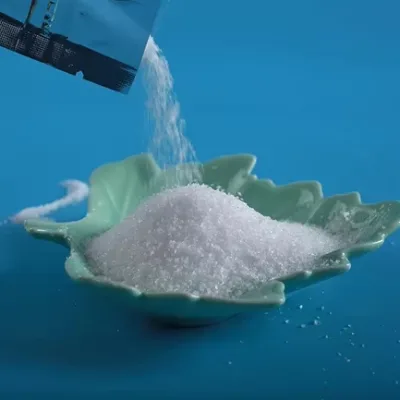


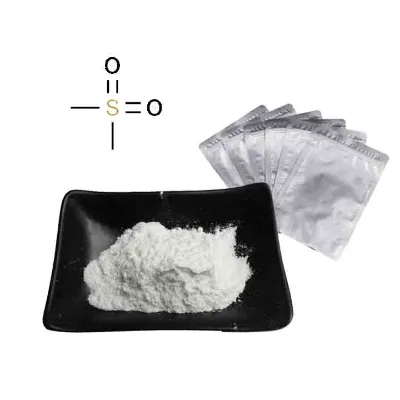
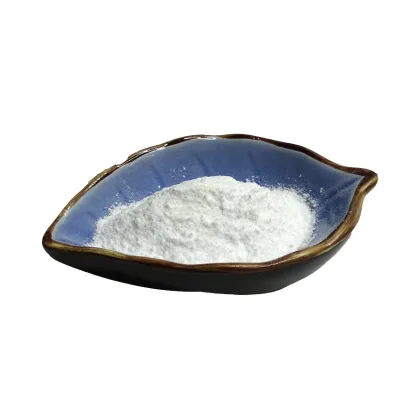


Comprehensive Sourcing Guide
Foods Grade Msm Powder Sourcing Guide
Procuring Foods Grade Msm Powder requires distinguishing between natural extraction and chemosynthesis sources, as the supply chain facts indicate both resource types are available. Buyers must verify the specific origin of the raw material, noting that some listings specify Qingdao, China, while others simply list China as the origin. This distinction impacts the traceability of the supply chain and the potential for natural versus synthetic impurities in the final bulk powder.
The physical form of the product is consistently observed as a white crystalline or fine powder, with particle sizes ranging from 20 to 80 mesh. Sourcing decisions should prioritize suppliers who offer customization for mesh size to match specific manufacturing equipment requirements. Additionally, the moisture content is a critical quality indicator, with observed specifications limiting moisture to 8.0% or less to ensure stability during storage and transport.
Product Scope and Observed Listing Signals
The product scope for MSM powder in the current market includes diverse applications ranging from dietary supplements to cosmetic ingredients. Listings frequently highlight functional attributes such as lowering blood pressure and reducing weight, though these claims must be validated against the specific regulatory framework of the destination market. Buyers should also note that while some products are marketed as beverages, the primary form is a raw powder intended for further processing into various final goods.
Packaging variations are significant, with options including 25 kg cartons, drums, and pallets, often utilizing double food plastic bags for internal protection. The observed price range is broad, spanning from 1 to 1500 USD, which suggests a wide variance in purity levels, packaging configurations, and order quantities. Procurement teams must carefully align their budget with the required purity standard, as lower-cost options may not meet the stringent 98% to 99% assay requirements observed in higher-grade listings.
Technical Specifications to Verify
Technical verification begins with the assay range, where high-confidence data points to a purity between 98.0% and 102.0% for standard grades. Buyers must explicitly request assay certificates to confirm that the DMSO content remains at or below 0.1%, as residual solvents can compromise the safety profile of the ingredient. The melting point is another critical physical constant, typically observed between 108.5 and 110.5 degrees Celsius, serving as a quick indicator of chemical identity and purity.
Particle size distribution is a key specification for processing efficiency, with common offerings including 20-40 mesh, 40-60 mesh, and 60-80 mesh options. The density of the powder is generally recorded around 1.1±0.1 g/cm3, which influences bulk shipping calculations and hopper design. Additionally, the boiling point of approximately 240.9±8.0 °C at 760 mmHg provides thermal stability data essential for manufacturers planning heat-intensive processing steps in their production lines.
Compliance and Safety Documentation
Compliance documentation is paramount, with suppliers often providing a suite of certifications including KOSHER, JAS, NOP, QS, HACCP, GMP, and ISO. These certifications indicate adherence to various international safety and quality management systems, but buyers must verify that the specific facility holds active status for the intended market. The presence of these credentials suggests a robust quality control infrastructure, yet they do not automatically guarantee compliance with local food additive regulations in every jurisdiction.
Safety data must also address the storage requirements, specifically the need for moisture-proof environments to maintain product integrity over a shelf life exceeding 12 months. The product is generally odorless or has a characteristic odor, and the ash content should not exceed 10.0%, ensuring low levels of inorganic contaminants. Buyers should request a Certificate of Analysis (CoA) for every batch to confirm that the physical and chemical properties align with the agreed-upon specifications before accepting delivery.
Cost Drivers and Commercial Terms
Cost drivers in the MSM powder market are heavily influenced by the resource type, with natural and chemosynthesis sources commanding different price points. The minimum order quantity (MOQ) varies significantly, ranging from 1 unit to 100 units, allowing flexibility for small-scale buyers while potentially increasing unit costs for larger bulk orders. Buyers must evaluate whether the cost savings from larger volumes outweigh the inventory holding costs associated with a shelf life that, while long, requires strict environmental control.
Commercial terms also encompass the logistics method, with sea or air freight options available depending on the urgency and volume of the shipment. The packaging material, often paper or plastic drums, adds to the overall cost structure and must be selected based on the specific protection needs of the product during transit. Customization options for logo printing are generally unavailable, meaning buyers should plan for their own branding strategies if private labeling is a requirement for their final product.
Supplier Qualification and Quality Control
Supplier qualification requires a deep dive into the manufacturing capabilities, specifically verifying the ability to maintain the 98% to 99% standard consistently across production batches. The availability of samples is a critical first step in the qualification process, allowing buyers to conduct independent laboratory testing for particle size, moisture, and assay levels. This verification step is essential to ensure that the supplier's internal quality control measures align with the buyer's strict acceptance criteria before committing to a larger contract.
Quality control protocols must also address the storage temperature stability, ensuring that the product remains stable under normal storage conditions. The supplier should demonstrate a clear understanding of the product's physical properties, such as the specific melting point and density, to prevent degradation during handling. Buyers should request a detailed quality manual that outlines the testing frequency for critical parameters like ash content and DMSO levels to ensure ongoing compliance with the agreed specifications.
Long-Term Procurement Checks
Long-term procurement success depends on establishing a reliable supply chain that can consistently meet the evolving demands of the market. Buyers should implement a periodic review process to re-verify certifications and test results, ensuring that the supplier maintains their GMP and ISO standards over time. This proactive approach helps mitigate the risk of supply disruptions and ensures that the ingredient quality remains consistent with the initial purchase specifications.
It is also vital to monitor the market for changes in the standard specifications, such as updates to the USP standard or new regulatory requirements for food additives. The supplier should be capable of adapting to these changes without significant lead time delays, maintaining the 25 kg or 20 kg packaging formats that are standard in the industry. Regular communication regarding inventory levels and production schedules will help buyers manage their own stock levels effectively and avoid production stoppages.
FAQs
What is the purity standard for Foods Grade Msm Powder?
The assay for Foods Grade Msm Powder typically ranges from 98.0% to 102.0%, ensuring high purity for dietary and cosmetic applications. This standard meets USP requirements and supports consistent quality in manufacturing processes. Buyers should verify specific batch certificates to confirm compliance with these strict assay limits for safety and efficacy.
Can Foods Grade Msm Powder be customized for specific packaging?
Yes, customization is available for Foods Grade Msm Powder packaging to meet diverse client needs. Standard options include 25 kg cartons with double food plastic bags or 20 kg cartons. Suppliers also offer 25 kg drums or palletized shipping configurations. Buyers can request specific packaging materials or dimensions to align with their logistical requirements.
Which certifications are available for Foods Grade Msm Powder suppliers?
Suppliers of Foods Grade Msm Powder often hold multiple certifications including KOSHER, JAS, NOP, QS, HACCP, GMP, and ISO. These credentials ensure the product meets international safety and quality standards for food and cosmetic ingredients. Buyers should request valid certification documents to verify compliance with their regional regulatory requirements before placing orders.
How should Foods Grade Msm Powder be stored to maintain quality?
Foods Grade Msm Powder should be stored in a normal, stable environment with moisture-proof conditions to preserve its integrity. The product remains stable for over 12 months when kept dry and protected from humidity. Proper storage prevents clumping and maintains the white crystalline appearance and chemical stability required for effective use in supplements and cosmetics.
What particle sizes are available for Foods Grade Msm Powder?
Foods Grade Msm Powder is available in various mesh sizes including 20-40, 40-60, and 60-80 mesh. These specifications allow buyers to select the appropriate granularity for their specific formulation needs. The powder appears as a white fine substance, ensuring easy mixing and dissolution in various beverage and supplement bases.
Where is Foods Grade Msm Powder typically manufactured?
Foods Grade Msm Powder is typically manufactured in China, with specific production often located in Qingdao. This region is a major hub for chemical and dietary supplement ingredient production. Buyers sourcing from this origin can access a wide range of suppliers offering competitive pricing and reliable export logistics for international shipments.