Source Foot Care Pumice Stone for Skin, Callus, and Dead Skin
Compare 30 Foot Care Pumice Stone options from verified suppliers. Buyers can review specifications, pricing, and customization details for foam glass and natural stone variants suitable for removing dead skin and calluses.
Key considerations
Products List




Comprehensive Sourcing Guide
Strategic Sourcing Guide for Foot Care Pumice Stone Products
Understanding Product Variants and Technical Specifications
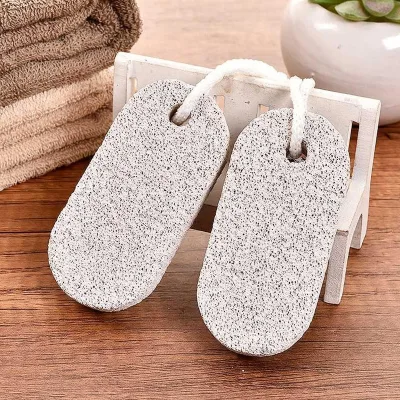
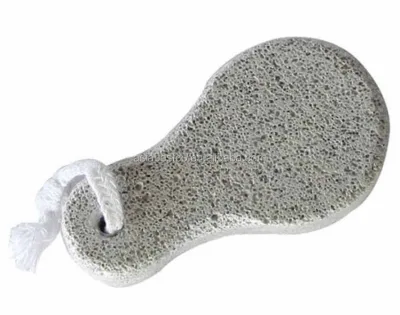
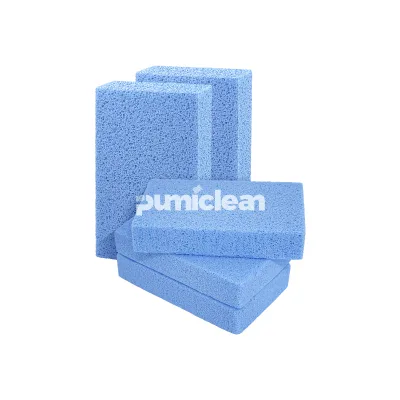
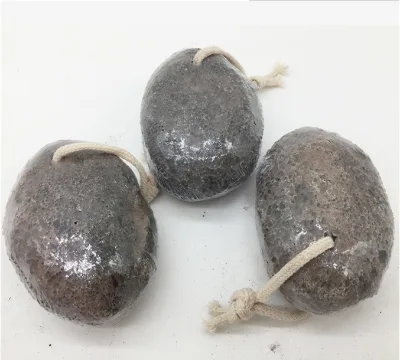
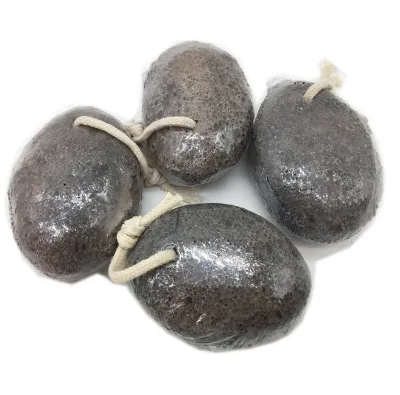
The market for foot care pumice stones presents a distinct divergence in material composition and physical form, requiring buyers to clearly distinguish between natural volcanic rock and synthetic alternatives. Based on current supply data, the primary categories include "Foam Glass Pumice Stone" and traditional "Pumice Stone" variants. The foam glass variant is explicitly described as having a material composition of "Foam Glass," which offers a different texture and durability profile compared to natural stone. This synthetic option is often marketed for its ability to remove dead skin, plantar calluses, and hard skin effectively while being lightweight.
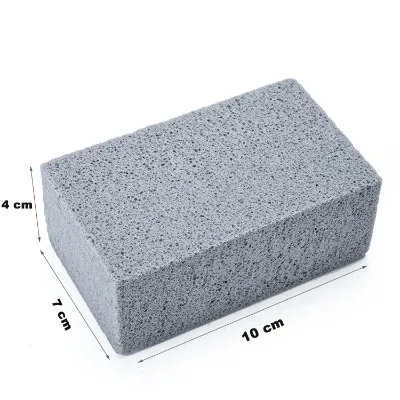
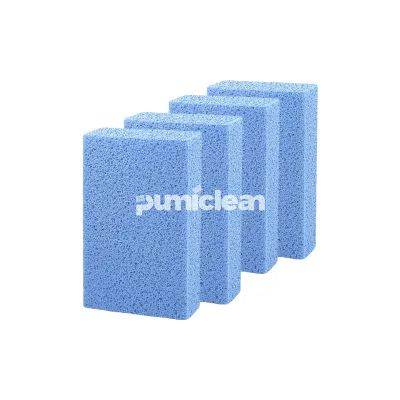
Physical dimensions vary significantly across listings, indicating a need for precise specification matching. Common standardized sizes observed include 153.22.5cm (approximately 5.911.260.984 inches) and 1074cm. Other listings specify a 20109cm variant or allow for fully customizable dimensions. The form factor is generally described as "Powder Massive" in bulk contexts but is manufactured into solid blocks for consumer use. Color options are diverse, ranging from standard white and gray to blue, black, and mixed variations. Buyers must verify the exact size and color requirements against the supplier's capability, as some vendors offer "Any Customized Size" while others adhere to fixed model numbers like FC250-B-004.
Compliance, Certification, and Safety Verification
When sourcing foot care products, particularly those intended for direct skin contact, verifying compliance and safety standards is paramount. While the provided data does not list specific certification bodies or test results, it highlights that the products are manufactured in China, with origins noted in both general regions and specific provinces like Jiangsu. The absence of explicit certification data in the supply list necessitates a rigorous verification process by the buyer.
Buyers should request documentation confirming that the foam glass material meets relevant safety standards for cosmetic and personal care tools. This includes verifying that the material is non-toxic, free from harmful heavy metals, and safe for repeated use on sensitive skin types, including combination skin. For products claiming to be suitable for "All Ages" and "Unisex" use, safety testing for sharp edges or breakage is critical. The data mentions a shelf life of 3 to 5 years, which implies a need for stability testing to ensure the material does not degrade or harbor bacteria over time. Buyers must confirm that the supplier can provide batch-specific test reports rather than relying solely on general product descriptions.
Cost Drivers and Pricing Structure Analysis
The pricing landscape for pumice stones is influenced heavily by material type, customization levels, and order volume. The observed price range in the market spans from $0.06 to $230, a wide variance that reflects the difference between single-unit samples, bulk raw materials, and finished, branded consumer goods. The low end of the spectrum likely represents raw bulk powder or simple, unbranded units, while the higher end may include premium packaging, private labeling, or specialized foam glass formulations.
Minimum Order Quantity (MOQ) is a significant cost driver. The data indicates a fragmented MOQ structure, with some suppliers offering as low as 1kg or 1 piece, while others enforce strict thresholds of 1000, 2000, or even 3000 pieces. This disparity suggests that buyers seeking small batches may face higher per-unit costs or limited supplier options. Conversely, larger orders may unlock economies of scale but require a commitment to volume. Customization is a key factor in cost; while "Customized Logo" and "Private Label" services are widely available, these services often incur additional setup fees or higher unit costs. Buyers should evaluate the total landed cost, including the impact of packaging choices such as OPP bags, polybags, or custom boxes, which can vary the final price point significantly.
Typical Applications and Usage Scenarios
The functional applications of foot care pumice stones extend beyond simple exfoliation, catering to various hygiene and maintenance needs. The primary use case identified is the removal of dead skin, hard skin, and plantar calluses on the foot. This makes the product a staple in personal grooming and podiatric care routines. The data also notes applications in kitchen and bath cleaning, suggesting that the abrasive properties of the foam glass or stone are versatile enough for general household scrubbing tasks.
Specific product models are tailored for distinct user needs. For instance, the "Foot Pumice Stone" is explicitly designed for foot skin care, while other variants are marketed for "Foam Glass Pumice Stone for Cleaning." The material's ability to function as an anti-aging, whitening, and moisturizing tool is also mentioned, although these claims should be validated through clinical or performance testing. The target audience includes all ages and genders, with a specific focus on combination skin types. This broad applicability allows buyers to position the product in multiple retail channels, from beauty supply stores to general hardware and home improvement retailers.
Supplier Evaluation and Operational Capabilities
Selecting the right supplier requires a detailed assessment of their operational capabilities, particularly regarding customization and logistics. The supply data confirms that customization is a standard offering, with suppliers accepting private labels and customized logos. This flexibility is crucial for brands looking to differentiate their products in a competitive market. However, the variation in origin locations, such as Tianjin and Jiangsu, may impact shipping logistics and lead times.
Buyers should evaluate suppliers based on their ability to meet specific packaging requirements. Options range from simple OPP bags and polybags to more complex carton and box packaging. Some suppliers offer specific packing densities, such as 120 pieces per carton for the 1074cm size and 12 pieces per carton for the larger 20109cm variant. These details are vital for calculating shipping costs and storage efficiency. Furthermore, the availability of free samples is a positive indicator of supplier confidence, allowing buyers to physically inspect the product quality before committing to a large order. Buyers must verify the port of loading and ensure it aligns with their supply chain strategy to avoid unexpected logistical delays.
Quality Control and Packaging Standards
Maintaining consistent quality is essential for foot care products, where user experience is directly tied to the product's texture and durability. The data highlights several packaging standards, including 25kg bags for bulk transport and shrink packaging for retail units. The choice of packaging not only protects the product during transit but also influences the perceived value and shelf appeal. For instance, the "Carton" packing standard suggests a robust solution for bulk shipments, while "Shrink Package" implies a retail-ready format.
Quality control measures should focus on the integrity of the foam glass or stone material. Buyers should verify that the product does not crumble excessively during use and that the edges are safe for skin contact. The specified shelf life of 3 to 5 years indicates that the material should remain stable and effective over time. However, without explicit test data in the supply list, buyers must implement their own quality control protocols. This includes checking for consistency in color (White, Gray, Blue, Black), verifying the weight (e.g., 28g for specific models), and ensuring that the dimensions match the ordered specifications exactly. Any deviation in size or weight could indicate a manufacturing inconsistency that affects the product's performance.
Long-Term Procurement and Market Considerations
For long-term procurement strategies, buyers must consider the scalability and market adaptability of the pumice stone supply chain. The "Main Market" data indicates strong demand in regions such as the USA, France, and Spain, suggesting that these products have international appeal. However, the diversity in MOQs and customization options means that buyers should plan for a phased approach to scaling. Starting with smaller orders to validate quality and market fit before committing to high-volume purchases is a prudent strategy.
The availability of "Customized" sizes and logos provides a pathway for product differentiation, allowing brands to create unique offerings that stand out in the crowded foot care market. Buyers should also monitor the evolution of material standards, as the shift toward foam glass may offer advantages in terms of sustainability or performance compared to natural stone. Finally, maintaining a strong relationship with suppliers who offer flexible packaging and reliable logistics will be key to managing inventory levels and responding to fluctuating market demands. By focusing on these strategic elements, buyers can build a resilient supply chain that supports both immediate sales and long-term growth.
FAQs
Can I get free samples of Foot Care Pumice Stone?
Free samples are available for Foot Care Pumice Stone products to allow quality verification before bulk orders. This option helps buyers inspect the foam glass material and dimensions like 15*3.2*2.5cm without initial cost commitment.
What customization options exist for Foot Care Pumice Stone?
Suppliers accept private labels and customized logos for Foot Care Pumice Stone to support brand differentiation. Buyers can also request specific sizes such as 10*7*4cm or 20*10*9cm, along with tailored packaging solutions like OPP bags or custom boxes.
How does the MOQ vary for Foot Care Pumice Stone?
Minimum order quantities for Foot Care Pumice Stone range widely from 1 piece to 3000 pieces depending on the supplier. Some vendors require 1000 or 2000 pieces, while others offer bulk purchasing starting at 1kg for raw material needs.
Which materials are used for Foot Care Pumice Stone?
Foot Care Pumice Stone is primarily manufactured from foam glass, offering a lightweight alternative to natural volcanic rock. This synthetic material is designed to effectively remove dead skin and plantar calluses while maintaining durability during repeated use on combination skin.
Where are Foot Care Pumice Stone products manufactured?
Foot Care Pumice Stone products originate from China, with specific manufacturing hubs noted in Jiangsu and Tianjin. Buyers should verify the port of loading and origin details to ensure alignment with their logistics strategy and shipping requirements.
What is the shelf life of Foot Care Pumice Stone?
The shelf life of Foot Care Pumice Stone typically ranges from 3 to 5 years when stored properly. This duration ensures the foam glass material remains stable and effective for removing hard skin without degrading or losing its abrasive properties over time.