Source Hvpcb for Oil Drilling, Circuit Protection, and PCB Assembly
Compare 30 verified Hvpcb options including oil drilling auxiliaries, circuit breakers, and rigid PCBs. Buyers can evaluate specifications like viscosity, voltage ratings, and material composition to find suitable suppliers for industrial applications; compare the available evidence and request quotations based on your requirements.
Key considerations
Products List


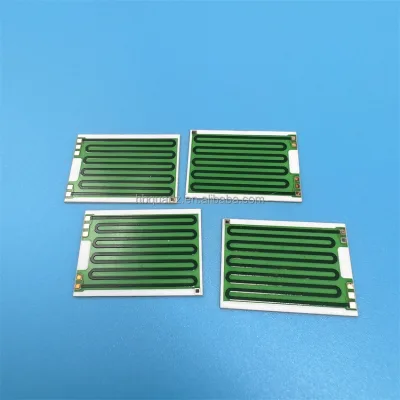

$0.68 - $10.80
MOQ: 1 Pieces


Comprehensive Sourcing Guide
Hvpcb Sourcing Guide
Product Scope and Observed Listing Signals
The procurement landscape for high-voltage printed circuit boards reveals a diverse array of industrial components, ranging from specialized auxiliary agents to complex electronic assemblies. Market listings indicate a broad price spectrum, with observed values spanning from minimal unit costs up to significant industrial investments, reflecting the variability in material complexity and manufacturing precision. Buyers must navigate this wide range by distinguishing between bulk chemical additives and precision-engineered electronic substrates, as the latter requires stringent quality controls and specific technical validations.
Observed minimum order quantities further highlight the dichotomy in this sector, with requirements stretching from single units for prototyping to large-scale palletized orders for mass production. This variance suggests that suppliers cater to both niche engineering projects and high-volume manufacturing needs. Procurement teams should align their order volumes with their production cycles, ensuring that the chosen supplier can accommodate the specific scale of demand without compromising on lead times or material consistency, particularly when dealing with specialized materials like cellulose ethers or rigid circuit boards.
Technical Specifications to Verify
Technical verification begins with understanding the fundamental material properties and structural integrity of the components. For rigid circuit boards, key attributes include the base material composition, such as paper phenolic copper foil substrates, and the copper thickness, which is often standardized at 1oz. Surface finishing techniques like ENIG play a critical role in ensuring reliable solderability and long-term corrosion resistance, while minimum hole sizes and line spacing specifications dictate the board's capability to handle high-density interconnects essential for high-voltage applications.
Beyond physical dimensions, electrical and environmental performance metrics are paramount. Buyers must verify dielectric properties, ensuring flame-retardant characteristics and appropriate insulation materials like organic resin. Parameters such as density, water content ratio, and swelling ratio provide insight into the material's stability under varying environmental conditions. Additionally, the operating speed and structure type, whether manual or electric, must align with the specific circuit breaker or protection device requirements, ensuring that the PCB can withstand the mechanical and electrical stresses of its intended function.
Compliance and Safety Documentation
Compliance with international standards is non-negotiable for high-voltage components, particularly those used in protective devices like RCCBs and circuit breakers. Documentation must verify adherence to IEC/EN61008.1 and GB16916.1 standards, which govern the safety and performance of residual current operated circuit-breakers. These standards ensure that the products meet rigorous testing protocols for breaking capacity, rated limiting short-circuit current, and rated working voltage, providing a baseline for safety and reliability in electrical installations.
Certification marks such as CE, CB, and CCC serve as critical indicators of regulatory compliance and market access. Buyers should request valid certificates to confirm that the supplier has undergone independent testing and quality audits. Furthermore, ISO9001 certification indicates a robust quality management system, ensuring consistent manufacturing processes. It is essential to verify that these certifications are current and applicable to the specific product models being procured, as outdated or generic certifications may not reflect the quality of the actual batch delivered.
Cost Drivers and Commercial Terms
Cost structures in this sector are heavily influenced by material selection, processing technology, and packaging requirements. The use of electrolytic foil and specific surface finishes like ENIG adds to the manufacturing cost but is often necessary for high-reliability applications. Packaging methods, ranging from vacuum packages for sensitive components to carton pallets for bulk shipments, also impact logistics costs. Buyers should analyze the total landed cost, including packaging and handling, rather than focusing solely on the unit price, to ensure accurate budgeting.
Commercial terms such as minimum order quantities and customization availability significantly affect procurement flexibility. Suppliers offering customization options allow for tailored solutions but may impose higher MOQs or longer lead times. Conversely, standard products with lower MOQs offer greater flexibility for testing and small-batch production. Negotiating clear terms regarding payment schedules, warranty periods, and return policies is crucial to mitigate financial risk, especially when dealing with high-value electronic components or specialized industrial agents.
Supplier Qualification and Quality Control
Supplier qualification requires a thorough assessment of manufacturing capabilities and quality assurance processes. Buyers should evaluate the supplier's ability to maintain consistent product standards, such as the specified pH levels and viscosity ranges for chemical agents, or the precise line spacing and hole sizes for PCBs. On-site audits or third-party inspections can verify that the production environment meets the required cleanliness and precision standards, reducing the risk of defects in high-voltage applications where failure can be catastrophic.
Quality control measures must be integrated into the supply chain, from raw material inspection to final product testing. Suppliers should provide detailed inspection reports and test data for each batch, confirming compliance with specified parameters like dielectric strength and mechanical durability. Establishing a clear communication channel for addressing non-conformities is essential, ensuring that any deviations from agreed specifications are promptly identified and resolved. This proactive approach to quality management helps maintain product integrity and supplier reliability over time.
Long-Term Procurement Checks
Long-term procurement success depends on continuous monitoring of supplier performance and market trends. Regular reviews of delivery times, product quality, and customer service responsiveness help identify potential issues before they impact production. Buyers should also stay informed about changes in industry standards and regulations, ensuring that their procurement strategies remain compliant with evolving safety and environmental requirements. This ongoing vigilance helps maintain a resilient supply chain capable of adapting to market fluctuations.
Additionally, fostering strong relationships with suppliers can lead to better pricing, priority service, and access to new technologies. Collaborative partnerships encourage innovation and continuous improvement, benefiting both the buyer and the supplier. By maintaining a diversified supplier base and regularly evaluating alternative sources, buyers can mitigate risks associated with single-source dependencies. This strategic approach ensures long-term stability and competitiveness in the procurement of high-voltage PCBs and related industrial components.
FAQs
What is the primary usage of the HV PCB product?
The primary usage is as an oil drilling auxiliary agent. This product serves specific industrial needs within the drilling sector. It is designed to function effectively in demanding environments where stability and performance are critical for operational success.
Which certifications does the product hold?
The product holds ISO9001, CE, CB, and CCC certifications. These standards ensure quality and safety compliance for international markets. Buyers can rely on these documented certifications when evaluating supplier capabilities and product reliability for their specific projects.
How is the product packed for shipment?
The product is packed in 25kg bags or cartons on pallets. This packaging ensures safe transport and handling during logistics. The specific packing method varies by model but consistently protects the integrity of the material throughout the supply chain.
Can the product be customized for specific needs?
Yes, customization is available for this product. Buyers can request specific modifications to meet unique project requirements. This flexibility allows for tailored solutions that align precisely with the operational demands of different industrial applications.
What is the origin of the product?
The product originates from China, specifically Wenzhou in Zhejiang province. This location is a known hub for manufacturing these types of industrial components. Buyers should consider this origin when planning logistics and evaluating regional supplier networks.
What is the minimum order quantity for this item?
The minimum order quantity ranges from 1 to 10000 units depending on the specific model. This wide range accommodates both small trial orders and large-scale industrial procurement needs. Buyers should verify the exact MOQ for their selected product variant.
What is the standard material composition of the PCB?
The PCB uses a paper phenolic copper foil substrate with a copper base. It features electrolytic foil processing and ENIG surface finishing. These materials provide the necessary dielectric and flame-retardant properties required for rigid circuit board applications.