Source For Land Rover Engine Camshaft for Repair, Maintenance, and Replacement
Find 30 listings for the For Land Rover Engine Camshaft with details on OE numbers, materials, and delivery times. Buyers can compare specifications from suppliers in Guangdong, China, and request quotes for single items or bulk orders.
Key considerations
Products List

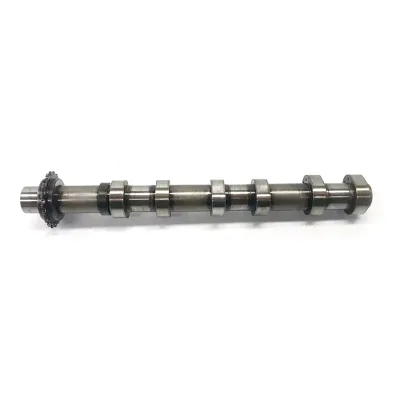
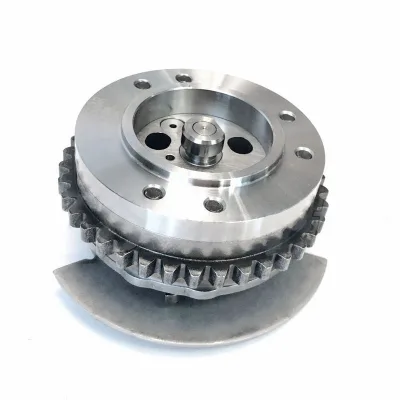

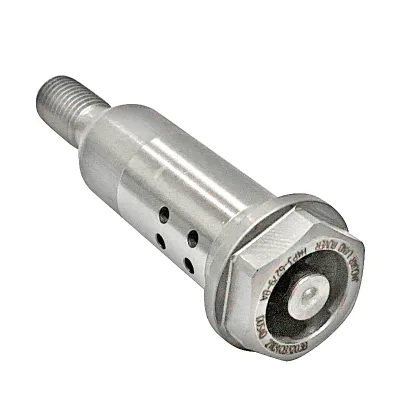


High Performance Crankshaft for Land Rover Range Rover 306PS Car Engine
$750.00 - $760.00
MOQ: 1 Pieces


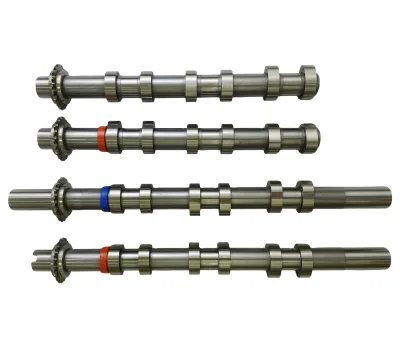
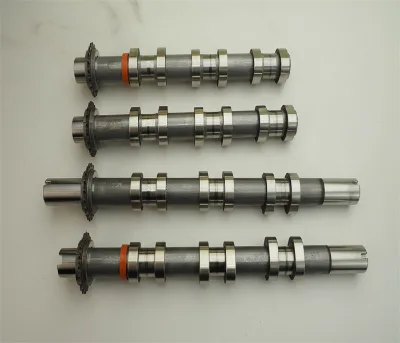
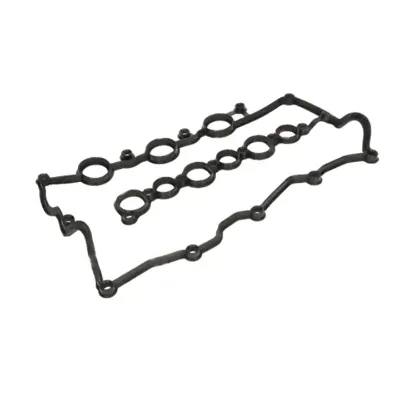

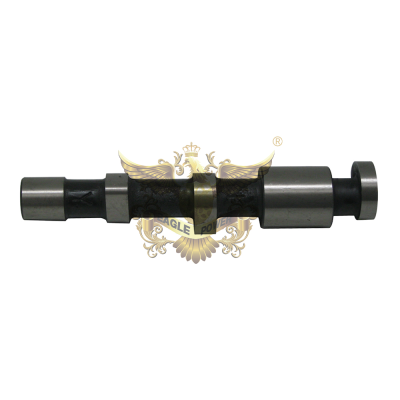


High Quality Crankshaft for Land Rover Aj200 / 204 Dta Engine Lr090358
$150.00 - $189.00
MOQ: 1 Pieces
Comprehensive Sourcing Guide
Strategic Sourcing Guide For Land Rover Engine Camshaft Components
Procuring replacement engine components for luxury and performance vehicles requires a rigorous approach that balances technical precision with supply chain reliability. When targeting the specific keyword "For Land Rover Engine Camshaft," buyers must navigate a complex landscape of OEM specifications, aftermarket variations, and logistical constraints. This guide provides a structured framework for evaluating potential suppliers and products, ensuring that the final procurement decision aligns with operational requirements and vehicle safety standards. The focus remains on evidence-based criteria derived from observable market data and established engineering principles.
Technical Specifications and Compatibility Verification
The primary challenge in sourcing camshaft components for Land Rover vehicles lies in the precise alignment of part numbers and engine architecture. The market data indicates a high prevalence of specific OE numbers associated with these components, including LR057781, JDE36144, 1311296, and LR061550. These identifiers are critical; a mismatch in even a single digit can result in catastrophic engine failure due to incorrect valve timing or lobe profile. Buyers must verify that the product model number explicitly matches the vehicle's engine generation. For instance, while some listings reference a model number of LR061550, others may cite Bedford J6330 or specific engine displacement codes like 3.0L.
Material composition is another non-negotiable technical parameter. The observed product attributes list "Steel" as a primary material, while other entries specify "Cast Iron." This distinction is vital for thermal expansion properties and wear resistance. A camshaft designed for a gasoline engine, as noted in the application data, must possess specific hardness and tensile strength characteristics. The standard size is frequently cited as "standard size," but this is a relative term that requires cross-referencing against the physical dimensions of the specific Land Rover model in question. The single package size varies, with observations ranging from 20x20x8 cm to generic XX cm dimensions, indicating that packaging is often customized to the product's physical footprint.
Buyers should prioritize products that explicitly state "100% Brand-new" or "New" condition. The market data includes variations such as "100% -new," which, while likely a typographical variance, underscores the necessity of verifying the condition claim directly with the supplier. The purpose of these components is strictly defined as "for replace/repair," meaning they are intended to restore the engine to its original operating parameters rather than enhance performance beyond factory specifications.
Compliance, Certification, and Standard Adherence
In the automotive aftermarket, compliance is not merely a regulatory formality but a prerequisite for liability protection and vehicle safety. The supplied data references several certification bodies, specifically "CE" and "ISO." These certifications suggest that the manufacturing process adheres to European safety standards and international quality management systems. However, the presence of these labels in a product listing does not automatically guarantee that every unit in a batch is certified. Buyers must request valid, up-to-date certification documents that correspond to the specific batch of goods being purchased.
The standard for these components is listed variably as "10kg," "By The Customer Needs," and "STD/OEM/ODM." The "10kg" reference is ambiguous in the context of a single camshaft and likely refers to a packaging weight limit or a specific industry standard classification rather than the part's mass. The "By The Customer Needs" standard indicates a high degree of customization, which is a double-edged sword. While it offers flexibility, it also increases the risk of deviation from OEM tolerances. The "STD/OEM/ODM" designation suggests that the supplier is capable of producing to original equipment manufacturer specifications or custom designs.
Buyers must verify that the "Exported Standard Packing" and "Wooden & Pallet" options meet international shipping requirements. Improper packaging can lead to damage during transit, rendering a technically sound component unusable. The "Neutral Package" option is also noted, which is common for aftermarket parts to avoid branding conflicts, but it requires the buyer to ensure that the internal protection is sufficient to prevent corrosion or physical deformation.
Cost Drivers and Pricing Structure Analysis
Understanding the cost structure of engine camshafts is essential for budgeting and negotiating effective terms. The observed price range in the market spans from $3.28 to $1,000 USD. This wide variance is indicative of significant differences in product quality, material grade, brand reputation, and the complexity of the specific engine application. The lower end of the spectrum may represent generic aftermarket parts or components with minimal quality assurance, while the upper end likely reflects high-performance OEM-equivalent parts or those with extensive testing and certification.
The Minimum Order Quantity (MOQ) is another critical cost driver. The data shows an MOQ range of 1 to 1000 units, with a specific observation of 20 pieces for certain listings. A lower MOQ allows for smaller, more frequent orders, reducing inventory holding costs but potentially increasing the unit price due to the lack of economies of scale. Conversely, a high MOQ of 1000 units may secure a lower unit price but ties up significant capital and requires robust storage solutions.
Payment terms also influence the effective cost of procurement. The listed payment methods include "T/T" (Telegraphic Transfer) and "PayPal." T/T is standard for B2B transactions and often offers better pricing for larger orders, while PayPal provides buyer protection for smaller transactions but may incur higher fees. Buyers should consider the total cost of ownership, including shipping, insurance, and potential duties, which can significantly impact the final price compared to the base product cost.
Typical Applications and Engine Compatibility
The application of these camshaft components extends beyond a single vehicle model. The data explicitly lists "Car, Truck, Tractor" as potential applications, though the primary focus for Land Rover components is on automotive use. The specific "Car Make" is identified as "For Land Rover Jaguar," indicating a shared platform or component strategy between these brands. This overlap means that a camshaft designed for a Jaguar engine might be compatible with a Land Rover model, but verification is mandatory.
The engine type is specified as "Gasoline," which dictates the combustion dynamics and valve timing requirements. Camshafts for gasoline engines typically operate at higher RPMs and require different lobe profiles compared to diesel engines. The "Single package size" and "Single gross weight" of 1.200 kg provide a baseline for logistics planning, but buyers must confirm these figures for the specific part number. The "Selling Point" of "Attractive Price" suggests that cost competitiveness is a key market differentiator, but it should not come at the expense of the "High-Quality" or "Standard" quality attributes required for engine longevity.
Supplier Evaluation and Operational Capabilities
Evaluating a supplier for engine components requires a deep dive into their operational capabilities and track record. The "Place of Origin" is consistently listed as "Guangdong, China," a major manufacturing hub for automotive parts. While this location offers access to a vast supply chain, it also necessitates rigorous due diligence regarding the specific factory's quality control processes. The "Brand Name" NMN appears in the data, but buyers should not rely solely on brand recognition; they must verify the manufacturer's reputation for producing parts that meet Land Rover's stringent engineering standards.
The "Customization" attribute is marked as "Available," which is a significant factor for buyers with unique requirements or those seeking to replace discontinued OEM parts. However, customization introduces variability. Buyers must ensure that the supplier has the technical expertise to maintain tolerances during the customization process. The "Delivery time" varies from 30-60 days to 7-60 days, reflecting the complexity of the order and the supplier's current production load. A lead time of 30-60 days is typical for custom or high-volume orders, while shorter windows may apply to stock items.
Quality Control and Long-Term Procurement Strategy
Quality control is the linchpin of successful procurement for engine components. The data highlights "High-Quality" and "Standard" as key attributes, but these terms are subjective without objective metrics. Buyers should demand detailed inspection reports, including hardness tests, dimensional analysis, and material composition certificates. The "Warranty" period is listed as "12 months" or "1 Years," which serves as a baseline for the supplier's confidence in their product. A warranty of less than 12 months may indicate lower quality or higher risk.
Long-term procurement considerations involve building a sustainable relationship with suppliers who can consistently deliver high-quality parts. The "OE NO." list provides a clear roadmap for compatibility, but buyers should also consider the "Selling Units" of "Single item," which allows for flexible ordering without the pressure of bulk purchases. The "Purpose" of "replace/repair" reinforces the need for parts that restore the vehicle to its original state.
To mitigate risk, buyers should implement a phased testing strategy. Start with a small order to verify the quality and fitment of the camshaft before committing to larger volumes. Regular audits of the supplier's manufacturing facility can ensure that quality standards are maintained over time. Additionally, maintaining a buffer stock of critical components can prevent production downtime in the event of supply chain disruptions.
Logistics and Packaging Considerations
The logistics of shipping engine components require careful planning to prevent damage. The "prod_packing" attributes include "Ocean Freight," "Wooden & Pallet," and "Neutral Package." Ocean freight is cost-effective for large volumes but requires robust packaging to withstand humidity and handling. Wooden pallets provide excellent stability for heavy items, while neutral packaging may reduce costs but requires additional internal protection.
The "Single gross weight" of 1.200 kg is a critical figure for calculating shipping costs and selecting appropriate freight forwarders. Buyers should ensure that the packaging meets the "Exported Standard Packing" requirements to avoid customs delays or rejection. The "Single package size" of 20x20x8 cm provides a standard dimension for palletization, but variations exist, and buyers must confirm the exact dimensions for their specific order.
In conclusion, sourcing "For Land Rover Engine Camshaft" components requires a meticulous approach that prioritizes technical accuracy, compliance, and supplier reliability. By adhering to the guidelines outlined in this guide, buyers can navigate the complexities of the market and secure high-quality parts that ensure the longevity and performance of their vehicles. The key lies in balancing cost efficiency with the uncompromising standards required for automotive engine components.
FAQs
What is the typical delivery time for these camshafts?
Delivery times typically range from 7 to 60 days depending on order volume. Some listings specify a standard window of 30 to 60 days for custom or bulk orders, while stock items may ship faster.
Which certifications are available for these engine parts?
Products often carry CE and ISO certifications to indicate compliance with safety and quality standards. Buyers should verify that specific batches include valid documentation matching these labels before purchasing.
Can I find camshafts with a minimum order quantity of one?
Yes, some suppliers offer a minimum order quantity of one unit for single-item purchases. However, other listings may require a minimum of 20 pieces, so checking individual product terms is essential.
What materials are used to manufacture these camshafts?
Manufacturers primarily use steel and cast iron for these components to ensure durability. The specific material depends on the engine type, with gasoline engines often requiring steel variants for high-performance needs.
How is the packaging handled for ocean freight shipments?
Items are typically packed in export standard packaging, often using wooden pallets or neutral boxes. This ensures protection during transit, with specific dimensions like 20x20x8 cm noted for single packages.
Which OE numbers match Land Rover and Jaguar models?
Common matching OE numbers include LR057781, JDE36144, 1311296, and LR061550. Buyers must cross-reference these codes with their vehicle's specific engine requirements to ensure correct fitment and function.
What warranty period is offered for these new parts?
Most suppliers provide a warranty period of 12 months or one year for brand-new items. This coverage applies to defects in material or workmanship, ensuring protection against early failure.