Source For Suzuki Power Window Switch for Repair, Replacement, and Refurbishment
Find and compare 30 available For Suzuki Power Window Switch options from verified suppliers. Evaluate specifications such as OE numbers, material composition, and warranty terms to identify suitable components for automotive repair and replacement projects.
Key considerations
Products List


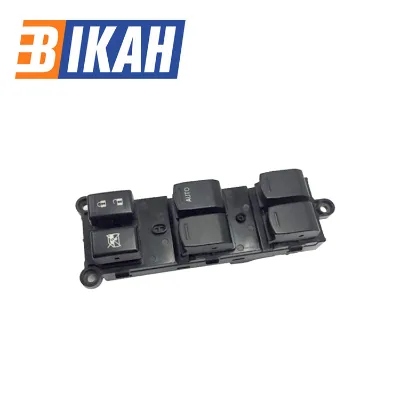
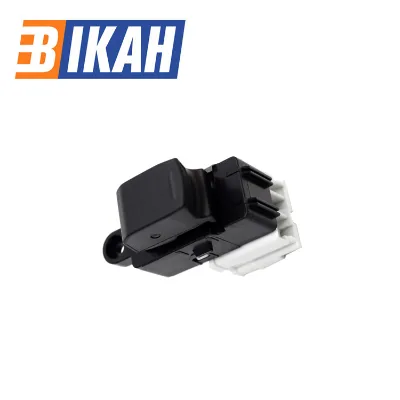
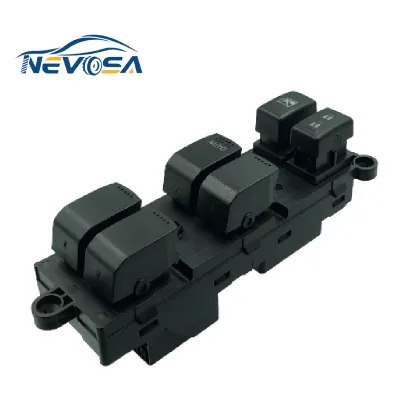
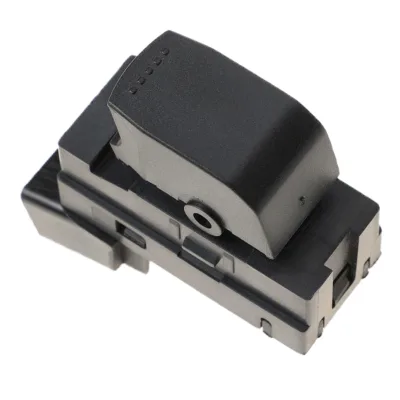
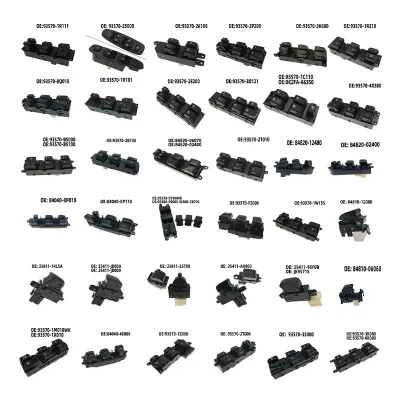
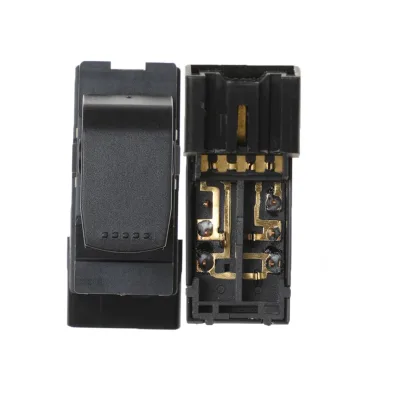
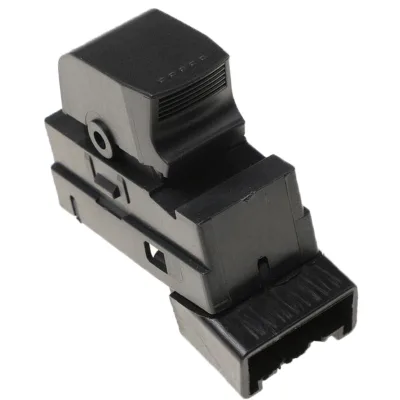
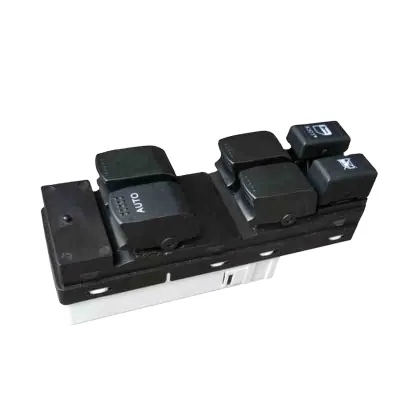
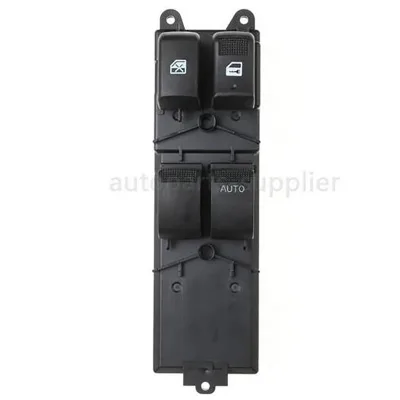
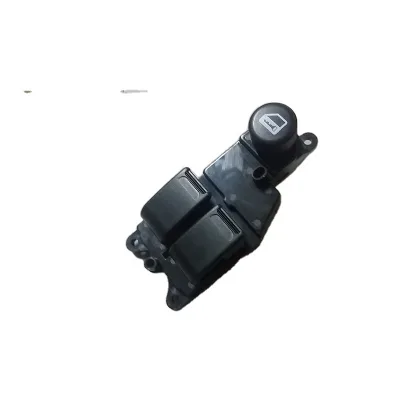
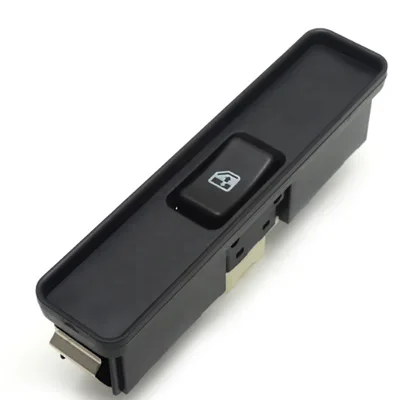
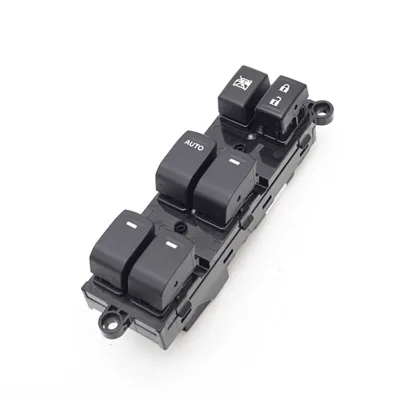


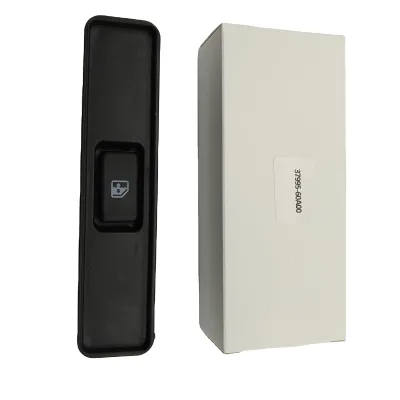
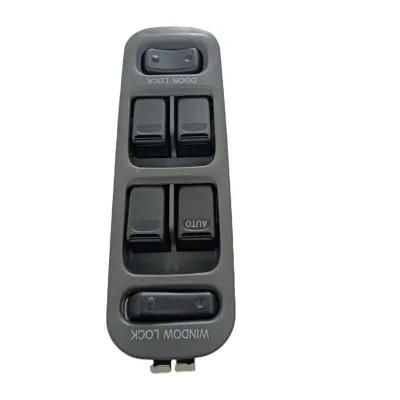
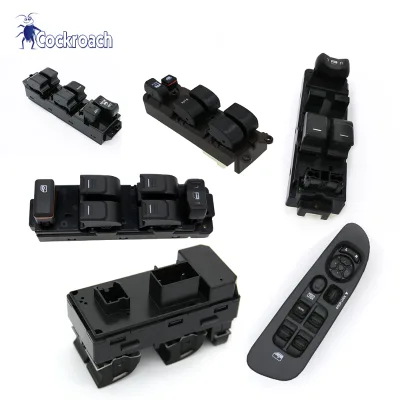
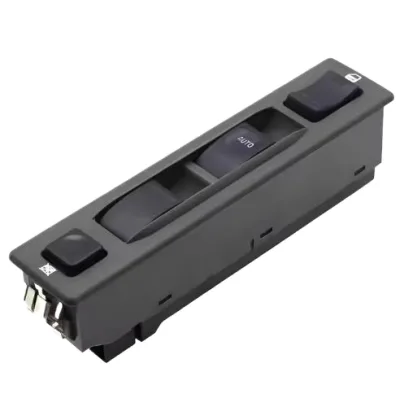
Electric glass regulator switch Window switch For Suzuki 3799056B00 37990-56B00
$10.10 - $11.51
MOQ: 30 pieces
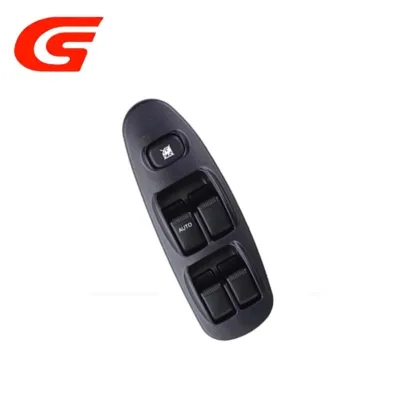
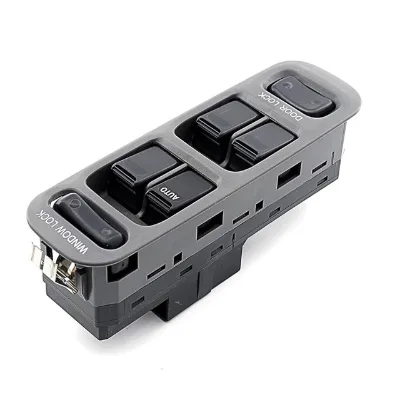

Comprehensive Sourcing Guide
For Suzuki Power Window Switch Sourcing Guide
Sourcing replacement components for automotive electrical systems requires a disciplined approach to ensure compatibility, reliability, and long-term operational safety. The For Suzuki Power Window Switch represents a critical interface between the vehicle operator and the vehicle’s power distribution network. These switches control the deployment of electrical current to window motors, dictating the speed and direction of glass movement. Because these components are subject to frequent manual actuation and exposure to varying environmental conditions, the integrity of the internal contacts and the durability of the housing are paramount. Buyers must recognize that a failure in this single component can render a vehicle’s accessibility features inoperable, impacting both user convenience and resale value. Therefore, the procurement process must prioritize verified compatibility and robust build quality over superficial cost advantages.
The global market for automotive replacement parts is vast, with suppliers offering a wide array of options that vary significantly in origin, material composition, and warranty terms. For buyers targeting the Suzuki brand, the complexity lies in the specific model variations and the corresponding part numbers that define electrical pinouts and physical mounting configurations. A mismatch in these specifications can lead to immediate installation failure or, worse, electrical short circuits that damage the vehicle’s main control unit. This guide provides a structured framework for evaluating suppliers and products, focusing on the observable signals present in current market listings. By adhering to the evidence-based criteria outlined below, procurement professionals can mitigate risk, ensure regulatory compliance, and secure supply chains that support both immediate repair needs and long-term inventory stability.
Product Scope and Observed Listing Signals
Current market observations indicate a diverse range of window lifter switches available, primarily categorized by their specific model designations and intended vehicle applications. Listings frequently reference specific part numbers such as RC-SZ021, RC-SZ007, RC-SZ008, and RC-SZ010, alongside OEM equivalents like 37990-58M00, 37995-F1100, 37990-78M00, and 3799562J00. These identifiers are crucial for narrowing down the search to components that physically and electrically match the target Suzuki models. The presence of customization options in many listings suggests that suppliers may offer tailored packaging or branding solutions, which can be valuable for private label distributors or specialized repair chains. However, buyers must verify that such customization does not compromise the underlying electrical integrity or the standard size requirements mandated by the vehicle manufacturer.
The observed product attributes reveal a strong emphasis on quality assurance and post-sale support, with many suppliers highlighting a 12-month or one-year warranty period. This warranty coverage serves as a baseline indicator of supplier confidence in their manufacturing processes, though it should be treated as a commercial term rather than a guarantee of infinite durability. Additionally, the material composition is consistently noted as ABS plastic, a standard choice for automotive interior components due to its impact resistance and dimensional stability. The condition of the products is uniformly listed as new, and many suppliers claim that items are 100% tested before dispatch. While these claims are positive signals, they represent supplier assertions that must be validated through independent quality control measures or sample testing before committing to large-volume orders.
Technical Specifications to Verify
Verifying the technical specifications of a window switch is the most critical step in preventing installation errors and operational failures. The primary technical attribute to confirm is the model number, which must exactly match the OEM reference for the specific Suzuki vehicle variant. For instance, listings indicate compatibility with OE numbers such as 37990-78M00, 3799084F20P4Z, and 3799562J00. Buyers must cross-reference these numbers with their vehicle’s service manual or existing part tags to ensure a precise fit. The physical dimensions of the switch housing and the configuration of the electrical connector pins are non-negotiable specifications. Even a minor deviation in pin layout can prevent the switch from interfacing correctly with the vehicle’s wiring harness, leading to immediate rejection of the part upon delivery.
Material quality and packaging standards also play a significant role in the technical viability of the product. The use of ABS material is standard, but buyers should inspect samples for signs of brittleness or poor molding, which can lead to cracking during installation or use. The packaging details, often described as neutral or customized, should provide adequate protection against static discharge and physical damage during transit. Furthermore, the single package size and gross weight, such as 19x10x9 cm and 0.200 kg respectively, are important for logistics planning and cost calculation. Buyers must ensure that the supplier’s stated dimensions align with the actual product to avoid unexpected shipping surcharges or storage issues. The color, typically black, should also match the interior trim of the target vehicle to maintain aesthetic consistency, although this is a secondary concern to functional compatibility.
Compliance and Safety Documentation
While specific certification documents are not always explicitly listed in general product descriptions, compliance with automotive safety standards is implicit in the manufacturing process. Buyers should request evidence that the supplier adheres to OEM standard sizes and quality protocols, as indicated in some listings. The claim of "OEM STANDARD SIZE" suggests that the components are manufactured to fit within the strict tolerances required by the original equipment manufacturer. However, buyers must verify that the supplier can provide documentation confirming adherence to relevant international quality management standards, such as ISO 9001, which governs the consistency of manufacturing processes. Without such documentation, the risk of receiving inconsistent batches of products increases, potentially leading to field failures and warranty claims.
Electrical safety is another critical compliance area that requires attention. The window switch is a live component that carries current to the motor, and any defect in insulation or contact resistance can pose a fire hazard or cause electrical system failure. Buyers should inquire about the supplier’s testing procedures, specifically looking for evidence of dielectric strength testing and contact resistance verification. The assertion that products are "100% tested" is a positive indicator, but it must be supported by detailed test reports or quality control records. Additionally, buyers should ensure that the materials used in the switch housing are free from hazardous substances, complying with regulations such as RoHS, which restricts the use of certain materials in electrical and electronic equipment. This compliance is essential for market access in many regions and demonstrates a commitment to environmental and safety standards.
Cost Drivers and Commercial Terms
The cost of for suzuki power window switches is influenced by several factors, including the complexity of the design, the quality of materials, and the volume of the order. The observed price range of 1-19.9 USD suggests a wide variation in product tiers, from basic replacement units to higher-quality OEM-equivalent switches. Buyers must understand that lower prices may correlate with reduced warranty periods, less rigorous testing, or inferior materials. The minimum order quantity (MOQ) ranges from 2 to 200 pieces, offering flexibility for both small repair shops and large distributors. However, buyers should be aware that ordering below the MOQ may result in higher per-unit costs or limited availability, while ordering above it may secure better pricing but increase inventory holding costs.
Commercial terms such as payment methods, delivery times, and warranty conditions are also significant cost drivers. Suppliers typically offer payment options like TT, PayPal, and Western Union, each with different transaction fees and security levels. Delivery times vary from 3-10 working days to 15-30 days, depending on the supplier’s stock levels and production capacity. Buyers must factor these lead times into their inventory planning to avoid stockouts. The warranty period, often cited as 12 months or one year, provides a buffer against early failures, but buyers should clarify the terms of warranty claims, including who bears the cost of return shipping and how replacements are processed. Understanding these commercial nuances is essential for accurate total cost of ownership calculations and effective supply chain management.
Supplier Qualification and Quality Control
Qualifying a supplier for automotive parts requires a thorough assessment of their production capabilities, quality control systems, and track record. Buyers should prioritize suppliers who demonstrate a clear understanding of the specific requirements for Suzuki components, as evidenced by their accurate listing of model numbers and OE references. The location of the supplier, often in Guangzhou or Guangdong, China, is a common hub for automotive parts manufacturing, but buyers must verify the supplier’s actual factory conditions and management practices. Requesting video tours or third-party audit reports can provide valuable insights into the supplier’s operational integrity and commitment to quality.
Quality control is the cornerstone of reliable procurement, and buyers must implement rigorous inspection protocols. This includes verifying the "100% tested" claims through independent sampling and functional testing upon receipt. Buyers should also assess the supplier’s ability to provide consistent quality across batches, which is critical for maintaining customer satisfaction. The supply ability, noted as 9000 pieces per month in some listings, indicates the supplier’s capacity to handle large orders, but buyers must ensure that this capacity does not come at the expense of quality. Establishing a clear communication channel for addressing defects and returns is also essential, as is the supplier’s responsiveness to technical queries and support requests.
Long-Term Procurement Checks
Long-term procurement success depends on the ability to monitor supplier performance and adapt to changing market conditions. Buyers should establish key performance indicators (KPIs) to track metrics such as on-time delivery, defect rates, and warranty claim frequency. Regular reviews of these metrics can help identify potential issues early and facilitate corrective actions. Additionally, buyers should maintain a diversified supplier base to mitigate the risk of supply chain disruptions. This involves qualifying multiple suppliers for the same or similar products, ensuring that there are alternative sources available if primary suppliers fail to meet expectations.
Continuous improvement is also vital in the automotive parts industry, as technology and regulations evolve over time. Buyers should stay informed about new developments in window switch technology, such as the integration of smart features or improved energy efficiency. Engaging with suppliers to discuss future product roadmaps and potential upgrades can help buyers stay ahead of the curve. Furthermore, buyers should regularly update their internal specifications and requirements to reflect changes in vehicle models and customer needs. By maintaining a proactive and adaptive approach to procurement, buyers can ensure a steady supply of high-quality for suzuki power window switches that meet the demands of their customers and support the long-term success of their business.
FAQs
What is the warranty period for these switches?
The warranty period is 12 months or 1 year depending on the specific listing. This coverage ensures protection against defects for a full year after purchase, providing buyers with confidence in the product durability and quality assurance.
Can I request custom packaging for this order?
Yes, customization is available for packaging requirements. Buyers can choose between customized or neutral packing options to suit their specific branding or logistical needs while maintaining the standard product quality and safety.
Which model numbers are available for Suzuki vehicles?
Available model numbers include RC-SZ021, RC-SZ007, RC-SZ008, RC-SZ010, and various OE numbers like 37990-78M00. These specific identifiers ensure compatibility with different Suzuki power window systems and repair requirements.
How long does delivery take from Guangzhou?
Delivery times range from 3 to 30 working days depending on the specific supplier and shipping method selected. Most orders ship within 3 to 10 days, while others may require up to 15 to 30 days for processing.
What is the minimum order quantity for these parts?
The minimum order quantity varies between 4 and 200 pieces based on the specific supplier listing. Some vendors accept orders as low as 4 pieces, while others may require higher volumes to process the transaction.
Are these switches made from ABS material?
Yes, the product material is specified as ABS for durability and safety. This construction ensures the switches can withstand regular use while maintaining structural integrity during installation and operation in vehicle environments.
Can I find suppliers with a monthly capacity of 9000 pieces?
Yes, some suppliers offer a supply ability of 9000 pieces per month. This capacity indicates the vendor can handle large volume orders efficiently while maintaining consistent quality and timely delivery schedules for bulk buyers.