Source Formed End Pipe for Ship, Underground, and Oil/Gas
Compare 30 listings for Formed End Pipe suitable for ship, underground, and oil/gas applications. Buyers can evaluate specifications like material, size, and surface treatment from multiple Chinese manufacturers.
Key considerations
Products List


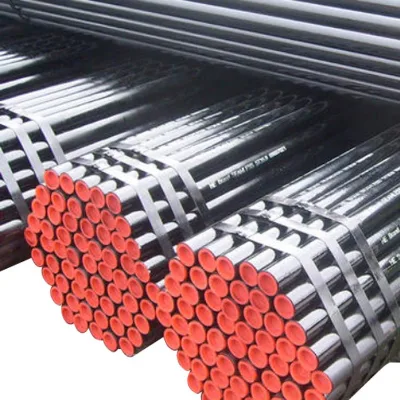
Hot Rolled Seamless Steel Pipes, Hot Finished Formed Seamless Steel Tubes
$950.00 - $1700.00
MOQ: 25 Tons




Comprehensive Sourcing Guide
Strategic Sourcing Guide for Formed End Pipe Procurement
Understanding Formed End Pipe Specifications and Material Variants
The procurement of Formed End Pipe requires a granular understanding of the diverse material compositions and geometric configurations available in the global market. Based on current supply data, the term "Formed End Pipe" encompasses a broad spectrum of products ranging from castable alloys to standard carbon and stainless steel variants. Buyers must first distinguish between the primary material classes observed in listings, as these dictate the downstream application viability. The market currently features significant volumes of Castable materials, often associated with high-temperature environments such as conversion furnace pipes. Simultaneously, Stainless Steel and Carbon Steel remain dominant categories, with specific steel grades like Q235B, Q355BS235, and S355 frequently cited for structural and industrial applications.
Geometric specifications are equally critical. The supply chain offers products defined by specific shapes, including Pipe and Equal configurations, with head codes typically described as Round. The manufacturing techniques vary significantly, with Casting and Cold Drawn processes being prominent, alongside Hot Rolled methods. Surface treatments further differentiate the product offerings, with Galvanized finishes providing corrosion resistance and Polished surfaces catering to sanitary or aesthetic requirements. The dimensional ranges observed in the market are extensive, with outer diameters (OD) spanning from 21.3mm to 1016mm and thicknesses ranging from 1.65mm to 14.3mm. Specific size configurations, such as 1.5 inches or dimensions like 48.3x3.25mm, are also common. When sourcing, buyers must verify if the specific formed end geometry aligns with the required connection type, which is frequently listed as Flange or compatible with Plain, Grooved, or Threaded ends.
Compliance, Standards, and Certification Verification
Navigating the compliance landscape for Formed End Pipe involves rigorous verification of international standards and certification bodies. The market data indicates a reliance on specific material standards, including 1.4848, 1.4852, and 2.4879, which are often associated with high-performance alloys. For stainless steel applications, standards such as ASTM A312, ASTM A358, and ASTM A270 are frequently referenced, ensuring the material meets specific chemical and mechanical property requirements. Additionally, some listings reference dimensional standards like 6mm-1219mm or specific size ranges such as 1/2''- 6'', which buyers must cross-reference against their engineering drawings.
Certification plays a pivotal role in validating supplier credibility. While ISO certification is a standard expectation for quality management systems, and SGS is noted as a verification body for specific product batches, buyers should not assume universal compliance. The presence of CE marking in background data suggests a potential market trend, but it should be treated as a variable attribute requiring active confirmation rather than a guaranteed baseline. When evaluating a supplier, procurement teams must request current certificates of conformity that explicitly link the product batch to the cited standards (e.g., ASTM A312). It is essential to verify that the "Customized" nature of the product does not void standard compliance; rather, the customization should be executed within the bounds of these established standards. Buyers should also be aware that "MORE 2" and "HPNb" are listed as standards or material indicators, necessitating clarification on their specific technical definitions before finalizing a purchase order.
Cost Drivers and Pricing Dynamics in the Market
The pricing structure for Formed End Pipe is highly volatile and influenced by a complex matrix of material costs, customization levels, and logistical factors. The observed price range in the market spans from 0.01 USD to 3000 USD, a disparity that reflects the difference between small-scale components and large, specialized industrial units. This wide variance is primarily driven by the material composition; Castable materials and high-grade Stainless Steel typically command a premium over standard Carbon Steel variants. Furthermore, the surface treatment process significantly impacts cost. Galvanized pipes, which require a zinc thickness ranging from 200-550g per square meter, incur additional processing costs compared to uncoated or polished alternatives.
Customization is another major cost driver. The market data confirms that Customization is available and that prod_packing can be tailored to specific needs, such as Woven Bag, Carton, or Bundling with steel strips. These bespoke packaging solutions, while essential for preventing damage during transit, add to the unit cost. The MOQ (Minimum Order Quantity) also plays a crucial role in the final landed cost. The observed MOQ range is 1 to 50,000 units, meaning that buyers ordering small quantities may face higher per-unit costs due to setup fees, whereas bulk orders can leverage economies of scale. Additionally, the origin of the product, primarily China and specifically Tianjin, influences pricing due to local labor costs, raw material availability, and export logistics. Buyers should anticipate that "Customized" orders, particularly those requiring specific models like JJGF270 or JJGF280, will likely involve a higher price point than standard off-the-shelf items.
Typical Applications and Industry Use Cases
Formed end pipes serve a multitude of critical functions across various industrial sectors, with the application profile heavily dependent on the material and finish selected. The data highlights usage in Pipeline Transport, Machinery Industry, Chemical Industry, and Oil/Gas Drilling, indicating that these components are integral to heavy infrastructure and energy sectors. The Anti Corrosion special function is a key attribute for pipes deployed in Underground environments or marine settings, such as Ship applications. In these contexts, the Galvanized surface treatment and specific steel grades like Q235B or S355 are essential for longevity.
Beyond heavy industry, formed end pipes are utilized in Construction & Decoration and Food/Beverage/Dairy Products sectors. For food and beverage applications, the Polished surface treatment and Stainless Steel material are non-negotiable to meet hygiene standards. The Conversion Furnace Pipe specification points to high-temperature industrial processes, where Castable materials and standards like 1.4848 are required to withstand thermal stress. The versatility of the product is further demonstrated by its adaptability to different connection methods; Flange connections are standard for high-pressure systems, while Threaded or Grooved ends facilitate easier assembly in lower-pressure piping networks. Buyers must align the specific application requirements with the observed attributes, ensuring that the chosen pipe model (e.g., Amanda20200709-3) is suitable for the intended operational environment.
Supplier Evaluation and Origin Verification
Evaluating suppliers for Formed End Pipe requires a meticulous assessment of their operational capabilities and geographic origins. The primary source of supply identified is China, with specific manufacturing hubs noted in Tianjin and Manland. While these locations indicate a mature supply chain, buyers must verify the specific factory capabilities against their quality requirements. The availability of Customized packing and production models suggests that suppliers are flexible, but this flexibility must be balanced with their ability to maintain consistent quality control.
When assessing a supplier, buyers should prioritize those who can demonstrate clear traceability from raw material to finished product. The presence of ISO certification is a baseline indicator, but the ability to provide SGS verification for specific batches adds a layer of confidence. It is crucial to avoid suppliers who cannot clearly articulate the difference between their standard offerings and their customized capabilities. The "Customized" attribute in the product data implies that the supplier has the machinery and expertise to alter dimensions, finishes, or materials. However, buyers should verify that the supplier's "Customized" claims are backed by actual production capacity rather than just marketing. Additionally, the prod_packing options, ranging from Woven Bag to Bundle with steel strips, should be evaluated for their ability to protect the product during international shipping, especially given the varied dimensions and weights of the pipes.
Quality Control and Long-Term Procurement Considerations
Ensuring the long-term reliability of Formed End Pipe procurement hinges on robust quality control (QC) protocols and a strategic approach to supplier relationships. The technical specifications, such as Zinc Thickness for galvanized pipes or Steel Grade for carbon steel, must be verified through third-party testing rather than relying solely on supplier declarations. The observed standards, including ASTM A312 and ASTM A270, provide a framework for QC, but buyers should insist on mill test reports (MTRs) that confirm the chemical composition and mechanical properties of the specific batch.
Long-term procurement considerations also involve managing the risks associated with customization. While Customization offers flexibility, it introduces complexity in quality assurance. Buyers should establish clear acceptance criteria for customized models like JJGF270 or JJGF280 before production begins. The prod_packing method, whether in Bundle by Steel Strip or in Woven Bag, must be standardized to prevent damage during transit, which could compromise the integrity of the formed ends. Furthermore, the Lead Time and MOQ constraints should be factored into inventory planning. With MOQs ranging from 1 to 50,000 units, buyers must balance the need for stock availability with the cost of holding inventory. Finally, maintaining a relationship with suppliers who offer Customized solutions allows for adaptability in the face of changing project requirements, ensuring a steady supply of high-quality formed end pipes for future projects.
Comparative Analysis of Product Attributes
To facilitate a clearer decision-making process, the following table summarizes the key attributes observed in the market, highlighting the variations buyers must navigate.
| Attribute Category | Observed Variants | Key Considerations for Buyers |
|---|---|---|
| Material | Castable, Plastic, Stainless Steel, Carbon Steel | Verify material suitability for temperature and corrosion resistance. |
| Standard | 1.4848, 1.4852, 2.4879, ASTM A312, ASTM A270 | Ensure the standard matches the specific industry requirement (e.g., Oil/Gas vs. Food). |
| Surface Treatment | Galvanized, Polished | Check zinc thickness (200-550g/m²) for galvanized items; verify polish grade for sanitary use. |
| Connection Type | Flange, Threaded, Plain, Grooved | Confirm compatibility with existing piping systems and pressure ratings. |
| Packing | Woven Bag, Carton, Bundle, Steel Strip | Assess packaging robustness for long-distance shipping and storage conditions. |
| Origin | China, Tianjin, China(Manland) | Verify factory location for logistics planning and potential trade tariff implications. |
| Certification | ISO, SGS | Request current certificates; do not assume CE or other marks without proof. |
This comparative overview underscores the necessity of detailed specification checks. The diversity in materials, standards, and treatments means that a "one-size-fits-all" approach is ineffective. Buyers must meticulously match the product attributes to their specific project needs, ensuring that the selected Formed End Pipe meets all technical, regulatory, and operational requirements. By adhering to these guidelines, procurement teams can mitigate risks and secure a reliable supply chain for their critical infrastructure projects.
FAQs
What materials are available for formed end pipes?
Available materials include Castable, Plastic, Stainless Steel, and Carbon Steel. Specific steel grades like Q235B and S355 are common for industrial use, while Castable options suit high-temperature conversion furnace applications.
Which standards apply to stainless steel formed end pipes?
Stainless steel variants often comply with ASTM A312, ASTM A358, and ASTM A270 standards. These specifications ensure the material meets required chemical and mechanical properties for structural and industrial piping systems.
Can I customize the packaging for my order?
Yes, customized packaging is available to meet specific shipping needs. Options include woven bags, cartons, or bundling with steel strips, ensuring protection during transit for various pipe dimensions and weights.
What surface treatments are offered for corrosion resistance?
Galvanized and polished surface treatments are commonly offered. Galvanized pipes typically feature a zinc thickness between 200 and 550 grams per square meter to provide effective anti-corrosion protection for underground or marine environments.
How are the pipe ends configured for connection?
Pipe ends are available as plain, grooved, or threaded configurations. Flange connections are also supported, allowing flexibility for high-pressure systems or easier assembly in lower-pressure piping networks across various industries.
Where are these formed end pipes manufactured?
Products originate primarily from China, with specific manufacturing hubs in Tianjin and Manland. Buyers should verify factory capabilities and quality control measures to ensure consistent production standards for their specific project requirements.
What is the typical minimum order quantity for these pipes?
The minimum order quantity ranges from 1 to 50,000 units depending on the supplier and customization level. Small orders may incur higher per-unit costs, while bulk purchases can leverage economies of scale for better pricing.