Source Freestanding Vertical Acrylic Name Box for Retail, Office, and Events
Compare 30 Freestanding Vertical Acrylic Name Box options from verified suppliers. These clear display units feature customizable sizes, single-layer fixed compartments, and eco-friendly materials suitable for retail shops, offices, and event management.
Key considerations
Products List


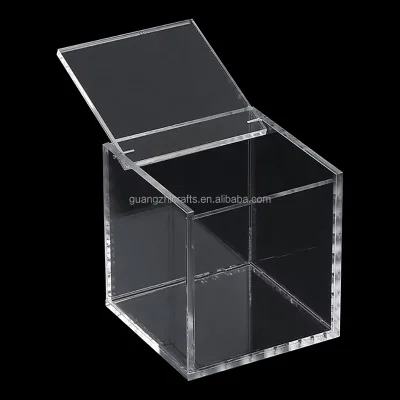
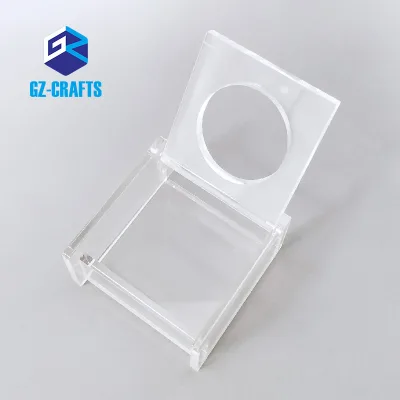
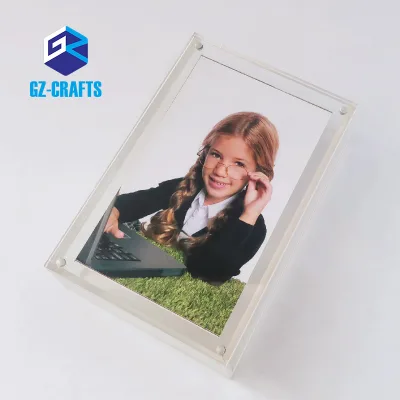


Customize Hot Sale Square Acrylic Storage Small Clear Acrylic Box with Lid
$1.55 - $2.15
MOQ: 200 Pieces


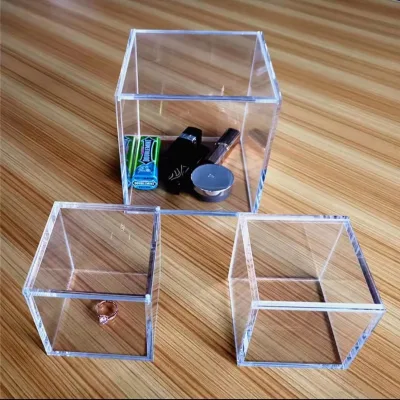


Classy Acrylic Box Embellishments for Thoughtful Gifting and Special Occasions
$6.34 - $6.89
MOQ: 300 Pieces


Comprehensive Sourcing Guide
Strategic Sourcing Guide for Freestanding Vertical Acrylic Name Boxes
The procurement of freestanding vertical acrylic name boxes requires a disciplined approach that balances aesthetic requirements with structural integrity and supply chain reliability. These display units are critical for retail environments, corporate lobbies, and exhibition spaces where clear branding and organized presentation are paramount. The core material, acrylic, offers superior optical clarity and durability compared to glass, making it the preferred choice for high-traffic display applications. However, the diversity of available configurations, from single-layer fixed compartments to multi-shelf systems, necessitates a rigorous evaluation of technical specifications before finalizing a supplier contract. Buyers must navigate a market where customization is standard, yet consistency in quality and adherence to safety standards remain the primary differentiators between premium and substandard products.
Technical Specifications and Material Composition
Understanding the physical attributes of the product is the first step in defining a successful procurement strategy. The primary material for these units is high-finished acrylic, often referred to as plexiglass, which provides a balance of transparency and impact resistance. The thickness of the acrylic sheet is a critical variable that directly influences the structural stability of the freestanding unit. Available thicknesses typically range from 1.8mm to 12mm, allowing buyers to select a gauge appropriate for the intended load and display height. Thinner sheets, such as 1.8mm to 3mm, are suitable for lightweight name tags or small decorative items, while thicker sections are required for larger boxes or those intended to hold heavier merchandise.
The dimensional specifications of the box are equally vital. While standard dimensions exist, such as 322416cm or 24x10x16cm (Length x Width x Height), the market heavily favors customization to meet specific branding needs. Buyers should verify if the supplier offers "customized according to demands" sizing, which allows for precise fitting within retail shelving or counter spaces. The shape is predominantly rectangular, designed to maximize floor space efficiency while providing a clear viewing angle. The orientation can be vertical or horizontal, though the "freestanding vertical" requirement dictates a specific footprint and center of gravity.
Furthermore, the internal configuration plays a significant role in functionality. Many units feature a single-layer fixed compartment design, ideal for displaying a single pair of shoes or a specific product line. However, for broader storage needs, options with multiple shelves or adjustable configurations may be available. The assembly status is another technical factor; pre-assembled units reduce on-site labor costs and installation time, whereas flat-pack options require internal assembly but offer significant savings in shipping volume and logistics costs. The weight of the unit is generally described as "not heavy," facilitating easy relocation and reconfiguration of display areas.
Compliance, Certification, and Safety Standards
In the B2B sector, compliance with safety and environmental standards is non-negotiable, particularly for products displayed in public spaces. While specific certification documents vary by manufacturer, buyers must verify that the acrylic material meets relevant fire safety and environmental regulations. The product attributes often highlight "Eco-Friendly" and "UV Resistant" features, which suggest the material is treated to resist yellowing under sunlight and is manufactured with reduced environmental impact. However, buyers should explicitly request test reports confirming UV resistance levels and flammability ratings, as these are not automatically guaranteed by the material type alone.
Waterproofing is another critical compliance aspect. The supply data indicates that these units are "Waterproof" and "Dustproof," making them suitable for environments where humidity or dust could degrade the display or the items within. This feature is essential for retail shops and storage stores where climate control may vary. Buyers should verify the sealing methods used to achieve this waterproof status, ensuring that joints and corners are properly bonded to prevent moisture ingress.
Additionally, the origin of the product, often listed as Guangzhou or Guangdong, China, implies adherence to Chinese manufacturing standards. While these regions are hubs for acrylic production, international buyers must ensure that the supplier can provide documentation aligning with destination country regulations, such as REACH in Europe or CPSIA in the United States, if the product is intended for consumer-facing retail. The absence of specific certification names in general product descriptions means the buyer must proactively ask for certificates of conformity rather than assuming compliance based on the product category.
Cost Drivers and Pricing Dynamics
The pricing of freestanding vertical acrylic name boxes is influenced by a complex interplay of factors, primarily material thickness, customization level, and order volume. The observed price range in the market spans from $0.01 to $59, a wide variance that reflects the difference between simple, small-scale name holders and large, custom-engineered display boxes. The lower end of the spectrum typically corresponds to standard sizes with minimal customization and thinner acrylic, while the higher end reflects complex designs, thicker materials, and extensive branding services.
Customization is a major cost driver. Services such as logo printing, engraving, and custom sizing add significant value but also increase the unit price. The "Customized" attribute is widely available, but the extent of customization dictates the final cost. For instance, a box with a simple logo print will cost less than one requiring intricate engraving or a unique shape. The packaging method also impacts the final landed cost. Standard packaging involving PE film, foam, and cartons is common, but specialized packaging for fragile or high-value items may incur additional charges.
Minimum Order Quantity (MOQ) is another critical financial consideration. The observed MOQ range is 1 to 300 units. Buyers seeking small batches can often find suppliers with low MOQs, which is beneficial for testing the market or fulfilling small retail orders. However, larger orders typically benefit from economies of scale, reducing the per-unit cost significantly. Buyers should negotiate based on their projected volume, understanding that higher volumes may unlock better pricing tiers or more favorable shipping terms. It is essential to clarify whether the quoted price includes all customization fees and packaging costs to avoid hidden expenses.
Typical Applications and Usage Scenarios
Freestanding vertical acrylic name boxes are versatile tools designed for a wide array of applications, ranging from retail displays to home organization. The primary application range includes "Any Shoes," making them ideal for shoe stores, boutiques, and fashion retailers looking to showcase footwear effectively. The clear material allows customers to view the product from all angles without obstruction, enhancing the visual appeal and potentially driving sales. The "Shoe Display, Storage" function is a core use case, where the box serves as both a protective cover and an attractive display unit.
Beyond retail, these boxes are utilized in "Home application, storage stores, and retail shops." The "Modern collection application" style makes them suitable for organizing and displaying collectibles, figures, or small goods in a home setting. The "Collections and storage ways for figures, small tiny goods etc." attribute highlights their utility in hobbyist and collector communities. The freestanding nature allows for flexible placement on countertops, tables, or floors, providing a "Desktop" or "Counter table display box" solution that adapts to various spatial constraints.
The "Fashion and Luxury" feature suggests that these boxes are also employed in high-end retail environments where presentation is key to the brand identity. The "Simplicity" and "Modern" styles align with contemporary design trends, allowing them to blend seamlessly into upscale store layouts. Whether used for displaying preserved flowers, gifts, or luxury accessories, the versatility of the acrylic material ensures that the product can be adapted to diverse branding and functional requirements.
Supplier Evaluation and Quality Control
Selecting the right supplier is crucial for ensuring product quality and supply chain stability. Buyers should prioritize suppliers who offer transparent communication regarding their manufacturing capabilities and quality control processes. The "Pre-Assembled" status of some units indicates a higher level of manufacturing precision, reducing the risk of damage during transit and ensuring the product arrives ready for immediate use. However, buyers must verify the supplier's ability to maintain consistency across large orders, as acrylic can be prone to scratching or warping if not handled correctly.
Quality control should focus on the integrity of the acrylic sheets and the precision of the cuts and joints. Buyers should request samples to inspect the clarity, edge finishing, and overall build quality. The "High finished and high end acrylic" attribute suggests a premium product, but visual inspection is necessary to confirm that the material is free from bubbles, scratches, or discoloration. Additionally, the "Eco-Friendly" and "Durable" features should be validated through physical testing or third-party reports to ensure the product meets long-term performance expectations.
Supplier location, such as Guangzhou or Guangdong, China, is a significant factor in logistics and lead times. Buyers should evaluate the supplier's proximity to major shipping ports and their experience with international logistics. The "PE Film and Foam and Carton" or "Plastic Film and Foam and Carton" packaging methods should be assessed for their ability to protect the product during transit. A reliable supplier will have robust packaging protocols to prevent damage, especially for fragile acrylic items.
Long-Term Procurement Considerations
Sourcing freestanding vertical acrylic name boxes is not just a one-time transaction but a long-term partnership that requires careful planning. Buyers should consider the scalability of the supplier's production capacity to meet future demand fluctuations. The ability to customize designs and sizes on an ongoing basis is essential for maintaining brand consistency as product lines evolve. The "Logo Printing" and "Engraving" services should be evaluated for their durability and resistance to fading, ensuring that branding remains effective over time.
Environmental sustainability is increasingly important in procurement strategies. The "Eco-Friendly" attribute of the acrylic material aligns with corporate sustainability goals, but buyers should verify the recyclability of the material and the supplier's waste management practices. Long-term cost savings can be achieved by selecting durable products that require less frequent replacement, reducing overall procurement costs and waste.
Finally, buyers should establish clear communication channels and service level agreements with their suppliers. This includes defining response times for inquiries, resolution protocols for quality issues, and terms for reordering. By focusing on these long-term considerations, buyers can build a resilient supply chain that supports their business growth and maintains high standards of product quality and presentation.
FAQs
What material is used for freestanding vertical acrylic name boxes?
These boxes are made from high-finished acrylic, often referred to as plexiglass. The material thickness typically ranges from 1.8mm to 12mm to ensure structural stability for various display needs.
Can I customize the size of the acrylic display box?
Yes, customization is available according to specific demands. Buyers can request unique dimensions to fit specific retail shelving or counter spaces rather than relying solely on standard sizes.
How are these boxes packaged for shipping?
The standard packaging involves PE film, foam, and cartons to protect the product. This method ensures the acrylic remains free from scratches and damage during transit to the buyer.
What is the typical origin location for these products?
The products originate from Guangzhou or Guangdong, China. These regions are established hubs for acrylic production and manufacturing of display units.
Are these boxes suitable for shoe display and storage?
Yes, the application range includes any shoes for display and storage purposes. The clear material allows for unobstructed viewing while protecting the items from dust and moisture.
Does the box come pre-assembled for immediate use?
Yes, the units are typically pre-assembled to reduce on-site labor costs. This feature ensures the product arrives ready for immediate placement on counters or desktops.
What is the minimum order quantity for these boxes?
The minimum order quantity ranges from 1 to 300 units depending on the supplier. This flexibility allows buyers to test the market with small batches or fulfill larger retail orders.