Source Freeze-Dried Natural Lychee Powder for Food, Health Care, and Cosmetics
Compare 30 listings for Freeze-Dried Natural Lychee Powder sourced from Shaanxi, China. Evaluate options based on food grade quality, ISO and HACCP certifications, and packaging sizes ranging from 1kg bags to 25kg drums for various applications; compare the available evidence and request quotations based on your requirements.
Key considerations
Products List






Comprehensive Sourcing Guide
Freeze-Dried Natural Lychee Powder Sourcing Guide
Procuring freeze-dried natural lychee powder requires distinguishing between spray-dried and freeze-dried variants, as the supplied data explicitly lists spray drying as the extraction type for the observed listings. Buyers must verify the specific drying technology used by the supplier, as freeze-drying preserves more volatile aromatics and color compared to the spray-drying methods currently documented in the product attributes. This distinction is critical for applications where the sensory profile of fresh lychee is paramount, ensuring the final ingredient matches the intended culinary or functional requirements without relying on assumptions about the processing method.
The observed product listings indicate a primary origin in Shaanxi, China, with specific model numbers like L014 and HZ-Lychee Powder available from suppliers such as Havenova. Sourcing strategies should focus on confirming the botanical source, as the facts specify the extract comes from Litchi fruit, and verify whether the cultivation method is artificial planting or organic. Buyers should request detailed processing logs to confirm the drying technique, as the current market data reflects spray-dried options, and ensure the supplier can provide the specific freeze-dried variant if that is the strict requirement for the project.
Product Scope and Observed Listing Signals
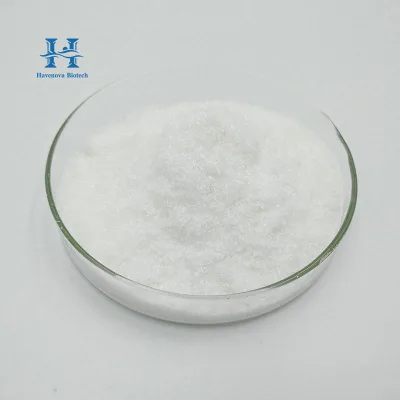
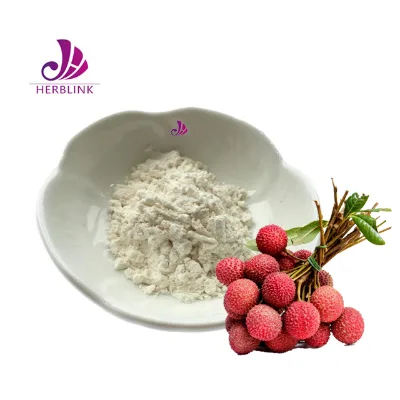
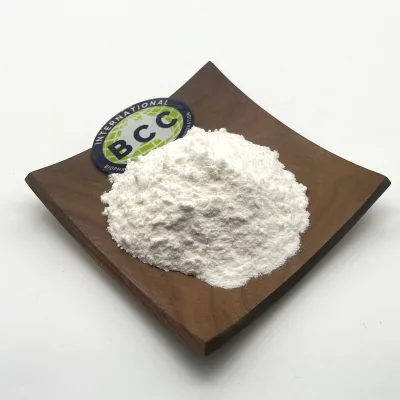
The product scope for lychee powder in the current market includes applications ranging from food and beverage to health care products, cosmetics, and medicine, as indicated by the diverse application fields listed in the supplier data. The physical form is consistently observed as an off-white powder with a particle size where 95% passes through an 80-mesh screen, which influences its solubility and blending characteristics in final formulations. Procurement teams must align their technical specifications with these observed physical attributes to ensure compatibility with existing manufacturing processes, particularly for capsule and tablet applications where flowability is essential.
Commercial signals show a flexible minimum order quantity (MOQ) structure, with observed ranges starting from 1 kg up to 500 kg, allowing for both sample acquisition and bulk procurement. Packaging options vary from 1 kg bags to 25 kg drums, often utilizing foil bags, cartons, or vacuum-packed drums to maintain stability during transit. Buyers should evaluate the packaging integrity against their storage capabilities, noting that the recommended storage method is a cool, dry place, and confirm whether the supplier offers customization for packaging sizes to optimize logistics costs and shelf-life management.
Technical Specifications to Verify
Verification of the assay method is a critical step, as the supplied facts list UV and HPLC as the standard analytical techniques for this product. Buyers must ensure that the supplier provides a Certificate of Analysis (CoA) generated using these specific methods to confirm the potency and purity of the lychee extract. Relying on less rigorous testing methods could lead to inconsistencies in the final product, especially for health care applications where precise dosage and active compound concentration are non-negotiable for regulatory compliance and consumer safety.
The particle size specification of 95% passing 80 mesh is a key quality indicator that affects the texture and dissolution rate of the powder in various applications. Procurement teams should request sieve analysis reports to verify that the batch meets this mesh requirement, as deviations can impact the mouthfeel in food products or the uniformity of distribution in pharmaceutical tablets. Additionally, confirming the model number and specific product code, such as L014 or HZ-Lychee Powder, ensures that the exact batch specifications match the technical requirements of the production line.
Compliance and Safety Documentation
The compliance landscape for lychee powder is robust, with observed certifications including ISO, FDA, HACCP, Halal, Kosher, BRC, and RoHS. Buyers must verify that the specific batch being purchased carries valid certificates for all required markets, as the presence of one certification does not guarantee the others are active or applicable to the specific facility. It is essential to request current, unexpired documentation directly from the manufacturer to ensure that the product meets the regulatory standards of the destination country, particularly for food and cosmetic applications where local regulations may vary.
Safety documentation must also address the synthetic versus natural classification, as the product is explicitly listed as natural. Procurement teams should confirm that the product is free from synthetic additives or artificial colors, relying on the "100% specification" and natural cultivation method claims found in the data. For markets with strict allergen or contaminant controls, verifying the absence of heavy metals and pesticides through third-party testing reports is necessary, ensuring the natural origin claim is backed by rigorous safety data rather than just marketing statements.
Cost Drivers and Commercial Terms
Cost drivers for lychee powder are significantly influenced by the extraction method and the scale of the order, with observed prices ranging from 5 to 55 USD per unit. The transition from spray-dried to freeze-dried processing typically increases production costs due to higher energy consumption and longer processing times, which buyers should anticipate in their budgeting. Understanding the relationship between the drying technology and the final price is crucial, as the observed data reflects spray-dried products, and freeze-dried variants may command a premium that requires specific negotiation strategies.
Commercial terms regarding the minimum order quantity (MOQ) and packaging flexibility are central to cost optimization, with observed MOQs starting as low as 1 kg. Buyers should leverage the availability of samples to validate quality before committing to larger orders, utilizing the 1 kg bag option for initial testing. Negotiating volume discounts for 25 kg drum shipments can reduce per-unit logistics costs, and clarifying whether the price includes customs duties and insurance is vital for accurate total landed cost calculations, especially when sourcing from Shaanxi, China.
Supplier Qualification and Quality Control
Supplier qualification should prioritize manufacturers with a proven track record in the Shaanxi region, where the majority of the observed lychee powder originates. Buyers must assess the supplier's capacity to maintain consistent quality across batches, given that the cultivation method is listed as artificial planting, which can introduce variability if not strictly managed. Requesting a facility audit or a detailed quality management system overview is essential to ensure that the supplier adheres to the high standards implied by their HACCP and ISO certifications.
Quality control protocols must include a rigorous sampling plan, as the data confirms that samples are available for evaluation. Buyers should implement a two-stage verification process: first, testing the sample for sensory attributes like color and aroma, and second, verifying the chemical composition against the specified assay methods. Establishing a clear communication channel for quality disputes and defining the acceptance criteria for the 95% 80-mesh particle size will help mitigate risks associated with batch-to-batch variations in the final product.
Long-Term Procurement Checks
Long-term procurement strategies must account for the shelf life of the product, which is observed to be two years when stored correctly. Buyers should establish a rotation schedule that aligns with this shelf life to prevent degradation of the lychee powder, ensuring that inventory is consumed before the expiration date. Regularly reviewing the storage conditions at the receiving facility is necessary to maintain the "cool, dry place" requirement, as improper storage can significantly reduce the effective shelf life and compromise product quality.
Continuous monitoring of supplier performance is vital for maintaining a stable supply chain, particularly given the specific certifications like BRC and RoHS that may require periodic renewal. Buyers should schedule annual reviews of the supplier's certification status and request updated CoAs for every major shipment to ensure ongoing compliance. Additionally, staying informed about changes in the cultivation methods or extraction technologies in the Shaanxi region will help procurement teams adapt their specifications and maintain the high quality standards required for food, health care, and cosmetic applications.
FAQs
What is the appearance and form of the lychee powder?
The product appears as an off-white powder with a particle size where 95% passes an 80 mesh sieve. It is derived from natural litchi fruit through spray drying, ensuring a consistent texture suitable for various food and beverage applications without artificial additives.
Can I order samples before purchasing bulk quantities?
Yes, samples are available for evaluation before committing to larger orders. This allows buyers to verify the quality, flavor profile, and physical characteristics of the lychee powder. The minimum order quantity for bulk purchases is typically one kilogram, facilitating easy trial runs.
What certifications does the lychee powder hold?
The product holds multiple recognized certifications including ISO, HACCP, Halal, Kosher, and FDA compliance. These credentials ensure the powder meets international safety and quality standards for food, health care products, and cosmetics, providing assurance for global supply chain requirements and regulatory compliance.
How should the lychee powder be stored to maintain quality?
Store the powder in a cool, dry place under normal conditions to preserve its integrity. The product has a shelf life of two years when kept properly sealed. Avoid exposure to moisture and direct sunlight to prevent clumping or degradation of the natural lychee flavor.
What packaging options are available for bulk orders?
Packaging options include 1kg bags and 25kg drums, with customization available for specific client needs. Materials may include foil bags, cartons, or vacuum-packed drums. This flexibility ensures the product remains protected during transit and storage, meeting diverse logistical requirements for international shipments.
Is the lychee powder suitable for capsule and tablet applications?
Yes, the powder is suitable for use in capsules and tablets as well as general food applications. Its fine particle size and natural origin make it ideal for health care products and dietary supplements. The food-grade quality ensures safety and efficacy for these specialized uses.