Source Frequency Converter for Drives, Elevators, and Solar
Compare 30 available Frequency Converter units from verified suppliers in China. These units support vector control, single-phase and three-phase applications, and offer customization options for various industrial needs.
Key considerations
Products List


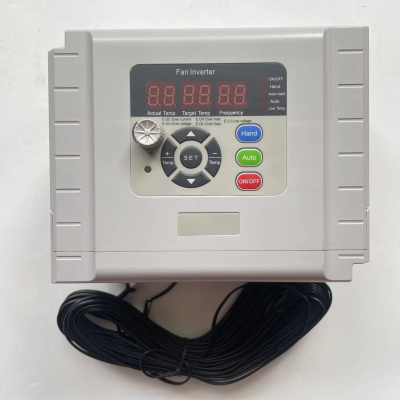


Advanced Compact Frequency Converter for High Efficiency and Economy Use
$191.60 - $228.70
MOQ: 1 Pieces


Comprehensive Sourcing Guide
Strategic Sourcing Guide for Industrial Frequency Converters
Understanding Technical Specifications and Operational Principles
When sourcing frequency converters, often referred to as Variable Frequency Drives (VFDs) or AC drivers, buyers must first navigate a complex landscape of technical specifications that define the device's capability and suitability for specific industrial tasks. The core functionality of these units relies on the principle of vector control transducers, which allows for precise manipulation of motor speed and torque. In the current market, the nature of DC power within these systems varies significantly; some units operate as voltage variable-frequency drives, while others function as current variable-frequency drives. This distinction is critical because it dictates the internal architecture and the type of motor control strategy employed.
The main circuit type is predominantly voltage-based, utilizing a switching regulated power supply to maintain stability. The transformation link typically follows an AC-DC-AC conversion path, where incoming alternating current is rectified to direct current and then inverted back to variable frequency AC to drive the motor. Buyers should verify the phase configuration, as the market offers both single-phase and three-phase options. The output type is frequently triple, indicating a three-phase output capability, which is essential for driving industrial three-phase motors. Furthermore, the frequency characteristics are generally categorized as low frequency, suitable for applications requiring precise speed regulation rather than high-frequency switching.
The physical and functional attributes of the unit also vary. While some models are designed as simple type drives, others fall into the constant torque universal type or are specialized for elevator applications. The installation method is often vertical, requiring specific mounting considerations in the facility layout. The size of the unit can range from medium to large, influencing the footprint required in the control panel. Additionally, the iron core shape is typically EE, a standard configuration that impacts the magnetic efficiency and thermal performance of the transformer components within the drive.
| Feature Category | Common Observations | Verification Requirement |
|---|---|---|
| Control Principle | Vector Control Transducer | Confirm if sensorless vector control is required for the specific load. |
| Power Conversion | AC-DC-AC Variable-Frequency Drive | Verify the input voltage range and output phase configuration. |
| Switching Mode | PWM Control | Ensure the PWM frequency matches the motor's noise and torque requirements. |
| Phase Configuration | Single Phase or Three Phase | Match the drive phase to the existing motor and power supply infrastructure. |
| Installation Type | Vertical | Confirm mounting space and ventilation requirements for vertical orientation. |
Compliance, Certification, and Regulatory Standards
Navigating the regulatory landscape is a pivotal step in the procurement of frequency converters. Buyers must ensure that the equipment meets the necessary international and regional standards to guarantee safety and interoperability. The Harmonized System (HS) Code for these devices is typically categorized under 858044099, which is essential for accurate customs classification and duty calculation. While specific certification statuses vary by supplier, the presence of ISO certification is a common indicator of a manufacturer's commitment to quality management systems.
One specific observation in the market involves housing standards, where some units are noted with "ISOHousing:UPR" attributes, suggesting a specific compliance with housing protection ratings or internal standards. However, buyers should not assume that every listed product possesses this specific housing certification without direct verification from the supplier. The standard for the product dimensions is often listed as nonstandard, with specific dimensional references such as 600* 1320* 1490 mm appearing in certain product descriptions. This indicates that buyers must carefully review the physical dimensions against their available space, as off-the-shelf standard sizes may not apply to all models.
Furthermore, the origin of the product plays a significant role in compliance. Many units are sourced from China, specifically the Shandong region, which is a major manufacturing hub for electrical equipment. The "Original: Yes" attribute suggests that some suppliers offer genuine, factory-direct products, which can be a factor in ensuring the authenticity of certifications. Buyers should request proof of certification documents directly from the supplier rather than relying solely on the product listing. The standard for the product itself may be listed as "Nonstandard," requiring the buyer to define their own acceptance criteria or verify that the manufacturer adheres to specific industry norms like IEC or NEMA standards, even if the product listing does not explicitly state them.
Cost Drivers and Pricing Dynamics
The pricing structure for frequency converters is influenced by a multitude of factors, resulting in a wide observed range from $9.9 to $99,999. This vast disparity is not arbitrary but reflects differences in power rating, control complexity, brand positioning, and included features. Lower-priced units typically correspond to simple type drives with basic vector control or constant torque applications, suitable for general-purpose machinery. In contrast, high-performance transducers, high-Frequency Converter transducers, and specialized units for wind systems or DC converters command significantly higher prices due to advanced engineering and specialized components.
The Minimum Order Quantity (MOQ) is another critical cost driver, with observed ranges spanning from 1 to 100 units. Buyers purchasing single units for prototyping or small-scale projects may face a higher per-unit cost compared to those placing bulk orders that meet the higher MOQ thresholds. The packaging method also influences the final landed cost. Products are often shipped in polywood, poly wood, or plywood boxes, with some descriptions specifying "Sea Worthy Package." While the freight is described as "reasonable," the actual shipping cost will depend on the weight and dimensions of the unit, which can vary from medium to large sizes.
Customization is a significant factor that can alter the price. The availability of customization options allows buyers to tailor the drive to specific needs, but this service often incurs additional costs and may extend the lead time. Buyers should also consider the total cost of ownership, which includes not just the purchase price but also the energy efficiency of the drive, maintenance requirements, and the availability of spare parts. The "Reasonable" freight claim suggests competitive shipping rates, but buyers should verify this against their specific logistics requirements to avoid unexpected expenses.
Typical Applications and Industry Use Cases
Frequency converters are versatile devices deployed across a wide spectrum of industrial applications. The primary application categories include general transducers, high-performance transducers, and high-Frequency Converter transducers. These units are essential for single-phase and three-phase transducer applications, making them suitable for everything from small commercial HVAC systems to large industrial manufacturing lines. The specific function of the drive, whether it is a simple type, constant torque universal type, or elevator special, dictates its suitability for the intended task.
In the energy sector, frequency converters are integral to wind systems and solar inverters. The main product listings often include "Static Frequency Converter/Wind System/DC Converter," highlighting their role in renewable energy generation and grid stabilization. Similarly, the "DC Power Supply. DC to DC Power Supply" and "Solar Inverter" mentions indicate their use in converting and regulating power for solar photovoltaic systems and battery storage applications. The ability to handle both voltage and current variable-frequency drives makes these units adaptable to various power generation and consumption scenarios.
For industrial automation, the drives are used in applications requiring precise speed control, such as conveyor systems, pumps, and fans. The "Elevator Special" function points to their critical role in vertical transportation, where smooth acceleration and deceleration are vital for passenger comfort and safety. The "High-Frequency Converter Transducer" application suggests use in specialized processes requiring rapid frequency changes, such as in certain types of testing equipment or high-speed machining centers. Buyers should align the specific application requirements, such as torque characteristics and speed ranges, with the drive's functional capabilities to ensure optimal performance.
Supplier Evaluation and Origin Verification
Evaluating suppliers requires a rigorous approach to verify the authenticity and reliability of the product source. The origin of the products is frequently listed as China, with a specific emphasis on the Shandong region. This region is known for its concentration of electrical manufacturing, but buyers must distinguish between genuine manufacturers and trading companies. The attribute "Original: Yes" is a positive indicator, suggesting that the supplier is the direct manufacturer or an authorized distributor. However, this claim should be validated through business registration documents and factory audits.
The product model numbers provide a clue to the supplier's portfolio, with models ranging from generic terms like "Inverter" and "AC Driver" to specific codes such as "XYH-AC400," "NXP05," "NXP," "ACS880," "MDX," and "1SL3024." The presence of diverse model numbers suggests a broad product line, but buyers should verify that the specific model they are sourcing matches their technical requirements. The "Standard: Nonstandard" attribute indicates that some suppliers may produce custom or semi-custom units, which requires closer scrutiny of the design and engineering capabilities of the supplier.
Packaging and logistics capabilities are also part of the supplier evaluation. The use of "Polywood," "Poly Wood," and "Plywood Box" packaging, along with "Sea Worthy Package" standards, indicates a commitment to protecting the equipment during transit. The "On Time Delivery: Yes" attribute is a crucial metric for supply chain reliability. Buyers should request historical delivery performance data to confirm that the supplier can meet their project timelines. Additionally, the availability of customization services suggests a flexible supplier capable of adapting to unique project needs, but this should be weighed against the potential for increased lead times and costs.
Quality Control and Long-Term Procurement Considerations
Ensuring the long-term reliability of frequency converters requires a robust quality control strategy. The observed attributes, such as "Sensorless Vector Control" and "PWM Control," highlight the technological sophistication of the drives, but these features must be validated through testing. Buyers should insist on pre-shipment testing reports that verify the drive's performance under load, including its ability to maintain stable output voltage and frequency. The "Bearing Number: Output Type:AC Three Phase" observation suggests that the mechanical components, such as bearings, are integral to the drive's operation and should be inspected for quality and durability.
Long-term procurement considerations extend beyond the initial purchase. The availability of spare parts and technical support is essential for minimizing downtime. The "Main Product" listings, which include "DC Power Supply" and "Frequency Converter," suggest that suppliers may offer a range of related products, potentially simplifying the supply chain for comprehensive power management solutions. Buyers should also consider the environmental impact and energy efficiency of the drives, as high-performance transducers often offer significant energy savings over time.
The "Installation: Vertical" requirement implies that the physical design must accommodate specific mounting constraints, which can affect long-term maintenance access. Buyers should ensure that the drive's design allows for easy inspection and replacement of components. The "Low Frequency" characteristic may also impact the thermal management of the unit, requiring adequate ventilation and cooling systems in the installation environment. By focusing on these quality and maintenance factors, buyers can ensure that their investment in frequency converters delivers sustained value and operational efficiency over the life of the equipment.
FAQs
What is the core control principle used in these frequency converters?
The core control principle is vector control transducer technology. This allows for precise manipulation of motor speed and torque, often utilizing sensorless vector control strategies for efficient operation across various industrial loads.
Which power conversion path do these drives typically follow?
These drives typically follow an AC-DC-AC variable-frequency drive path. Incoming alternating current is rectified to direct current and then inverted back to variable frequency AC to drive the motor effectively.
Can these units support both single-phase and three-phase configurations?
Yes, these units support both single-phase and three-phase configurations. The market offers options for single-phase transducers as well as three-phase transducers to match existing power supply infrastructure.
How are these frequency converters typically installed in industrial settings?
These frequency converters are typically installed in a vertical orientation. Buyers must confirm mounting space and ventilation requirements to ensure safe and efficient operation within the facility layout.
What is the typical price range for sourcing these industrial drives?
The observed price range spans from 9.9 to 99999 USD. This disparity reflects differences in power rating, control complexity, and whether the unit is a simple type or a high-performance transducer.
Where are these frequency converters primarily manufactured?
These units are primarily manufactured in China, specifically the Shandong region. This area is a major hub for electrical equipment production, offering both original factory-direct products and various model specifications.