Source Fresh Breath Mint Squeeze Ball for Birthday, Wedding, and Graduation
Compare 30 options for the Fresh Breath Mint Squeeze Ball, featuring manual power sources and silicone or foam materials. Buyers can evaluate customization, logos, and packaging details for events like anniversaries, baby showers, and promotions.
Key considerations
Products List


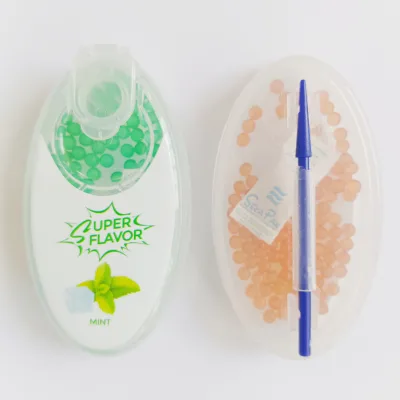
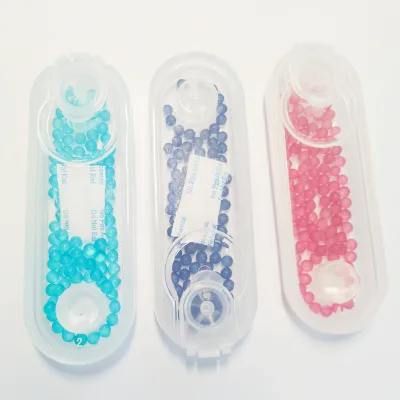
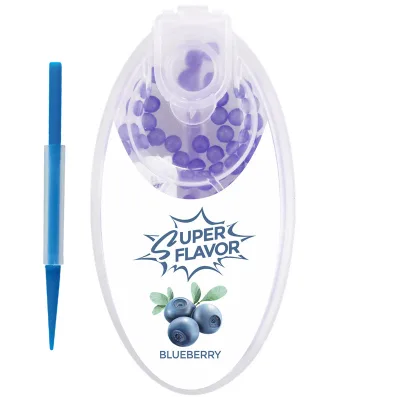
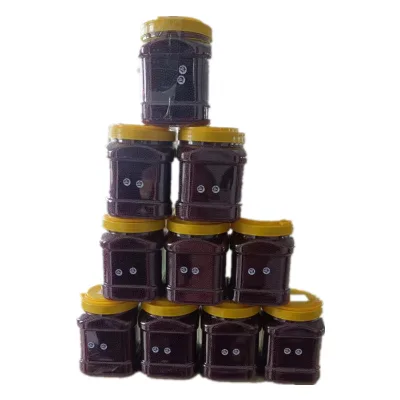
Cigarette 1kg Bulk Packing Mentol Balls Click Ball Flavour Capsule Ball
$100.00 - $130.00
MOQ: 1 kilograms
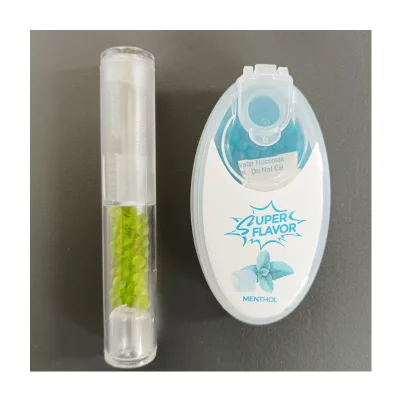
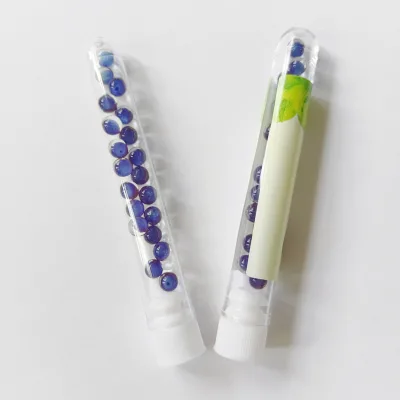
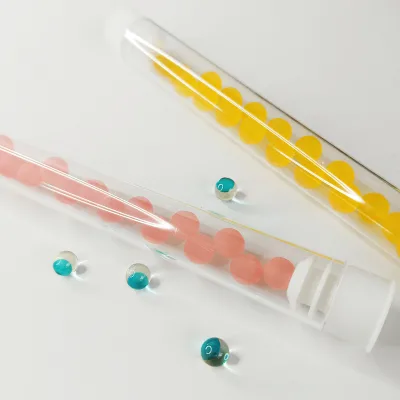
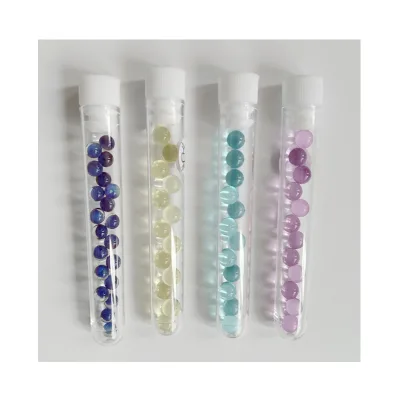
5.0mm Double Balls Oral Fresh Mint Balls With No Sugar Peppermint Capsule
$100.00 - $250.00
MOQ: 3 Minimum


Comprehensive Sourcing Guide
Strategic Sourcing Guide for Fresh Breath Mint Squeeze Balls
The global market for promotional novelties and sensory tools has seen a significant shift toward products that combine functional utility with sensory engagement. For buyers searching for a "Fresh Breath Mint Squeeze Ball," the procurement landscape requires a nuanced understanding of product categorization, material science, and supply chain logistics. While the specific keyword suggests a dual-purpose item combining oral hygiene benefits with tactile stress relief, the actual product data reveals a diverse ecosystem of squeeze balls, stress balls, and poppers. This guide provides a disciplined approach to sourcing these items, focusing on verified attributes, compliance requirements, and strategic evaluation criteria to ensure a successful procurement outcome.
Understanding Product Categorization and Functional Attributes
The first step in sourcing is to align the buyer's intent with the actual product taxonomy available in the market. The term "Fresh Breath Mint Squeeze Ball" often implies a product that releases a mint scent upon squeezing. However, the supplied product facts indicate a broader category of items including "Popper" types, "Stress Ball" types, and general "Promotional Toy" categories. The observed product data lists attributes such as "Function: Sounding" for poppers and "Usage: Promotion" for stress balls.
Buyers must recognize that a "fresh breath" attribute is not explicitly confirmed in the general product list provided. Instead, the market offers "Silicone" and "PU Foam" materials that are often used for stress relief. The "Fresh Breath" claim, if present, would be a specific customization or a niche variation of the standard "Stress Ball" or "Popper" categories. The data confirms that "Customization: Available" and "Logo: Accepted" are standard features, suggesting that scent integration or specific branding is a potential custom order rather than a stock item. Therefore, the sourcing strategy must begin by verifying whether the supplier can integrate a mint-scented core or coating into the standard silicone or foam structure, or if the buyer should focus on the tactile "squeeze" aspect while sourcing mint breath mints separately.
Technical Specifications and Material Composition
Material selection is the most critical technical factor when evaluating squeeze balls, as it dictates durability, safety, and the feasibility of scent integration. The observed product data highlights two primary materials: "Silicone" and "PU Foam." Silicone is noted for its flexibility and resistance to tearing, making it suitable for high-frequency squeezing. PU Foam, described in the context of "PU Foam Stress Ball," offers a softer texture and is often used for promotional giveaways.
The technical specifications provided include specific model numbers such as "YYK23092601," "TPE047," and "ANN0795," which serve as unique identifiers for different product iterations. Buyers should note that the "prod_standard" varies, with some items listed as "2.75"" and others as "customized." This indicates that size is a flexible parameter. The "Single Package Size" for some items is listed as "1X1X1cm," while others have a "Single Gross Weight" of "0.500 Kg" or "0.8kg." These discrepancies highlight the need for precise specification sheets before ordering.
Furthermore, the "Age Range" for these products spans from "5 to 7 Years" up to "14 Years &up," suggesting that safety standards for children's toys are relevant. The "Feature: Eco-Friendly" attribute found in the data suggests that some suppliers prioritize sustainable materials, which is a growing demand in B2B procurement. When sourcing, buyers must verify if the "Silicone" or "PU Foam" used meets specific phthalate-free or non-toxic standards, especially given the potential for oral contact if the "fresh breath" aspect involves direct mouth interaction.
Compliance, Certification, and Safety Standards
Navigating the regulatory landscape is essential for any B2B procurement involving toys and sensory products. The supplied data explicitly mentions "Certification: ENCE," which serves as a concrete example of a compliance standard that buyers should look for. While "ENCE" is a specific reference in the data, buyers must understand that different markets require different certifications. For instance, products intended for the European market often require CE marking, while those for the US market may need ASTM F963 compliance.
The "prod_standard" field in the data shows values like "customized" and "2.75"", indicating that standardization is not uniform across all suppliers. This variability necessitates a rigorous verification process. Buyers should not assume that all "Silicone" or "PU Foam" products are automatically compliant. The "Feature: Eco-Friendly" claim also requires substantiation. In the absence of specific test data in the provided facts, buyers must request third-party laboratory reports to verify claims regarding chemical safety, particularly regarding the "fresh breath" component if it involves essential oils or synthetic fragrances that could cause allergic reactions.
Additionally, the "prod_origin" is listed as "China" and "Fujian, China." While this provides a geographical context, it does not guarantee quality. Buyers must evaluate the supplier's ability to navigate export regulations and ensure that the products meet the specific safety standards of the destination country. The "OEM/ODM: Acceptale" (Acceptable) attribute suggests that suppliers are open to customizing the product to meet specific regulatory requirements, but this must be explicitly agreed upon in the contract.
Cost Drivers and Pricing Dynamics
The pricing structure for squeeze balls is influenced by several variables, including material type, customization level, and order volume. The observed price range in the data is extensive, spanning from "0.06" to "263.91" USD. This wide range likely reflects the difference between simple, mass-produced foam balls and highly customized, premium silicone products with complex features. The "MOQ" (Minimum Order Quantity) ranges from "1" to "5184," indicating that suppliers cater to both small-scale testers and large-volume corporate buyers.
Specific cost drivers include the "Custom Logo Printed" feature and the "Customized Color" options. The data shows that "Logo: Custom Logo Printed" is a common attribute, which typically incurs an additional setup fee and per-unit cost. The "Packaging Details" also play a role; some items come in "OPP Bag" or "10pieces Into One Poly Bag," while others use "Cartons" or "Custom Package." Custom packaging solutions, while enhancing brand visibility, will increase the overall unit cost.
Buyers should be aware that the "Fresh Breath" aspect, if it involves adding a scent core or coating, will likely be a premium feature. The "Single Gross Weight" of "0.500 Kg" or "0.8kg" suggests that shipping costs will be a significant factor, especially for bulk orders. The "Selling Units: Single Item" indicates that pricing is often calculated per piece, but volume discounts are likely available given the high MOQs observed. Understanding these cost drivers is crucial for budgeting and negotiating effectively with suppliers.
Typical Applications and Market Segmentation
The versatility of squeeze balls makes them suitable for a wide array of applications. The data lists specific use cases such as "Anniversary, New Year, Baby Shower, Graduation, Wedding, Birthday, Halloween, Christmas, Luau." This broad application range confirms that these products are primarily used as promotional items, party favors, and event giveaways. The "Style: Promotional Toy" attribute reinforces this categorization.
Beyond general promotions, the "Usage: Promotion" and "Feature: Eco-Friendly" attributes suggest that these items are increasingly used in corporate social responsibility (CSR) campaigns and sustainability-focused marketing. The "Age Range" of "5 to 7 Years" to "14 Years &up" indicates a strong presence in the educational and pediatric sectors, where sensory tools are used for developmental support. The "Function: Sounding" attribute for poppers suggests a specific niche in entertainment and party supplies, where auditory feedback is a key selling point.
Buyers should consider the specific needs of their target audience. For corporate clients, the focus might be on branding and durability, while for event planners, the focus might be on variety and thematic customization. The "Customized" nature of the "prod_standard" and "prod_packing" allows for tailoring the product to specific event themes, such as "Luau" or "Christmas," enhancing the perceived value of the gift.
Supplier Evaluation and Quality Control Protocols
Selecting the right supplier is paramount to ensuring product quality and reliability. The data indicates that suppliers offer "OEM/ODM: Acceptale" services, which implies a capacity for customization. However, buyers must evaluate suppliers based on their ability to maintain consistency across large orders. The "prod_model" variations, such as "OLW1050" and "ANN0832," suggest that different factories or production lines may have different quality control standards.
Quality control should focus on several key areas. First, verify the material integrity. For "Silicone" products, check for elasticity and resistance to tearing. For "PU Foam," ensure that the foam does not degrade or crumble over time. Second, inspect the printing quality for "Custom Logo Printed" items. Misaligned or faded logos can damage brand reputation. Third, verify the "Customized Color" accuracy against the provided Pantone or color swatches.
The "Single Gross Weight" and "Single Package Size" data points should be used as benchmarks for quality assurance. Deviations from these specifications may indicate inconsistent production processes. Buyers should also request samples to test the "Fresh Breath" functionality, if applicable, ensuring that the scent is not overpowering or unpleasant. Finally, review the supplier's track record regarding "Certification: ENCE" and other relevant standards to ensure compliance with international safety regulations.
Long-Term Procurement and Supply Chain Considerations
For buyers planning long-term engagement, understanding the supply chain dynamics is essential. The "prod_origin: China" and "Fujian, China" locations indicate a concentration of manufacturing in this region. While this offers cost advantages, it also introduces potential risks related to logistics and geopolitical factors. The "Lead Time" is not explicitly provided in the data, but the "MOQ" range suggests that suppliers may have varying production capacities.
Buyers should establish clear communication channels regarding "Customization" and "Logo" updates. The "Package: Accept" and "prod_packing: Customizable" attributes suggest flexibility, but this must be managed carefully to avoid delays. Long-term contracts should include clauses for quality assurance, penalty for non-compliance, and flexibility in order quantities to accommodate market fluctuations.
Additionally, the "Feature: Eco-Friendly" trend suggests a shift towards sustainable sourcing. Buyers should consider suppliers who can provide documentation on the recyclability of "Silicone" or "PU Foam" materials. This not only aligns with corporate sustainability goals but also future-proofs the procurement strategy against potential regulatory changes regarding single-use plastics and non-sustainable materials. By focusing on these long-term considerations, buyers can build a resilient and efficient supply chain for their Fresh Breath Mint Squeeze Ball and related promotional products.
FAQs
Can I get a Fresh Breath Mint Squeeze Ball with custom branding?
Yes, customization is available for logo and color on these products. You can request custom logo printing and specific colors for promotional use, though the mint scent feature requires specific verification with the supplier.
What materials are used for these squeeze balls?
The products are primarily made from Silicone or PU Foam materials. These materials offer durability and flexibility, with some items featuring eco-friendly attributes suitable for various age ranges from children to adults.
Which certifications apply to these promotional toys?
Some listed products carry ENCE certification to ensure safety standards. Buyers should verify specific compliance requirements for their target market, as standards may vary depending on the material and intended application.
How does the MOQ affect my order for these items?
Minimum order quantities range from 1 to 5184 units depending on the supplier and customization level. Specific items may have an MOQ of 100 pieces, allowing flexibility for both small testers and large volume buyers.
What are the packaging options for these products?
Packaging options include OPP bags, cartons, or fully customizable packages. Details vary by model, with some items packed as 10 pieces into one poly bag while others use standard cartons for bulk shipping.
Can I find these products from factories in China?
Yes, the products originate from China, with specific mentions of Fujian as a production location. Buyers can source directly from these regions, though lead times and logistics should be confirmed with the specific vendor.