Source Fresh and Sea Water Aquarium Filter for Ponds, Pools, and RO Systems
Find 30 Fresh and Sea Water Aquarium Filter options designed for ponds, commercial pools, and RO water purification. Compare fiberglass and PP/PVC models with varying flow rates, media capacities, and installation types to match your specific water treatment needs.
Key considerations
Products List




Aquarium Filter 3D Ceramic Filter Media Aquaculture for Water Treatment
$1170.00 - $1260.00
MOQ: 1 Tons


Premium Aquarium External Filters for Planted Aquarium Fish Tank Filtration
$31.00 - $60.00
MOQ: 50 Pieces


Laswim Advanced Sand Filter Perfect for Marine and Freshwater Aquarium
$100.00 - $500.00
MOQ: 1 Pieces

Optimized Your Aquarium Water Filtration with Laswim Rotary Drum Filters
$1000.00 - $10000.00
MOQ: 1 Sets

Efficient Water Filter Designed for Sustainable Aquaculture Operations
$100.00 - $500.00
MOQ: 1 Pieces




Comprehensive Sourcing Guide
Fresh and Sea Water Aquarium Filter Sourcing Guide
Sourcing reliable filtration systems for both freshwater and marine aquariums requires a nuanced understanding of biological treatment capabilities, material compatibility, and operational scalability. The market offers a diverse array of solutions ranging from compact household units to large-scale industrial-grade equipment, each designed to maintain water quality through mechanical, chemical, and biological processes. Buyers must navigate this variety by aligning specific technical requirements with the intended application, whether it involves maintaining a commercial pool, supporting a high-density aquaculture setup, or ensuring pristine water conditions for a sophisticated home aquarium. The distinction between simple mechanical filtration and complex biological treatment systems is critical, as the latter plays a pivotal role in cycling nitrogen and maintaining a stable ecosystem for aquatic life.
This guide provides a structured approach to evaluating suppliers and products based on observed market signals and essential technical parameters. By focusing on verifiable specifications such as flow rates, filter media capacity, and material grades, procurement professionals can mitigate risks associated with product failure or inadequate performance. The following sections detail the scope of available products, key technical verification points, compliance considerations, cost structures, supplier qualification methods, and long-term maintenance strategies. This framework ensures that buyers make informed decisions that balance initial investment with long-term operational efficiency and reliability.
Product Scope and Observed Listing Signals
The current market landscape for aquarium and water purification filters encompasses a wide spectrum of product types, including biological filters, sand filters, and reverse osmosis (RO) water purifiers. Observed listings indicate that products are often categorized by their primary function, such as "Biological Filter" or "Sand Filter," and are frequently associated with specific model series like WL-BFG or WL-CCG. These systems are designed for various applications, ranging from household and hotel water treatment to commercial pool equipment and industrial usage. The presence of customization options suggests that suppliers are capable of tailoring solutions to specific client needs, allowing for flexibility in design flow and pond size specifications.
Material composition is a significant differentiator among available products, with fiberglass and non-toxic food-grade PP or PVC being common construction materials. These materials are selected for their durability, resistance to corrosion, and safety for aquatic environments. Additionally, many systems are designed to work in conjunction with other filtration components, such as sand filters, protein skimmers, air pumps, or blowers, indicating a modular approach to water treatment. The observed product origins are primarily from China, with specific mentions of Henan as a place of origin, highlighting the geographic concentration of manufacturing capabilities in this sector. Buyers should note that while many products are packaged in boxes or corrugated materials, the specific packaging types can vary based on the product size and complexity.
Technical Specifications to Verify
When evaluating aquarium filters, verifying the design flow rate and pond size compatibility is essential to ensure the system can handle the intended water volume effectively. Observed specifications list design flows ranging from 8 to 42 cubic meters per hour, corresponding to pond sizes from 6 to 148 cubic meters. These metrics are critical for determining whether a filter is suitable for a small residential setup or a large commercial installation. Additionally, the fish load capacity, which ranges from 20 to 310 kg, provides insight into the biological filtration strength of the unit. Buyers should match these capacities with their specific stocking densities to avoid overloading the system, which could lead to poor water quality and health issues for aquatic life.
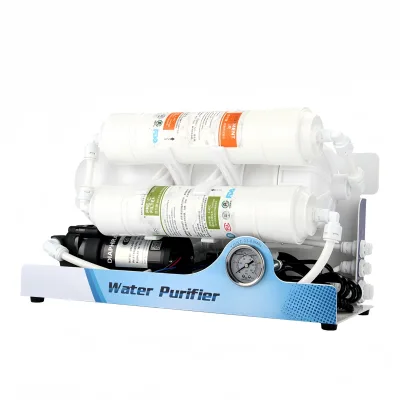
Filter dimensions and media capacity are also key technical parameters that require careful verification. Filter diameters observed in the market range from 450 mm to 1200 mm, with heights varying from 660 mm to 1335 mm, allowing for selection based on available space and installation constraints. The media capacity, which spans from 18 kg to 325 kg, indicates the amount of biological media the filter can hold, directly impacting its ability to process waste. For RO water purifiers, flow rates are typically measured in gallons per day (GPD), with observed rates around 125 GPD, suitable for household or hotel applications. Buyers must also consider pipe sizes, which vary from 3 inches to 8 inches depending on the model, to ensure compatibility with existing plumbing infrastructure.
Compliance and Safety Documentation
Ensuring that filtration systems meet relevant safety and performance standards is crucial for protecting both aquatic life and human health. Buyers should verify that materials used in construction, such as PP or PVC, are certified as non-toxic and food-grade, particularly for systems intended for potable water or high-contact aquarium environments. While specific certification statuses are not universally listed in observed data, buyers should request documentation confirming compliance with local and international safety regulations. This includes verifying that the equipment can withstand maximum working pressures of up to 36 psi (2.5 kg/cm²) and testing pressures of 58 psi (4.0 kg/cm²), ensuring structural integrity under operational stress.
Temperature resistance is another critical safety factor, with observed maximum working temperatures of 50 degrees Celsius. Buyers must ensure that the selected filter can operate safely within the temperature range of their specific environment, particularly in outdoor or industrial settings where ambient temperatures may fluctuate. Additionally, for electrical components, verifying that the motive force is electric power and that the system includes appropriate safety features is essential. Buyers should also inquire about the operating language of the control systems, with English being a common option, to facilitate easy installation and maintenance. Documentation regarding warranty periods, typically observed as one year, should also be reviewed to understand the supplier's commitment to product reliability.
Cost Drivers and Commercial Terms
The cost of aquarium filters is influenced by several factors, including material quality, filtration capacity, and customization options. Products with higher design flows and larger pond sizes naturally command higher prices due to the increased volume of materials and more complex engineering required. The inclusion of advanced features, such as compatibility with protein skimmers or air pumps, can also impact pricing. Buyers should note that observed price ranges in the market span from $1 to $10,000, reflecting the diversity of products from simple household units to large-scale industrial systems. Understanding these cost drivers helps in budgeting and selecting a product that offers the best value for specific requirements.
Minimum Order Quantities (MOQ) and payment terms are significant commercial considerations. Observed MOQs range from 1 piece to 1000 pieces, offering flexibility for both small-scale buyers and large procurement projects. Buyers should negotiate terms that align with their inventory needs and cash flow constraints. Additionally, the availability of customization services may incur additional costs, so it is important to clarify these charges upfront. Warranty terms, typically observed as one year, should be clearly defined in the contract, including the scope of coverage and the process for claiming repairs or replacements. Buyers should also consider the cost of after-sales services, such as field maintenance and repair, which can be provided by the supplier to ensure long-term system performance.
Supplier Qualification and Quality Control
Selecting a reliable supplier is paramount to ensuring the quality and longevity of aquarium filtration systems. Buyers should prioritize suppliers who offer comprehensive after-sales services, including field maintenance and repair, as this indicates a commitment to customer support and product reliability. Verifying the supplier's manufacturing capabilities and quality control processes is essential, particularly for products with complex specifications such as high-pressure resistance or specific material grades. Buyers should request evidence of quality assurance practices, such as material testing and pressure testing, to ensure that products meet the stated specifications.
The brand name and origin of the product can also provide insights into the supplier's reputation and expertise. For instance, the Dewo brand is observed in the market, originating from Henan, China, which may indicate a specialized focus on water treatment solutions. Buyers should conduct due diligence on the supplier's track record, including customer reviews and case studies, to assess their reliability. Additionally, verifying the supplier's ability to provide private mold services, if required, can be important for buyers seeking unique product designs. Establishing a clear communication channel with the supplier for technical support and troubleshooting is also crucial for successful procurement and installation.
Long-Term Procurement Checks
Long-term success in sourcing aquarium filters depends on establishing robust procurement processes that include regular performance monitoring and maintenance planning. Buyers should implement a schedule for inspecting filter media and replacing it as needed to maintain optimal filtration efficiency. Observing the flow rate and pressure readings regularly can help identify potential issues early, preventing system failures and costly repairs. Additionally, keeping a record of spare parts and consumables, such as filter media and seals, ensures that maintenance can be performed promptly without significant downtime.
Building a strong relationship with the supplier for ongoing support and potential upgrades is also beneficial. As technology evolves, suppliers may offer improved models or accessories that can enhance system performance. Buyers should stay informed about new product developments and consider periodic reviews of their filtration setup to ensure it continues to meet their needs. Finally, documenting all procurement activities, including warranties, service agreements, and maintenance logs, provides a valuable reference for future purchasing decisions and helps in managing the total cost of ownership over the life of the equipment.
FAQs
What materials are used for the aquarium filter?
The filter is constructed from Fiberglass and Non-Toxic Food Grade PP or PVC materials. These components ensure durability and safety for both fresh and sea water environments while supporting efficient biological treatment processes.
Can the filter be customized for specific needs?
Yes, customization is available for this product line. Buyers can select from various design flows ranging from 8 to 42 cubic meters per hour to match their specific pond size and fish load requirements effectively.
Which filter diameter options are available for purchase?
Available filter diameters include 450, 500, 630, 700, 800, 900, and 1200 millimeters. These sizes correspond to different pond capacities and media weights to ensure optimal filtration performance for various commercial or industrial applications.
How is the filter installed and what power does it use?
The unit features side-mount installation and operates on electric power. It is designed for easy installation and works efficiently with sand filters, protein skimmers, air pumps, or blowers to maintain water quality in swimming pools and aquariums.
What is the maximum working pressure for this equipment?
The maximum working pressure is 36psi or 2.5kg/Cm2. The unit undergoes testing at a higher pressure of 58psi or 4.0kg/Cm2 to ensure structural integrity and safe operation under standard conditions up to 50 degrees Celsius.
What is the minimum order quantity for this product?
The minimum order quantity is 1 piece. This low MOQ allows buyers to test the product without large commitments, and the item comes with a 1-year warranty and field maintenance support from the supplier in Henan, China.