Source Freshness Preservation Laundry Detergent Dispenser for Retail, Hotels, and Laundromats
Explore 30 verified listings for the Freshness Preservation Laundry Detergent Dispenser suitable for retail stores, hotels, and laundromats. Buyers can compare specifications, pricing, and customization options to find the right equipment for their business needs.
Key considerations
Products List


New Arrivals IoT Detergent Dosing Dispense Supply Laundry Chemical Dispenser
$2475.00 - $2750.00
MOQ: 1 Pieces


New Arrivals IoT Detergent Dosing Dispense Laundry Chemical Dispenser
$2475.00 - $2750.00
MOQ: 1 Pieces


Automatic Laundry Chemical Dispenser for Precise Detergent Dosing
$1900.00 - $2222.00
MOQ: 1 Pieces
Shanghai Qianhe Environmental Protection Technology Co., Ltd.

Smart Laundry Detergent Dispenser for Effortless Cleaning
$1900.00 - $2222.00
MOQ: 1 Pieces
Shanghai Qianhe Environmental Protection Technology Co., Ltd.


Factory Price New Arrivals Laundry Dispenser Detergent Dose
$1900.00 - $2222.00
MOQ: 1 Pieces
Shanghai Qianhe Environmental Protection Technology Co., Ltd.

Compact Laundry Dispenser for Efficient Hotel Laundering Solutions
$5200.00 - $5500.00
MOQ: 1 Pieces
Shanghai Qianhe Environmental Protection Technology Co., Ltd.





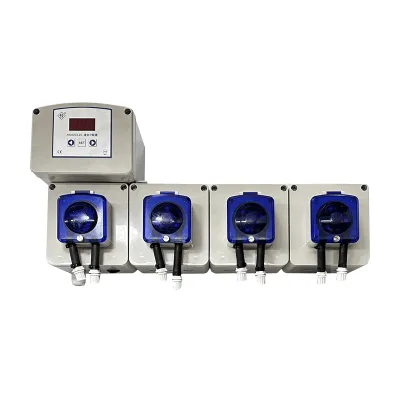


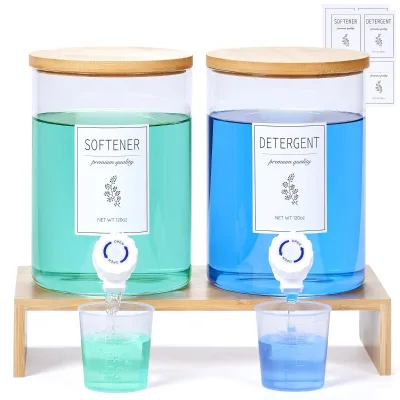
$10.50 - $12.80
MOQ: 100 Pieces




Comprehensive Sourcing Guide
Strategic Sourcing Guide for Freshness Preservation Laundry Detergent Dispensers
The global market for laundry care equipment has evolved to prioritize not just cleaning efficacy but also the preservation of fabric freshness and the integration of smart dispensing mechanisms. For procurement professionals seeking a "Freshness Preservation Laundry Detergent Dispenser," the sourcing landscape requires a nuanced understanding of product attributes, technical specifications, and supply chain reliability. This guide synthesizes available market data to provide a disciplined framework for evaluating potential suppliers and products. Buyers must navigate a diverse array of offerings, ranging from industrial-grade dispensing units to specialized packaging solutions, ensuring that the selected equipment aligns with specific operational needs and quality standards.
Technical Specifications and Functional Attributes
When evaluating a laundry detergent dispenser, the primary focus must be on the technical parameters that ensure consistent performance and freshness preservation. The core functionality often relies on precise power management and physical dimensions that fit within existing laundry infrastructure. Based on observed market data, specific models demonstrate distinct power profiles. For instance, certain industrial units operate with a rated voltage of 220V/50Hz, drawing a rated current of 2.2A. These units typically feature a maximum power consumption of 300W or 500W, with an operating power ranging from 100W to 150W. Understanding these electrical requirements is critical for facilities with limited power capacity or those operating in regions with specific grid standards.
Physical dimensions and weight are equally vital for installation planning. The market presents a wide variance in product sizes. Some compact units may measure approximately 270mm x 770mm x 200mm, while others designed for larger commercial applications can reach dimensions of 1160mm x 225mm x 1600mm. Weight is a significant factor for logistics and floor load calculations; observed units range from lightweight models weighing 9kg to heavy-duty industrial dispensers weighing up to 88kg. Buyers must verify these specifications against their facility's spatial constraints and handling capabilities. Furthermore, the product model identifiers, such as YDY-MKHD or WXMWH-7B, serve as unique reference points for tracking specific configurations and ensuring that the ordered unit matches the technical requirements of the procurement request.
Compliance, Certification, and Safety Standards
In the B2B sector, compliance with international safety and quality standards is non-negotiable. For laundry equipment, particularly those involving electrical components and fluid dispensing, certifications provide a baseline for reliability. The market data indicates that high-confidence products often carry CE Certification and ISO 9001 Certification. These certifications suggest that the manufacturing process adheres to rigorous quality management systems and that the product meets European safety, health, and environmental protection requirements.
However, buyers must remain vigilant regarding the scope of these certifications. Some suppliers may offer certifications that are "applied for the third party as per order," which implies that the certification is not a standard, pre-existing attribute of the product line but rather a conditional service. This distinction is crucial for long-term procurement stability. Additionally, for products intended for specific demographics, such as those designed for children or family use, the "Age Group" attribute must be verified. While some units are general-purpose, others may be tailored for specific clothing types, including underwear, maternal and child clothing, ramie cotton, cashmere, and silk. Ensuring that the dispenser is compatible with these delicate fabrics without causing damage is a key compliance consideration.
Cost Drivers and Pricing Dynamics
The pricing structure for laundry detergent dispensers is influenced by a complex interplay of factors, including customization, material quality, and production volume. The observed price range in the market spans from $0 to $5,500 USD, reflecting the vast difference between basic manual units and advanced, automated systems. This wide variance necessitates a clear definition of requirements before engaging in price negotiations.
A significant cost driver is the level of customization available. Products marked with "Customization: Available" often command a premium, as they require tailored engineering to fit specific operational workflows. The ability to customize the product, such as adding a "Customized Print Logo" or modifying the packaging, adds value but also increases the unit cost. Furthermore, the Minimum Order Quantity (MOQ) plays a pivotal role in the final price per unit. The observed MOQ range is extensive, stretching from 1 unit to 5,000,000 units. Buyers purchasing in smaller quantities may face higher per-unit costs, whereas those committing to large-scale orders can leverage economies of scale.
Packaging also impacts the overall cost. Options range from "Flexible Packaging" for smaller, liquid-based products to "Wooden Packaging" or "Carton + Wood Pallet" for heavy industrial units. The choice of packaging must balance protection during transit with cost efficiency. For instance, a unit with a standard of 110 x 110 x 120 cm may require robust wooden pallets, increasing the shipping weight and associated logistics costs. Buyers should request detailed breakdowns of these costs to understand the total cost of ownership, including shipping and handling.
Typical Applications and Product Versatility
The application of laundry detergent dispensers extends beyond simple liquid dispensing. The market data reveals a diverse range of use cases, from general household cleaning to specialized industrial applications. Some units are explicitly designed for "Beverage Dispensers" or "Buffet Display" setups, indicating a versatility that can be adapted for various fluid management needs. In the context of laundry, the dispenser must handle various forms of cleaning agents, including liquids and soaps.
The product attributes highlight specific suitability for different fabric types. A dispenser designed for "General Laundry Soap" with features like "Anti-Bacterial," "Perfumed," "Refreshing," and "Whitening" is ideal for facilities dealing with high-volume laundry where hygiene and freshness are paramount. The "Scent" attribute, whether "Fruit Scent" or "Natural Fragrance," is a critical differentiator for end-users who value the sensory experience of their laundry. For commercial laundries, the ability to handle "Maternal and Child Clothing" and "Silk Clothing" suggests a need for gentle yet effective dispensing mechanisms that do not compromise fabric integrity.
Furthermore, the integration of safety equipment, such as "Aprons," and tableware, like "Bowls," suggests that some systems are part of a broader hygiene ecosystem. Buyers should consider how the dispenser fits into the broader workflow, including the storage of food pans or the use of chair covers in multi-purpose facilities. The "Condition" of the product, typically listed as "New," ensures that the equipment is ready for immediate deployment without the need for refurbishment.
Supplier Evaluation and Operational Reliability
Selecting the right supplier is as important as selecting the right product. The market data points to suppliers originating from key manufacturing hubs such as Shandong and Shanghai, China. These regions are known for their robust industrial capabilities, but buyers must verify the specific capabilities of the supplier. The "After-Sales Service Provided" is a critical metric; offerings that include "Online Support and Free Spare Parts" significantly reduce the risk of operational downtime.
The "Warranty Period" is another key indicator of supplier confidence. A standard warranty of 1 Year is common, but buyers should scrutinize the terms and conditions to ensure that the coverage is comprehensive. Additionally, the availability of OEM and ODM services, marked as "Workable" or "Customized," allows buyers to tailor the product to their brand identity. This is particularly relevant for companies looking to white-label products or integrate specific branding elements.
When evaluating suppliers, buyers should also consider the "Place of Origin" and the specific product models available. For example, models like XLF-45 or 002 may have distinct manufacturing processes or quality control measures. It is essential to request documentation that verifies the origin and the specific production batch to ensure consistency. The "Selling Units" attribute, often listed as "Single Item," indicates flexibility in purchasing, allowing buyers to test the product before committing to larger orders.
Quality Control and Long-Term Procurement Considerations
Maintaining high quality standards over the long term requires a proactive approach to quality control. Buyers should implement rigorous inspection protocols, focusing on the "Standard" dimensions and the "Form" of the product. For liquid-based dispensers, the "2L" standard size is a common benchmark, but deviations can indicate quality issues. The "Shape," typically "Rectangle," should be consistent across batches to ensure proper fit and function.
Long-term procurement considerations also involve the sustainability and durability of the product. The "Feature" set, including anti-bacterial and refreshing properties, should be verified through third-party testing to ensure they meet the claimed standards. The "Certification" status should be re-verified periodically to ensure ongoing compliance. Additionally, the "Packaging" method must be evaluated for its ability to protect the product during extended storage and shipping.
Buyers should also consider the "Lead Time" and "MOQ" flexibility. While the observed MOQ ranges are broad, negotiating favorable terms can improve cash flow and inventory management. The "Customization" options should be balanced against the lead time, as tailored products often require longer production cycles. Finally, the "Condition" of the product upon arrival should be meticulously checked to ensure it matches the "New" status promised by the supplier.
Conclusion
Sourcing a Freshness Preservation Laundry Detergent Dispenser requires a meticulous approach that balances technical specifications, compliance, cost, and supplier reliability. By leveraging the observed market data, buyers can make informed decisions that align with their operational needs. The wide range of available models, from the YDY-MKHD to the WXMWH-7B, offers flexibility, but it also demands careful evaluation. Buyers must prioritize products with verified certifications, robust after-sales support, and clear customization options. Ultimately, the goal is to secure a reliable supply chain that delivers high-quality, fresh, and efficient laundry solutions, ensuring long-term success in the competitive B2B market.
FAQs
What certifications do freshness preservation laundry detergent dispensers have?
High-confidence products often carry CE Certification and ISO 9001 Certification. Some suppliers may offer certifications applied from a third party as per order, so verify the scope before purchasing.
Which power specifications apply to industrial laundry detergent dispensers?
Industrial units typically operate at 220V/50Hz with a rated current of 2.2A. Maximum power consumption ranges from 300W to 500W, while operating power varies between 100W and 150W.
How do dimensions and weight vary for these dispensers?
Compact units may measure 270mm x 770mm x 200mm, while larger models reach 1160mm x 225mm x 1600mm. Weights range significantly from 9kg for lightweight models up to 88kg for heavy-duty industrial dispensers.
Can I customize the logo on freshness preservation laundry detergent dispensers?
Yes, customization is available, including options for customized print logos. OEM and ODM services are workable, allowing buyers to tailor the product to their specific brand identity and operational needs.
What warranty and after-sales support are provided for these units?
A standard warranty period of 1 Year is common for new products. After-sales services typically include online support and free spare parts to ensure operational reliability and minimize downtime.
Which packaging options are available for shipping these dispensers?
Packaging varies from flexible packaging for liquid products to wooden packaging or carton plus wood pallets for heavy units. The choice depends on the product dimensions and weight to ensure safe transit.
Where are these laundry detergent dispensers typically manufactured?
Products originate from key manufacturing hubs in China, specifically Shandong and Shanghai. Buyers should verify the specific place of origin to ensure consistency with their procurement requirements.