Source Handmade Art Paper Gift Box with Magnetic Closure for Electronics Cosmetics and Gifts
Compare 30 listings for Handmade Art Paper Gift Box with Magnetic Closure featuring customizable sizes and surface treatments. Buyers can evaluate options for electronics, cosmetics, and general gifts with varying closure types and lining materials.
Key considerations
Products List


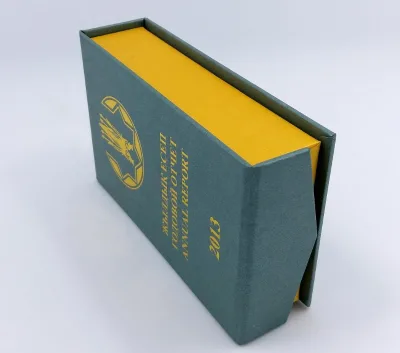

Hand Made Beautiful Luxury Packaging Cardboard Magnetic Closure Gift Box
$0.30 - $1.50
MOQ: 1000 Pieces


Custom High-Quality Rigid Gift Box Magnetic Gift Box with Magnetic Closure
$0.80 - $2.80
MOQ: 500 Pieces


Hot Sale Custom Magnetic Closure Printing Paper Box Gift Box Packaging Box
$0.55 - $0.95
MOQ: 3000 Pieces


Comprehensive Sourcing Guide
Strategic Sourcing Guide for Handmade Art Paper Gift Boxes with Magnetic Closure
Understanding Product Specifications and Material Composition
When sourcing handmade art paper gift boxes with magnetic closure, the primary focus must be on the precise definition of materials and structural integrity. The core material for these products is typically a composite of grey board and art paper. The grey board serves as the structural skeleton, providing the necessary rigidity to protect the contents, while the art paper acts as the outer aesthetic layer, offering a smooth surface for high-quality printing and finishing. The product specifications indicate that the paper type can vary, with options including standard art paper and cardboard, depending on the specific customization needs of the buyer.
The shape of the box is predominantly rectangular, a form factor that maximizes space efficiency for storage and shipping while providing a classic presentation for gifts. A critical feature of this specific product category is the closure mechanism. The magnetic closure is a preferred method for high-end packaging, offering a secure, silent, and satisfying user experience. This closure type is often combined with other options such as ribbons or self-structure designs, allowing for versatility in the final product design. The dimensions of these boxes are highly variable; while some standard models exist with specific measurements like 34.3 × 25.4 × 10.2 cm or 30 × 21 × 7.5 cm, the market heavily favors custom sizing. Buyers should verify that the supplier can accommodate custom dimensions to ensure the box fits the specific product being packaged, whether it is a cosmetic item, an electronic device, or a piece of jewelry.
Technical Surface Treatments and Printing Capabilities
The visual appeal of a handmade art paper gift box is largely determined by the surface handling and printing techniques employed. The supply chain data highlights several advanced surface treatments available for these products. Hot stamping is a prominent process, often used to add metallic finishes or textured effects that elevate the perceived value of the packaging. In addition to hot stamping, buyers can expect options for offset printing, which is essential for high-volume orders requiring precise color reproduction. The printing mode supports CMYK, Pantone colors, and custom color matching, ensuring brand consistency.
For further aesthetic enhancement, suppliers offer a range of surface treatments including film lamination, varnishing, spot UV, embossing, and die-cutting. These processes allow for the creation of tactile experiences and visual depth. The inner lining of the box is another technical consideration; options such as velvet or felt lining are available to provide a soft, protective surface for delicate items like jewelry or cosmetics. The choice of insert material is equally important, with suppliers capable of providing paper, plastic, foam, sponge, or EVA inserts to secure the product within the box. The artwork format required for these customizations is typically PDF or AI, with PDF being the preferred format for production readiness. Buyers must ensure their design files meet the resolution and bleed requirements of the printing process to avoid quality issues.
Cost Drivers and Pricing Structures
The pricing of handmade art paper gift boxes with magnetic closure is influenced by a complex interplay of factors, primarily driven by customization levels and order volume. The observed price range in the market spans from $0.04 to $10.00 per unit, a wide variance that reflects the difference between standard stock items and fully bespoke, high-end custom designs. Several key cost drivers must be analyzed when budgeting for a procurement project.
First, the material cost is significant. The use of recycled paper features or premium art paper can increase the base price. Second, the complexity of the surface treatment plays a major role. Processes like hot stamping, spot UV, and embossing require additional machinery time and specialized inks or foils, which add to the unit cost. Third, the magnetic closure mechanism itself adds a component cost, especially if high-strength magnets are required for heavier boxes. Finally, the customization of the size and the inclusion of custom inserts or linings will directly impact the final price.
Buyers should also be aware of the sample costs involved in the development phase. The standard custom sample fee is reported to be around $200 per design, although stock samples may be available for free. This fee covers the labor and material costs associated with creating a prototype that matches the exact specifications of the final order. Understanding these cost drivers allows buyers to negotiate more effectively and allocate their budget to the most critical aspects of the packaging design.
Compliance, Certification, and Quality Assurance
While specific certification names are not universally listed for every product variant, the procurement process for art paper gift boxes requires a rigorous approach to quality assurance and compliance. The production standards emphasize "inner quality control," suggesting that manufacturers have internal protocols to ensure consistency. However, buyers should not assume that all products automatically meet international environmental or safety standards without verification.
The material composition, specifically the use of recycled paper, indicates an eco-friendly potential, but this must be verified against specific environmental certifications relevant to the buyer's target market. For instance, if the packaging is intended for food or cosmetic applications, the materials must be non-toxic and safe for indirect contact. The supplier's location in Guangdong, China, places them in a major manufacturing hub, but buyers must verify that the factory adheres to local and international labor and environmental regulations.
Quality control should be a continuous process rather than a final inspection. Buyers should request a detailed quality control plan from the supplier, covering raw material inspection, in-process checks during the folding and gluing stages, and final packaging verification. The "inner quality control" standard mentioned in the product data suggests a baseline, but for high-value applications, third-party inspection services may be necessary to validate the structural integrity of the magnetic closure and the durability of the surface treatments.
Supplier Evaluation and Operational Capabilities
Selecting the right supplier is critical for the success of a procurement project involving handmade art paper gift boxes. The data indicates that the suppliers in this category typically have a factory history of more than 20 years, suggesting a high level of experience and stability. This longevity often correlates with a mature supply chain and refined manufacturing processes. The ability to accept custom orders is a fundamental requirement, and the suppliers listed demonstrate this capability through their flexible production models.
When evaluating a potential supplier, buyers should assess their customization capabilities beyond just the box design. This includes their ability to source specific paper types, their proficiency with various surface treatments, and their capacity to produce custom inserts. The lead time for custom samples is typically 7 to 14 days, while the production lead time for bulk orders should be clearly defined. The standard packing method involves export cartons, often with damp-proof bags to protect the goods during transit, which is essential for paper-based products that are sensitive to moisture.
Buyers should also verify the supplier's communication efficiency and their willingness to provide detailed technical drawings or 3D models before production begins. The ability to handle complex design requirements, such as specific die-cut shapes or multi-layer closures, is a strong indicator of a supplier's technical competence.
Typical Applications and Market Segmentation
The versatility of handmade art paper gift boxes with magnetic closure makes them suitable for a wide range of applications across various industries. The observed usage categories include arts and crafts, electronic products, jewelry, food, garments and shoes, greeting cards, letters, gifts, cosmetics, and health care products. This broad applicability stems from the customizable nature of the product, allowing it to be tailored to the specific aesthetic and functional needs of different sectors.
For the cosmetics and health care industries, the magnetic closure provides a premium unboxing experience that aligns with brand positioning. The inner lining options, such as velvet or felt, are particularly valuable for protecting delicate items like perfume bottles or skincare tools. In the electronics sector, the rigidity of the grey board construction ensures that the box can protect sensitive devices during shipping. For the jewelry and gift markets, the aesthetic potential of hot stamping and custom printing allows for high-impact branding that enhances the perceived value of the product inside.
The following table summarizes the typical applications and corresponding requirements for the art paper gift box:
| Application Sector | Key Requirements | Recommended Features |
|---|---|---|
| Cosmetics & Health Care | Premium feel, product protection | Velvet/Felt lining, Hot Stamping, Custom Size |
| Jewelry | Soft protection, high visual appeal | Felt Lining, Spot UV, Magnetic Closure |
| Electronics | Structural rigidity, shock absorption | Grey Board + Art Paper, EVA/ Foam Inserts |
| Food & Beverage | Safety compliance, moisture resistance | Damp-proof packing, Food-safe materials |
| Apparel & Gifts | Branding, aesthetic customization | Offset Printing, Custom Color, Ribbon Closure |
Long-Term Procurement Considerations and Sustainability
For buyers looking to establish a long-term relationship with a supplier of handmade art paper gift boxes, sustainability and scalability are key considerations. The product attributes mention a "Reusable & Eco-Friendly" feature, which aligns with growing global demand for sustainable packaging solutions. The use of recycled paper and the potential for box reuse (as the magnetic closure allows for repeated opening and closing without damage) are significant selling points.
However, buyers must verify the specific environmental claims made by the supplier. This includes checking the source of the paper, the adhesives used in the construction, and the inks used for printing. Ensuring that the entire supply chain adheres to sustainable practices can help buyers meet their own corporate social responsibility goals.
Scalability is another critical factor. As the buyer's business grows, the supplier must be able to increase production volume without compromising quality or lead times. The observed MOQ range of 500 to 5000 units suggests that these suppliers are equipped to handle both small-batch custom orders and larger production runs. Buyers should discuss capacity planning with the supplier early in the relationship to ensure that they can meet future demand spikes. Additionally, maintaining a consistent supply of high-quality materials and surface treatments is essential for brand consistency over time. By focusing on these long-term factors, buyers can secure a reliable partnership that supports their growth and sustainability objectives.
FAQs
Can the size and printing be customized for this box?
Yes, the size and printing can be customized according to customer needs. The product supports various paper types like art paper and cardboard, allowing for tailored dimensions and specific logo printing requirements.
What surface handling options are available for these boxes?
Suppliers offer multiple surface handling options including hot stamping and offset printing. Additional treatments like film lamination, varnishing, spot UV, and embossing can be applied to enhance the visual appeal and texture of the packaging.
How long does it take to receive a custom sample?
The sample time is typically 7 days for custom designs, while stock samples may be free. Custom sample fees are around 200 USD per design, and the total lead time for samples can range from 7 to 14 days.
Which materials are used to construct these gift boxes?
The boxes are constructed using grey board and art paper for structural integrity and aesthetic finish. Some variants may also utilize cardboard or recycled paper, often featuring inner linings like velvet or felt for delicate items.
What are the standard packaging methods for shipping these boxes?
Standard packaging involves export cartons, often with damp-proof bags to protect against moisture. The specific packing method ensures the boxes remain secure during transit, with options for carton packing or standard export carton configurations.
Can the boxes be used for cosmetics and electronics?
Yes, the boxes are suitable for applications including cosmetics, electronics, jewelry, and health care products. Their rigid structure and customizable closures make them ideal for protecting and presenting items across these diverse industry sectors.
What is the minimum order quantity for these boxes?
The observed minimum order quantity ranges from 500 to 5000 units depending on the supplier and customization level. Buyers should verify specific MOQ requirements as they vary based on the product model and material selection.