Source Frothing Milk Espresso Coffee Jug for Home, Hotel, and Kitchen
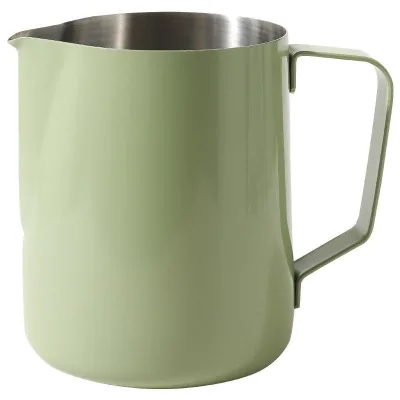
Compare 30 listings of Frothing Milk Espresso Coffee Jug from verified suppliers in Guangdong. Options include stainless steel milk pitchers with thermometers, varying capacities from 100 to 2000ml, and customizable logos for home, hotel, and kitchen applications; compare the available evidence and request quotations based on your requirements.
Key considerations
Products List


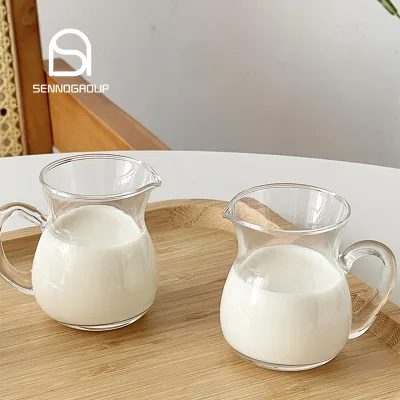
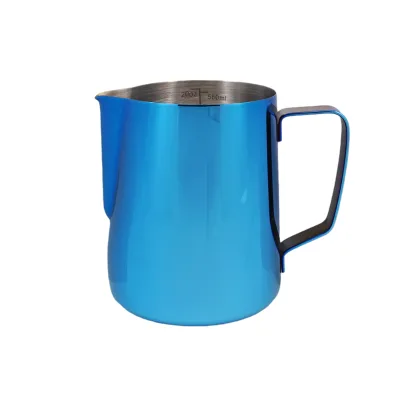
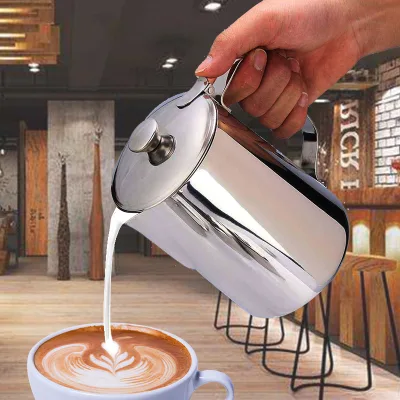
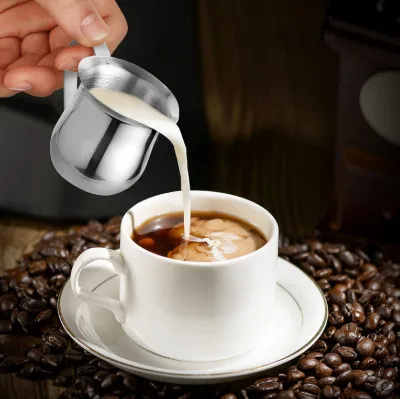

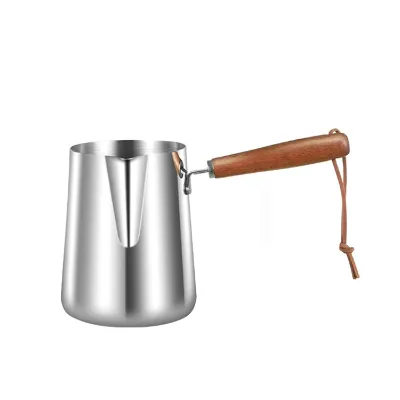
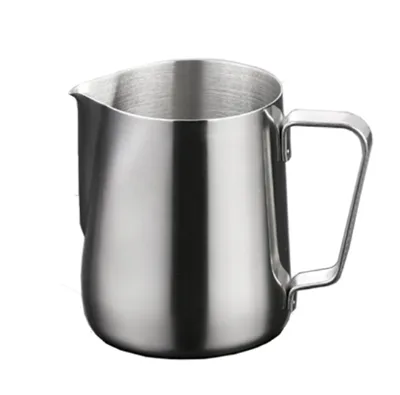
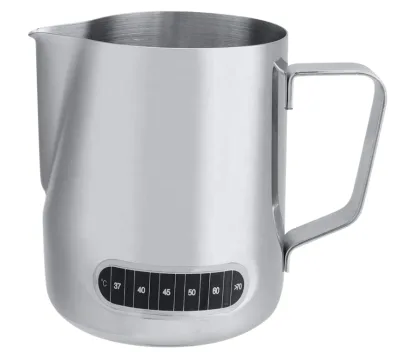
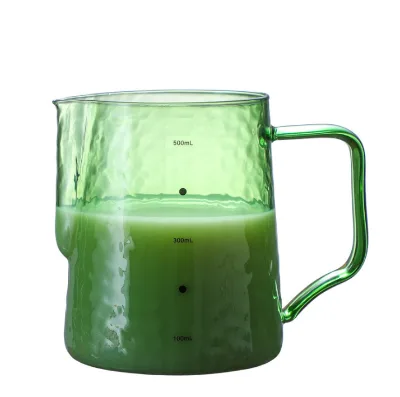


Comprehensive Sourcing Guide
Frothing Milk Espresso Coffee Jug Sourcing Guide
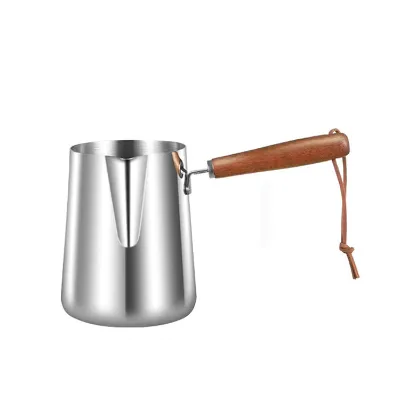
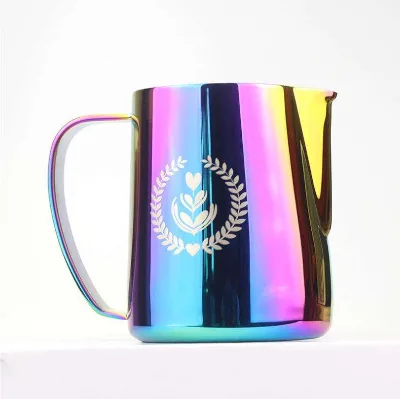
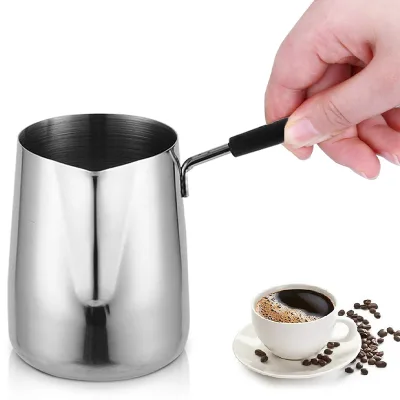
Sourcing high-quality frothing milk espresso coffee jugs requires a clear understanding of the specific material properties and functional designs that define professional-grade equipment. These tools are essential for baristas and home enthusiasts who demand precision in latte art and consistent milk texture. The market offers a variety of options, ranging from minimalist stainless steel pitchers to vintage-inspired designs with custom logos. Buyers must distinguish between standard commercial units and specialized tools that may include integrated thermometers or unique surface treatments like titanium plating.
The procurement process involves evaluating multiple product attributes, including capacity, material grade, and packaging standards. Listings often highlight features such as eco-friendly materials, multifunctional use, and compatibility with various coffee tools. It is crucial to verify whether the supplier offers customization services, such as logo printing or size adjustments, to meet brand-specific requirements. Understanding the distinction between single-piece units and set configurations helps in aligning inventory with retail or hospitality needs.
Product Scope and Observed Listing Signals
The current market for frothing milk espresso coffee jugs displays a diverse range of product models, each catering to different aesthetic and functional preferences. Observed listings indicate a price range of $0.31 to $10 USD, reflecting variations in material quality, manufacturing complexity, and order volume. Minimum Order Quantities (MOQ) vary significantly, from as low as 50 pieces for stock items to 1000 pieces for customized runs. This wide spectrum allows buyers to select suppliers based on their specific inventory turnover rates and budget constraints.
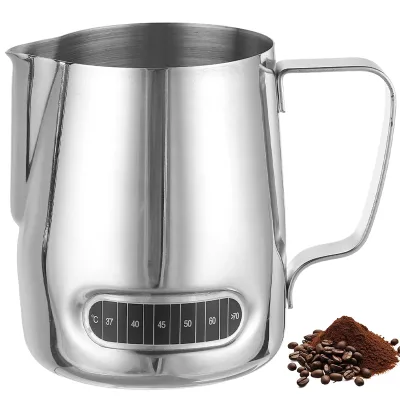
Product descriptions frequently emphasize key attributes such as stainless steel construction, minimalist or vintage design styles, and multifunctional capabilities. Some models are explicitly marketed as milk pitchers with thermometers, while others focus on aesthetic appeal with multicolor options or American-style designs. Packaging methods also differ, with options including PE bags, color boxes, master cartons, and plywood cases. These signals help buyers assess the target market segment, whether it be high-volume hospitality supply or boutique retail distribution.
Technical Specifications to Verify
Verifying technical specifications is critical to ensuring the durability and performance of frothing milk espresso coffee jugs. Buyers should confirm the exact stainless steel grade, such as 202 or 304, which directly impacts corrosion resistance and food safety. Capacity ranges typically span from 100ml to 2000ml, with common sizes like 600ml offering specific dimensional profiles. It is essential to check if the jug features a spout design optimized for latte art and whether it includes additional features like integrated thermometers for precise temperature control.
Surface treatment and structural integrity are also key technical factors. Some jugs undergo titanium plating for enhanced durability and aesthetic appeal, while others rely on standard polished finishes. Buyers must verify the single package size and weight to calculate shipping costs accurately. Additionally, confirming whether the product is stocked or made-to-order affects lead times, which can range from immediate dispatch for stock items to 40-45 days for customized production. These details ensure the product meets operational demands in busy coffee environments.
Compliance and Safety Documentation
Compliance with food safety standards is non-negotiable for any product intended for direct contact with beverages. Buyers should request documentation verifying that the stainless steel used meets relevant international food-grade standards. Certifications such as LFGB are strong indicators of compliance with strict European safety regulations, ensuring the material is free from harmful substances. It is advisable to ask for test reports or certificates of conformity from the supplier to validate these claims before placing large orders.
Beyond material safety, buyers must ensure that the product meets general safety requirements for kitchenware. This includes verifying that the handle is securely attached and heat-resistant to prevent burns during use. For customized products, it is important to confirm that any added logos or coatings do not compromise the food-safe nature of the jug. Maintaining a clear paper trail of compliance documents protects the buyer from regulatory issues and enhances consumer trust in the final product.
Cost Drivers and Commercial Terms
Several factors influence the final cost of frothing milk espresso coffee jugs, including material costs, customization complexity, and order volume. Higher-grade stainless steel and specialized surface treatments like titanium plating typically command higher prices. Customization options, such as logo printing or unique design styles, add to the production cost and may increase the MOQ. Buyers should negotiate based on their expected annual volume to secure better pricing tiers and favorable payment terms.
Commercial terms also play a significant role in the total cost of ownership. Lead times, which can range from immediate for stock items to 40-45 days for customized orders, impact inventory management and cash flow. Packaging choices, from simple PE bags to robust plywood cases, affect shipping costs and product protection during transit. Buyers should clarify who bears the risk and cost of shipping, as well as the procedures for handling defective items, to avoid unexpected expenses.
Supplier Qualification and Quality Control
Evaluating supplier qualification is essential to ensure consistent product quality and reliable service. Buyers should verify the supplier’s manufacturing capabilities, including their production capacity and quality control processes. Suppliers based in regions like Guangdong, China, often have established supply chains for stainless steel products, but it is crucial to confirm their ability to meet specific design and material requirements. Requesting samples before placing bulk orders allows buyers to assess the finish, weight, and functionality of the jugs firsthand.
Quality control measures should be clearly defined in the purchase agreement. This includes specifying acceptable tolerances for dimensions, weight, and surface finish. Buyers should inquire about the supplier’s defect rate and their policy for replacing faulty items. For customized orders, it is important to have a pre-production sample approval process to ensure the final product matches the agreed-upon design. Establishing a strong relationship with a qualified supplier helps mitigate risks and ensures a steady supply of high-quality frothing milk espresso coffee jugs.
Long-Term Procurement Checks
Long-term procurement success depends on regular performance reviews and continuous improvement of the supply chain. Buyers should monitor supplier performance metrics, such as on-time delivery rates, product quality consistency, and responsiveness to issues. Regular audits or quality checks can help identify potential problems early and maintain high standards. It is also important to stay updated on market trends and new product innovations, such as eco-friendly materials or advanced spout designs, to keep the product offering competitive.
Building a diversified supplier base can reduce dependency on a single source and mitigate supply chain risks. Buyers should periodically re-evaluate their supplier portfolio to ensure they are getting the best value and quality. Establishing clear communication channels and fostering a collaborative relationship with suppliers can lead to better pricing, priority production, and exclusive product access. By focusing on long-term partnerships and continuous improvement, buyers can secure a reliable supply of high-quality frothing milk espresso coffee jugs for their business.
FAQs
What certifications do the milk jugs have?
The milk jugs carry LFGB certification to ensure safety for food contact. This standard confirms the stainless steel material meets strict hygiene requirements for home and hotel use without harmful substances.
Can I customize the logo on the jug?
Yes, you can customize the logo on the milk jug as the supplier accepts customized logo requests. This service allows you to brand the product for your specific business needs or promotional campaigns effectively.
What is the minimum order quantity for these jugs?
The minimum order quantity varies by product model, ranging from 50 pieces to 600 pieces. Some listings require 600 pieces while others accept orders as low as 50 pieces depending on the specific stock availability.
How long does delivery take for these coffee tools?
Delivery typically takes between 40 to 45 days for these coffee tools. This lead time applies to the production and shipping process from the manufacturing location in Guangdong, China to your destination.
Which materials are used to make these milk pitchers?
These milk pitchers are made from stainless steel, specifically 202 or 304 grade metal. The surface treatment often includes titanium plating to enhance durability and provide a sleek, minimalist or vintage design finish.
What packaging options are available for the milk jugs?
Packaging options include individual PE bags with color boxes or master cartons and plywood cases. The specific packing method depends on the product model and order volume to ensure safe transport during shipping.