Source Frozen Basque Pistachio Cheesecake for Banquets, Parties, and Private Enjoyment
Explore 16 listings of Frozen Basque Pistachio Cheesecake from verified Chinese manufacturers. Buyers can compare specifications, certifications like ISO2200 and HACCP, and packaging details for banquet, party, or private enjoyment needs.
Key considerations
Products List
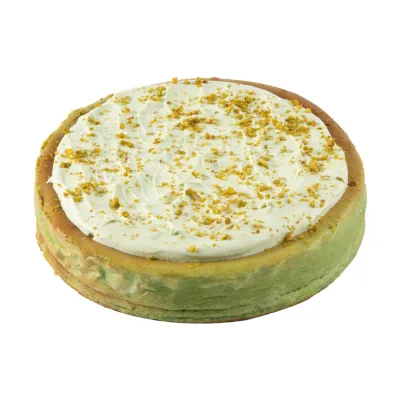
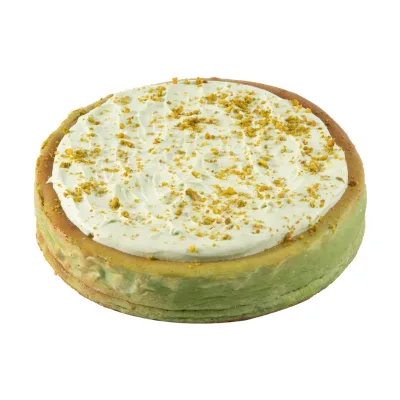
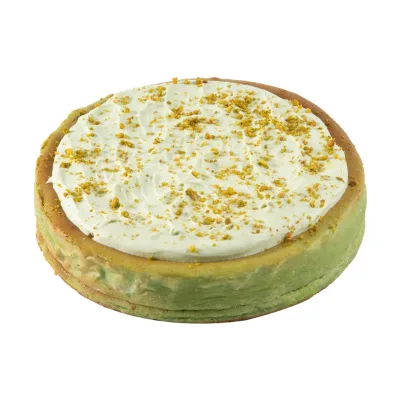
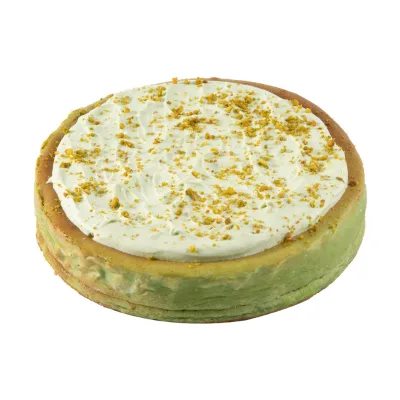
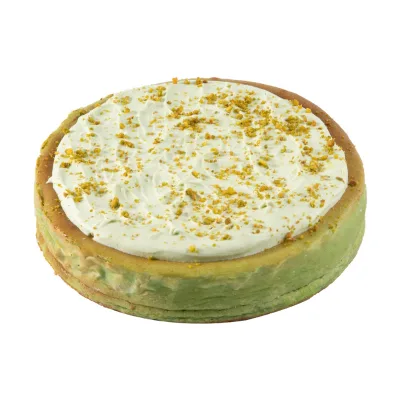
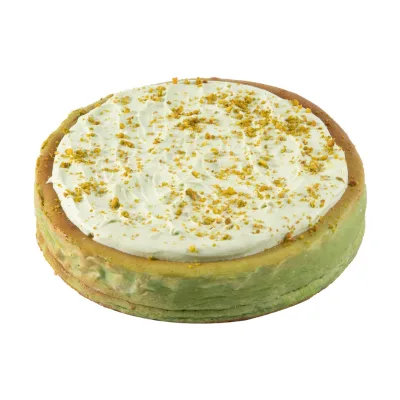


$2800.00 - $3300.00
MOQ: 20 Tons
Comprehensive Sourcing Guide
Strategic Sourcing Guide for Frozen Basque Pistachio Cheesecakes
The global demand for premium frozen desserts has elevated the profile of artisanal gateaux, with the Frozen Basque Pistachio Cheesecake emerging as a high-value SKU for B2B buyers in the hospitality and retail sectors. Sourcing this specific product requires a disciplined approach that balances flavor profile consistency with rigorous supply chain compliance. Unlike standard bakery items, frozen cheesecakes present unique logistical challenges regarding temperature control and texture preservation. This guide provides a comprehensive framework for evaluating suppliers, verifying product specifications, and managing procurement risks for frozen Basque pistachio cheesecakes.
Technical Specifications and Product Composition
Understanding the precise technical attributes of the product is the first step in defining a procurement requirement. The core product, identified as a Frozen Basque Pistachio Cheesecake, falls under the broader category of mousse cakes or frozen gateaux. Buyers must verify that the product specifications align with the intended application, whether for banquet service, private enjoyment, or birthday party catering.
The physical form of the product is critical for inventory and display planning. While some market observations suggest a round shape, others indicate square configurations are available, meaning the buyer must explicitly define the required geometry in their purchase order. The standard packaging specification often involves a multi-tiered system where individual units are boxed, and these boxes are consolidated into cartons. A typical configuration observed in the market includes ten pieces per box and twelve boxes per carton, resulting in a total carton count of 120 units. However, this is not a universal standard, and buyers should confirm the exact "Selling Units" and "Single Volume" with the supplier.
The composition of the cheesecake dictates its storage and handling requirements. The product is designed to be stored at a minimum of minus 18 degrees Celsius to maintain structural integrity and safety. The shelf life is a critical variable; data indicates a range from 6 to 12 months when frozen, with a significantly shorter window of approximately three days if refrigerated. This distinction is vital for logistics planning. The ingredient profile typically includes gelatin and food coloring, alongside the primary flavor notes of cheese, cream, and pistachio. Some variations may include hazelnut decorations, which adds a layer of complexity to allergen management. Buyers must ensure the ingredient list matches their dietary restrictions and that the "Flavour" profile, described as a "Perfect Dessert," aligns with their brand standards.
Compliance and Certification Verification
In the food industry, particularly for imported frozen goods, compliance is non-negotiable. The supply chain for frozen Basque pistachio cheesecakes originating from regions such as Jiangsu, China, must adhere to international food safety standards. Buyers should prioritize suppliers who hold recognized certifications such as ISO22000 and HACCP. These certifications are not merely badges of honor but are functional indicators of a supplier's ability to manage food safety hazards throughout the production process.
When evaluating a potential supplier, the procurement team must request current, valid copies of these certificates. It is important to note that while some product listings may mention HACCP or ISO22000, these certifications apply to the manufacturing facility, not necessarily every single SKU in their catalog. Therefore, verification should be specific to the production line responsible for the frozen cheesecakes. Additionally, the "Processing" method is a key compliance factor. While the product is a cake, some listings may reference "Fried" or "Deep-Fry" processes for other product lines (such as chicken or duck), which can cause confusion. Buyers must ensure the cheesecake production line is distinct and does not cross-contaminate with allergen-heavy fried items unless explicitly stated and managed.
The origin of the product is another compliance dimension. The place of origin is frequently cited as Suzhou or Jiangsu, China. Buyers must verify that the "Manufacturer" listed, such as Suzhou Fulan Sweet Food Co., LTD, is the actual entity responsible for the goods and not a trading company without direct oversight. The address provided, often within a Korea Industrial Park in Jiangsu Province, should be cross-referenced with the official business registration to ensure the facility exists and is authorized for food export.
Cost Drivers and Pricing Dynamics
The pricing structure for frozen Basque pistachio cheesecakes is influenced by several volatile factors. The observed price range in the market is broad, spanning from approximately 1.24 USD to 3300 USD per unit or batch, depending heavily on the quantity ordered and the specific customization level. This wide variance suggests that the "Selling Units" can range from single items to bulk industrial orders.
The Minimum Order Quantity (MOQ) is a primary cost driver. Suppliers may set MOQs ranging from 5 cartons to as high as 50,000 units. For smaller buyers, an MOQ of 5 cartons may be accessible, but this often results in a higher unit cost due to the lack of economies of scale. Conversely, large-scale buyers negotiating for 50,000 units can leverage volume discounts, significantly lowering the per-unit price. However, the buyer must balance this cost saving against the risk of inventory obsolescence, given the 12-month frozen shelf life.
Other cost drivers include the complexity of the product. Customization is available for many suppliers, allowing for brand-specific packaging or flavor adjustments. These customizations invariably increase the unit cost and may extend the lead time. The packaging type, whether simple boxes or premium cartons with specific branding, also impacts the final price. Furthermore, the "Single Gross Weight" and "Weight (kg)" of the product affect shipping costs. Since the product is frozen, logistics costs are significantly higher than ambient goods due to the requirement for refrigerated containers (reefers) and the risk of temperature excursions. Buyers should calculate the total landed cost, including freight, insurance, and customs duties, rather than focusing solely on the factory gate price.
Typical Applications and Market Segmentation
The versatility of the Frozen Basque Pistachio Cheesecake allows it to serve multiple market segments. The primary applications identified include birthday parties, banquets, and private enjoyment. This suggests a strong B2C component, but the B2B market is equally significant. The product is applicable to hotels, fast-food restaurants, and Japanese restaurants, indicating its adaptability to diverse culinary environments.
In the hotel and banquet sector, the product serves as a premium dessert option. The "Perfect Dessert" flavor profile and the visual appeal of the pistachio and hazelnut decorations make it suitable for high-end events. For fast-food restaurants, the frozen nature of the product offers a significant operational advantage; it requires minimal preparation time, often just thawing at room temperature, which streamlines service during peak hours. Japanese restaurants may utilize the product as a fusion dessert, leveraging the popularity of cheesecakes in Asian cuisine.
The "Occasion" attribute highlights the product's role in celebratory contexts. For private enjoyment, the product is often sold in smaller, single-serving units, whereas banquet orders may require larger quantities. The "Style" being "FROZEN" is a key differentiator, allowing for extended distribution networks that would be impossible for fresh, non-frozen cakes. This frozen state enables the product to be sourced from China and distributed globally, reaching markets that lack local artisanal cheesecake production capabilities.
Supplier Evaluation and Selection Criteria
Selecting the right supplier is critical for maintaining product quality and supply chain reliability. The evaluation process should begin with a thorough audit of the manufacturer's capabilities. Buyers should verify the "Manufacturer" details, such as Suzhou Fulan Sweet Food Co., LTD, and ensure they have the capacity to meet the required "Selling Units" and "MOQ."
A key criterion is the supplier's ability to maintain the cold chain. The "Storage Way" and "Storage Temperature" requirements are strict; any deviation can lead to product spoilage. Buyers should ask for evidence of the supplier's cold storage facilities and their logistics partners' ability to maintain minus 18 degrees Celsius throughout transit. The "Conditioning Methods" and "Processing" details should be reviewed to ensure the production methods align with the buyer's quality expectations.
Customization capabilities are another important factor. If the buyer requires specific branding or packaging, the supplier must have the infrastructure to support "Customization: Available." This includes the ability to modify the "Package" from standard boxes to branded cartons. The "Shelf Life" of the product, ranging from 6 to 12 months, should be clearly communicated, and the supplier should be able to guarantee the remaining shelf life upon delivery.
Finally, the supplier's location and origin must be verified. The "Place of Origin" and "Origin" fields, often listed as Jiangsu, China, or Suzhou, China, should be confirmed to ensure the product is sourced from the correct region. This is particularly important for compliance with import regulations in the buyer's country.
Quality Control and Long-Term Procurement Considerations
Quality control (QC) must be integrated into the procurement process from the initial sampling stage to the final delivery. Buyers should request samples to verify the "Shape," "Flavour," and "Decoration" against the product description. The "Ingredients" list, including gelatin and food coloring, must be verified for allergen compliance and dietary restrictions.
Long-term procurement considerations involve building a resilient supply chain. Given the "Shelf Life" constraints, buyers should implement a Just-in-Time (JIT) inventory strategy to minimize the risk of expiration. The "Storage Type," which allows for both refrigerated and frozen storage, offers flexibility, but the "Storage Temperature" of -18 degrees Celsius is the preferred method for long-term preservation.
Buyers should also monitor the "Standard" specifications, such as the "6/7/8/9 inches" sizing, to ensure consistency across orders. Any deviation in size or shape can impact the presentation and customer satisfaction. Regular audits of the supplier's "Certification" status are necessary to ensure ongoing compliance with ISO22000 and HACCP standards.
In conclusion, sourcing frozen Basque pistachio cheesecakes requires a meticulous approach that addresses technical specifications, compliance, cost dynamics, and quality assurance. By adhering to the guidelines outlined in this guide, buyers can secure a reliable supply of high-quality frozen desserts that meet the demands of the modern hospitality and retail markets. The focus should remain on verifying facts, avoiding assumptions, and maintaining a rigorous standard of due diligence throughout the procurement lifecycle.
FAQs
How should Frozen Basque Pistachio Cheesecake be stored?
Store the product at minus 18 degrees Celsius to maintain structural integrity. The shelf life is up to 12 months when frozen, but only three days if refrigerated.
What certifications do the manufacturers hold?
Manufacturers typically hold ISO22000 and HACCP certifications to ensure food safety compliance. These standards verify that the production facility manages hazards effectively for exported goods.
Which shape options are available for this cake?
Both round and square shapes are observed in the market for this product. Buyers must explicitly define the required geometry in their purchase order to ensure the correct configuration.
Can buyers customize the packaging and specifications?
Yes, customization is available for branding and specific packaging requirements. Buyers should confirm the exact selling units and carton configurations with the supplier before placing a bulk order.
What is the typical minimum order quantity for this item?
The minimum order quantity ranges from 5 cartons to 50,000 units depending on the supplier. Smaller orders may result in higher unit costs due to a lack of economies of scale.
Where is the product manufactured and shipped from?
The product originates from Suzhou or Jiangsu, China, often within a Korea Industrial Park. Buyers should verify the manufacturer details to ensure the facility is authorized for food export.
How is the product prepared for service?
The cake requires thawing at room temperature before serving and should not be refrozen. This simple preparation method makes it suitable for hotels, banquets, and fast-food restaurants.