Source Monorail Truck for Farming, Mining, and Construction
Explore 30 verified Monorail Truck options for agricultural, mining, and construction logistics. Buyers can compare payload capacities up to 800kg, drive types, and slope capabilities to find the right equipment for steep terrain operations.
Key considerations
Products List



Multiple Function and High Quality Monorail for Passenger Rail Train
$280000.00 - $300000.00
MOQ: 5 Pieces

Multiple Function and High Quality Monorail for Passenger Rail Car
$280000.00 - $300000.00
MOQ: 5 Pieces

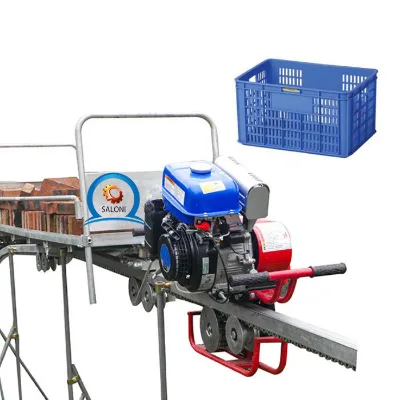
Monorail Transporter / Self-Propelled Gasoline Engine Rail Transport Vehicle
$1000.00 - $3000.00
MOQ: 1 Pieces


$1200.00 - $3000.00
MOQ: 1 Piece


Truck Semitrailer Durable Freight Carrier Standard Configuration Options
$8000.00 - $14000.00
MOQ: 1 Unit


Truck Semitrailer Durable Freight Transport Standard Configuration Options
$8000.00 - $14000.00
MOQ: 1 Unit


Truck Semitrailer Low Bed Equipment Transport Standard Specifications
$8000.00 - $14000.00
MOQ: 1 Unit



Comprehensive Sourcing Guide
Strategic Sourcing Guide for Monorail Truck Procurement
The global demand for specialized material handling equipment has driven a significant shift toward Monorail Truck systems, particularly in sectors requiring high-efficiency transport across challenging terrains. For procurement professionals, the Monorail Truck represents a critical asset in agro-forestry and industrial logistics, offering a unique blend of mobility and load-bearing capacity. This guide provides a disciplined, evidence-based framework for sourcing these systems, focusing on the technical realities, compliance requirements, and cost structures observed in the current market. Buyers must navigate a landscape where specifications vary significantly between models, requiring rigorous verification of every data point before finalizing a purchase order.
Technical Specifications and Performance Parameters
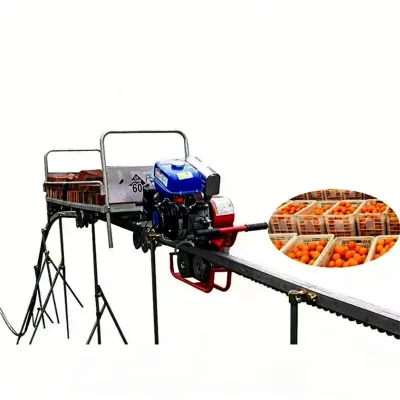
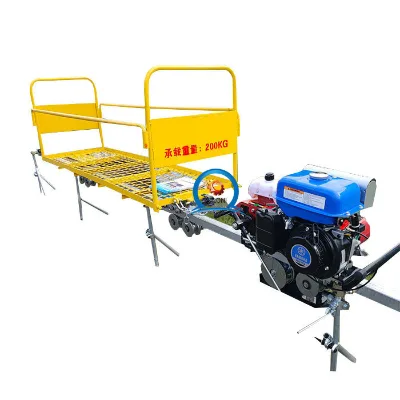
Understanding the technical architecture of a Monorail Truck is the first step in ensuring operational compatibility. The core of these systems typically relies on a gasoline or diesel engine, providing the necessary torque for steep inclines. Observed market data indicates that machine power ratings generally range from 9HP to 13HP, depending on the payload capacity required. For instance, specific model configurations such as the SA-Dgysc-800 are equipped with 13HP engines, while lighter variants like the SA-Dgysc-500 may utilize 9HP units. This power differential directly correlates with the machine's ability to maintain momentum under load.
The payload capacity is a primary differentiator in this category. Buyers should expect to encounter systems rated for 500kg or 800kg, with performance often maintained even at a 45-degree slope. This gradeability is a critical metric for operations in mountainous or uneven terrain. The physical dimensions of the unit are equally important for logistical planning. Host sizes typically measure around 720mm in width, 1000mm in length, and 600mm in height, while carrier sizes can vary from 2000mm down to 1240mm depending on the specific model configuration. The track thickness is another vital specification, with observed values around 2.75mm, ensuring durability against wear and tear during continuous operation.
Speed and weight are often misunderstood metrics in this sector. While some data points suggest a driving speed of 42 meters per minute, it is crucial to distinguish this from highway operating speeds. The machine weight itself is relatively compact, ranging from 100kg to 160kg, which facilitates transport and installation. However, buyers must verify the distinction between the machine's empty weight and its total operational weight when fully loaded. The following table summarizes the key technical observations found in current listings to aid in specification comparison.
| Parameter | Observed Range / Specific Value | Notes |
|---|---|---|
| Power Source | Gasoline / Diesel | Engine-driven propulsion |
| Machine Power | 9HP to 13HP | Varies by payload model |
| Payload Capacity | 500kg to 800kg | Tested at 45° slope |
| Gradeability | 45 Degrees | Maximum slope capability |
| Host Dimensions | 720 x 1000 x 600 mm | Standard footprint |
| Carrier Dimensions | 1240 x 970 x 380 mm to 2000 x 600 x 600 mm | Variable based on model |
| Machine Weight | 100kg to 160kg | Excludes payload |
| Driving Speed | 42 m/min | Operational speed |
| Track Thickness | 2.75 mm | Structural integrity metric |
Compliance, Certification, and Regulatory Standards
Navigating the regulatory landscape is essential for international procurement. Monorail trucks intended for export must adhere to specific safety and environmental standards. The most frequently cited certifications in the market include EPA (Environmental Protection Agency), CCC (China Compulsory Certification), and CE (Conformité Européenne). These certifications indicate that the product meets specific emission standards and safety requirements for the respective markets. Additionally, ISO certification is often referenced, suggesting adherence to international management standards, though the specific ISO standard number should be verified with the supplier.
When evaluating a supplier, buyers should request proof of these certifications rather than accepting them as generic claims. The presence of a machinery test report is a strong indicator of a supplier's commitment to quality assurance. This document should provide independent verification of the machine's performance metrics, such as the 45-degree slope capability and the 800kg payload limit. It is important to note that while some listings mention "ISO" certification, the specific standard (e.g., ISO 9001) must be confirmed to ensure it applies to the manufacturing process of the Monorail Truck itself.
Furthermore, the origin of the product plays a role in compliance. A significant portion of these units originates from China, specifically regions like Zhejiang, which is a known hub for machinery manufacturing. Buyers importing from this region must be aware of local export regulations and the specific standards applied in the destination country. For example, the CE mark is mandatory for entry into the European market, while EPA compliance is critical for the United States. Failure to verify these documents can lead to customs delays or legal liabilities.
Cost Drivers and Pricing Structures
The pricing of monorail trucks is influenced by a complex array of factors, resulting in a wide observed range from $80 to $300,000. This vast disparity is not necessarily indicative of quality but rather reflects the scope of the purchase, which can range from a single small unit to a complete, customized industrial system. The minimum order quantity (MOQ) is typically low, ranging from 1 to 10 units, allowing for flexible procurement strategies for smaller operations.
Several key variables drive the final cost. First, the customization level is a primary factor. Many suppliers offer "Customized" options, allowing buyers to modify dimensions, power sources, or payload capacities to fit specific site requirements. These customizations invariably increase the unit price. Second, the power source and engine specifications contribute to cost differences; a 13HP engine will generally cost more than a 9HP unit. Third, the packaging and shipping requirements, such as wooden crate or wooden box packaging, add to the overall landed cost.
Buyers should also consider the "Selling Units" structure. Most listings indicate a "Single item" sale, which simplifies the initial procurement process but may require multiple orders for larger fleets. The material composition, often steel or aluminum, also impacts the price, with higher-grade materials commanding a premium. When evaluating quotes, it is essential to distinguish between the base machine price and the total cost of ownership, which includes shipping, insurance, and any necessary installation fees.
Typical Applications and Operational Context
Monorail trucks are uniquely suited for environments where traditional wheeled vehicles struggle. The primary application sector identified is agro-forestry monitoring and transport. In these settings, the ability to traverse a 45-degree slope is a decisive advantage. The compact design and high payload capacity allow for the efficient movement of timber, agricultural produce, or monitoring equipment in dense forests or steep orchards. The "Long Service Life" is often cited as a key selling point, making these units ideal for long-term infrastructure projects where reliability is paramount.
Beyond forestry, the versatility of the Monorail Truck extends to industrial monitoring systems. The "Type" classification as an "Agro-Forestry Monitoring System" suggests integration with sensors or cameras for data collection. The robust construction, featuring a steel or aluminum frame, ensures durability in harsh conditions. The driving mechanism, whether gasoline or diesel, provides the autonomy needed for remote locations where electricity is unavailable.
The operational context also includes the physical constraints of the installation site. The host and carrier dimensions must align with the available track space. For instance, a carrier size of 2000mm requires a longer track segment than a 1240mm unit. Buyers must assess their site's topography to ensure the 42 m/min driving speed and 45-degree gradeability are sufficient for their specific workflow. The "Special" gauge mentioned in some specifications implies that the track width may be non-standard, requiring custom track installation.
Supplier Evaluation and Verification Protocols
Selecting the right supplier requires a rigorous evaluation process that goes beyond marketing materials. Buyers should prioritize suppliers who provide a "Machinery Test Report," as this offers third-party validation of the machine's capabilities. The presence of core components like the engine should be verified, ensuring that the supplier uses reputable manufacturers for critical parts. The warranty period, typically observed as 1 Year, is a standard benchmark, but buyers should negotiate terms that cover specific failure modes.
When assessing a supplier, check for the "Customization" capability. A supplier that offers flexible modifications demonstrates a deeper understanding of client needs. However, buyers must be cautious of vague claims regarding "Long Service Life" without supporting data. The "Brand Name" is another factor; while "SALONI" is observed in the market, buyers should not rely solely on brand recognition but rather on the supplier's track record and certification validity.
Verification of the "prod_origin" is also critical. Suppliers claiming origin in Zhejiang, China, should be able to provide documentation confirming the manufacturing location. This helps in assessing the supply chain stability and potential lead times. Additionally, the "Weight" of the unit, listed as below 20 Ton, is a general classification, but the specific machine weight (100-160kg) must be confirmed to ensure compatibility with existing transport infrastructure.
Quality Control and Long-Term Procurement Considerations
Quality control in the Monorail Truck sector hinges on the verification of material grades and assembly standards. The use of steel and aluminum is standard, but the specific grade and thickness (e.g., 2.75mm track thickness) must be confirmed to prevent premature failure. Buyers should insist on detailed material certificates for the structural components. The "Railway Standard" mentioned in some contexts suggests a high level of precision in manufacturing, which should be verified against the specific product model.
Long-term procurement considerations include the availability of spare parts and the robustness of the warranty. A 1-year warranty is standard, but the scope of coverage should be clearly defined. Buyers should also consider the "prod_packing" method, such as wooden crate or wooden box, which protects the unit during transit but adds to the initial cost. Ensuring that the packaging meets international shipping standards is essential to prevent damage before the machine even reaches the site.
Finally, the "Operate Speed" and "Driving Speed" metrics must be aligned with the buyer's operational tempo. While some data suggests speeds up to 100km/h, this is likely an error or refers to a different vehicle type, as the observed driving speed for monorail trucks is 42 m/min. Buyers must clarify these discrepancies to avoid operational bottlenecks. By focusing on verified specifications, robust certifications, and clear customization options, buyers can secure a Monorail Truck system that delivers reliable performance in demanding environments.
FAQs
What is the maximum payload capacity of these monorail trucks?
The maximum payload capacity ranges from 500kg to 800kg depending on the specific model selected. This capacity is tested and maintained even when operating on slopes up to 45 degrees, ensuring stability in challenging terrain.
Which certifications are required for exporting these units?
High-confidence listings indicate that units often carry EPA, CCC, CE, and ISO certifications. Buyers should verify specific documentation for these standards to ensure compliance with environmental and safety regulations in their target markets.
Can the Monorail Truck operate on steep inclines?
Yes, the machine is designed to handle a maximum slope of 45 degrees. This gradeability allows for efficient transport in agro-forestry and mountainous environments where traditional vehicles cannot operate effectively.
What is the typical driving speed of the Monorail Truck?
The observed driving speed is 42 meters per minute. This operational speed is distinct from highway speeds and is optimized for controlled material handling within the specific track infrastructure.
How are these monorail trucks packaged for shipping?
Units are typically packed in wooden crates or wooden boxes to ensure protection during transit. This packaging method helps prevent damage to the steel or aluminum components during international shipping from the origin.
What is the warranty period for the machine?
The standard warranty period provided is one year. This coverage typically applies to the core components and engine, though specific terms should be confirmed with the supplier before purchase.
Is customization available for the Monorail Truck specifications?
Customization is available for various specifications such as dimensions, power sources, and payload capacities. Buyers can request modifications to fit specific site requirements, which may affect the final unit price.