Source FRP Sculpture for Art, Office, and Outdoor Decor
Explore 30 listings for FRP Sculpture options suitable for art collections, office decor, and outdoor installations. Compare materials like polyresin and fiberglass, view customization options, and review specifications for various styles including natural and antique designs; compare the available evidence and request quotations based on your requirements.
Key considerations
Products List
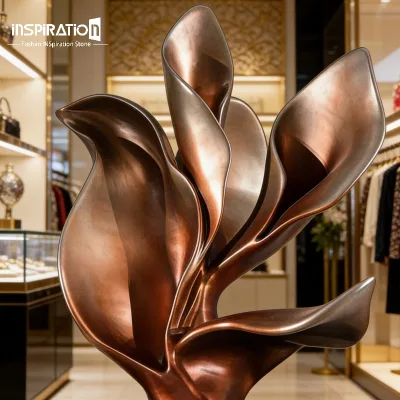
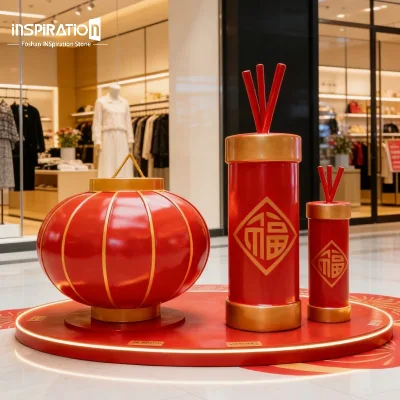
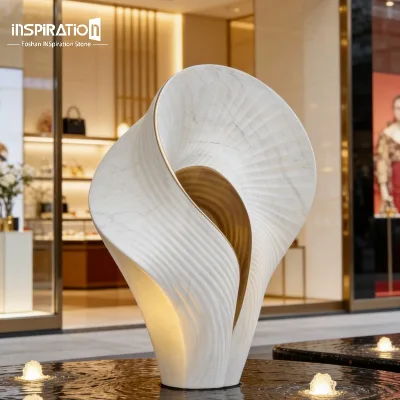
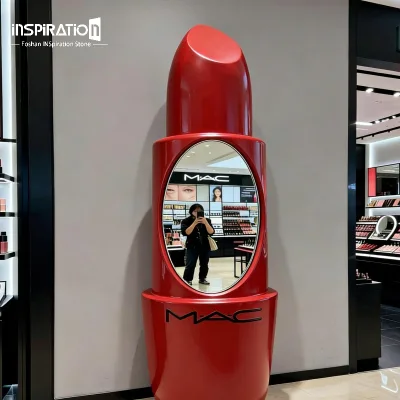


Customized Girl Lady Female Figure Statues Garden FRP Art Sculpture Fiberglass Statue
$600.00 - $4000.00
MOQ: 1 Pieces


Modern Resin Art Abstract Fiberglass Figure Sculpture Large Resin Sculpture
$600.00 - $3000.00
MOQ: 1 Pieces

Customized Fiberglass Sculpture Statue Outdoor Cartoon Art Fiber Glass
$499.00 - $1999.00
MOQ: 1 Pieces


Customized Fiberglass Reinforced Plastic (FRP) Provincial and Municipal Flower Sculptures
$3000.00 - $50000.00
MOQ: 10 Pieces


FRP Sports Figure Sculpture Ornaments Outdoor Park Square Community Landscape Decoration Sketch
$3000.00 - $50000.00
MOQ: 10 Pieces

High-Strength Fiberglass Reinforced Plastic (FRP) Garden Bright Lotus Sculpture
$3000.00 - $50000.00
MOQ: 10 Pieces

Customized Fiberglass Reinforced Plastic (FRP) Outdoor Sculpture Elephant Ornaments for Parks
$3000.00 - $50000.00
MOQ: 10 Pieces
Comprehensive Sourcing Guide
FRP Sculpture Sourcing Guide
Buyers evaluating FRP Sculpture options must first distinguish between artistic installations and functional decorative pieces, as the supplied data reveals a diverse range of product types including animal designs, gypsum lines, and large outdoor sculptures. The observed listings indicate that materials vary significantly, with some items explicitly described as polyresin or fiberglass, while others utilize gypsum for interior molding applications. This distinction is critical because the structural integrity and weather resistance required for outdoor use differ vastly from the aesthetic finish needed for indoor office or home decoration.
Procurement teams should also scrutinize the customization capabilities listed in the product attributes, as many suppliers offer tailored colors, logos, and specific dimensions to meet unique design briefs. The presence of multiple processing methods, such as casting, injection molding, and hand-made techniques, suggests that lead times and unit costs will fluctuate based on the chosen production route. Understanding these manufacturing nuances allows buyers to align their project timelines with the appropriate fabrication method, ensuring that the final delivery meets both aesthetic expectations and structural requirements without unnecessary delays.
Product Scope and Observed Listing Signals
The market for FRP sculptures presents a wide spectrum of applications, ranging from holiday gifts and business presents to permanent art collections and office decor. Specific product attributes highlight that these items are often designed with animal motifs and are suitable for both indoor environments like offices and outdoor settings requiring weather resistance. Buyers must verify the intended usage against the listed surface treatments, as painted finishes may differ in durability from polished or elegant surface options when exposed to varying environmental conditions.
Listing signals also reveal significant variation in packaging standards, with options ranging from simple bubble bags and inner boxes to robust wooden crates and styrofoam-carton combinations. This variance directly impacts logistics planning and cost estimation, as fragile items like gypsum lines or detailed animal sculptures require superior protection during transit. Procurement professionals should match the packaging specification to the fragility of the specific model, ensuring that the selected shipping method prevents damage while optimizing container space for international freight.
Technical Specifications to Verify
Technical due diligence requires a close examination of the physical dimensions and model numbers provided in the product specifications, as these define the scale and fit of the installation. The observed data includes specific height measurements like H1800 and various model identifiers such as b24, f254, and LD601852, which serve as unique references for inventory and quality control. Buyers must confirm that the listed dimensions align with their spatial constraints, particularly for large-scale outdoor installations where clearance and foundation requirements are paramount.
Material composition and processing methods are equally critical, with listings citing polyresin, fiberglass, and gypsum as primary constituents alongside processes like casting and injection molding. The surface treatment options, including painted, polished, and elegant finishes, must be validated against the intended environment to ensure longevity and aesthetic consistency. Additionally, the presence of specific functional attributes such as fireproof, moisture-proof, and corrosion resistance capabilities should be cross-referenced with the material grade to guarantee performance under the expected operational stresses.
Compliance and Safety Documentation
Safety and regulatory compliance are non-negotiable for sculptures intended for public spaces or commercial use, necessitating a thorough review of the provided certification documents. The observed listings mention standards such as CE, En71-3, RoHS, and ASTM, which are essential for verifying that the materials and finishes meet international safety requirements for children's products and general consumer goods. Buyers must request current test reports to confirm that these certifications are active and applicable to the specific batch of goods being procured, rather than relying on generic claims.
Beyond product safety, documentation regarding fire resistance and structural integrity is vital for installations in high-traffic areas or outdoor environments. Some product attributes explicitly list functions like fireproof, insulation, and high stiffness, which must be substantiated by third-party testing data. Procurement teams should ensure that the supplier provides a comprehensive compliance dossier that covers all relevant standards for the destination market, including any local building codes that might impose additional requirements on large-scale artistic installations.
Cost Drivers and Commercial Terms
The commercial landscape for FRP sculptures is influenced heavily by the minimum order quantity (MOQ) and the complexity of the customization requested. Observed data indicates MOQs ranging from single units up to 800 pieces, with higher volumes often unlocking more favorable pricing structures. Buyers must calculate the total cost of ownership by factoring in the unit price, which can vary widely from $1 to $50,000 depending on the size, material grade, and finish complexity, alongside the logistical costs associated with the specified packaging.
Payment terms and production lead times are also key variables that affect cash flow and project scheduling. The available data suggests standard payment methods like T/T and production windows as short as 3-5 days for certain models, though larger or highly customized orders may require extended timelines. Procurement strategies should account for these variables by negotiating clear delivery schedules and payment milestones that align with the project budget, ensuring that the financial terms support the operational needs of the buyer without introducing unnecessary risk.
Supplier Qualification and Quality Control
Supplier qualification begins with verifying the origin and manufacturing capabilities, as the data points to specific production hubs like Quanzhou City and Shanghai in China. Buyers should assess the supplier's capacity to handle different processing methods, such as hand-made versus injection molding, to ensure they possess the technical expertise required for the specific sculpture type. It is essential to confirm that the supplier has a proven track record in producing high-grade materials that meet the specified standards for stiffness, corrosion resistance, and aesthetic finish.
Quality control protocols must be established to maintain consistency across the production run, particularly when dealing with customized colors and logos. The availability of OEM services and the ability to produce customized colors indicate a flexible manufacturing process, but this flexibility must be balanced with strict quality assurance measures. Buyers should implement a pre-shipment inspection plan that verifies the surface treatment, structural integrity, and packaging quality against the agreed-upon specifications to prevent defects from reaching the final destination.
Long-Term Procurement Checks
Sustaining a successful procurement relationship requires ongoing monitoring of product performance and supplier reliability over time. Buyers should establish a feedback loop to track how the sculptures perform in their specific environments, noting any issues related to fading, cracking, or structural failure that may not have been apparent during the initial inspection. This long-term data collection helps in refining future specifications and ensuring that the selected materials continue to meet the evolving needs of the project.
Regular audits of the supplier's compliance status and production capacity are also necessary to mitigate risks associated with supply chain disruptions. As the market for FRP sculptures evolves, buyers must remain vigilant about changes in certification requirements and material standards that could impact the validity of existing contracts. By maintaining a proactive approach to supplier management and quality assurance, organizations can ensure a steady supply of high-quality artistic and functional sculptures that support their long-term strategic goals.
FAQs
What materials are used for these sculptures?
Polyresin and fiberglass are the primary materials used for these sculptures. Polyresin pieces are often hand-made or cast with painted finishes, while fiberglass options offer high stiffness and corrosion resistance. Both materials support customization and are suitable for art, collection, and home decoration purposes.
Can I customize the color and logo?
Yes, customized colors and logos are accepted for these products. Buyers can request specific color schemes to match their office or outdoor decor needs. OEM services are available, allowing for personalized branding on the sculpture surface, ensuring the final product aligns with your unique design requirements.
What certifications do the products hold?
The products hold CE, En71-3, RoHS, and ASTM certifications. These standards ensure safety and quality for various applications, including holiday gifts and business presents. The fiberglass variants also meet ISO standards, providing fireproof, moisture-proof, and insulation properties for durable indoor and outdoor installation.
What is the typical production lead time?
The typical production time is 3-5 days for standard orders. This rapid turnaround supports quick restocking for business gifts or holiday collections. However, lead times may vary based on customization complexity and order volume, so confirming specific schedules with suppliers is recommended for large-scale procurement needs.
How are the sculptures packaged for shipping?
Packaging includes styrofoam with cartons, bubble bags with inner boxes, or wooden boxes. These methods protect the fragile surfaces during transit. The choice depends on the product size and material, ensuring that painted or polished finishes remain intact upon arrival at the destination, whether for office or outdoor use.
Are these sculptures suitable for outdoor use?
Yes, specific fiberglass models are designed for outdoor use. They feature corrosion resistance and high stiffness to withstand environmental conditions. While polyresin options are primarily for indoor art and collection, the outdoor-rated sculptures provide durable decoration for gardens, plazas, and commercial exterior spaces with elegant surface finishes.