Source Fructose Quantitative Machine for Starch, Ice Cream, and Beverage Lines
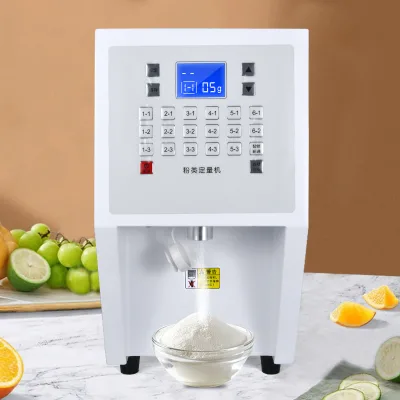
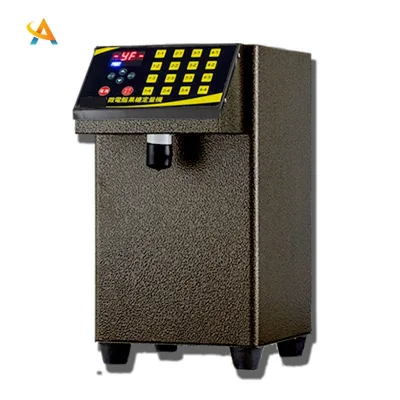
Find and compare 30 Fructose Quantitative Machine options from Chinese manufacturers. Evaluate specifications like PLC control, stainless steel construction, and capacity ranges to select the right equipment for your production needs; compare the available evidence and request quotations based on your requirements.
Key considerations
Products List


Food Grade Glucose and High Quality Liquid Glucose Dextrose Starch Sweetener Producing Machine
$2000000.00 - $10000000.00
MOQ: 1

Complete Glucose Maltose Fructose Glucose Syrup Equipment with Starch Preparation
$72000.00 - $550000.00
MOQ: 1 Sets

Fructose Glucose Syrup Equipment for Soft Drink Beverage Factory
$143000.00 - $1500000.00
MOQ: 1 Pieces

Fully Automatic Fructose Glucose Syrup Glucose Equipment with Starch Hydrolysis
$143000.00 - $1500000.00
MOQ: 1 Pieces






Low Running Consumption High Yield Automatic Control Dextrose/Glucose Making Machine
$3800000.00 - $9500000.00
MOQ: 1 Sets

Automatic Multi-Head Weighing Machine Multi-Head Quantitative Weigher
$8000.00 - $14000.00
MOQ: 1 Sets


Speed Adjustable Quantitative Feed Weighing Machine/Weigher/Scale
$7500.00 - $2000000.00
MOQ: 1 Pieces


Comprehensive Sourcing Guide
Fructose Quantitative Machine Sourcing Guide
Buyers seeking fructose quantitative machinery must first distinguish between equipment designed for processing raw ingredients and machines intended for final packaging. The observed market data indicates a split between lines processing natural ingredients like green coffee beans and those handling starch sugar or non-dairy creamer. This distinction is critical because a machine optimized for starch concentration may not possess the specific flow characteristics required for high-purity fructose crystallization or syrup handling.
Procurement decisions should also account for the diverse output formats observed in listings, ranging from 25kg bags to containerized shipments. Since some suppliers offer customizable capacity ranges from 2t/H to 50t/H, buyers must align their production volume needs with the specific throughput capabilities of the machine. Verifying whether the equipment is designed for a continuous line or a batch process will determine its suitability for your specific facility layout and operational tempo.
Product Scope and Observed Listing Signals
The product scope for fructose quantitative machines often includes auxiliary lines for related products like glucose or non-dairy creamer, suggesting a versatile processing environment. Listings frequently highlight the use of natural ingredients as the primary processing material, which implies that the machinery must maintain high hygiene standards to prevent cross-contamination. Buyers should verify if the specific unit is part of a larger successful finished line, as this often indicates a proven track record in handling similar viscous or granular substances.
Observations of packaging standards vary significantly, with some units listed as packed in wooden cases while others use standard sea freight or paper bags. This variance in packaging reflects the different stages of the supply chain, from raw material handling to final product distribution. When evaluating a listing, it is essential to confirm whether the machine is intended for the initial extraction phase or the final quantitative packaging stage, as the mechanical requirements for these two distinct functions differ substantially.
Technical Specifications to Verify
Technical verification must begin with the material composition, as listings specify the use of stainless steel grades such as SUS316 and SUS304. These materials are crucial for preventing corrosion and ensuring food safety when handling acidic or hygroscopic substances like fructose. Buyers should explicitly request mill certificates for the steel used in contact parts to confirm that the grade matches the specification, as carbon steel components may be present in non-contact areas but must be clearly identified.
Control systems and automation levels are equally critical, with options ranging from semi-automatic to fully automatic PLC touch screen interfaces. The transformation efficiency is often adjustable, allowing operators to fine-tune the output based on the specific moisture content requirements, which are typically stabilized between 12-14%. It is vital to confirm that the voltage and power source, often 380V electric, match the electrical infrastructure of your facility to avoid costly retrofitting or operational downtime.
Compliance and Safety Documentation
Compliance documentation for fructose processing equipment often includes a broad spectrum of certifications such as ISO9001, ISO14001, CE, HACCP, and UL. These standards indicate that the manufacturer adheres to international quality management, environmental, and safety protocols. However, buyers must verify that the specific machine model holds these certifications, as a supplier may possess general company certifications that do not automatically extend to every individual unit or production line configuration.
Safety features should be validated against the specific application, particularly for machines handling starch or ice cream applications where pressure and temperature control are paramount. The presence of a CE mark suggests compliance with European safety directives, while HACCP certification is essential for food safety management systems. Buyers should request a full compliance dossier that details how the machine meets these standards, ensuring that the safety interlocks and emergency stops function correctly for the intended fructose processing environment.
Cost Drivers and Commercial Terms
Cost drivers for fructose quantitative machines are heavily influenced by the level of customization and the complexity of the automation system. Units featuring intelligent operation and PLC touch screens typically command higher prices due to the advanced control logic and software integration required. Additionally, the choice of materials, such as the premium SUS316 stainless steel versus standard 304, will significantly impact the final unit price and should be a primary factor in budgeting.
Commercial terms must address the observed wide range in MOQs, which can vary from 1 unit to 1000 units depending on the supplier. Buyers should negotiate based on the specific capacity requirements, as some suppliers offer flexible ranges from 2t/H to 50t/H. It is also important to clarify the lead time and shipping terms, as the observed packing methods range from export packing to standard wooden cases, which affects logistics costs and delivery schedules.
Supplier Qualification and Quality Control
Supplier qualification should focus on their experience with successful finished lines, as some providers have already installed more than ten such lines globally. This experience suggests a deeper understanding of the practical challenges in fructose production and the ability to provide reliable after-sales support. Buyers should request references from existing clients who have implemented similar starch sugar or natural ingredient processing lines to validate the supplier's claims.
Quality control processes must be verified through the supplier's adherence to standards like ISO and their specific production protocols. The ability to customize the machine, including the color and specific application requirements, indicates a flexible manufacturing process. However, buyers must ensure that customization does not compromise the structural integrity or safety of the equipment, and they should insist on factory acceptance tests before the machine is packed for shipment.
Long-Term Procurement Checks
Long-term procurement checks should prioritize the service life of the equipment, with some listings claiming a lifespan of over 10 years. This longevity depends heavily on the quality of the materials used and the maintenance protocols established by the supplier. Buyers should inquire about the availability of spare parts and the expected maintenance schedule to ensure that the machine remains operational throughout its intended service life.
Finally, buyers must assess the supplier's capacity for future expansion, as some manufacturers offer global adaptability and one-stop service. The ability to scale from a 2t/H line to a 50t/H line or higher indicates that the supplier can grow with your business. It is essential to confirm that the supplier can provide ongoing technical support and updates, ensuring that the Fructose Quantitative Machine remains efficient and compliant with evolving industry standards.
FAQs
What is the standard packaging for fructose quantitative machines?
The standard packaging for these machines is a standard sea freight wooden case. This robust export packing ensures safe transit. Some units may also be packed in PP bags or paper bags for smaller components. The choice depends on the specific model and shipping requirements to protect the equipment during long-distance transport.
Can the production capacity be customized for fructose processing?
Yes, the production capacity is fully customizable to meet specific operational needs. The system supports a wide range of capacities, typically from 2 tons per hour up to 50 tons per hour. This flexibility allows buyers to select a configuration that aligns precisely with their target output volume and processing scale.
Which certifications are available for these starch sugar equipment lines?
These equipment lines typically hold ISO9001, ISO14001, CE, HACCP, and UL certifications. The CE mark is a key standard for compliance in many regions. These certifications ensure that the machinery meets international safety and quality standards, providing buyers with confidence in the reliability and regulatory compliance of the production equipment.
How is the moisture content stabilized in the final product?
The moisture content is stabilized at a range of 12-14% during the concentration and drying process. This precise control is achieved through automated PLC touch screen controls. The system ensures consistent quality by maintaining optimal moisture levels, which is critical for the texture and shelf life of the final fructose or starch sugar products.
What is the expected service life of the Fructose Quantitative Machine?
The expected service life of the machine is over 10 years. This durability is supported by the use of high-quality materials like 304 stainless steel and SUS316. The robust construction and automatic grade operation contribute to long-term reliability, ensuring that the equipment can withstand continuous industrial use in demanding production environments.