Source Fruit Beverage Soft Drink for manufacturers, retailers, and distributors
Compare 30 listings of Fruit Beverage Soft Drink from verified Chinese suppliers. Buyers can evaluate options based on packaging, flavor profiles, certifications, and minimum order quantities to find suitable carbonated drinks or juices.
Key considerations
Products List


Tropical Fruit Flavor Carbonated Soft Drink Non-Alcoholic Fruit Flavor Beverage
$9.70 - $9.86
MOQ: 500 Pieces


OEM Fruit Juice Soft Drink with Different Fruit Flavors Soda Beverage
$5.80 - $7.00
MOQ: 100000 Pieces


Exporter Beverage Soft Drink Fruit Flavor Drink with Orange Flavor/Beverage
$14.30 - $14.99
MOQ: 500 Boxes

Factory Supply Low Prices Honey Fruit Brewed Soft Drink Healthy Brewed Drink
$0.78 - $1.20
MOQ: 10000 Box

Wholesale OEM Orange Drinks All Fruit Flavor Soft Drinking Beverages Drinks
$0.14 - $0.17
MOQ: 50000 Bags
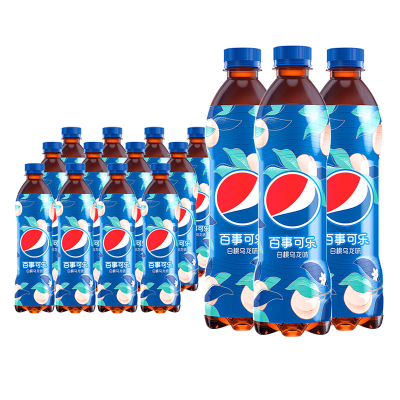
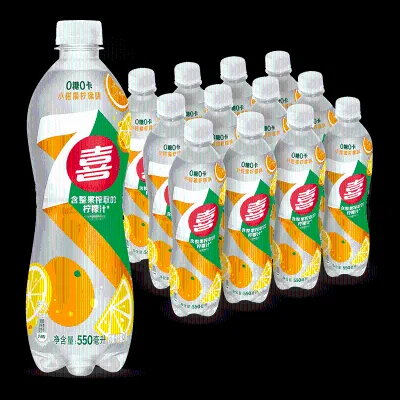


250ml 330ml 500ml OEM Beverage Manufacturer Fruit Juice Soft Drink for Sale
$5.00 - $8.20
MOQ: 1500 Boxes

Factory Best Price China Supply Soft Beverages Energetic Carbonated Drinks
$5.00 - $8.20
MOQ: 1500 Boxes

Wholesale Factory Low Price Soft Beverage Export Supply Carbonated Drink
$5.00 - $8.20
MOQ: 1500 Boxes

New Flavor Custom Hot Sell Fruit Flavor Beverages 330ml Soft Energy Drinks
$5.00 - $8.20
MOQ: 1500 Boxes


Comprehensive Sourcing Guide
Strategic Sourcing Guide for Fruit Beverage Soft Drinks
Navigating the global market for fruit beverage soft drinks requires a disciplined approach that balances technical specifications, regulatory compliance, and supply chain reliability. Buyers entering this sector must distinguish between carbonated fruit drinks, pure fruit juices, and blended beverages, as each category presents distinct manufacturing requirements and quality benchmarks. The following guide synthesizes available market data to provide a framework for evaluating suppliers, understanding cost structures, and ensuring product integrity from the factory floor to the final consumer.
Technical Specifications and Product Categorization
The first step in sourcing fruit beverage soft drinks is defining the precise product category. The market generally divides into carbonated fruit drinks and non-carbonated fruit or vegetable juices. Carbonated varieties rely on the infusion of carbon dioxide to create effervescence, often utilizing water, sugar, and specific flavoring agents as primary ingredients. In contrast, fruit juice products focus on the concentration and preservation of natural fruit content.
When reviewing product specifications, buyers must verify the model numbers and standard packaging formats. Data indicates that manufacturers often utilize specific model identifiers such as T-246, T-251, and T-253 to denote different product lines or formulations. These models are frequently associated with specific volume standards, ranging from small 80ml pouches to larger 250ml, 330ml, and 500ml containers. The choice of packaging material is equally critical; while aluminum cans and metal cans are common for carbonated drinks to maintain pressure and freshness, cartons and bottles are also prevalent depending on the target demographic and distribution channel.
The ingredient profile is a primary differentiator. Some formulations list water, sugar, and others as the core components, while others specify a high fruit juice content. A specific observation in the market includes products where the primary ingredient is noted as carbonate for carbonated variants, while others may list a fruit juice percentage, such as 60% sugar content in specific blends. The Brix level, a measure of sugar content, is another technical parameter; values such as 3% Brix indicate a lighter, less sweet formulation, which is essential for buyers targeting health-conscious consumers.
| Product Attribute | Carbonated Fruit Drink | Fruit and Vegetable Juice |
|---|---|---|
| Primary Gas | Carbon Dioxide | None |
| Common Packaging | Aluminum Can, Metal Can | Bottle, Pouch, Carton |
| Standard Volumes | 250ml, 330ml, 500ml | 80ml, 240ml (pouch) |
| Key Ingredients | Water, Sugar, Carbonate | Fruit Juice, Water, Sugar |
| Flavor Profiles | Lemon, Passion Fruit, Grapefruit | Orange, Mixed Fruit |
Compliance and Certification Verification
Regulatory compliance is non-negotiable in the food and beverage industry. Buyers must rigorously verify that suppliers hold valid certifications that align with the destination market's requirements. The most frequently observed certifications in the fruit beverage sector include Halal, FDA, BRC, HACCP, and ISO standards. These certifications indicate that the manufacturer adheres to specific hygiene, safety, and quality management protocols.
Specifically, the presence of HACCP (Hazard Analysis and Critical Control Points) and BRC (British Retail Consortium) certification suggests a robust system for identifying and controlling food safety hazards. FDA registration is essential for products intended for the United States market, while Halal certification is critical for markets in the Middle East and Southeast Asia. Additionally, ISO certifications, such as ISO 9001 for quality management or ISO 22000 for food safety management, provide a framework for consistent operational excellence. However, buyers should treat these as observations of supplier capability rather than automatic guarantees, requiring direct validation of current certificate status and scope.
The place of origin also plays a role in compliance. Many suppliers are located in China, with specific manufacturing hubs noted in regions like Jieyang, Guangdong, and Henan. Understanding the local regulatory environment of these regions helps buyers anticipate potential documentation requirements for customs clearance and importation.
Cost Drivers and Minimum Order Quantities
Understanding the cost structure of fruit beverage soft drinks is vital for budgeting and profitability analysis. The observed price range in the market spans from $0 to $25 USD, though this wide variance often reflects differences in packaging, volume, and customization levels rather than a standard unit price. Buyers should recognize that the final cost is heavily influenced by the complexity of the formulation and the packaging material selected.
Minimum Order Quantity (MOQ) is a significant factor in the total cost of ownership. The market data reveals a broad MOQ range, typically starting at 72 units and extending up to 100,000 pieces or even 3 tons. Some suppliers set a specific MOQ of 100,000 pieces, while others may require 500 cartons or 3 tons of product. This variation means that small buyers may face higher per-unit costs or be unable to access certain suppliers without aggregating orders.
Customization is a key cost driver. Suppliers offering customization options for flavor, color, and packaging design often have higher MOQs to justify the setup costs. For instance, a customized color or specific flavor profile like lemon, passion fruit, or grapefruit may require a dedicated production run. Buyers must balance the desire for unique branding against the financial implications of high MOQs. Additionally, the shelf life of the product, which ranges from 6 months to over 12 months, impacts inventory holding costs. Products with longer shelf lives offer more flexibility in logistics but may require specific storage conditions to maintain quality.
Typical Applications and Target Demographics
Fruit beverage soft drinks serve a diverse range of applications and target multiple consumer segments. The market data indicates that these products are suitable for various age groups, including children, adults, and even the elderly. This broad applicability suggests that fruit beverages can be positioned as family-friendly refreshments or targeted health supplements depending on the formulation.
The flavor profiles observed, such as orange, lemon, passion fruit, and grapefruit, cater to a wide spectrum of consumer preferences. Carbonated fruit drinks are often consumed as refreshing beverages during meals or social gatherings, while fruit juice pouches are frequently marketed as convenient snacks for children or on-the-go adults. The instruction for use for some products suggests immediate consumption, which is typical for fresh or minimally processed juice products, whereas carbonated drinks are designed for storage and distribution.
Packaging plays a crucial role in determining the application. Aluminum cans and metal cans are ideal for carbonated drinks due to their ability to maintain carbonation and protect against light and oxygen. Bottles and cartons are often used for juices and non-carbonated beverages, offering convenience and portability. The specific model numbers and packaging standards, such as 15 pieces per box or 20 pouches per five boxes, are designed to optimize logistics and retail display.
Supplier Evaluation and Sourcing Strategy
Evaluating potential suppliers requires a multi-faceted approach that goes beyond price comparisons. Buyers should assess the supplier's manufacturing capabilities, including their ability to handle customization and their adherence to quality standards. The availability of customization is a positive indicator of a flexible manufacturing partner, but it must be weighed against the supplier's capacity to maintain consistency across large production runs.
Location is another critical factor. Suppliers in China, particularly in regions like Guangdong and Henan, have established infrastructure for food and beverage production. However, buyers must verify the specific address and operational status of the facility to ensure it is a legitimate manufacturing site rather than a trading company. The presence of specific certifications like BRC, ISO, and HACCP should be confirmed through direct communication and document review.
When comparing suppliers, buyers should create a scorecard that includes technical specifications, certification status, MOQ flexibility, and lead times. It is essential to note that while some suppliers may claim a shelf life of over 12 months, others may list 6 to 12 months. This discrepancy highlights the need for buyers to verify the actual storage conditions and preservation methods used by the supplier. The storage method, whether normal or requiring a sanitary, cool, ventilated, and dry place, directly impacts the logistics strategy and warehousing requirements.
Quality Control and Long-Term Procurement Considerations
Quality control is the backbone of a successful procurement strategy for fruit beverages. Buyers must implement rigorous inspection protocols to ensure that the final product meets the agreed-upon specifications. This includes verifying the ingredient composition, such as the water, sugar, and fruit juice content, and checking for the absence of contaminants. The Brix level and primary ingredient content should be tested to ensure they match the product description.
Long-term procurement considerations involve building a sustainable relationship with suppliers who can consistently deliver high-quality products. This requires clear communication regarding quality expectations, including color customization, flavor consistency, and packaging integrity. The storage method, which may require a sanitary, cool, ventilated, and dry place, must be communicated to the logistics partner to prevent spoilage during transit.
Buyers should also consider the environmental impact of their packaging choices. While aluminum cans and metal cans are recyclable, the choice of packaging material should align with the brand's sustainability goals. Additionally, the shelf life of the product must be managed carefully to minimize waste. Products with a shelf life of 9 months or longer offer more flexibility in inventory management, but buyers must ensure that the storage conditions are maintained throughout the supply chain.
In conclusion, sourcing fruit beverage soft drinks requires a comprehensive understanding of technical specifications, regulatory requirements, and market dynamics. By carefully evaluating suppliers based on certifications, MOQs, and product quality, buyers can secure a reliable supply chain that meets the demands of their target market. The key to success lies in maintaining a disciplined approach to quality control and fostering transparent relationships with manufacturing partners.
FAQs
What certifications do Fruit Beverage Soft Drink manufacturers hold?
Manufacturers typically hold Halal, FDA, BRC, HACCP, and ISO certifications. These credentials indicate adherence to strict hygiene and safety protocols required for international food distribution and regulatory compliance.
Which packaging materials are used for carbonated fruit drinks?
Carbonated drinks are commonly packaged in aluminum cans or metal cans to maintain pressure. Cartons and bottles are also used for juice variants, with specific standards like 250ml or 500ml containers available.
Can buyers customize the flavor and color of these beverages?
Yes, customization is available for flavors like lemon, passion fruit, and grapefruit, as well as colors. Buyers must meet specific minimum order quantities to justify the setup costs for these tailored production runs.
What is the typical shelf life for fruit juice and carbonated drinks?
Shelf life varies between 6 months and over 12 months depending on the formulation. Products require storage in sanitary, cool, ventilated, and dry places to ensure quality is maintained throughout the distribution period.
What are the minimum order quantities for sourcing these beverages?
Minimum order quantities range widely from 72 units up to 100,000 pieces or 3 tons. Specific suppliers may require 500 cartons or 100,000 pieces, so buyers must verify capacity before placing orders.
Where are the primary manufacturing locations for these products?
Most manufacturers are located in China, with specific hubs in Jieyang, Guangdong, and Henan. These regions offer established infrastructure for food and beverage production, facilitating efficient logistics and supply chain management.
Which ingredients are primarily used in carbonated fruit beverages?
Primary ingredients typically include water, sugar, and carbonate for carbonated varieties. Some blends may contain fruit juice content, with specific Brix levels like 3% indicating sugar concentration for different taste profiles.