Source Fruit Carving Tool for Home Kitchen and Restaurant
Explore 30 verified options for a Fruit Carving Tool for Home Kitchen and Restaurant use. Buyers can compare stainless steel and wooden models, MOQs ranging from 10 to 500 pieces, and certifications like CE/EU to find the right supplier for their needs.
Key considerations
Products List



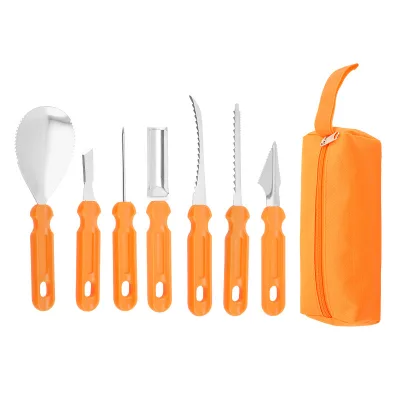
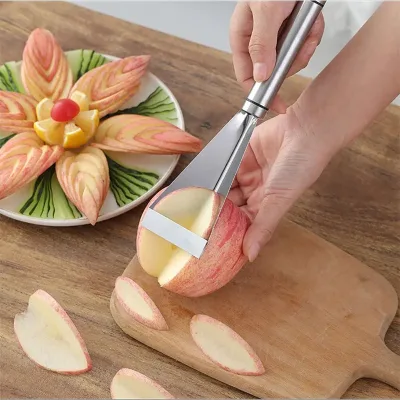
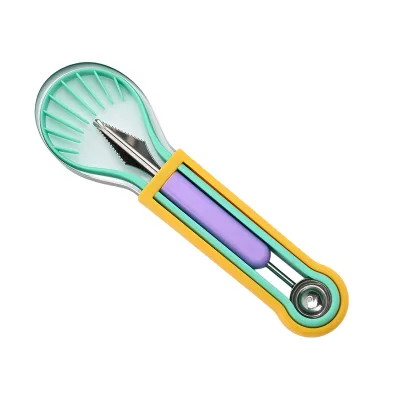

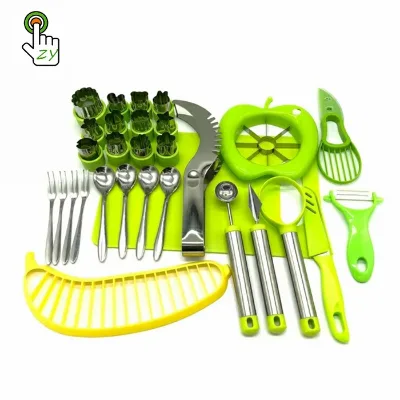


Comprehensive Sourcing Guide
Strategic Sourcing Guide for Fruit Carving Tools in Home and Commercial Kitchens
The global demand for specialized fruit and vegetable tools has expanded significantly, driven by the dual needs of culinary aesthetics in high-end restaurants and the growing interest in home food presentation. Sourcing these items requires a nuanced understanding of the intersection between artistic utility and commercial durability. The market offers a diverse array of products ranging from simple stainless steel pushers to complex multi-functional carving sets. Buyers must navigate a landscape where specifications vary widely in material composition, packaging dimensions, and minimum order quantities (MOQ). This guide provides a disciplined framework for evaluating suppliers and products based on verified attributes, ensuring that procurement decisions are grounded in observable facts rather than marketing claims.
Technical Specifications and Material Composition
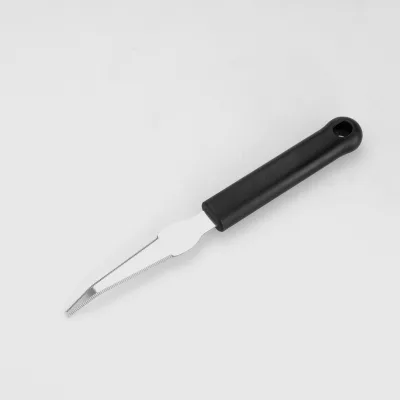
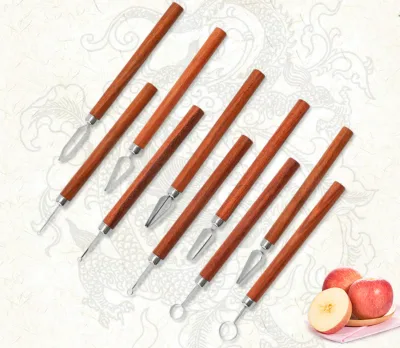
When evaluating fruit carving tools, the primary technical differentiator is the material composition of the blade and the handle. The supply chain data indicates a prevalence of stainless steel blades, specifically citing grades such as SS430, which offers a balance of corrosion resistance and hardness suitable for cutting dense fruits. In contrast, some products feature a combination of wooden handles and stainless steel blades, a design choice that prioritizes ergonomic grip and traditional aesthetics. The blade dimensions are critical for functionality; observed specifications include a blade length of 100mm with a total tool length of 210mm, a standard size for precision carving tasks.
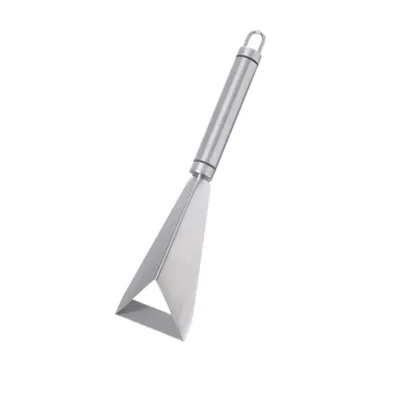
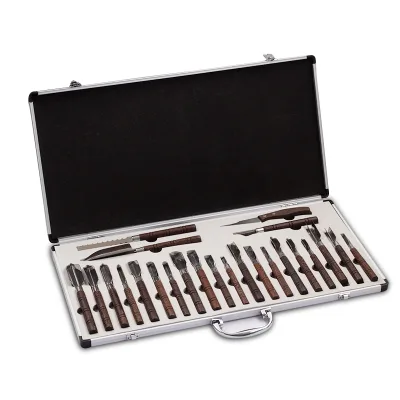
Beyond the blade, the structural integrity of the tool is defined by its single package size and gross weight. Buyers should expect significant variance in these metrics depending on the product type. For instance, a single-item stainless steel apple pusher is packaged at 24x7x1 cm with a gross weight of 0.400 kg, making it highly efficient for logistics. Conversely, a comprehensive carving set containing more than 20 pieces may arrive in a package measuring 63x43x8 cm with a gross weight of 4.0 kg. This disparity directly impacts shipping costs and storage requirements. Furthermore, the model numbers, such as PGT-001, 090528, and EH1011, serve as unique identifiers for these distinct configurations. When sourcing, buyers must verify that the physical dimensions and weight listed in the supplier's catalog match the actual product to avoid discrepancies in freight calculations.
Compliance, Certification, and Safety Standards
Safety and regulatory compliance are non-negotiable in the food service industry. The product data confirms that many suppliers offer tools certified under CE / EU standards, a critical requirement for selling in European markets. This certification implies that the product meets specific safety and health requirements regarding the materials used. Additionally, the quality attribute is frequently described as "Food Grade Level," which suggests that the materials in contact with food are safe for consumption. However, buyers must exercise caution and verify that "Food Grade" is supported by specific documentation from the manufacturer, as this term can sometimes be used loosely in marketing materials.
For suppliers targeting the international market, the presence of OEM/ODM capabilities is a significant indicator of a mature manufacturing process. This capability suggests that the factory is equipped to adhere to specific client requirements regarding branding and customization. The data also highlights that logos can be customized, which is essential for private label strategies. When assessing compliance, buyers should look for explicit mentions of the certification bodies and request copies of the certificates. Relying solely on the assertion of "High Quality" or "Eco-Friendly" features without corresponding documentation is risky. The presence of a "Sustainable" or "Eco-Friendly" attribute in the product listing should be treated as a claim that requires verification through the supplier's environmental management system or material safety data sheets.
Cost Drivers and Pricing Dynamics
The pricing structure for fruit carving tools is influenced by several factors, including material costs, complexity of the design, and the scale of the order. The observed price range in the market is extensive, spanning from $0.36 to $542 USD. This wide variance reflects the difference between a single, simple tool like a grapefruit knife and a complete, multi-piece carving set packaged in a gift box. The lower end of the spectrum typically corresponds to single-item units with minimal packaging, while the higher end includes complex sets with multiple components, premium packaging, and potentially higher-grade materials.
Minimum Order Quantity (MOQ) is another critical cost driver. The data shows MOQs ranging from 10 pieces to 3,000 pieces, with specific examples of 200 pcs, 500 pcs, and 10 pcs. Suppliers with lower MOQs, such as those offering 10 pcs, may cater to small businesses or sample orders but might have a higher unit cost. Conversely, suppliers requiring 500 pcs or more often provide better economies of scale, reducing the per-unit price. Buyers must calculate the total landed cost, which includes the unit price, shipping fees based on the single package size and gross weight, and any tariffs. A product with a low unit price but a high MOQ might tie up significant capital, whereas a product with a high unit price but low MOQ might be more suitable for testing the market. Understanding these dynamics is essential for budgeting and inventory planning.
Typical Applications and Functional Versatility
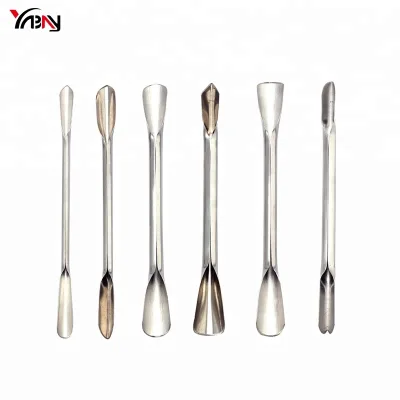
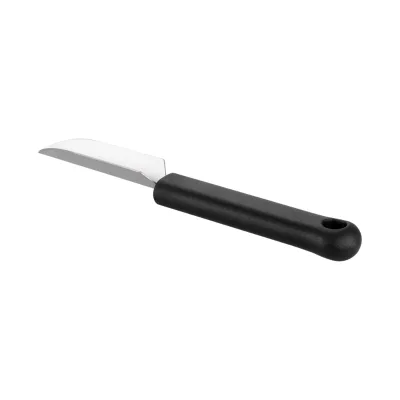
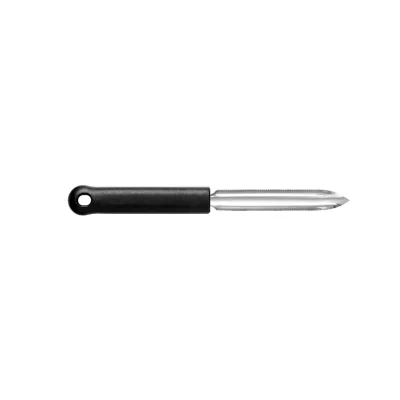
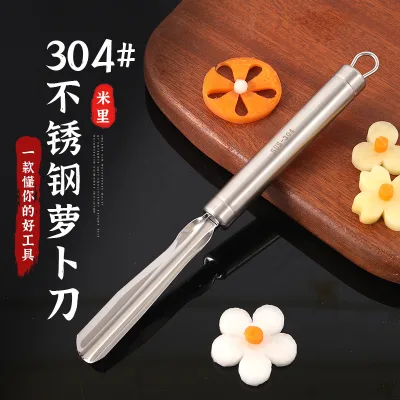
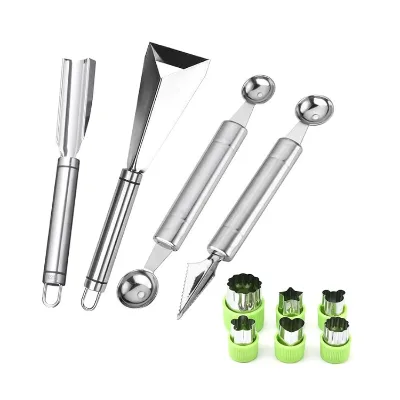
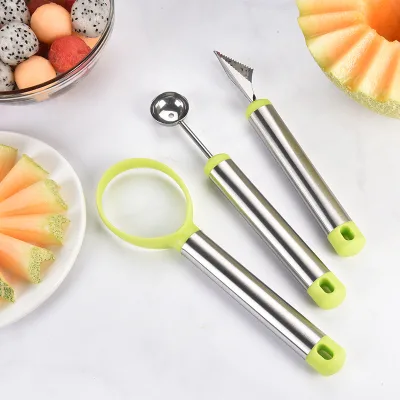
The application of fruit carving tools extends across various sectors, from professional restaurant kitchens to home culinary enthusiasts. The product attributes explicitly list usage scenarios including "Restaurant," "Home," and "Kitchen." Within the restaurant sector, these tools are essential for "Carving" and creating "Garnishes," which are vital for plating and presentation. The specific types of tools identified include vegetable choppers, gravers, and grapefruit knives, each serving a distinct function. For example, a graver is likely used for detailed texturing, while a vegetable chopper is designed for efficiency in preparation.
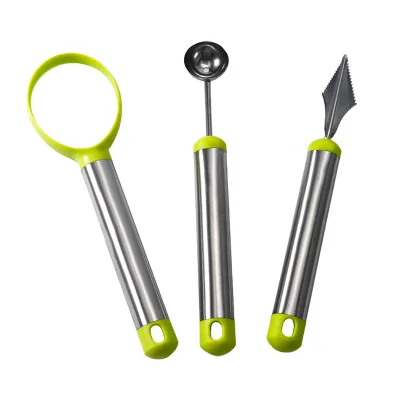
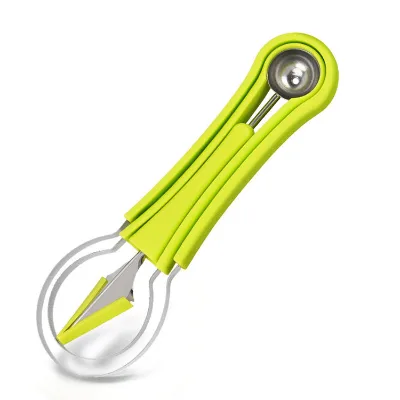
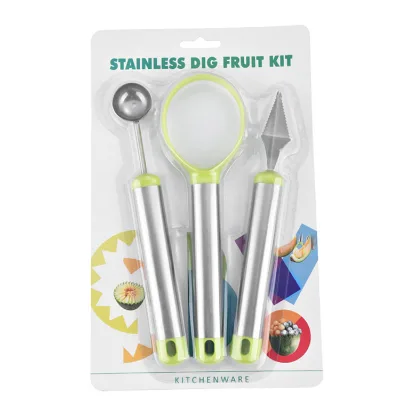
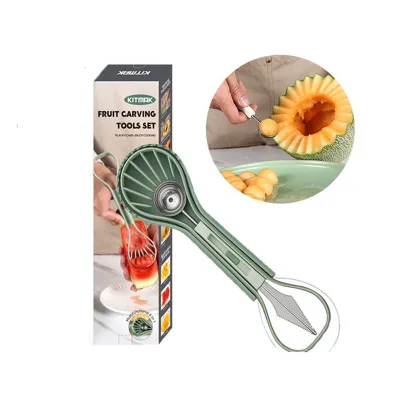
The versatility of these tools is further enhanced by their design features. Some products are marketed as "Multifunction Cutting Slicers," indicating a design that combines multiple actions into a single tool, which can save space and time in a busy kitchen. The "Style" of these tools is often described as "Modern," appealing to contemporary aesthetic preferences in both home and commercial settings. The color options, such as "Stainless steel apple pusher" or "Light Grey," also play a role in matching the tool to the kitchen's overall design. Buyers should assess whether the specific tool type aligns with their operational needs. A restaurant focusing on high-volume service might prioritize the "Multifunction Cutting Slicer" for efficiency, while a boutique hotel might prefer a detailed "Carving Chisel" set for artistic presentation.
Supplier Evaluation and Sourcing Strategy
Evaluating suppliers requires a focus on their location, production capacity, and flexibility. The data indicates that a significant portion of these products originate from Guangdong, China, a region known for its robust manufacturing infrastructure in the metal and kitchenware sectors. When engaging with suppliers, buyers should verify their ability to handle the required volume and their responsiveness to customization requests. The "OEM/ODM: YES" attribute suggests that many suppliers are open to custom branding and design modifications, which is a key differentiator in the B2B market.
Buyers should also scrutinize the "Brand Name" associated with the products. The data lists brands such as "Meidian," "YABEI," and "Eagle." While these names appear in the product listings, buyers should not assume that these are the only available options or that they represent the highest quality. Instead, the brand name should be used as a reference point for the supplier's existing product line. The "Item name" and "Model number" provide further granularity for tracking specific SKUs. A robust sourcing strategy involves comparing multiple suppliers based on their MOQ flexibility, customization capabilities, and the consistency of their product specifications. Buyers should request samples to verify the physical attributes, such as the weight and dimensions, before committing to a large order.
Quality Control and Long-Term Procurement Considerations
Ensuring long-term quality requires a proactive approach to quality control (QC). The product data mentions "High Quality" and "Food Grade Level" as attributes, but these are observations that must be validated through rigorous testing. Buyers should implement a QC protocol that includes checking the blade sharpness, the stability of the handle attachment, and the finish of the stainless steel to prevent rust or corrosion. The "Single gross weight" and "Single package size" are also critical for QC, as deviations from these specifications can indicate inconsistencies in the manufacturing process.
For long-term procurement, buyers should consider the sustainability of the supply chain. The "Sustainable" and "Eco-Friendly" attributes suggest that some suppliers are adopting greener practices, which can be a competitive advantage. However, buyers should verify these claims by requesting evidence of sustainable sourcing or manufacturing processes. Additionally, the "Customized Logo Acceptable" feature allows for brand building, which is essential for long-term market presence. Buyers should establish clear communication channels with suppliers to ensure that any changes in product specifications or materials are communicated promptly. By maintaining a focus on verified specifications and continuous quality monitoring, buyers can build a reliable supply chain that meets the evolving needs of the home and restaurant kitchen markets.
Comparative Analysis of Product Attributes
To facilitate decision-making, the following table summarizes the key attributes observed in the product data, highlighting the diversity in specifications and requirements.
| Attribute Category | Product Type A (Single Item) | Product Type B (Carving Set) | Product Type C (Specialized Knife) |
|---|---|---|---|
| Model Number | PGT-001 | 090529A | EH1011 |
| Material | Metal (Stainless Steel) | Wooden hand + Stainless steel blade | SS430 + PP Handle |
| Package Size | 24x7x1 cm | 63x43x8 cm | Not specified (Blade 100mm) |
| Gross Weight | 0.400 kg | 4.0 kg | Not specified |
| Number of Pieces | 1 | >20 | 1 |
| MOQ | 200 pcs | 10 pcs | 500 pcs |
| Primary Use | Carving / Pusher | Food Carving Tools | Fruit and Vegetable |
| Certification | CE / EU | Not specified | Not specified |
| Brand | Meidian | YABEI | Eagle |
This comparison underscores the importance of matching product specifications to specific procurement needs. The single-item pusher offers low MOQ and weight, ideal for quick replenishment, while the multi-piece set offers high value but requires significant inventory investment. The specialized knife with a PP handle offers a different material profile, suitable for specific ergonomic needs. By analyzing these attributes systematically, buyers can make informed decisions that align with their operational goals and budget constraints.
FAQs
What materials are used for fruit carving tool blades?
Blades are typically made from stainless steel, including grades like SS430, or combined with wooden handles. Some models feature a stainless steel blade with a PP handle, ensuring durability and corrosion resistance for both home and restaurant use.
Which certifications are available for these kitchen tools?
Many products carry CE / EU certification, indicating compliance with specific safety and health requirements for food contact materials. Buyers should verify that the Food Grade Level attribute is supported by specific documentation from the manufacturer before purchasing.
How does the minimum order quantity vary for these tools?
Minimum order quantities range from 10 pieces to 3,000 pieces depending on the supplier and product type. Specific examples include orders of 10 pcs, 200 pcs, or 500 pcs, with lower MOQs often catering to small businesses or sample orders.
Can buyers request customized logos on the products?
Yes, customized logos are acceptable for many suppliers, supporting private label strategies. This OEM/ODM capability allows clients to modify branding while adhering to specific design requirements, provided the supplier confirms their customization capacity.
What is the typical packaging size for a single item?
Single items like a stainless steel apple pusher are packaged at 24x7x1 cm with a gross weight of 0.400 kg. In contrast, multi-piece sets may arrive in larger packages measuring 63x43x8 cm with a weight of 4.0 kg.
Where are these fruit carving tools typically manufactured?
A significant portion of these products originate from Guangdong, China, a region known for robust manufacturing in the metal and kitchenware sectors. Buyers should verify the specific place of origin listed for each supplier to ensure logistical alignment.