Source Fruits Vegetables Plastic Storage Box for Food, Auto Parts, Industry
Find 30 verified options for Fruits Vegetables Plastic Storage Box designed for food, auto parts, and industrial use. Compare features like nesting, stacking, and load capacity from suppliers in Zhejiang, China; compare the available evidence and request quotations based on your requirements.
Updated
Key considerations
Products List
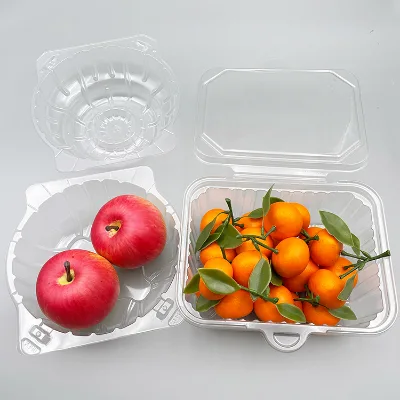


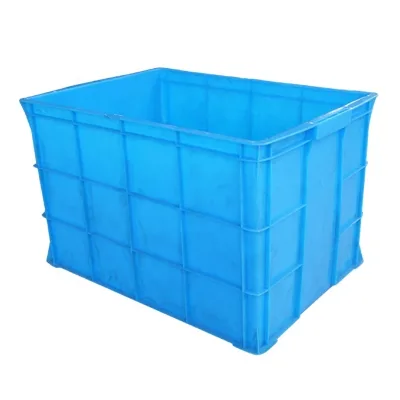


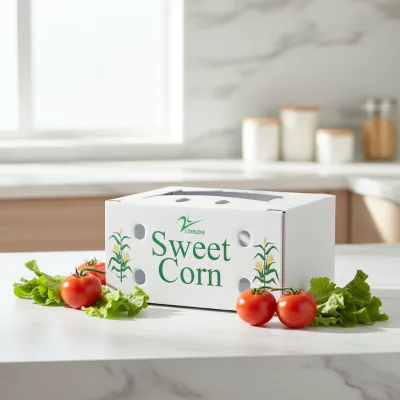
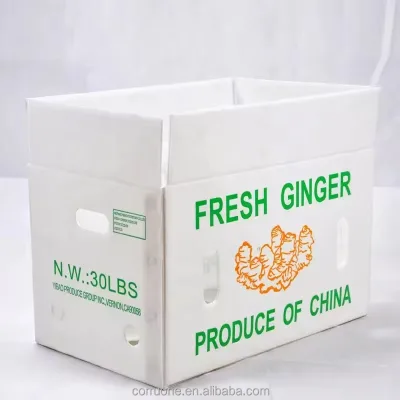
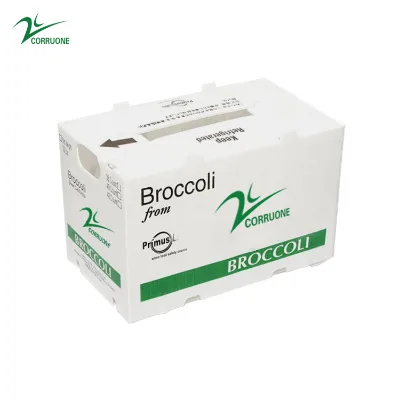


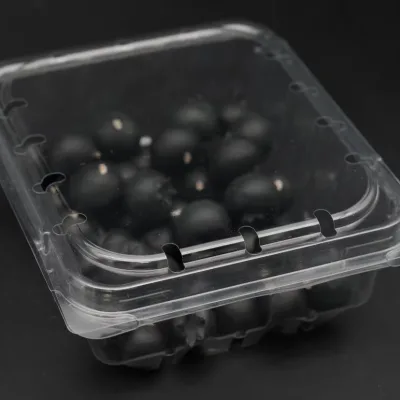
$0.0311 - $0.0519
MOQ: 30000 pieces
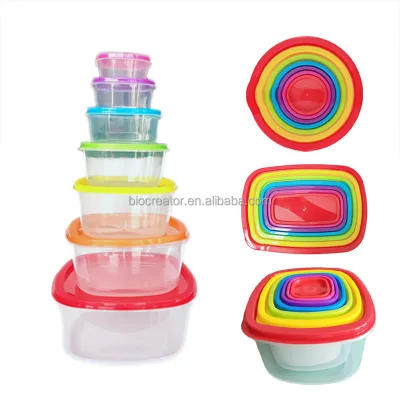
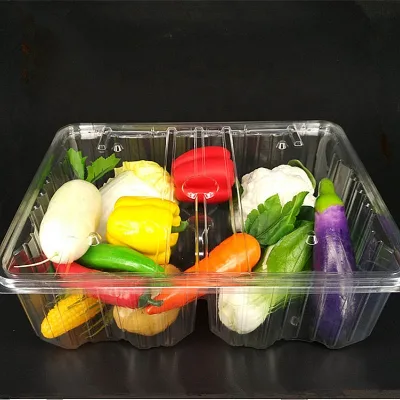


Comprehensive Sourcing Guide
Fruits Vegetables Plastic Storage Box Sourcing Guide
Procuring durable plastic storage solutions for fresh produce requires a careful balance between material integrity, structural load capacity, and supply chain efficiency. Buyers must navigate a market where products range from lightweight, single-use food trays to heavy-duty, nestable crates designed for industrial logistics. The core challenge lies in identifying suppliers who can provide consistent quality across varying order volumes while adhering to strict hygiene and safety standards. This guide outlines the critical verification steps needed to secure reliable inventory for fruit and vegetable distribution networks.
Successful sourcing begins with understanding the specific operational needs of your storage and transport environment. Whether you require containers for short-term retail display or long-term warehouse stacking, the selection criteria differ significantly. This guide focuses on verifying technical specifications, compliance documentation, and supplier capabilities to ensure that the chosen plastic storage boxes meet the rigorous demands of the fresh produce industry without compromising on cost or delivery timelines.
Product Scope and Observed Listing Signals
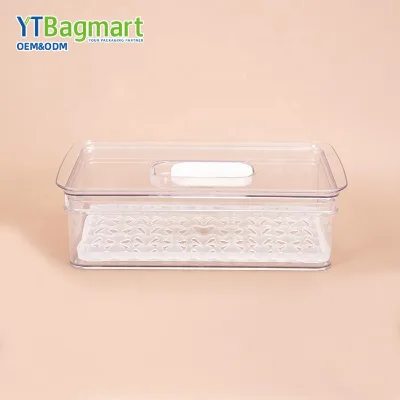
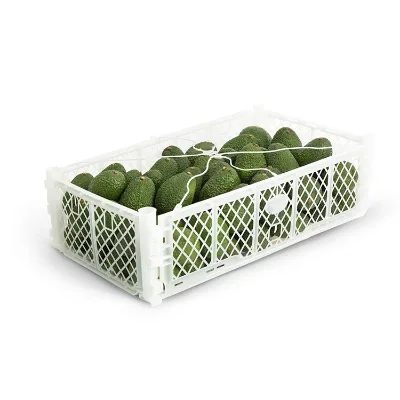
The current market offers a diverse array of plastic storage solutions, including PCR PET food trays and robust PP crates designed for moving and stacking. Observed listings indicate a wide price range, reflecting variations in material composition, size, and customization options. Buyers should note that products are often categorized by their industrial use, such as food packaging or general storage, with specific models like the ZK-PET-016 tray or the ENL plastic box representing distinct use cases. Understanding these categorizations helps in filtering suppliers based on the intended application, whether for direct consumer packaging or bulk logistics.
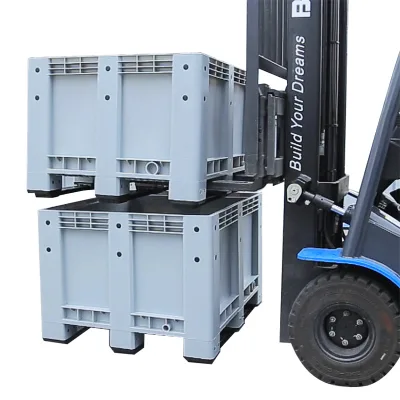
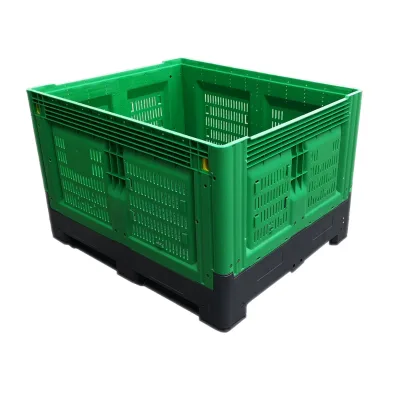
Key product attributes observed include customizable colors, nestable designs, and specific load capacities that dictate their suitability for different stages of the supply chain. For instance, some crates feature a dynamic load capacity of one ton and a static load capacity of four tons, making them ideal for heavy-duty warehouse operations. Other products, such as the 60L capacity crate, offer nesting capabilities to save space during return logistics. These signals provide a baseline for evaluating whether a supplier’s inventory aligns with your specific volume and handling requirements, ensuring that the selected products can withstand the physical stresses of fruit and vegetable transport.
Technical Specifications to Verify
When evaluating plastic storage boxes, verifying the material composition is paramount to ensure food safety and durability. Products are often made from PCR PET or PP, each offering distinct advantages in terms of temperature resistance and recyclability. Buyers must confirm the exact plastic type and any specific grades used, as these factors directly impact the container’s ability to withstand high temperatures and repeated washing cycles. Additionally, checking the single gross weight and volume capacity helps in calculating shipping costs and storage efficiency, ensuring that the chosen containers optimize both space and weight distribution in your logistics network.
Load capacity and structural design are critical technical specifications that determine the longevity and safety of the storage boxes. Buyers should verify the dynamic and static load ratings, as well as the nesting height and stacking load limits, to prevent structural failure during transport. Features such as four-way entry, open designs for easy washing, and available accessories like lids or wheels further enhance functionality. It is essential to confirm these specifications with the supplier, as they vary significantly between products and directly influence the operational efficiency and safety of your storage and handling processes.
Compliance and Safety Documentation
Ensuring that plastic storage boxes meet relevant food safety and environmental standards is a non-negotiable aspect of procurement. Buyers must request documentation that verifies the materials are safe for direct or indirect contact with food products, particularly for items like fruits and vegetables. While specific certifications such as ISO9001 or ISO14001 may be mentioned in background contexts, buyers should actively seek out and verify the current status of these certifications from the supplier. This due diligence helps mitigate risks associated with material contamination and ensures that the products comply with international trade regulations and local food safety laws.
In addition to material safety, buyers should inquire about the supplier’s adherence to broader environmental and social responsibility standards. Certifications like CE, BSCI, or REACH may be relevant depending on the destination market and the specific requirements of your organization. Verifying these credentials not only ensures compliance but also demonstrates a commitment to sustainable and ethical sourcing practices. Buyers should ask for up-to-date certificates and audit reports to confirm that the supplier maintains rigorous quality control and environmental management systems throughout their production process.
Cost Drivers and Commercial Terms
The cost of plastic storage boxes is influenced by several factors, including material type, customization options, and order volume. Products made from PCR PET or PP may have different price points based on the cost of raw materials and the complexity of the manufacturing process. Customization features, such as specific colors, logos, or unique dimensions, can also impact the final price. Buyers should request detailed quotations that break down these costs to understand the true value proposition and avoid hidden fees associated with tooling or setup for custom orders.
Commercial terms, including minimum order quantities (MOQ) and lead times, play a significant role in the overall procurement strategy. Observed MOQs range from small quantities for testing to large volumes for bulk orders, allowing buyers to scale their purchases according to demand. It is crucial to negotiate clear terms regarding payment methods, shipping responsibilities, and warranty periods, such as the three-year warranty observed in some listings. Understanding these commercial terms helps in planning cash flow and inventory levels, ensuring that the procurement process remains efficient and cost-effective.
Supplier Qualification and Quality Control
Selecting a reliable supplier involves assessing their production capabilities, quality control processes, and track record in the industry. Buyers should verify the supplier’s location and manufacturing facilities to ensure they have the capacity to meet your volume requirements. Suppliers with experience in serving major clients, such as automotive or food industry leaders, often demonstrate a higher level of quality and reliability. Requesting references or case studies can provide insights into the supplier’s ability to deliver consistent quality and meet deadlines, which are critical for maintaining smooth supply chain operations.
Quality control measures should be clearly defined and agreed upon before placing orders. Buyers should inquire about the supplier’s inspection processes, including pre-production samples, in-line checks, and final random inspections. It is also important to discuss how defects are handled and whether the supplier offers replacements or refunds for non-conforming products. Establishing a robust quality control framework helps in minimizing risks and ensuring that the plastic storage boxes meet your specified standards, thereby protecting your brand reputation and operational efficiency.
Long-Term Procurement Checks
Building a long-term relationship with a supplier requires ongoing monitoring and periodic reviews of performance metrics. Buyers should establish key performance indicators (KPIs) such as on-time delivery rates, product quality consistency, and responsiveness to issues. Regular audits and feedback sessions can help identify areas for improvement and strengthen the partnership. By maintaining open communication and setting clear expectations, buyers can ensure that the supplier continues to meet their evolving needs and maintains high standards of quality and service.
Additionally, buyers should stay informed about market trends and technological advancements in plastic storage solutions. This includes monitoring changes in material regulations, sustainability initiatives, and new product innovations that could offer better value or performance. By proactively engaging with suppliers and staying updated on industry developments, buyers can make informed decisions that enhance their supply chain resilience and competitiveness. Long-term procurement success depends on a strategic approach that balances cost, quality, and innovation, ensuring that the chosen plastic storage boxes continue to meet the demands of the fruit and vegetable industry.
FAQs
What materials are used for the plastic storage boxes?
The boxes are made from PCR PET and PP materials to ensure durability and safety for food storage. These materials offer high temperature resistance and are suitable for packaging vegetables and fruits. Customization options allow for specific material needs while maintaining structural integrity for industrial use.
Can the plastic storage boxes be customized for branding?
Yes, customization is available for logos using silk printing, embossing, or hot stamping techniques. Colors can be customized to blue, grey, black, red, or other specific requests. This allows businesses to brand their packaging effectively while maintaining the functional design of the storage containers.
What is the stacking load capacity of the storage crate?
The crate supports a stacking load of 175kg and a single load of 35kg for safe transport. Some larger models feature a dynamic load capacity of 1 ton and a static load of 4 tons. These capacities ensure stability during storage and shipping of heavy produce or industrial parts.
How does the nesting design save space during storage?
The nestable and stackable design reduces volume when empty, with a nested height of 120mm for efficient logistics. This feature allows for compact storage in warehouses and transport vehicles. The open design also facilitates easy washing and cleaning between uses for hygiene compliance.
Which industries can utilize these plastic storage containers?
These containers are designed for food, industry, and auto parts applications including vegetable storage. They are suitable for clients like Ford and Thyssen Krupp requiring robust packaging solutions. The versatile design supports various industrial uses while meeting specific storage and handling requirements.
What are the standard dimensions for the plastic box model?
Standard sizes include 195*196*133mm for food trays and 585x365x340mm for larger industrial boxes. A specific model measures 1200mm by 1000mm with a volume capacity of 60 liters. Customizable specifications allow buyers to select dimensions that fit their specific product lines and storage needs.
Where are these plastic storage boxes manufactured?
The products originate from Zhejiang, China, ensuring consistent manufacturing quality and supply chain reliability. The place of origin is confirmed for all listed models including the PET food tray and moving storage containers. This location supports global sourcing needs with established production capabilities.