Open Handle Automotive Parts Organizer Suppliers and Manufacturers
Compare 15 verified suppliers offering Open Handle Automotive Parts Organizer with details on location, lead times, and MOQ. Review product specifications and response times to select the right partner for your sourcing needs today; review the available evidence before requesting comparable quotations from suitable candidates.
Updated
Suppliers List
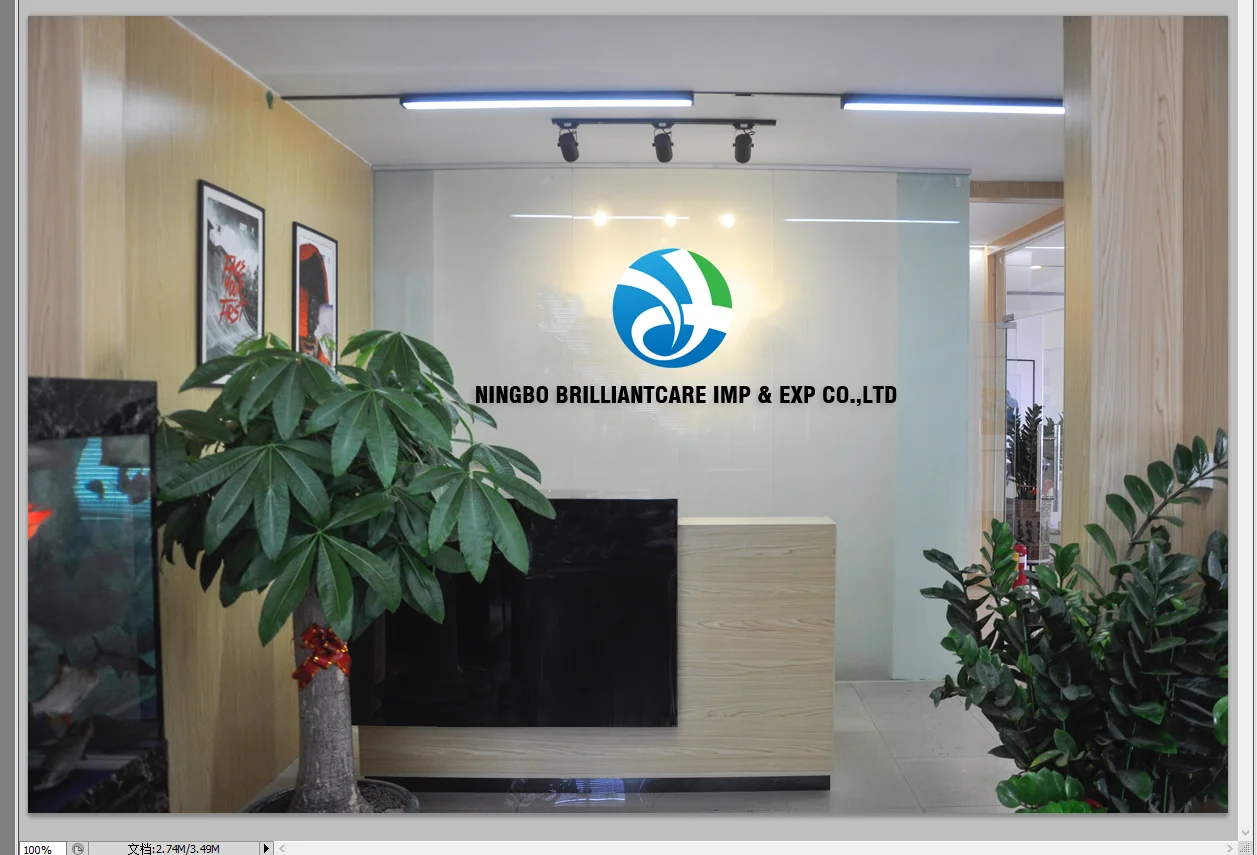
Ningbo Brilliantcare Imp &exp Co., Ltd.
- Trading Company
- Zhejiang, China
- Lead time0 days
- Avg. response≤ 3h
Main productsFIRST AID KIT,PILL BOX,WOUND DRESSING,CAR SAFTY KIT,OUTDOOR HUNTING PRODUCTS
Main marketsNorthern Europe(30.00%), North America(30.00%), South America(20.00%), Eastern Europe(15.00%), Central America(10.00%), Southern Europe(5.00%), Mid East(5.00%), Western Europe(5.00%)
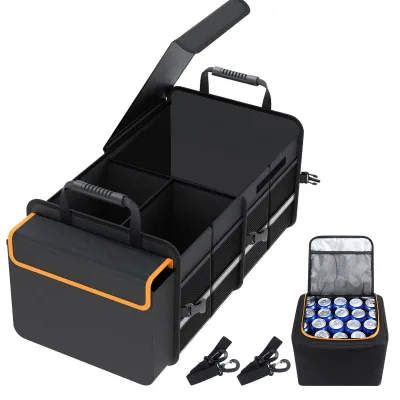
$4.906 - $5.6205
MOQ: 500 pieces
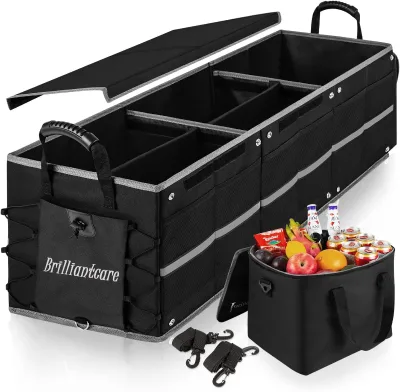
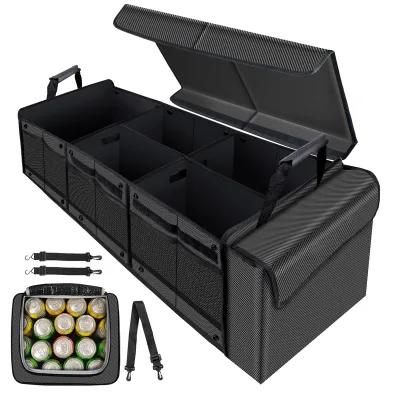

Shanghai Huaqi Industrial Co., Ltd.
- Verified by TUVRHEINLAND
- Trading Company
- China Shanghai
- Lead time15 days
- Avg. response≤ 6h
Main productsCar Mats, Seat Cover, Car Cover, Wiper Blade, Air Compressor, Steering Wheel Cover, Car Lock, Baby Mirror, Car Jack, Racing Seat
Main marketsSouth America,Africa,Southeast Asia/ Mideast,Europe,Australia,North America

- Verified by SGS
- Manufacturer/Factory
- China Shaanxi
- Lead time15 days
- Avg. response≤ 3h
Main productsCar Vacuum Cleaner, Car Jack, Car Care, Car Air Pump, Forged Wheel, Auto Parts, Car Film, Car Repair Tools, Motorcycle Parts, Car Ambient Lighting
Main marketsSouth America,Eastern Europe,Mid East,North America,Southeast Asia,Eastern Asia,Oceania,Western Europe,Africa

NINGBO THREESOTR OUTDOOR GEAR CO., LTD.
- Verified by TUVRHEINLAND
- Trading Company
- China Zhejiang
- Lead time30 days
- Avg. response≤ 8h
Main productsBlanket&Tarp, Tool Bags, Camping Table&Chair, Survival Kit&First Aid Kit, Emergency Kits, Car Washing Kit, Bicycle&Motorcycle Bags, Travling Bags, Pet Carriers, Storage Organizer
Main marketsSouth America

Xiamen Lemay Trading Co., Ltd.
- Trading Company,Manufacturer/Factory,Other
- China Fujian
- Lead time23 days
- Avg. response≤ 2h
Main productsHyration Pack, Water Bladder, Dry Bag, Self-Inflatable Mattress, Outdoor Furniture, Camping Equipment, Quick Tent, Insulation Bag, Gym Protection, Sports
Main marketsSouth America,Eastern Europe,Mid East,North America,Southeast Asia,Eastern Asia,Oceania,Western Europe,Africa

- Trading Company
- China Zhejiang
- Lead time0 days
- Avg. response≤ 9h
Main productsHousehold, Personal Care, Kitchenware, Fitness, Car Items, Tools, Health Care, Paint Brush, Magic Mesh, Beauty


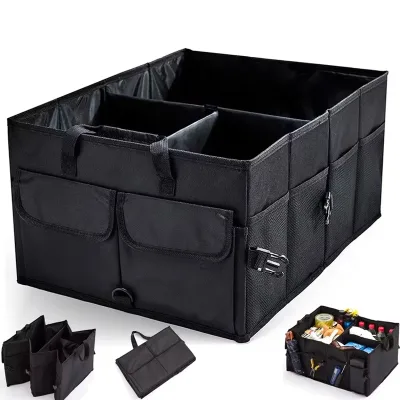
Multi-Function Car Organizer Fixed Partitions Blocks Rear Trunk Cargo Holder
Negotiable
MOQ: 1000 Pieces
Shijiazhuang Cangpei Import And Export Trading Co., Ltd.
- Trading Company
- Hebei, China
- Lead time0 days
- Avg. response≤ 2h
Main productsCar Care & Cleanings,Party & Holiday Supplies,Gym Equipment
Main marketsEastern Europe(25.00%), North America(25.00%), Northern Europe(25.00%)
- Trading Company
- Lead time旺季: "1 - 500":10,"501 - 1000":30,"> 1000":"To be negotiated", 淡季: "1 - 500":10,"501 - 1000":30,"> 1000":"To be negotiated"
- Avg. response≤ 3h
Main productsTool Boxes

Shanxi Dingdangcat Technology Co., Ltd
- Verified by CTI
- Combined
- China Shanxi
- Lead time30 days
- Avg. response≤ 4h
Main products3D Printed Toys, Steam Educational Toy, Custom 3D Printing Services, Custom 3D Printed Characters, Custom Model Parts, 3D Printed Lamps, Squeeze Toys, Electronic Components
Main marketsSouth America,Africa,Southeast Asia/ Mideast,East Asia(Japan/ South Korea),Domestic,Europe,Australia,North America

Changshu Xingyu Hardware Products Co., Ltd.
- Verified by SGS
- Manufacturer
- China Jiangsu
- Lead time15 days
- Avg. response≤ 2h
Main productsToolbox Cabinet, Metal Fittings
Main marketsDomestic

Dongguan Julisheng New Material Technology Co., Ltd.
- Verified by BV
- Combined
- China Guangdong
- Lead time30 days
- Avg. response≤ 2h
Main productsPU Foam, PU Corner Guard, Accessories PU Armrest, PU Self-Skinning, PU High Rebound, PU Slow Rebound, PU Imitation Wood Hard Foam, PU Foam Rugby, PU Traction Pillow, PU Foam Wheel
Main marketsDomestic


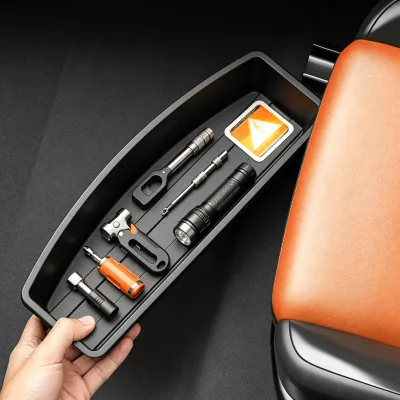
Space-Saving Car Armrest Organizer – Shockproof Design & Quick Clean Surface for Long-Lasting Use
$3.50 - $5.80
MOQ: 500 Pieces

Dongyang Dongya Bags Co., Ltd.
- Trading Company
- Zhejiang, China
- Lead time20 days
- Avg. response≤ 5h
Main productswomen tote/handbag,mean bag,backpack/school bag,cooler bag/shopping bag,car storage box bag/trash can
Main marketsNorth America(60.00%), Eastern Europe(20.00%), Eastern Asia(10.00%), Mid East(10.00%)

Guangzhou Hansheng Industrial Trading Co., Ltd
- Verified by TUVRHEINLAND
- Trading Company,Manufacturer/Factory
- China Guangdong
- Lead time23 days
- Avg. response≤ 3h
Main productsMicrofiber Leather, Synthetic Leather, Car Mat Material, Car Organizer, Headliner, Tissue Holder, Car Child Seat, Car Floor Mat, Car Seat Mat, Adhesive Suede
Main marketsSouth America,Eastern Europe,Mid East,North America,Southeast Asia,Eastern Asia,Western Europe,Africa
- Verified by SGS Group
- Manufacturer, Trading Company
- Lead time30 days
- Avg. response≤ 2h
Main productsDry Backpack, Cooler Bag, Hiking Backpack, Tactical Bag, Waterproof Duffel Bag
Main marketsWestern Europe(45%), North America(25%), Northern Europe(15%)

Ningbo Lonsign Auto Accessories Co., Ltd.
- Verified by SGS
- Trading Company
- China Zhejiang
- Lead time30 days
- Avg. response≤ 4h
Main productsSteering Wheel Cover, Car Organizer, Wiper Blade, Sunshade, Car Floor Mat, Seat Cover
Main marketsNorth America








Comprehensive Sourcing Guide
Open Handle Automotive Parts Organizer Supplier Concentration and Factory Types
The current supplier landscape for automotive storage solutions reveals a distinct concentration of manufacturing activity within specific industrial regions of China, particularly Zhejiang. This geographic clustering suggests a mature supply chain ecosystem where raw materials, such as Oxford cloth and polyester, are readily accessible, allowing for efficient production cycles. Suppliers located in these hubs often operate as trading companies rather than direct manufacturers, which can influence pricing structures and communication flows. When evaluating potential partners, buyers should recognize that a significant portion of the available inventory originates from these established manufacturing bases, where economies of scale drive down unit costs for high-volume orders. The presence of these regional clusters facilitates faster prototyping and sample production, as local suppliers have immediate access to the necessary fabrics and hardware components required for constructing durable trunk organizers.
Beyond geographic location, the type of business entity plays a crucial role in determining the nature of the partnership. Many suppliers in this category identify as trading companies, meaning they act as intermediaries between the buyer and the actual factory floor. This structure can offer benefits such as consolidated shipping and a broader product range, but it may also introduce layers of communication that could delay critical updates regarding production status. Conversely, some suppliers may have direct factory ties, offering more transparency into the manufacturing process. Buyers must carefully assess whether the supplier’s primary function is to facilitate trade or to manage production directly, as this distinction impacts quality control capabilities and the ability to implement custom modifications. Understanding this dynamic is essential for aligning expectations with the supplier’s operational model, ensuring that the chosen partner can meet specific volume and customization requirements effectively.
How to Verify Open Handle Automotive Parts Organizer Suppliers
Verification of supplier credentials is a critical step in mitigating risk when sourcing automotive accessories. Buyers should prioritize suppliers who have undergone third-party verification processes, such as those conducted by TÜV Rheinland, which provides an additional layer of confidence regarding the supplier’s business legitimacy and operational capabilities. While not all suppliers display explicit system certifications, the presence of independent verification badges serves as a strong indicator of reliability. It is advisable to request detailed documentation of these verifications to ensure they are current and cover the specific product lines of interest. This due diligence helps distinguish between established entities and those with less proven track records, reducing the likelihood of engaging with fraudulent or incompetent partners. The verification status should be treated as a foundational element of the supplier selection process, providing a baseline of trust before deeper commercial negotiations begin.
In addition to third-party verification, buyers should scrutinize the supplier’s response times and communication efficiency as indicators of their operational health. A supplier with a rapid response time, such as those averaging under five hours, often demonstrates a more agile and customer-centric approach to business. This responsiveness can be particularly valuable during the sampling phase, where quick feedback loops are necessary to refine product designs and specifications. Buyers should also examine the supplier’s main product offerings to ensure alignment with their specific needs. Suppliers focusing on a narrow range of automotive accessories, such as trunk organizers and seat covers, may possess deeper expertise and better quality control measures compared to generalist traders. By combining verification checks with an assessment of communication speed and product specialization, buyers can build a more comprehensive profile of each potential partner, ensuring they select suppliers who are both credible and capable of delivering high-quality products.
What to Compare Across Open Handle Automotive Parts Organizer Suppliers
When evaluating multiple suppliers, comparing key operational metrics is essential for identifying the most suitable partner for your specific business needs. One of the most significant differentiators is the Minimum Order Quantity (MOQ), which can vary substantially across the market. Some suppliers may require orders as low as five hundred pieces, making them ideal for smaller businesses or initial market testing, while others may demand quantities of one thousand or more, catering to larger volume purchasers. Buyers should align their procurement strategy with the supplier’s MOQ requirements to avoid unnecessary inventory costs or production delays. Additionally, lead times are a critical factor to consider, as they directly impact supply chain planning and customer satisfaction. Suppliers with shorter lead times, such as those offering fifteen-day turnaround periods, can provide greater flexibility in responding to market demands, whereas longer lead times may require more advanced planning and larger safety stock levels.
Price and customization options are also vital comparison points that can influence the final cost structure and product differentiation. Unit prices for automotive organizers can range significantly, with some suppliers offering competitive rates for standard models while charging premiums for customized features. Buyers should request detailed quotations that break down costs for materials, labor, and customization, such as logo printing or specific packaging requirements. The availability of customization services, including the ability to accept custom logos and varied color options, can be a decisive factor for brands looking to establish a unique market presence. Furthermore, comparing the material specifications, such as the use of Oxford cloth versus polyester, and functional attributes like waterproofing and foldability, will help ensure that the product meets the desired quality standards. By systematically comparing these operational and commercial attributes, buyers can make informed decisions that balance cost, quality, and supply chain efficiency.
Common Open Handle Automotive Parts Organizer Sourcing Risks
One of the primary risks in sourcing automotive organizers is the potential discrepancy between product samples and bulk production quality. Suppliers may provide high-quality samples that do not accurately reflect the materials or craftsmanship used in mass production, leading to customer dissatisfaction and returns. This risk is particularly prevalent when working with trading companies that may not have direct oversight of the manufacturing process. To mitigate this, buyers should insist on pre-shipment inspections and consider hiring third-party quality control services to verify that the bulk order meets the agreed-upon specifications. Additionally, buyers should be cautious of suppliers who offer prices that seem unusually low, as this may indicate the use of inferior materials or compromised manufacturing standards. A thorough understanding of the product’s material composition, such as the weight tolerance and fabric type, is essential for establishing realistic quality benchmarks and avoiding costly surprises upon delivery.
Another significant risk involves the reliability of shipping and logistics, particularly when dealing with suppliers located in different regions. Delays in production or shipping can disrupt supply chains and lead to missed deadlines, especially if the supplier does not have a robust logistics network. Buyers should verify the supplier’s port of shipment and their experience in handling international freight to ensure timely delivery. Furthermore, the lack of standardized certifications for some products can pose compliance risks, particularly if the buyer’s target market has strict safety or environmental regulations. Buyers should proactively inquire about any relevant testing reports or compliance documents, even if they are not initially provided by the supplier. By identifying and addressing these potential risks early in the sourcing process, buyers can implement safeguards that protect their business interests and ensure a smoother procurement experience.
Open Handle Automotive Parts Organizer Regional Sourcing and Logistics
Sourcing from specific regions in China, such as Zhejiang and Shanghai, offers distinct logistical advantages that can impact the overall cost and efficiency of the supply chain. Suppliers located in Zhejiang often benefit from proximity to major manufacturing hubs and raw material suppliers, which can reduce production costs and lead times. Meanwhile, suppliers based in Shanghai may have easier access to international shipping routes and port facilities, facilitating smoother export processes. Buyers should consider the geographic location of their potential suppliers when evaluating shipping options and costs, as proximity to major ports can significantly reduce freight expenses and transit times. Additionally, understanding the regional infrastructure and logistics capabilities of the supplier’s location can help buyers anticipate potential bottlenecks or delays, allowing for more accurate planning and risk management.
Logistics planning also involves coordinating with suppliers to optimize packaging and shipping configurations. Many suppliers offer flexible packaging options, such as custom boxes or standard cartons, which can impact the volume and weight of the shipment. Buyers should work closely with their suppliers to determine the most cost-effective packaging solution that protects the product during transit while minimizing shipping costs. Furthermore, buyers should be aware of the supplier’s port of shipment, such as Ningbo or Shanghai, as this can influence the choice of freight forwarder and shipping route. By leveraging the logistical advantages of specific regions and optimizing packaging strategies, buyers can enhance the efficiency of their supply chain and reduce the overall cost of importing automotive organizers. This strategic approach to regional sourcing and logistics ensures that buyers can maintain competitive pricing and reliable delivery schedules.
Open Handle Automotive Parts Organizer Commercial Terms and Order Planning
Effective order planning requires a clear understanding of the commercial terms offered by suppliers, including payment methods, warranty policies, and after-sales support. Buyers should negotiate terms that align with their cash flow requirements and risk tolerance, such as requesting partial payments upfront and the balance upon shipment. It is also important to clarify the supplier’s policy on defective products and returns, ensuring that there is a mechanism in place to address quality issues that may arise after delivery. Additionally, buyers should consider the supplier’s capacity to handle repeat orders and scale production as demand grows, ensuring that the partnership can support long-term business objectives. By establishing clear commercial terms and planning for future order volumes, buyers can build a stable and reliable supply chain that supports their growth and market expansion efforts.
Customization and branding opportunities are key commercial considerations that can enhance the value proposition of the products. Suppliers that offer flexible customization options, such as logo printing and custom packaging, enable buyers to create a unique brand identity and differentiate their products in the market. Buyers should work with suppliers to define the specifications for these customizations, ensuring that they meet quality standards and are cost-effective. Furthermore, buyers should consider the supplier’s ability to provide ongoing support and updates on product trends and innovations, which can help them stay competitive in the automotive accessories market. By focusing on these commercial aspects and leveraging customization opportunities, buyers can maximize the value of their sourcing investments and build a strong, sustainable relationship with their suppliers.
FAQs
What is the typical MOQ for car trunk organizers?
The minimum order quantity is generally 500 pieces for custom branded units. Some suppliers offer a higher threshold of 1000 pieces for standard mesh designs. Buyers should verify specific requirements with the supplier before placing an order to ensure production readiness.
Where are these automotive organizers manufactured?
Manufacturing locations are primarily in Zhejiang, China, and Shanghai, China. These regions are known for producing various storage solutions including trunk organizers and seat accessories. Buyers can confirm the exact place of origin for each specific product listing during the sourcing process.
What materials are used for these storage boxes?
Common materials include Oxford cloth and polyester for durability and water resistance. Some products feature waterproof and breathable properties suitable for various climates. Buyers should check product attributes to confirm the specific fabric type and functional design for their intended use case.
How long does production take for these items?
Lead times can vary, with some suppliers indicating a fifteen-day production window. Other listings may show zero days for immediate stock availability. Buyers must confirm the actual lead time with the supplier to align with their inventory planning and delivery schedules effectively.
What is the price range for these organizers?
Prices typically range from approximately 1.60 to 5.65 USD per unit. The cost depends on the material, customization options, and order volume. Buyers should request a detailed quote based on their specific quantity and design requirements to get an accurate final price.
Can I customize the logo on these products?
Yes, many suppliers accept customized logos for branding purposes. Options include various colors and simple fashion designs to match your brand identity. Buyers should confirm customization details and any associated costs with the supplier before finalizing the order specifications.