Source Waterproof Shock Resistance Shipping Envelope for Stationery, Medical, Gift
Find 30 suppliers offering Waterproof Shock Resistance Shipping Envelope options with customizable sizes and colors. Compare features like self-sealing methods, various certifications, and lead times to select the ideal packaging for stationery, medical, and gift applications; compare the available evidence and request quotations based on your requirements.
Updated
Key considerations
Products List


Custom Metallic Waterproof Bubble Mailer, Padded Shipping Envelope for Safe Delivery
$0.037 - $0.60
MOQ: 5000 Pieces

Strong Self Adhesive Shipping Envelopes Packaging Poly Mailers Waterproof
$0.039 - $0.99
MOQ: 5000 Pieces

White Poly Bubble Mailing Shipping Bags Waterproof Packing Parcels Envelopes
$0.037 - $0.60
MOQ: 5000 Pieces


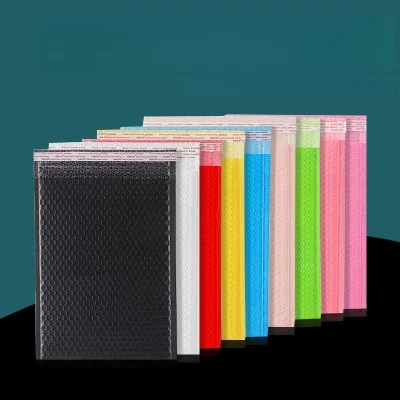

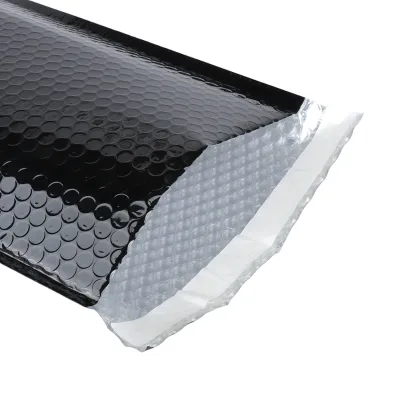


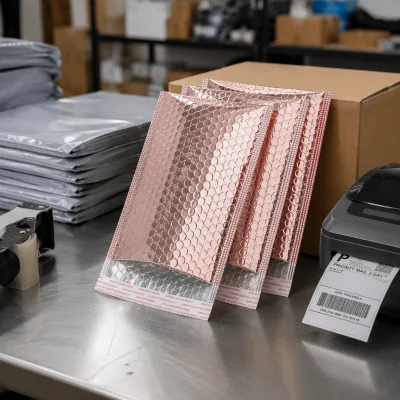
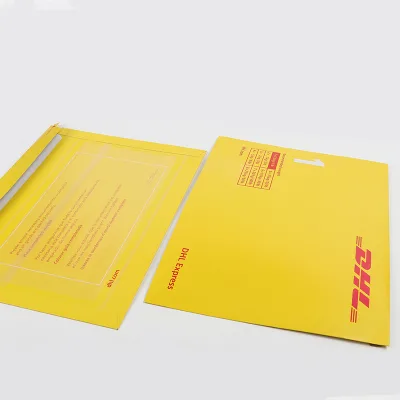
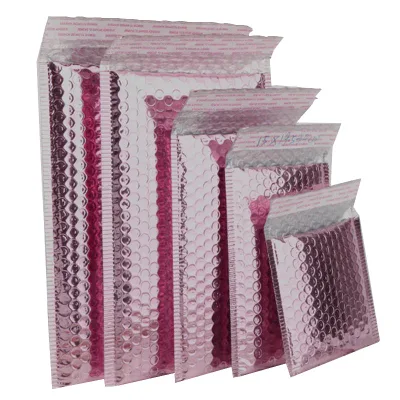
pink padded shipping envelope 6 x 10 pink shipping envelopes with logos
$0.03 - $0.20
MOQ: 100 Minimum
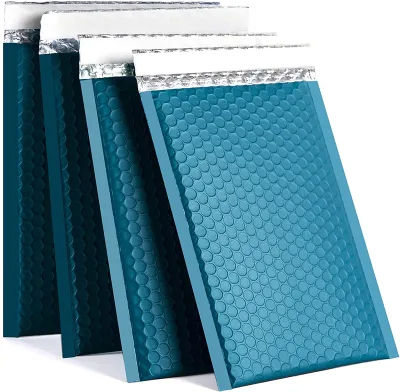
high quality aluminum foil insulated shipping envelopes,insulated mailing envelopes
$0.03 - $0.20
MOQ: 100 Minimum
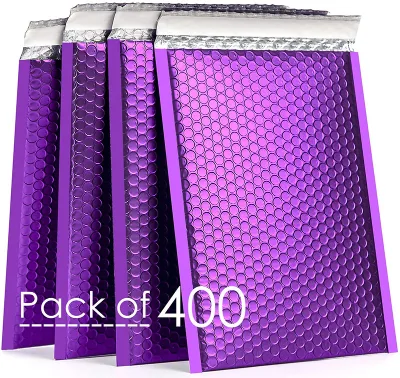


Comprehensive Sourcing Guide
Waterproof Shock Resistance Shipping Envelope Sourcing Guide
Procuring waterproof and shock-resistant shipping envelopes requires a careful balance between material integrity and logistical efficiency. Buyers must prioritize packaging that protects contents from moisture damage while absorbing impact during transit. The observed market offers diverse options, including poly bubble mailers and composite bags, with customization available for branding and sizing. Understanding the specific material composition, such as metallic film combined with LDPE or LLDPE, is essential for ensuring the envelope meets both protective and environmental standards.
This guide outlines the critical verification steps for sourcing these specialized envelopes. It covers technical specifications, compliance documentation, and commercial terms observed in current listings. By focusing on verified attributes like self-sealing mechanisms and non-transparent finishes, buyers can make informed decisions that align with their supply chain requirements. The following sections provide a structured approach to evaluating suppliers and products without relying on unverified claims or external assumptions.
Product Scope and Observed Listing Signals
The current market presents a variety of shipping envelope models, including specific designations like bubble mailer 05, C-03, and P-0913. These products often feature customizable sizes and colors, with observed options ranging from purple and silver to red and blue. The material composition frequently involves metallic film paired with LDPE or LLDPE, or sometimes OPP and LDPE blends. These materials are selected for their durability and ability to provide a barrier against external elements, ensuring the integrity of the packaged goods during handling and storage.
Listing signals indicate that existing samples are often available for free, allowing buyers to physically assess quality before committing to large orders. The observed price range spans from $0.01 to $1.57 USD, reflecting the diversity in material thickness and customization levels. Minimum order quantities (MOQ) vary significantly, starting from as low as 5 pieces up to 10,000 pieces, catering to both small-scale testers and large-volume procurement needs. This flexibility enables buyers to scale their orders according to demand forecasts and budget constraints.
Technical Specifications to Verify
Buyers should verify the sealing method, as self-sealing mechanisms are commonly observed in these products, ensuring secure closure without additional tape. Transparency is typically non-transparent, which helps protect the contents from visual inspection and adds a layer of privacy. While some listings claim waterproof performance, others specify non-waterproof attributes, so it is crucial to confirm the specific envelope’s resistance to moisture based on the material composition. Shock resistance is often highlighted as a key feature, particularly in poly bubble mailers, which provide cushioning against impacts.
The printing craft is another critical specification, with flexo, offset, and copperplate printing methods available for custom branding. Buyers should confirm if logo printing is accepted and what the lead time is for design confirmation, which can range from 5 to 25 days or 10-15 working days. The product standard is often customized size, allowing for precise fitting of various items. Additionally, the packing method, whether in cartons or pallets, should be aligned with the buyer’s storage and shipping logistics to prevent damage during transit.
Compliance and Safety Documentation
Certification verification is a vital step in the sourcing process, with ISO9001, RoHS, and SGS being commonly observed certifications. These documents indicate that the manufacturer adheres to quality management systems and environmental standards. Some listings also mention FSC certification, which is relevant if the product includes paper-based components like kraft paper. Buyers should request these certificates to ensure that the materials used are safe and compliant with international regulations, particularly for products destined for markets with strict environmental or safety requirements.
It is important to note that while ASTM D5364 is mentioned in background contexts, buyers should verify if this specific standard applies to their chosen product. The absence of explicit test results in the provided facts means that buyers must rely on the supplier’s documentation to confirm compliance. Ensuring that the product meets the necessary safety and quality standards helps mitigate risks associated with product liability and regulatory non-compliance. Buyers should maintain a record of all certification documents for future audits and reference.
Cost Drivers and Commercial Terms
The cost of shipping envelopes is influenced by several factors, including material type, customization level, and order volume. The observed MOQ ranges from 5 to 10,000 pieces, with higher volumes typically offering better unit prices. Trade terms such as EXW, FOB, CFR, and CIF are available, allowing buyers to choose the most suitable logistics arrangement based on their location and supply chain strategy. Payment terms are often structured around T/T, providing a clear financial framework for transactions.
Lead times are another significant cost driver, with production periods ranging from 5 to 25 days or 10-15 working days after design confirmation. Buyers should factor in these lead times when planning their inventory to avoid stockouts or excess holding costs. The origin of the products is China, which may impact shipping costs and delivery times depending on the buyer’s location. Understanding these commercial terms helps buyers negotiate better deals and manage their cash flow effectively.
Supplier Qualification and Quality Control
Supplier qualification involves verifying the manufacturer’s capabilities and quality control processes. Buyers should assess the supplier’s ability to provide customized solutions, including size, color, and logo printing. The availability of existing free samples is a positive indicator, allowing buyers to test the product’s quality and performance before placing a large order. It is also important to check the supplier’s production capacity and lead time reliability to ensure timely delivery.
Quality control measures should include regular inspections of the raw materials, such as metallic film, LDPE, and kraft paper, to ensure consistency. Buyers should inquire about the supplier’s testing procedures for waterproof and shock-resistant properties, even if specific test results are not publicly listed. Establishing a clear communication channel with the supplier for addressing any quality issues is essential for maintaining a reliable supply chain. Regular audits and feedback loops can help improve the overall quality of the products over time.
Long-Term Procurement Checks
Long-term procurement success depends on continuous monitoring of supplier performance and product quality. Buyers should establish key performance indicators (KPIs) such as on-time delivery rate, defect rate, and customer satisfaction to evaluate suppliers regularly. Maintaining a diverse supplier base can mitigate risks associated with supply chain disruptions. It is also important to stay updated on changes in material costs and regulatory requirements that may impact the sourcing strategy.
Regularly reviewing the product specifications and market trends can help buyers identify opportunities for cost savings or quality improvements. Engaging in open dialogue with suppliers about future needs and potential innovations can foster a collaborative relationship. By focusing on these long-term checks, buyers can ensure a stable and efficient supply of waterproof and shock-resistant shipping envelopes, supporting their overall business objectives.
FAQs
Can these shipping envelopes be customized with my logo?
Yes, logo printing is accepted for these poly bubble mailers. You can choose from flexo, offset, or copperplate printing methods to ensure high-quality branding. The material supports customized colors such as purple, silver, red, blue, gold, and green. This allows you to create a unique brand identity while maintaining the envelope's shockproof and waterproof performance for secure delivery.
What certifications do these waterproof envelopes hold?
These envelopes hold ISO9001, RoHS, SGS, and FSC certifications. These credentials verify that the manufacturing process meets international quality and environmental standards. The materials used, including metallic film, LDPE, and LLDPE, are selected to ensure safety and compliance. This makes the packaging suitable for various applications, including medical, cosmetic, and food packaging, ensuring trust and reliability for your business.
What is the minimum order quantity for these mailers?
The minimum order quantity varies between 5 and 10,000 pieces depending on the specific product model. Some models require a standard MOQ of 5,000 pieces, while others may start at 10,000 pieces. This flexibility allows businesses of different sizes to order suitable quantities. You can contact suppliers to confirm the exact MOQ for your chosen model and customization requirements to plan your inventory effectively.
How long does production take for custom orders?
Production lead time typically ranges from 5 to 25 days after design confirmation. For some models, the lead time is specified as 10 to 15 working days once the design is approved. This timeframe allows for quality control and manufacturing processes. You should plan your orders accordingly to ensure timely delivery, especially for large quantities or complex customizations that may require additional processing time.
Are these envelopes waterproof and shockproof?
Yes, these poly bubble mailers are designed to be waterproof and shockproof. They feature a self-sealing mechanism and are made from durable materials like metallic film and LDPE. The cushioning properties protect contents from impact during transit. While some models are non-waterproof, the primary product line offers robust protection, making them ideal for express delivery and various packaging applications requiring secure and safe transport.
What materials are used to make these shipping envelopes?
These envelopes are made from materials such as metallic film, LDPE, LLDPE, OPP, and plastic. Some models also incorporate kraft paper for specific applications. The composite packaging bag process ensures durability and flexibility. These materials provide excellent cushioning and protection for items. The choice of material depends on the specific model and required features, such as waterproof performance or recyclability, to meet diverse packaging needs.