Source Fuel Injection Pressure Sensor for Automotive Engines
Find and compare 30 Fuel Injection Pressure Sensor options from verified suppliers. Evaluate specifications such as measurement accuracy, pressure ranges, and material compositions to select the right component for your automotive assembly needs; compare the available evidence and request quotations based on your requirements.
Key considerations
Products List


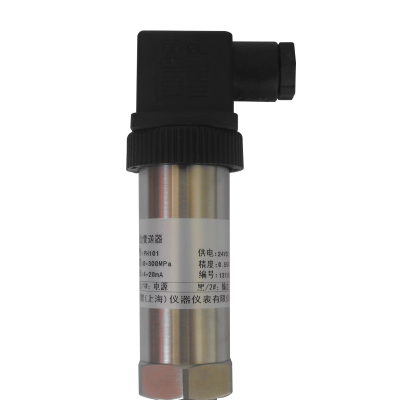


$3.50 - $4.00
MOQ: 10 Pieces


Comprehensive Sourcing Guide
Fuel Injection Pressure Sensor Sourcing Guide
The Fuel Injection Pressure Sensor is a critical component for maintaining optimal engine performance and emissions compliance in modern automotive systems. Based on observed market listings, these devices are frequently categorized as precision gauges or limit gauges designed to measure outside diameters and specific pressure ranges within gas and liquid environments. Buyers should note that while some listings describe round shapes and aluminum alloy constructions, others indicate plastic materials and ceramic standards, suggesting a diverse range of sensor technologies available in the current supply chain.
Procurement strategies must account for the varying measurement forms observed, including gauge pressure and absolute pressure configurations, which dictate the sensor's suitability for different engine cycles. The observed data indicates a measurement accuracy ranging from 0.5% to 0.3% F.S., with stability figures around ±0.2% F.S. per year, though these values are specific to certain models like the SAC-132-K. Sourcing teams must verify that the selected unit matches the specific pressure range requirements, such as the -0.1MPa to 6MPa span, to ensure reliable operation under the intended working conditions.
Product Scope and Observed Listing Signals
Market analysis reveals a wide spectrum of product attributes, with some units explicitly designed for automotive use while others serve general industrial monitoring roles. The observed listings include models with explosion-proof ratings and specific protection grades like IP54, indicating their capability to operate in hazardous environments where air or non-combustible gases are present. Buyers must carefully distinguish between sensors intended for diffusion silicon chip applications and those utilizing alternative measuring cores to align with the specific fluid dynamics of their injection systems.
Listing signals also highlight significant variations in physical specifications, with some products defined by standard dimensions of 10.00cm by 8.00cm by 8.00cm, while others are described simply by their model numbers like FPS01 or XYT-19C. Packaging methods vary from neutral cartons to standard cartons, and selling units are typically listed as single items, which simplifies initial procurement but requires careful aggregation for larger production runs. Understanding these listing signals helps buyers navigate the fragmented nature of the supply market and identify products that match their specific engineering constraints.
Technical Specifications to Verify
Engineers must prioritize the verification of measurement accuracy and stability, as these parameters directly influence the precision of fuel delivery and overall engine efficiency. The observed data suggests that while some sensors offer a default accuracy of 0.5% F.S., higher precision models are available at 0.3% F.S., and buyers should confirm which tier is necessary for their specific application. Additionally, the compensation temperature range of -10 to 70℃ and the working temperature span of -40℃ to 85℃ are critical factors that determine the sensor's reliability across different seasonal and operational climates.
Electrical and mechanical compatibility is another vital area for verification, particularly regarding the electrical specifications of 1.5A at 250V and the connection methods such as direct mounting without brackets. The maximum working pressure of 10kpa for certain models contrasts with the broader -0.1MPa to 6MPa range found in others, necessitating a strict review of the system's pressure profile before selection. Buyers should also confirm the overload pressure tolerance, often cited as 200% F.S., to ensure the sensor can withstand transient pressure spikes without permanent damage or calibration drift.
Compliance and Safety Documentation
Regulatory compliance is a non-negotiable aspect of sourcing fuel injection sensors, with certifications such as CE and RoHS frequently appearing in product listings to indicate adherence to environmental and safety standards. The presence of ISO certification and Factory Qualifications like IATF16949 further validates the manufacturer's commitment to quality management systems required by the automotive industry. Procurement teams must request and verify these documents to ensure that the supplied components meet the rigorous safety and environmental regulations of the target market.
Safety documentation must also address the specific operating conditions, including the working humidity of 95% Rh and the suitability for non-corrosive gases. For applications involving hazardous environments, the explosion-proof designation and protection grade of IP54 are essential safety features that prevent ignition risks. Buyers should ensure that the supplier provides comprehensive test reports and safety data sheets that confirm the sensor's ability to operate safely within the specified temperature and pressure limits without compromising system integrity.
Cost Drivers and Commercial Terms
Pricing in the fuel injection sensor market is influenced by a complex mix of technical specifications, material composition, and certification levels, with observed listing prices ranging from 2 to 888 USD. The variation in cost often reflects the difference between basic aluminum alloy models and more sophisticated units featuring diffusion silicon chips and higher precision ratings. Buyers should analyze the total cost of ownership, considering that higher initial investment in precision gauges may yield long-term savings through reduced maintenance and improved engine performance.
Commercial terms such as Minimum Order Quantity (MOQ) and warranty periods significantly impact procurement planning, with observed MOQs ranging from 1 to 100 units and warranties spanning from 12 months to 2 years. The availability of customization options allows buyers to tailor products to specific needs, but this often introduces lead time variables and potential cost premiums. Understanding the relationship between the selling unit configuration and the bulk pricing structure is essential for negotiating favorable terms that align with production schedules and budget constraints.
Supplier Qualification and Quality Control
Supplier qualification is paramount when sourcing critical automotive components, with many manufacturers boasting a foundation date of 2001 and holding IATF16949 certification to demonstrate industry compliance. The presence of automation levels described as full automaticity suggests a high degree of process control, which is essential for maintaining consistent product quality and minimizing defect rates. Buyers should prioritize suppliers who can provide evidence of their quality control processes, including the use of through check methods for testing and verification of product attributes.
Quality control protocols must extend beyond the initial manufacturing stage to include rigorous testing of the measuring core and protection grades. The observed use of specific test methods and the availability of customized options indicate that suppliers are capable of adapting their quality assurance processes to meet unique buyer requirements. It is crucial for procurement teams to verify that the supplier's quality management system covers the entire lifecycle of the sensor, from raw material sourcing to final packaging in cartons or neutral cartons, ensuring that every unit meets the specified performance standards.
Long-Term Procurement Checks
Sustaining a reliable supply chain for fuel injection sensors requires ongoing monitoring of supplier performance and product consistency over time. Buyers should establish regular audits to verify that the supplier continues to meet the required certifications, such as ISO and CE, and that their production processes remain aligned with the observed specifications like the 10.00cm by 8.00cm dimensions. Long-term checks should also include periodic re-testing of sample units to confirm that the measurement accuracy and stability have not degraded due to manufacturing variances or material aging.
Strategic procurement planning must account for the potential evolution of technology and market standards, ensuring that the sourced sensors remain compatible with future engine designs and regulatory requirements. The observed warranty periods of 1 to 2 years provide a baseline for expected product longevity, but buyers should negotiate extended support agreements to mitigate risks associated with component failure. By maintaining a proactive approach to supplier relationship management and continuous quality verification, organizations can secure a stable supply of high-performance fuel injection sensors for their operations.
FAQs
What certifications are available for fuel injection pressure sensors?
ISO certification is available for these sensors. Some models also carry CE and RoHS certifications. These credentials ensure compliance with international quality and safety standards. Buyers should verify specific documentation with suppliers to confirm the exact certification status for their procurement needs.
Can fuel injection pressure sensors be customized for specific applications?
Yes, customization is available for these sensors. Manufacturers offer tailored solutions to meet unique operational requirements. This includes adjustments to specifications and packaging. Buyers seeking specific configurations should communicate their needs directly with factories to ensure the final product aligns with their technical specifications.
What is the typical warranty period for these sensors?
The warranty period varies by model, typically ranging from one to two years. Some products offer a twelve-month warranty, while others provide coverage for up to two years. This warranty protects against manufacturing defects. Buyers should confirm the specific warranty terms with the supplier before finalizing their purchase agreement.
Where are these fuel injection pressure sensors manufactured?
These sensors are manufactured in China, with specific origins noted in Shandong. This location indicates the production base for these industrial components. Buyers sourcing from this region should consider logistics and lead times. The place of origin is a key factor in supply chain planning and cost analysis.
What is the minimum order quantity for these sensors?
The minimum order quantity ranges from one to one hundred units. This flexibility allows buyers to order small batches for testing or larger volumes for production. The exact MOQ depends on the specific model and supplier. Buyers should check the listing details to determine the precise requirement for their order.
How is the accuracy of these pressure sensors defined?
Accuracy is typically defined as 0.5% F.S by default, with options for 0.3% F.S. This precision is critical for reliable fuel injection monitoring. The sensors use diffusion silicon chips for measurement. Buyers requiring higher precision should specify this requirement during the sourcing process to ensure the selected model meets their technical standards.