Source Fuel Flow Meter for Water Diesel and LPG
Compare 30 verified Fuel Flow Meter options including turbine, mechanical, and variable area types for industrial applications. Buyers can evaluate specifications like accuracy, pressure ratings, and measuring principles to find the right solution for water, diesel, or LPG systems.
Key considerations
Products List


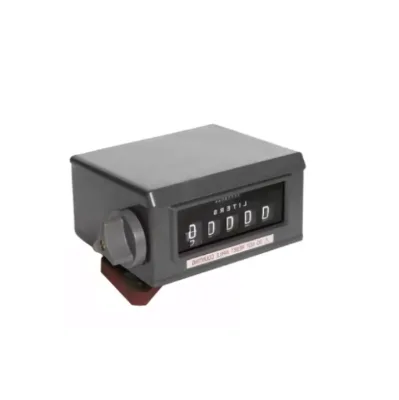
Water Flow Meter Inline Flow Meter Fuel Counter Meter Fuel Flow Indicator
$100.00 - $1000.00
MOQ: 1 Pieces

Flow Meter Flowmeter Sanitary Flow Meter Glass Flow Meter Fuel Flow Indicator
$100.00 - $1000.00
MOQ: 1 Pieces


Flow Meter Flowmeter Flow Rate Sensor Digital Fuel Flow Meter Gear Meter
$100.00 - $1000.00
MOQ: 1 Pieces




Comprehensive Sourcing Guide
Strategic Sourcing Guide for Fuel Flow Meter Procurement
Navigating the global market for fuel flow meters requires a disciplined approach that balances technical precision with supply chain reliability. Buyers seeking to procure these critical instruments for industrial applications must first understand the diverse landscape of available technologies. The current market presents a wide array of options, ranging from mechanical gas meters designed for specific liquefied petroleum gas (LPG) applications to advanced turbine and variable area flow meters capable of handling diesel, fuel oil, and corrosive liquids. A successful procurement strategy begins with a clear definition of the measuring medium and the operational environment, as these factors dictate the necessary sensor type, measuring principle, and accuracy requirements.
Technical Specifications and Measuring Principles
The selection of a Fuel Flow Meter is fundamentally driven by the physical properties of the fluid being measured and the required measurement principle. In the current product landscape, distinct technologies serve different niches. For instance, certain models are explicitly categorized as mechanical gas meters, utilizing specific principles such as atomic physics or mechanical motion to determine flow rates. These units are often designed for closed pipeline applications where the medium is LPG, operating under pressures up to 18 bar. The accuracy for such specialized units is typically specified within a range of ±0.2% to 0.5%, a critical metric for inventory management and billing in industrial settings.
Conversely, other segments of the market offer flow meters based on electrical principles or pure mechanics, such as turbine and variable area flow meters. These devices are versatile, suitable for measuring water, diesel fuel, fuel oil, and wastewater. The sensor configuration varies significantly; some units utilize a tube or flange arrangement, while others employ plug-in sensors for open channel measurements. The diameter of the flow meter is another pivotal specification, with many industrial models available in sizes greater than 100mm, such as DN100 volume types. Buyers must verify if the specific model supports the required flow rate, as some units offer optional flow specifications to match varying pipeline capacities.
| Feature Category | Mechanical Gas Meter Variant | Turbine/Variable Area Variant |
|---|---|---|
| Measuring Principle | Atomic Physics / Mechanics | Electrical Principles / Mechanics |
| Typical Medium | LPG (Liquefied Petroleum Gas) | Water, Diesel, Fuel Oil, Wastewater |
| Sensor Type | Tube/Flange | Plug-in or Inline |
| Measurement Object | Closed Pipeline | Closed Pipeline or Open Channel |
| Accuracy Range | ±0.2% to 0.5% | Variable (Verify per model) |
| Max Pressure | Up to 18 bar | Dependent on specific model rating |
Compliance, Certification, and Safety Standards
In the fuel and energy sector, regulatory compliance is not merely a formality but a prerequisite for operational safety and legal adherence. When evaluating potential suppliers, buyers must scrutinize the certification status of the equipment. The market includes products that carry a broad spectrum of international and regional certifications, including CE, SGS, ISO, RoHS, GB, ANSI, DIN, and JIS. These marks indicate that the product has undergone testing against specific safety and quality benchmarks.
Specifically, for applications involving flammable fuels like LPG or diesel, explosion-proof capabilities are often mandatory. Some units in the current inventory are explicitly rated for ATEX (Atmosphères Explosibles) compliance, ensuring they can operate safely in hazardous environments where explosive gas atmospheres may be present. Buyers should verify that the "mechanical" or "electrical" standard claimed by the manufacturer aligns with local jurisdictional requirements. Furthermore, the presence of standards such as ISO 10790 should be treated as a reference point for verification rather than an automatic guarantee, as specific product listings may vary in their adherence to such background standards. The absence of a specific certification in a product listing does not necessarily imply non-compliance, but it requires the buyer to request explicit documentation before proceeding.
Cost Drivers and Pricing Dynamics
The pricing of fuel flow meters is influenced by a complex matrix of factors, including the measuring principle, accuracy class, material construction, and the level of customization offered. The observed market data indicates a substantial price variance, with units ranging from approximately $1.25 to $4,879. This wide disparity reflects the difference between basic mechanical units and highly specialized, high-accuracy instruments with advanced sensor technologies.
Several key drivers impact the final cost. First, the accuracy rating is a primary cost factor; units offering ±0.2% accuracy generally command a premium over those rated at 0.5%. Second, the material grade and pressure rating play significant roles; a meter capable of withstanding 18 bar of pressure and handling corrosive liquids will cost more than a standard unit for non-corrosive applications. Third, the level of customization available can alter the price structure. Many suppliers offer customization options, which allows for tailored solutions but may increase the unit cost and lead time. Additionally, the packaging method, whether standard packing, carton, or box, can influence logistics costs, which are often factored into the total landed cost. Buyers should also consider the Minimum Order Quantity (MOQ), which ranges from 1 to 100 units, as this affects the per-unit economics for small-scale versus large-scale procurement projects.
Typical Industrial Applications and Operational Context
Fuel flow meters are deployed across a diverse range of industrial sectors, each with unique operational demands. The primary application for these devices is industrial production, where precise measurement of fuel consumption is essential for process control, cost accounting, and efficiency monitoring. Specific use cases include the measurement of LPG in storage and distribution facilities, where the medium is a gas under pressure. In these scenarios, the flow meter must be robust enough to handle the specific properties of liquefied gases and maintain accuracy over a wide range of flow rates.
Beyond LPG, these instruments are critical in the handling of liquid fuels such as diesel and fuel oil. In these applications, the flow meter must be compatible with the viscosity and chemical composition of the fuel. Some units are designed to handle wastewater and corrosive liquids, expanding their utility to environmental management and chemical processing industries. The distinction between closed pipeline and open channel measurement is also vital; while most fuel applications occur in closed pipelines, certain monitoring tasks may require open channel solutions. The choice of application dictates the required explosion-proof rating and the specific sensor type, ensuring the device can withstand the environmental conditions of the installation site.
Supplier Evaluation and Service Capabilities
Selecting a reliable supplier is as critical as selecting the right product. Buyers should evaluate potential partners based on their technical support infrastructure and service offerings. A robust supplier provides localization services and 7*24-hour technical support, ensuring that any operational issues can be resolved promptly. This level of service is particularly important for industrial clients who cannot afford downtime in their fuel supply chains.
The geographical origin of the product is another factor to consider. A significant portion of the current market inventory originates from Zhejiang, China (Mainland), with general product origins listed as China. While this does not preclude high quality, it necessitates a thorough vetting of the supplier's manufacturing processes and quality control measures. Buyers should also assess the shipping methods offered, such as door-to-door delivery, which can simplify logistics and reduce the risk of damage during transit. The condition of the product, typically listed as "New," should be verified to ensure that no refurbished or used units are inadvertently supplied. Finally, the availability of customization options allows buyers to tailor the flow meter to their specific needs, a feature that many suppliers currently offer to remain competitive.
Quality Control and Long-Term Procurement Considerations
Ensuring the long-term reliability of fuel flow meters requires a proactive approach to quality control. Buyers must verify the precision grade of the units, with some specifications indicating a starting grade of 0, which implies a high standard of manufacturing. The physical condition of the product, whether it is new or refurbished, must be explicitly confirmed in the purchase agreement. Additionally, the packaging standard, whether it is a standard pack, carton, or box, should be sufficient to protect the instrument during shipping and storage.
For long-term procurement, buyers should consider the lifecycle costs of the equipment. While the initial purchase price is important, the cost of maintenance, calibration, and potential downtime must also be factored into the decision. Units with higher accuracy and better certifications may have a higher upfront cost but offer better long-term value through reduced measurement errors and fewer replacements. The availability of spare parts and the supplier's ability to provide technical support over the life of the product are critical considerations. Buyers should also verify the lead times and production capabilities of the supplier to ensure that the supply chain remains resilient against market fluctuations. By focusing on these long-term factors, buyers can secure a reliable supply of fuel flow meters that meet their operational needs for years to come.
FAQs
What measuring principles are used for fuel flow meters?
Fuel flow meters utilize principles such as atomic physics, electrical principles, and mechanics. Specific models may operate based on mechanical motion or electrical signals depending on the medium and application requirements.
Which certifications are available for these industrial flow meters?
Products often carry certifications including CE, SGS, ISO, RoHS, GB, ANSI, DIN, and JIS. Buyers should verify specific compliance marks to ensure the device meets local safety and quality standards.
Can these meters handle LPG and diesel fuel applications?
Yes, specific models are designed for LPG, diesel fuel, fuel oil, and wastewater. They are suitable for both closed pipeline and open channel measurement objects in industrial production settings.
What is the typical accuracy range for these devices?
The accuracy typically ranges from ±0.2% to 0.5% depending on the specific model. Higher precision units are available for applications requiring strict inventory management and billing accuracy.
Are customization options available for these flow meters?
Customization is available to tailor the flow meter to specific needs. Buyers can request adjustments to specifications, though this may affect the unit cost and lead time for production.
What is the maximum pressure rating for LPG meters?
Some models are rated for a maximum pressure of up to 18 bar. This capacity ensures safe operation when measuring liquefied petroleum gas under standard industrial pressure conditions.
Where are these fuel flow meters manufactured?
Many units originate from Zhejiang, China (Mainland), with general product origins listed as China. Buyers should verify the specific place of origin for each supplier to confirm manufacturing details.