Source Full Length Waterproof Compression Shaperwear for Gym, Travel, Daily Wear
Compare 30 listings of Full Length Waterproof Compression Shaperwear designed for women. Options include firm control levels, breathable knitted materials, and customization support for logos and designs.
Key considerations
Products List
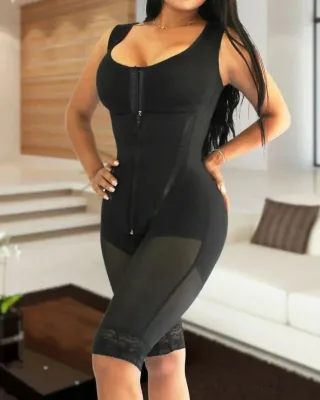
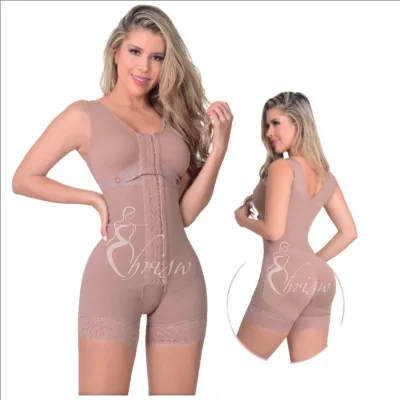


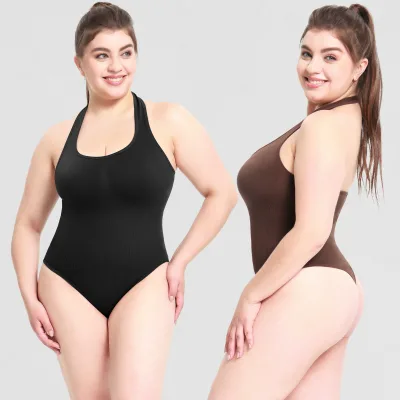


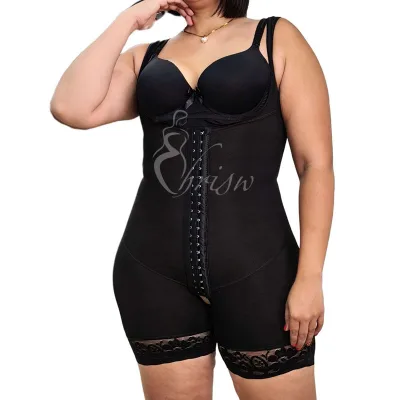
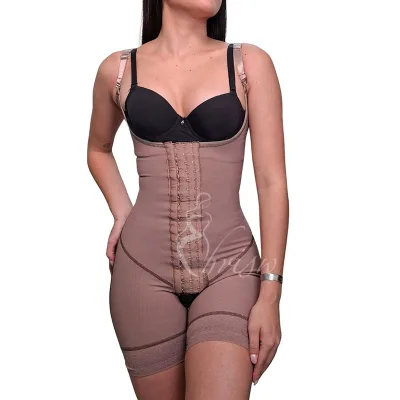
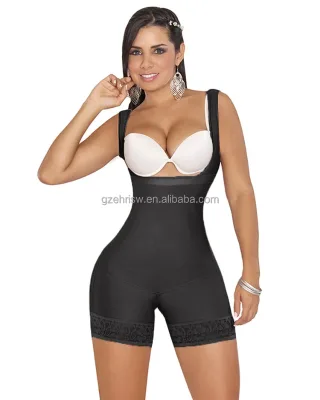


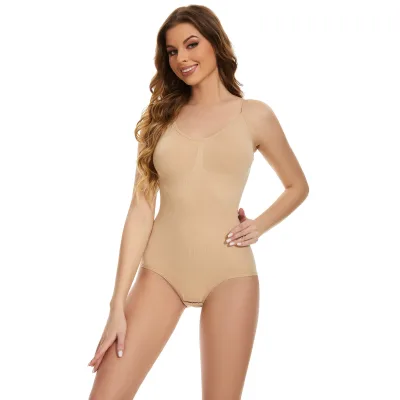


Seamless Tummy Control Shapewear Bodysuit Seamless Body Shaper for Women
$3.18 - $3.58
MOQ: 500 pieces

Custom Women's Waist Trainer Bodysuit Compression Shapewear OEM Supplier
$2.80 - $3.00
MOQ: 500 Pieces
Comprehensive Sourcing Guide
Strategic Sourcing Guide for Full Length Waterproof Compression Shapewear
Understanding Product Attributes and Technical Specifications
When sourcing full-length waterproof compression shapewear, buyers must first distinguish between standard compression garments and those with specific functional claims like waterproofing. The available market data indicates a diverse range of product attributes that define the core category. The primary material composition observed in high-performance shapewear is a blend of Spandex and Nylon, which provides the necessary elasticity and durability required for compression garments. Some listings specifically highlight Nylon as a standalone material component, suggesting variations in fabric weight and texture. The weaving methods identified include knitted and crocheted techniques, with knitted structures generally offering superior stretch recovery and seamless integration for compression applications.
Size specifications are critical for this product category, with the observed range extending from XS to 3XL, covering a broad demographic including plus-size consumers. The product types identified range from general bodysuits to specific shaper corsets and tummy control shapewear. A key differentiator in this market is the control level, which varies from medium to firm. Buyers seeking "compression" must specifically verify the firm control level, as medium control may not provide the intended shaping effect. Furthermore, the thickness of the material is a significant variable; observations note both "thick" and "thin" variations. For waterproof compression applications, a thicker fabric construction is often preferred to ensure the integrity of the waterproof barrier without compromising the compression force.
The functional features listed include breathability, quick-dry capabilities, and anti-bacterial properties. While breathability is standard for comfort, the combination of breathability and waterproofing presents a technical challenge that requires specific fabric engineering. The product effects claimed range from breast enhancement and buttock upward lifting to stomach and abdomen pulling, as well as fat loss claims. It is important for buyers to treat these effect claims as marketing observations rather than guaranteed medical or physiological outcomes. The gender specification is consistently listed as female or women, with age groups targeting adults.
Compliance, Certification, and Safety Verification
In the B2B procurement of shapewear, particularly items with functional claims like waterproofing and compression, verifying compliance is essential. The supplied data does not explicitly list specific international safety certifications or testing standards for the products. Therefore, buyers must conduct rigorous due diligence to ensure the materials meet the regulatory requirements of their target markets. For garments claiming to be waterproof, verification of water resistance standards (such as hydrostatic head ratings) is necessary to validate the claim. Similarly, for anti-bacterial features, buyers should request laboratory test reports that confirm the efficacy of the treatment against specific bacteria strains.
The origin of the products is identified as China, a major manufacturing hub for textiles. However, the country of origin does not guarantee compliance with destination market regulations. Buyers must verify that the suppliers adhere to local textile safety standards regarding chemical usage, such as restrictions on azo dyes or formaldehyde. The presence of "Eco-Friendly" as a listed feature suggests some suppliers may be pursuing sustainable manufacturing practices, but this requires independent verification through third-party audits or certification documents like GOTS (Global Organic Textile Standard) or OEKO-TEX, which are not explicitly confirmed in the provided data.
Additionally, the production standards listed include size standards (S, M, L, XL, 2XL, 3XL) and packaging dimensions (e.g., 35352 cm or 25X15X3 cm). These dimensions likely refer to the packaging rather than the garment itself, but they are critical for logistics planning. Buyers should verify that the packaging standards align with their retail requirements, ensuring that the "PP Bag" or "OPP Bag" options mentioned provide adequate protection during transit, especially for items that may be sensitive to moisture or crushing.
Cost Drivers and Pricing Dynamics
The pricing landscape for full-length waterproof compression shapewear is influenced by several key factors. The observed price range in the market spans from $1.46 to $30.00 USD. This wide variance indicates significant differences in material quality, manufacturing complexity, and brand positioning. The lower end of the price spectrum likely corresponds to basic nylon/spandex blends with standard compression levels and minimal waterproofing. In contrast, the higher price points may reflect advanced fabric technologies, such as seamless construction, higher denier counts for durability, or specialized waterproof membranes that maintain breathability.
Material costs are a primary driver. The use of Spandex/Nylon blends is standard, but the quality of the Spandex (e.g., Lycra vs. generic) and the percentage of each component significantly impact the final cost. Higher Spandex content generally correlates with better compression and recovery, justifying a higher price. Additionally, the weaving method plays a role; knitted garments may be more cost-effective to produce in large volumes compared to crocheted items, which can be more labor-intensive.
Order volume is another critical cost determinant. The Minimum Order Quantity (MOQ) varies widely, with some suppliers allowing orders as low as 3 pieces, while others require a minimum of 1,000 pieces. The data also notes an MOQ of 100 pieces for specific items. Buyers must balance their inventory needs with the MOQ to optimize unit costs. Smaller MOQs are advantageous for testing new designs or entering niche markets, but they often come with a higher per-unit price. Conversely, larger orders typically unlock tiered pricing, reducing the cost per unit significantly.
Typical Applications and Usage Scenarios
The applications for full-length waterproof compression shapewear extend beyond everyday wear. The product features, such as "tummy control," "breast enhancement," and "buttock upward" effects, suggest use in fashion and body contouring contexts. The "daily" usage classification indicates suitability for regular wear, provided the compression level is comfortable for extended periods. However, the specific inclusion of "waterproof" attributes opens up specialized use cases. These may include athletic activities in wet conditions, post-surgical recovery where protection from moisture is necessary, or specific therapeutic applications requiring both compression and barrier protection.
The "warm uterus" effect mentioned in some product descriptions points towards a niche application in women's health, potentially targeting users seeking thermal regulation or comfort during menstruation or recovery. This feature, combined with the "anti-bacterial" property, suggests a focus on hygiene and comfort in intimate or high-sweat scenarios. The "plus size" feature ensures inclusivity, making these products suitable for a broader range of body types.
Buyers should also consider the "seamless" feature observed in some listings. Seamless construction is highly valued in applications where visible lines under clothing are undesirable, such as under tight-fitting dresses or athletic wear. The combination of seamless, waterproof, and compression properties creates a versatile product capable of serving multiple market segments, from fashion-forward consumers to those with specific functional needs.
Supplier Evaluation and Customization Capabilities
Selecting the right supplier requires a deep understanding of their customization capabilities and service models. The data confirms that customization is available, with support for customized logos and design services (OEM/ODM). This flexibility allows buyers to create private label products that align with their brand identity. The "logo position" is typically on a label, but buyers should verify if the supplier can accommodate other placement options or embroidery techniques, such as the "machine embroidery" or "automated embroidery" mentioned in the specifications.
The sample time is a critical metric for supply chain planning. The observed sample lead time is 5-7 working days, which is relatively fast and indicates a responsive manufacturing process. However, buyers must confirm if this timeline applies to all customization levels or if complex designs require additional time. The supply type is listed as both "OEM service" and "in-stock items," suggesting that suppliers can accommodate both custom orders and immediate fulfillment needs.
When evaluating suppliers, buyers should assess their ability to handle the full range of sizes and control levels. The availability of sizes from XS to 3XL is a positive indicator of a mature production line capable of handling diverse sizing requirements. Additionally, the "firm" control level is essential for compression products, and buyers should verify that the supplier has the technical expertise to maintain consistent compression across the entire size range without causing discomfort or fabric failure.
Quality Control and Long-Term Procurement Considerations
Ensuring consistent quality is paramount for long-term procurement success. The production standards listed include specific size standards and packaging dimensions, but buyers must establish their own quality control protocols. Key areas to monitor include the integrity of the waterproof coating, the elasticity of the Spandex/Nylon blend, and the durability of the seams. Given the "knitted" and "crocheted" weaving methods, buyers should inspect for loose threads or uneven tension that could compromise the garment's shape or comfort.
The "PP Bag" and "OPP Bag" packaging options are standard, but for waterproof products, the packaging must also protect against moisture ingress during storage and transit. Buyers should verify that the packaging materials are moisture-resistant and that the sealing process is robust. Additionally, the "eco-friendly" claim, if relevant to the buyer's sustainability goals, requires ongoing verification to ensure that the supplier maintains these practices throughout the production cycle.
Long-term procurement considerations involve building a relationship with a supplier who can scale production as demand grows. The wide MOQ range (1 to 1,000 pieces) suggests that suppliers are flexible, but buyers should negotiate volume discounts and consistent lead times for future orders. The ability to support design changes and customization over time is also crucial for maintaining a competitive edge in the market. Finally, buyers should establish clear communication channels for addressing quality issues, returns, and rework, ensuring a smooth supply chain experience.
Comparative Analysis of Product Variants
To assist in decision-making, the following table summarizes the key attributes observed in the market data for full-length compression shapewear. This comparison highlights the variability in features, materials, and specifications that buyers must evaluate.
| Attribute Category | Observed Variations | Strategic Implication |
|---|---|---|
| Material Composition | Spandex / Nylon, Nylon | Higher Spandex content implies better compression; verify blend ratios. |
| Weaving Method | Knitted, Crocheted | Knitted is standard for compression; Crocheted may offer unique aesthetics. |
| Control Level | Medium, Firm | "Firm" is required for true compression; "Medium" for light shaping. |
| Thickness | Thick, Thin | Thick variants better for waterproofing; Thin for breathability. |
| Size Range | XS to 3XL | Ensures inclusivity; verify grading consistency across sizes. |
| Customization | Logo, Design, OEM/ODM | Essential for private label; verify sample lead times (5-7 days). |
| Packaging | PP Bag, OPP Bag | Verify moisture resistance for waterproof products. |
| MOQ | 3, 100, 1000 pieces | Balance inventory risk with unit cost savings. |
| Origin | China | Verify compliance with destination market regulations. |
This comparative analysis underscores the importance of detailed specification checks. Buyers should not assume that all products labeled as "compression shapewear" meet the same performance criteria. The presence of diverse attributes means that a rigorous selection process is necessary to identify the product that best aligns with the specific needs of the target market. By focusing on material quality, control levels, and customization capabilities, buyers can secure a supply chain that delivers high-quality, functional, and compliant products.
FAQs
What materials are used for Full Length Waterproof Compression Shaperwear?
The primary materials observed are Spandex and Nylon blends, with some listings specifying Nylon alone. These fabrics provide the necessary elasticity and durability required for compression garments, though waterproofing integrity depends on specific fabric engineering not guaranteed by material names alone.
Which control levels are available for Full Length Waterproof Compression Shaperwear?
Available control levels range from medium to firm, with firm control being essential for true compression effects. Buyers must verify the firm level specifically, as medium control may not provide the intended shaping or compression force required for full-length applications.
How can buyers customize logos on Full Length Waterproof Compression Shaperwear?
Customized logo support is available, typically positioned on a label using machine or automated embroidery. Suppliers also support design services for OEM and ODM, allowing buyers to create private label products that align with their specific brand identity and design requirements.
What is the typical sample time for Full Length Waterproof Compression Shaperwear?
The observed sample lead time is 5 to 7 working days, indicating a responsive manufacturing process. This timeline allows for relatively quick prototyping, though complex customization designs may require additional time beyond the standard window.
Can buyers order small quantities of Full Length Waterproof Compression Shaperwear?
Yes, some suppliers allow Minimum Order Quantities as low as 3 pieces, while others require 100 or up to 1000 pieces. The wide MOQ range offers flexibility for testing new designs or entering niche markets, though smaller orders often carry a higher per-unit cost.
What sizes are available for Full Length Waterproof Compression Shaperwear?
The product sizes range from XS to 3XL, covering a broad demographic including plus-size consumers. This extensive sizing ensures inclusivity, but buyers should verify that the supplier maintains consistent compression and fit quality across the entire size spectrum.
How is Full Length Waterproof Compression Shaperwear packaged for shipping?
Products are typically packed in PP bags or OPP bags, with packaging dimensions varying by item. Buyers must verify that these packaging materials provide adequate protection against moisture and crushing during transit, especially for items claiming waterproof properties.