Source Full-Frame Solid Sports Metal Glasses for Cycling, Running, and Hiking
Explore 30 listings of full-frame solid sports metal glasses designed for durability and comfort. Buyers can compare frame materials, lens types, and customization options to find suitable eyewear for outdoor activities.
Key considerations
Products List
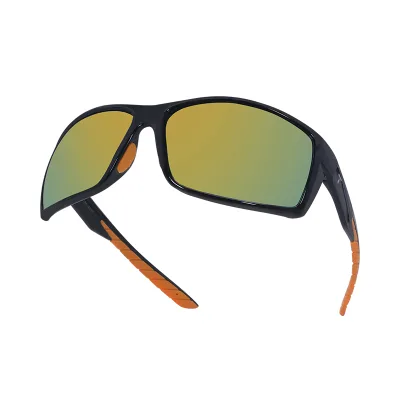

New Design Stylish Metal Glasses Frames Solid Optical Eyewear Metal Legs Glasses
$3.00 - $6.00
MOQ: 1200 Pieces

New Men's Metal Durable Metal Eyeglasses Metal Full Frame Optical Frames Custom
$3.00 - $6.00
MOQ: 1200 Pieces


Full-Rim Metal Eyeglasses Frame Lightweight Unisex Anti-Blue Durable Stylish
$6.00 - $9.00
MOQ: 900 Pieces


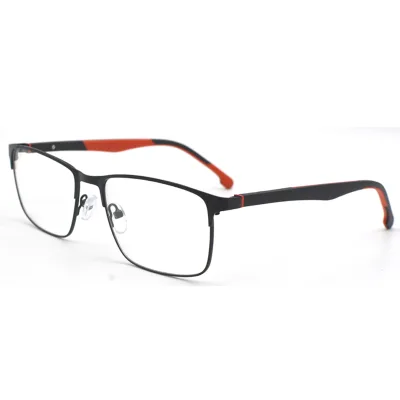


Medical Metal Eyeglasses Frame Stainless Steel Optical Glasses Men's Eyewear
$4.96 - $6.00
MOQ: 12 Pieces


Comprehensive Sourcing Guide
Strategic Sourcing Guide for Full-Frame Solid Sports Metal Glasses
Understanding the Product Category and Technical Specifications
When sourcing full-frame solid sports metal glasses, buyers must first distinguish between general eyewear and products engineered for active use. The core keyword implies a robust construction where the frame material and lens integration are designed to withstand physical stress. Based on available product attributes, the frame material is frequently identified as metal, specifically stainless steel, or a composite of metal and plastic. This combination is critical for sports applications where durability and weight balance are paramount. The "solid" aspect of the description often correlates with a "Full Frame" design, which provides structural integrity around the entire lens perimeter, unlike semi-rimless or rimless options that may be more prone to damage during high-impact activities.
The lens specifications for this category vary but generally prioritize optical clarity and protection. Available lens materials include Polycarbonate (PC), which is a standard for sports eyewear due to its high impact resistance. Other lens options mentioned include AC (Acetate) and polarized variants. The optical attributes often include UV400 protection, ensuring that the lenses block harmful ultraviolet radiation, a non-negotiable feature for outdoor sports. The lens shape is frequently described as elliptical or oval, a geometry that offers a wide field of view while maintaining a streamlined profile suitable for aerodynamic performance. Furthermore, the product attributes indicate that lenses can be customized in various colors, including smoke, green, brown, and clear, or treated with Revo coatings to enhance contrast and reduce glare.
| Attribute Category | Observed Specifications | Sourcing Implication |
|---|---|---|
| Frame Material | Stainless Steel, Metal, Metal & Plastic | Ensures durability; verify specific alloy grades for corrosion resistance. |
| Lens Material | PC (Polycarbonate), AC | PC is preferred for high-impact sports; AC offers aesthetic versatility. |
| Lens Type | Single-focal, Polarizer, Visor | Confirm diopter needs; polarizers are essential for water/snow sports. |
| Frame Shape | Ellipse, Full Frame | Provides structural strength and wide peripheral vision. |
| Color Options | Black, Silver, Blue, Red, Orange, Custom | Allows for brand matching; verify if custom colors incur MOQ increases. |
Compliance and Certification Verification
In the sports eyewear sector, compliance is not merely a formality but a critical component of product safety and market access. Buyers must rigorously verify that suppliers possess valid certifications that align with the target market's regulations. The observed product data highlights several key standards, including CE (Conformité Européenne), FDA (Food and Drug Administration), and UV400 protection levels. These certifications indicate that the eyewear meets specific safety and optical quality benchmarks. For instance, the CE mark suggests compliance with European safety directives, while FDA recognition is often relevant for products marketed in the United States.
Additionally, specific standards such as EN ISO 12312-1:2022 are noted as available. This standard specifically governs the requirements for sunglasses and related eyewear, covering aspects like lens transmission, durability, and chemical resistance. The presence of "Optical class level lens" as a standard further underscores the importance of verifying the optical precision of the lenses. Buyers should not assume that all listed products automatically meet these standards; instead, they must request current certification documents for each specific model. The data also mentions "Available Standard: CE/Ukca/En ISO 12312-1:2022," indicating that suppliers may cater to multiple regulatory environments, including the UKCA mark for the United Kingdom.
It is crucial to distinguish between general certifications and specific product testing results. While "CE" and "FDA" are frequently cited, the exact scope of these certifications must be confirmed. For example, does the certification cover the frame material, the lens impact resistance, or the entire assembly? Buyers should verify that the supplier can provide test reports that specifically address the "Full Frame" construction and the "Metal" material properties, ensuring that the product can withstand the mechanical stresses associated with sports activities.
Cost Drivers and Pricing Dynamics
The pricing structure for full-frame solid sports metal glasses is influenced by several variable factors, primarily material composition, customization levels, and order volume. The observed price range in the market spans from $0.52 to $9.00 USD, a wide spectrum that reflects the diversity in product quality and feature sets. The lower end of this range likely corresponds to basic models with standard metal frames and simple PC lenses, while the higher end may include advanced features such as polarized lenses, custom color coatings, or specialized optical treatments.
Material costs play a significant role in pricing. Frames made from stainless steel or high-grade metal alloys will inherently cost more than those using composite materials or lower-grade metals. The lens material is another major cost driver; polarized lenses and those with specific UV400 coatings or Revo treatments command a premium over standard clear or tinted lenses. Furthermore, the "Customization" attribute is a critical variable. Products that allow for custom frame shapes, colors, or logo designs often involve additional tooling and setup costs, which can affect the unit price.
Order volume is another determinant of cost. The observed Minimum Order Quantity (MOQ) ranges from 2 to 1200 units. Buyers purchasing small quantities may face higher per-unit costs due to the fixed costs of production setup and logistics. Conversely, larger orders, potentially reaching the upper end of the MOQ range, may benefit from economies of scale. However, buyers must be cautious of suppliers who require high MOQs for customized products, as this can tie up capital and increase inventory risk. The packaging specifications, such as "1PC/Poly Bag, 12PCS/Inner Box, 300PCS/Carton," also influence logistics costs, as bulk packaging is generally more efficient for large shipments.
Typical Applications and Functional Requirements
Full-frame solid sports metal glasses are designed for a wide array of applications, ranging from casual outdoor activities to high-intensity professional sports. The "General" suitability noted in the product attributes suggests versatility, but the specific design features point towards more demanding use cases. The "Motorcycle" type designation indicates that these glasses are suitable for riders who require protection against wind, debris, and UV radiation. The elliptical frame shape and full-frame construction provide a secure fit that is less likely to slip during vigorous movement, a common requirement for cycling, running, and motorcycling.
The "Non Myopia" function suggests that these glasses are primarily intended for users who do not require corrective lenses, or they serve as protective eyewear over prescription glasses. However, the availability of diopters ranging from 1.00d to 4.00d indicates that many models can be customized for near-vision correction, making them suitable for older athletes or those with presbyopia. The "Oval Face" suitability highlights the importance of fit; the frame geometry is designed to complement specific facial structures, ensuring comfort and stability during prolonged wear.
For water sports or high-glare environments, the "Polarizer" lens type is a critical feature. Polarized lenses reduce glare from reflective surfaces like water, snow, or asphalt, enhancing visual clarity and reducing eye strain. The "Ultraviolet" protection, specifically UV400, is essential for all outdoor applications to prevent long-term eye damage. The "Visor Sunglasses" classification further expands the application scope to include scenarios where additional sun protection or a specific aesthetic is required. Buyers should match the specific functional attributes of the glasses to the intended activity, ensuring that the lens type, frame material, and fit are appropriate for the environment in which the product will be used.
Supplier Evaluation and Quality Control
Evaluating suppliers for full-frame solid sports metal glasses requires a multi-faceted approach that goes beyond price comparison. The "Made in Xiamen, China" origin is a common attribute in this sector, but buyers must verify the specific capabilities of the manufacturing facility. Key evaluation criteria include the supplier's ability to handle customization, their quality control processes, and their adherence to the stated standards. The "OEM Order Accepted" attribute indicates that many suppliers are willing to produce private-label products, but buyers must assess the supplier's capacity to maintain consistent quality across different batches.
Quality control should be a priority throughout the procurement process. Buyers should request samples to physically inspect the frame construction, lens clarity, and overall finish. The "Metal and Plastic Frame" construction requires careful attention to the bonding points to ensure they do not fail under stress. Additionally, the lens material, particularly PC, must be checked for impact resistance and optical distortion. The "Customized" attribute implies that the supplier must have the technical expertise to execute specific design changes without compromising the structural integrity of the product.
Suppliers should also demonstrate a commitment to continuous improvement and compliance. The presence of certifications like CE, FDA, and EN ISO 12312-1:2022 is a positive indicator, but buyers should verify that these certifications are current and applicable to the specific product models being sourced. The "Available Standard" list suggests that suppliers are aware of international requirements, but buyers must ensure that the specific products they order meet the standards of their target market. Finally, the supplier's ability to provide detailed product specifications, including model numbers like LX202508235 or MJ151106, is a sign of professionalism and transparency.
Long-Term Procurement Considerations
Sourcing full-frame solid sports metal glasses is not a one-time transaction but a long-term partnership that requires strategic planning. Buyers should consider the scalability of the supplier's production capabilities. As demand grows, the supplier must be able to increase output without sacrificing quality or extending lead times. The observed lead times and production models suggest that suppliers have established workflows, but buyers should confirm these timelines for custom orders, which may require additional time for tooling and design approval.
Inventory management is another critical factor. The wide range of MOQs (2 to 1200 units) allows buyers to start with small orders to test the market, but long-term success often requires larger, more consistent orders. Buyers should negotiate terms that allow for flexible ordering, balancing the need for inventory with the risk of overstocking. The packaging specifications, such as the 300PCS/Carton standard, should be aligned with the buyer's logistics capabilities to minimize storage and handling costs.
Furthermore, buyers should monitor market trends and technological advancements in sports eyewear. The "Many New Designs Available" and "Logo Designs Available" attributes indicate a dynamic market where innovation is constant. Staying ahead of trends requires a supplier who is responsive to design changes and capable of integrating new features, such as advanced lens coatings or ergonomic frame adjustments. Finally, maintaining a strong relationship with the supplier through clear communication and regular performance reviews will ensure a steady supply of high-quality products that meet the evolving needs of the sports eyewear market.
FAQs
Can I customize the frame color and shape for these glasses?
Yes, customization is available for frame shapes and colors including black, silver, red, blue, and orange. Suppliers accept OEM orders and can adjust designs to meet specific brand requirements while maintaining the full-frame metal construction.
What certifications do these full-frame solid sports metal glasses have?
These glasses typically hold CE, FDA, and UV400 certifications to ensure safety and optical quality. Some models also meet the EN ISO 12312-1:2022 standard, verifying compliance with international eyewear regulations for sports and general use.
Which lens materials are used for these sports metal glasses?
The lenses are primarily made from Polycarbonate (PC) or AC materials for durability and impact resistance. Options include polarized lenses and various colors like smoke, green, brown, and clear to suit different lighting conditions and sports activities.
What is the minimum order quantity for these metal frame glasses?
The minimum order quantity ranges from 2 to 1200 units depending on the specific model and customization needs. Standard packaging involves 12 pieces per inner box and 300 pieces per carton to optimize shipping efficiency for bulk orders.
Where are these full-frame solid sports metal glasses manufactured?
These products are manufactured in Xiamen, China, by suppliers capable of handling both standard and custom orders. The location supports a wide range of production capacities and ensures access to established supply chains for metal and plastic frame components.
How do the prices vary for different models of these glasses?
Prices range from 0.52 to 9 USD based on material quality, lens type, and customization levels. Basic models with standard PC lenses cost less, while those with polarized lenses or complex metal alloy frames command higher prices within the observed market range.
Which face shapes are suitable for these oval frame glasses?
These glasses are specifically designed to suit oval faces, ensuring a comfortable and secure fit during sports activities. The elliptical full-frame shape provides a wide field of view while maintaining structural integrity for active use scenarios.