Source Remote Control Jumping Educational Toys for Kids
Find and compare Remote Control Jumping Educational Toys from 30 verified listings. Evaluate features like electronic interaction, light changes, and adjustable heights to select the best fit for preschool learning and play.
Key considerations
Products List




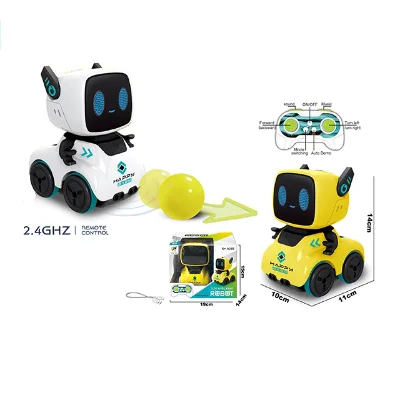
Hot Sales High Quality New Smart Interactive Plastic Remote Control Robot Toys
$6.94 - $7.10
MOQ: 90 Pieces



Comprehensive Sourcing Guide
Remote Control Jumping Educational Toys Sourcing Guide
Sourcing Remote Control Jumping Educational Toys requires a careful balance between engaging interactive features and strict safety compliance. These products typically combine mechanical movement, such as jumping or bouncing, with electronic controls and educational content, targeting children who benefit from kinesthetic learning. Buyers must navigate a market where "educational" claims are often marketing-driven, necessitating a rigorous verification of actual pedagogical value versus simple entertainment. The core challenge lies in selecting suppliers who can deliver robust remote control functionality without compromising the structural integrity required for repeated jumping actions, while ensuring all electronic components meet international safety standards for children’s products.
The procurement process is further complicated by the diverse range of materials and age groups involved. Listings often span from soft plush interactive toys for infants to more complex plastic or metal-based models for older children. Buyers must clearly define the target age range early in the sourcing process, as this dictates the necessary safety certifications, material choices, and complexity of the remote control interface. For instance, toys for toddlers under three years old require different safety protocols and durability tests compared to those designed for children aged four to eight. Understanding these distinctions is critical to avoiding compliance failures and ensuring the product meets the specific developmental needs of the intended user demographic.
Product Scope and Observed Listing Signals
The current market landscape for Remote Control Jumping Educational Toys reveals a wide variance in product specifications and target demographics. Observed listings indicate a price range from $0.10 to $64.00 USD, reflecting the disparity between simple plush interactive items and more sophisticated electronic models. Minimum Order Quantities (MOQs) vary significantly, ranging from single units for sampling to 5,000 units for bulk production, with some specialized items requiring up to 10,000 units. This variability suggests that buyers should align their order volumes with their risk tolerance and market testing strategies, particularly when introducing new product lines to established retail channels.
Product attributes observed in the market highlight key differentiators such as customization options, material composition, and interaction modes. Many suppliers offer OEM services and customization for packaging, allowing brands to tailor the product to their specific identity. Materials range from plastic and cotton to metal, depending on the toy’s structural requirements and safety profile. Interaction modes include electronic interaction, light changes, and remote control functionality, with some models specifically designed for age groups like 10-12 months or 2-4 years. Buyers should scrutinize these attributes to ensure they align with their brand positioning and the specific educational outcomes they wish to promote to consumers.
Technical Specifications to Verify
Verifying technical specifications is paramount to ensuring the product’s functionality and durability. Buyers must confirm the exact dimensions and weight of the toy, as these factors influence shipping costs and shelf appeal. For example, observed models range from compact sizes like 14x14x20.7 cm to larger structures up to 80x48.5x68 cm. The choice of size often correlates with the toy’s function; smaller units may be portable and lightweight, while larger units might offer more complex features or stability for jumping mechanisms. Additionally, the packing method, whether in cartons or individual polybags, affects both protection during transit and the unboxing experience for the end user.
The remote control system and power requirements are critical technical aspects that require detailed verification. Buyers should inquire about the type of remote control used, its range, and the battery life of both the toy and the controller. Electronic interaction features, such as light changes or sound effects, must be tested for responsiveness and consistency. Furthermore, the adjustability of the toy, such as adjustable height or speed settings, should be confirmed to ensure it meets the intended educational or play objectives. Suppliers should provide clear specifications on the materials used in the remote control and the toy’s body to assess durability and potential wear and tear over time.
Compliance and Safety Documentation
Compliance with international safety standards is non-negotiable for Remote Control Jumping Educational Toys. Buyers must verify that products hold relevant certifications such as EN71, CE, and ASTM, which are commonly observed in the market. These certifications ensure that the toys meet specific safety requirements regarding mechanical, physical, and chemical hazards. For electronic components, additional standards like EN62115 and EN60825 may apply, particularly if the toy emits light or uses lasers. Buyers should request valid test reports from accredited laboratories to confirm that the products have undergone rigorous safety assessments.
Age-appropriate labeling and warning labels are also essential compliance elements. Toys intended for specific age groups, such as 0-3 months or 10-12 months, must carry clear warnings about small parts, choking hazards, and proper usage. Buyers should ensure that suppliers provide accurate age recommendations and that the product design aligns with these guidelines. For instance, toys for younger children should not have small detachable parts that could pose a choking risk. Additionally, buyers should verify that the product packaging includes all necessary safety information in the target market’s language, ensuring that consumers are fully informed about safe usage and potential risks.
Cost Drivers and Commercial Terms
Understanding the cost drivers behind Remote Control Jumping Educational Toys is essential for effective budgeting and pricing strategies. Key factors influencing cost include the complexity of the electronic components, the quality of materials used, and the level of customization required. Toys with advanced features, such as multiple interaction modes or durable metal components, will naturally command higher prices. Additionally, the MOQ plays a significant role in unit pricing; higher volumes typically result in lower per-unit costs due to economies of scale. Buyers should negotiate terms that balance cost efficiency with quality assurance, ensuring that price reductions do not compromise safety or functionality.
Commercial terms, including payment methods, lead times, and shipping arrangements, also impact the overall procurement cost. Buyers should clarify the supplier’s production lead times to align with their inventory planning and market launch schedules. Shipping costs can vary significantly based on the product’s size and weight, so understanding the packaging dimensions and weight is crucial for accurate freight calculations. Additionally, buyers should discuss warranty policies and return procedures for defective units, as these terms can mitigate financial risks associated with product failures. Clear communication of these commercial terms helps in establishing a transparent and mutually beneficial partnership with suppliers.
Supplier Qualification and Quality Control
Supplier qualification is a critical step in mitigating risks associated with Remote Control Jumping Educational Toys. Buyers should conduct thorough due diligence on potential suppliers, verifying their manufacturing capabilities, quality control processes, and past performance. This includes assessing their ability to handle OEM requests and customize products according to specific requirements. Suppliers with a proven track record in producing educational toys for reputable brands are often more reliable. Additionally, buyers should request samples to evaluate the product’s build quality, functionality, and safety features before committing to large orders.
Quality control measures should be implemented throughout the production process to ensure consistency and compliance. Buyers should establish clear quality standards and inspection criteria, including checks for mechanical integrity, electronic functionality, and safety compliance. Third-party inspection services can be employed to verify that the products meet these standards before shipment. Regular communication with suppliers regarding any quality issues or changes in production processes is essential to maintain product integrity. By prioritizing supplier qualification and rigorous quality control, buyers can minimize the risk of receiving defective or non-compliant products.
Long-Term Procurement Checks
Long-term procurement success depends on continuous monitoring and evaluation of supplier performance and product quality. Buyers should establish key performance indicators (KPIs) to track metrics such as on-time delivery, defect rates, and customer feedback. Regular audits of supplier facilities and quality control processes can help identify potential issues early and ensure ongoing compliance with safety standards. Additionally, staying informed about changes in regulatory requirements and market trends is crucial for adapting procurement strategies accordingly. By maintaining a proactive approach to supplier management, buyers can ensure a steady supply of high-quality Remote Control Jumping Educational Toys.
Building strong relationships with suppliers fosters collaboration and innovation, leading to improved product offerings and competitive advantages. Buyers should engage in open dialogue with suppliers to discuss future product developments, potential improvements, and market insights. This collaborative approach can lead to the creation of unique products that stand out in the market. Furthermore, buyers should consider diversifying their supplier base to reduce dependency on a single source and mitigate supply chain risks. By focusing on long-term partnerships and continuous improvement, buyers can secure a sustainable and profitable procurement strategy for Remote Control Jumping Educational Toys.
FAQs
Can Remote Control Jumping Educational Toys be customized for branding?
Yes, customization is available for these educational toys to support specific branding needs. Buyers can request OEM services to tailor the product appearance or packaging. This allows businesses to align the toys with their marketing strategies while maintaining the core educational and interactive functions required for children aged 10-12 months.
What certifications do these remote control toys meet for safety?
These toys meet key safety standards including EN71, CE, and EnASTM certifications. These credentials ensure the products comply with international safety regulations for children's items. The certifications cover material safety and electronic interaction features, providing assurance for buyers importing toys for the children's toy department in various global markets.
What is the typical packaging method for these educational toys?
The toys are typically packed in cartons for bulk shipping efficiency. Some specific models may be individually packed in polybags to protect the product during transit. This packaging approach ensures the toys remain secure and clean, facilitating easier handling and storage for distributors and retailers who purchase these educational items in larger quantities.
How does the electronic interaction feature enhance learning for toddlers?
The electronic interaction mode, often combined with light changes, engages toddlers through sensory stimulation. This interactive design supports early cognitive development by responding to user input. For children aged 0-3 months or 10-12 months, these features provide a stimulating environment that encourages exploration and learning through play, making them effective preschool educational tools.
Where are these remote control jumping toys manufactured?
These toys are manufactured in Shantou and Zhejiang, China, which are known hubs for toy production. The origin ensures access to established supply chains and manufacturing expertise. Buyers can leverage this location data to assess logistics and sourcing strategies, ensuring reliable procurement of high-quality educational toys that meet specific customization and certification requirements.
What materials are used in the construction of these toys?
These toys are constructed using various materials including plastic, cotton, and metal components. The use of plastic allows for durable and lightweight designs suitable for remote control functions. Cotton and metal parts may be used for specific interactive elements or structural support, ensuring the toys are safe, durable, and appropriate for the intended age groups in the educational toy market.