Source Furnace Heating Resistance Wire for Industrial Ovens
Find and compare 30 Furnace Heating Resistance Wire options for industrial ovens, kilns, and high-temperature furnaces. Browse specifications including Ni-Cr and Fecral materials, wire diameters from 0.02mm to 6mm, and certifications like CE and ISO to select the right heating element for your application.
Key considerations
Products List


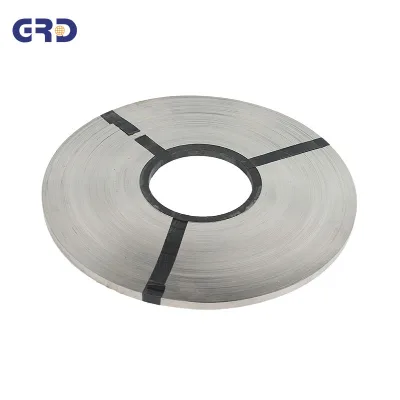
Electric Furnace Heating Wire, Heating Element for Oven, Heating Ribbon
$6.00 - $7.60
MOQ: 50 Kilogram




Comprehensive Sourcing Guide
Furnace Heating Resistance Wire Sourcing Guide
Buyers must first distinguish between the two primary material families observed in listings: nickel-chromium alloys and iron-chromium-aluminum variants. The nickel-chromium wire, often identified by compositions like Ni80cr20, typically offers superior ductility and is suitable for lower temperature applications, whereas the iron-chromium-aluminum wire, such as the 0cr21al6nb grade, provides higher oxidation resistance for extreme heat environments. Understanding this fundamental material split is critical before evaluating specific supplier catalogs, as the performance envelope and mechanical properties differ significantly between these chemistries.
Procurement teams should also verify the physical form factor and surface finish requirements against their specific furnace design constraints. Listings indicate availability in spiral heating element configurations with diameters ranging from 0.02mm to 6mm, alongside options for bright or oxidized surface finishes. The choice between a bright finish and an oxidized one can impact the initial resistance and the rate of surface oxidation during the first heating cycles, directly influencing the longevity of the element within the specific thermal profile of the intended industrial oven or furnace.
Product Scope and Observed Listing Signals
The market for Furnace Heating Resistance Wire presents a wide spectrum of product models, ranging from generic resistance wire to specialized spiral coil heating elements. Buyers will encounter specific model designations such as 0cr21al6 and 0cr21al6nb, which denote distinct chemical formulations tailored for different thermal classifications. It is essential to cross-reference these model numbers with the required operating temperature, as some listings specify maximum working temperatures of 1200°C while others support up to 1400°C or higher, depending on the specific alloy composition and intended usage.
Commercial signals in the listings reveal significant variability in minimum order quantities and packaging standards, which can impact initial procurement costs. While some suppliers list a minimum order quantity as low as 2kg, others may require orders up to 5000 units, necessitating careful inventory planning. Packaging is generally standardized to carton boxes or export wooden cases, but the specific sealing requirements, such as sealed packages for moisture-sensitive materials, must be confirmed to prevent degradation during transit and storage prior to installation.
Technical Specifications to Verify
Verification of the chemical composition is the primary technical step, as the alloy ratios directly dictate the electrical resistance and thermal stability of the wire. Buyers should explicitly request the exact percentage breakdown of elements like nickel, chromium, and aluminum, noting that compositions such as Ni70cr30 or Ni35cr20 offer different performance characteristics compared to the iron-chromium-aluminum variants. Confirming the precise chemical makeup ensures the wire will withstand the specific thermal cycling and oxidative environment of the target application without premature failure.
Dimensional accuracy and temperature classification are equally critical parameters that must be validated against the engineering drawings of the heating element. The wire diameter is available in a broad range from 0.05mm to 8.0mm, and the specific size selected will determine the current density and resulting heat output. Additionally, the temperature classification, which can range from 1050°C to 1900°C depending on the material grade, must be matched to the maximum operating temperature of the furnace to ensure safety and operational efficiency.
Compliance and Safety Documentation
Safety compliance is a non-negotiable aspect of sourcing industrial heating elements, with CE and ISO certifications appearing frequently in supplier documentation. Buyers must ensure that the specific batch of wire carries valid certification marks, as these indicate adherence to international safety and quality management standards. The presence of ISO9001 certification suggests a robust quality management system, while CE marking confirms that the product meets European health, safety, and environmental protection requirements, which is often a prerequisite for export markets.
Environmental regulations also play a significant role in the selection process, particularly regarding the RoHS compliance of the raw materials used. Suppliers should provide documentation confirming that the wire is free from restricted hazardous substances, ensuring that the final heating element does not violate environmental directives in the destination market. This verification is essential for maintaining supply chain integrity and avoiding potential legal or logistical hurdles when importing components into regions with strict chemical usage regulations.
Cost Drivers and Commercial Terms
The pricing structure for Furnace Heating Resistance Wire is heavily influenced by the fluctuating market rates of raw materials, specifically nickel and chromium. Buyers should anticipate that the cost per kilogram will vary based on the specific alloy composition, with higher nickel content generally commanding a premium price. Understanding this correlation helps in budgeting for large-scale projects and allows for more accurate forecasting when negotiating long-term supply agreements with manufacturers.
Commercial terms regarding minimum order quantities and payment conditions are key factors that affect the total cost of ownership. While some suppliers offer flexible MOQs starting at 2kg, larger orders often benefit from economies of scale, reducing the unit price significantly. Additionally, the choice of packaging, whether standard cartons or reinforced wooden cases, can add to the overall cost, so buyers should evaluate whether the extra protection is necessary for their specific logistics chain to avoid unnecessary expenditure.
Supplier Qualification and Quality Control
Supplier qualification requires a thorough review of their manufacturing capabilities and origin, with many producers located in Jiangsu, China, a known hub for heating element manufacturing. Buyers should verify the specific production location, such as Yancheng or other regions within Jiangsu, to assess the logistical feasibility and potential lead times for delivery. Confirming the place of origin helps in understanding the supply chain dynamics and ensures that the supplier has the necessary infrastructure to produce high-quality, consistent wire products.
Quality control processes must be rigorously evaluated to ensure that the delivered wire meets the specified technical and chemical standards. Buyers should request evidence of in-process testing and final inspection protocols, particularly for critical attributes like wire diameter consistency and surface finish quality. Establishing a clear quality assurance framework with the supplier, including acceptance criteria for defects and non-conformities, is essential to mitigate the risk of receiving substandard materials that could compromise the performance of the heating system.
Long-Term Procurement Checks
Establishing a long-term relationship with a supplier requires regular performance audits and continuous monitoring of product consistency over time. Buyers should implement a schedule for periodic sampling and testing to verify that the chemical composition and physical dimensions remain stable across different production batches. This proactive approach helps in identifying any drift in quality standards early, allowing for corrective actions before they impact the operational reliability of the heating elements in the field.
Strategic procurement planning should also include the assessment of the supplier's ability to handle customization requests and adapt to changing market demands. Since customization is available for many products, buyers should evaluate the supplier's responsiveness to specific model number requests or unique size requirements. Maintaining open communication channels and fostering a collaborative partnership ensures that the supply chain remains agile and capable of supporting future product developments or scaling needs.
FAQs
What materials are used for Furnace Heating Resistance Wire?
Furnace heating resistance wires are primarily made from Nickel-Chromium (Ni-Cr) or Ferrum-Chromium-Aluminium (Fecral) alloys. Common chemical compositions include Ni80cr20, Ni70cr30, and 0cr21al6. These materials provide high electrical resistance and stability, ensuring efficient heat generation for industrial heating elements and resistors.
What is the maximum working temperature for these wires?
The maximum working temperature varies by material type. Nickel-Chromium wires typically operate up to 1200°C, while Ferral wires can withstand higher temperatures up to 1400°C. Specific temperature classifications may also include 1050°C, 1260°C, 1400°C, 1500°C, 1600°C, or 1900°C depending on the alloy and application requirements.
What certifications are available for Furnace Heating Resistance Wire?
Products are commonly certified with CE and ISO standards, including ISO9001. Some listings also mention RoHS compliance. These certifications ensure the heating wires meet international safety and quality management requirements, making them suitable for export and use in regulated industrial environments across various global markets.
What wire diameters are available for purchase?
Wire diameters range from 0.02mm to 6mm for Nickel-Chromium variants, and 0.05mm to 8.0mm for specific Nickel Wire Dia options. Sizes are often customized to meet specific furnace design needs. This wide range allows for precise engineering of heating elements with varying power densities and physical constraints.
What is the minimum order quantity for these products?
The minimum order quantity is typically 2kg, though observed ranges extend up to 5000 units depending on the supplier. Packaging is usually provided in cartons or export wooden boxes. Buyers should verify specific MOQs with manufacturers, as customization and material type can influence the minimum purchase requirements for production runs.
Can Furnace Heating Resistance Wire be customized?
Yes, customization is available for size, model, and standard specifications. Products can be tailored to specific furnace requirements, including spiral coil designs or specific chemical compositions like Ni60cr15. Buyers can request customized dimensions and packaging, ensuring the heating wire fits precisely into their existing electric oven or industrial furnace systems.