Find Furniture Edgebanding Hot Melt Glue for packing, woodworking, and construction
Source 30 verified listings for Furniture Edgebanding Hot Melt Glue suitable for packing, woodworking, and construction. Buyers can compare specifications including softening points, usage temperatures, and material compositions from suppliers in China.
Key considerations
Products List







Comprehensive Sourcing Guide
Strategic Sourcing Guide for Furniture Edgebanding Hot Melt Glue
The global market for Furniture Edgebanding Hot Melt Glue is defined by a complex interplay of chemical composition, application-specific performance, and supply chain reliability. For procurement professionals, the core objective is to secure an adhesive that ensures structural integrity in edge-sealing operations while maintaining operational efficiency. The supplied product data indicates a diverse landscape where materials range from polyester and epoxy-based systems to specific formulations like Poly(Ethylene-Co-Vinyl Acetate) (EVA). Understanding these distinctions is critical, as the selection of the wrong adhesive type can lead to delamination, poor bonding, or equipment clogging in high-speed edgebanding machines. This guide synthesizes observed market attributes to provide a disciplined framework for evaluating suppliers and specifications without relying on unverified claims.
Technical Specifications and Material Composition
The foundation of any successful edgebanding operation lies in the precise technical specifications of the adhesive. The supplied data reveals that the primary classification for these products is "Hot Melt Adhesives," with a specific subset identified as "EVA Hot Melt Glue." The chemical formula for this specific type is Poly(Ethylene-Co-Vinyl Acetate), which corresponds to CAS No. 24937-78-8. This composition is vital for buyers to verify, as it dictates the adhesive's flexibility and bonding strength on materials like PVC, ABS, and other edge banding materials.
However, the market also presents variations in raw materials. While EVA is prominent, other entries in the product pool list "Polyester" as the material and "Epoxy" as the main raw material for different classifications. This suggests that a single supplier may offer a portfolio ranging from standard EVA formulations to more specialized polyester or epoxy-based systems for specific industrial needs. Buyers must distinguish between these based on the substrate being processed. For instance, the data notes a "Bonding Function" described variously as "Pressure sensitive Adhesive" and "Instant Adhesive," indicating that different formulations target different bonding speeds and mechanisms.
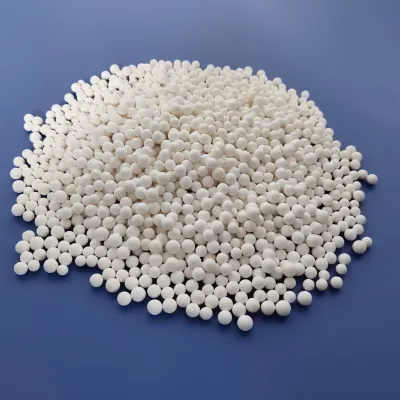
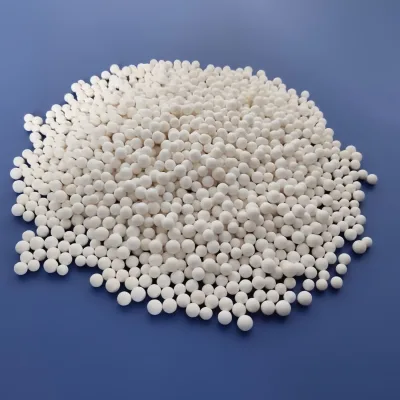
Physical properties are equally critical for process integration. The observed "Softening Point" ranges from 60-90ºC, a parameter that directly influences the melting temperature required in the edgebanding machine's reservoir. Operating outside this range can result in poor flow or thermal degradation. Furthermore, the "Usage Temperature" is listed as 150-180ºC, which represents the upper thermal limit for application. Adhesives with a "Morphology" of "Solid-State" and a "Type" described as "Solid particle" require specific handling and melting protocols. The "Viscosity" is a key metric, with one observed value of approximately 78,000 cps at 200 degrees, a figure that buyers must cross-reference with their equipment's pump and nozzle capabilities to ensure consistent application.
Compliance, Certification, and Regulatory Verification
In the B2B procurement of industrial adhesives, regulatory compliance is non-negotiable, particularly regarding environmental impact and chemical safety. The supplied data highlights several compliance-related attributes that serve as starting points for verification. The "EINECS No." is listed as "Customized" in some entries and specifically as "607-457-0" for the EVA formulation. This European Inventory of Existing Commercial Substance Chemicals number is a critical identifier for regulatory status within the EU market. Buyers must verify that the specific batch or model number they intend to purchase carries the correct EINECS registration to ensure market access.
Environmental and safety claims are also present in the product descriptions. Attributes such as "Smog-free," "Non Odor," and "Advantage: Smog-free" suggest formulations designed to minimize volatile organic compounds (VOCs) and improve workplace air quality. However, these are presented as product features rather than certified standards. Procurement teams should not assume these claims are universally validated across all listed models. Instead, buyers must request specific test reports or certifications that substantiate these "Non Odor" and "Smog-free" assertions. The "Quality" attribute is described as "High strength," but without a referenced standard (such as ISO or ASTM), this remains an observation rather than a guaranteed specification.
Additionally, the "Standard" attribute is noted as "Customizable," and the "EINECS No." is also listed as "Customized." This indicates that suppliers may offer tailored formulations to meet specific regional or client requirements. When engaging with suppliers, buyers should explicitly ask for the applicable chemical safety data sheets (SDS) and confirm that the product meets the regulatory standards of the destination country. The "Place of Origin" is identified as "Shandong, China," and the "Port" is "Qingdao Port." While these are logistical facts, they do not imply a specific level of regulatory compliance; the origin location must be verified against the supplier's ability to provide compliant documentation for export.
Cost Drivers and Pricing Structures
The economic landscape for sourcing hot melt glue is influenced by raw material volatility, packaging configurations, and order volume. The observed price range in the market is 0.1-6.86 USD, a wide spectrum that likely reflects differences in concentration, volume, and specific formulation complexity. A price at the lower end of this range may correspond to bulk industrial grades or smaller packaging units, while the higher end could represent specialized, high-performance formulations or smaller retail-sized packages.
Packaging plays a significant role in the total cost of ownership. The data shows "Packing" options ranging from "Carton" to "25kg, 50kg/bag." The "Single package size" is noted as 10x10x10 cm, which suggests a variety of container sizes are available. The "Single gross weight" is listed as 1.500 kg, which is a critical figure for calculating freight costs. Buyers must analyze the trade-off between the unit price and the shipping efficiency. Larger bags (25kg or 50kg) typically offer a lower cost per kilogram but require more storage space and handling equipment. Conversely, smaller cartons may be more suitable for just-in-time manufacturing environments but incur higher per-unit shipping costs.
The "MOQ" (Minimum Order Quantity) ranges from 1 to 2000 units, indicating a flexible market that accommodates both trial orders and large-scale industrial contracts. The "Selling Units" are listed as "Single item," which implies that buyers can purchase in varying increments. However, the "Customization" attribute being "Available" suggests that bespoke formulations may carry a premium or a higher MOQ. Buyers should also consider the "Shelf Life" of 24 months as a factor in inventory management; ordering too much inventory for a product with a limited shelf life can lead to waste and increased effective costs.
Typical Applications and Performance Requirements
The versatility of hot melt glue is evident in the diverse applications listed in the product data. While the core keyword focuses on "furniture edgebanding," the "Application" field includes "Packing," "Footwear & Leather," "Construction," and "Automobile." This indicates that the same adhesive technology can be adapted for multiple industries. For furniture edgebanding specifically, the "Usage" is explicitly listed as "Woodworking, Packing," and the "Applicable" section mentions "for PVC, ABS and Other Edge Banding Materi."
The "Bonding Function" of "Pressure sensitive Adhesive" is particularly relevant for edgebanding, where the adhesive must bond quickly under pressure to the edge of the substrate. The "Main Agent Composition" is identified as "Thermoplastic Resin," which provides the necessary flexibility to accommodate the thermal expansion and contraction of wood and composite materials. The "Characteristic" of "Weatherability" is another crucial performance metric, suggesting that these adhesives can withstand environmental fluctuations, which is essential for furniture used in varying climates.
However, buyers must be cautious not to assume that a product suitable for "Construction" or "Automobile" applications will automatically perform optimally for "Woodworking." The "Model Number" varies significantly, with specific entries like "600," "8890," "8816," "650," and "EVA." These model numbers likely correspond to different performance profiles tailored to specific substrates or processing speeds. For example, a model designed for high-speed automotive assembly might have different viscosity and setting time characteristics compared to one designed for fine woodworking. Buyers should match the specific model number to their application requirements rather than relying on general category descriptions.
Supplier Evaluation and Operational Due Diligence
Evaluating suppliers in this sector requires a focus on their ability to provide consistent quality and logistical reliability. The "Brand Name" "Guanghan" appears in the data, but buyers should not limit their search to a single brand. The "OEM,ODM" attribute being "Accepted" is a positive indicator, suggesting that suppliers are willing to customize products and packaging to meet specific buyer needs. This flexibility is valuable for companies looking to develop private-label products or require specific formulations for unique production lines.
The "Place of Origin" is consistently listed as "Shandong, China," and the "Port" is "Qingdao Port." While this provides a clear logistical baseline, buyers must verify the supplier's actual production capacity and quality control processes. The "Quality" attribute is described as "High strength," but this is an observation rather than a verified standard. Buyers should request third-party test results that validate the "High strength" claim and the "Non Odor" feature. The "Storage" requirement of "Cool and Dry Conditions" is a standard specification that suppliers must be able to demonstrate they adhere to during transit and warehousing.
Furthermore, the "Customizable" nature of the "Standard" and "EINECS No." suggests that suppliers have the technical capability to adapt their products. However, this customization capability must be balanced against the risk of inconsistency. Buyers should establish clear communication channels to ensure that any customizations are documented and that the supplier maintains strict quality control during the production of bespoke batches. The "Lead time" is not explicitly provided in the data, so buyers must directly inquire about production and shipping timelines to ensure alignment with their inventory planning.
Long-Term Procurement and Quality Assurance
Sourcing hot melt glue is not a one-time transaction but a long-term partnership that requires ongoing quality assurance. The "Shelf Life" of 24 months is a critical factor for inventory planning. Buyers should implement a "First-In, First-Out" (FIFO) system to ensure that older stock is used before it degrades, maintaining the "High strength" and "Weatherability" characteristics over time. The "Usage Temperature" range of 150-180ºC must be strictly monitored in the production environment to prevent thermal degradation of the adhesive, which could compromise the bond strength.
Quality control should extend beyond the initial purchase. Buyers should establish a protocol for periodic testing of the adhesive's viscosity, softening point, and bonding strength. The "Viscosity" of 78,000 cps at 200 degrees is a specific data point that should be used as a benchmark for incoming quality checks. Deviations from this value could indicate issues with the raw materials or the manufacturing process. Additionally, the "Color" of the adhesive, listed as "White, transparent," should be consistent with the buyer's aesthetic requirements, especially for visible edgebanding applications.
Finally, the "Main Raw Material" of "Epoxy" in some formulations and "Polyester" in others suggests that the supply chain for raw materials is complex. Buyers should assess the supplier's resilience to raw material shortages and their ability to maintain consistent quality during supply chain disruptions. The "Advantage" of being "Smog-free" and "Non Odor" should be continuously verified to ensure that the product continues to meet environmental and safety standards as regulations evolve. By maintaining a disciplined approach to specification verification, supplier evaluation, and quality control, buyers can secure a reliable supply of hot melt glue that supports their furniture edgebanding operations effectively.
FAQs
What is the typical usage temperature for this adhesive?
The usage temperature ranges from 150 to 180 degrees Celsius. This range ensures proper melting and flow while preventing thermal degradation of the thermoplastic resin during application on wood or composite substrates.
Which raw materials are commonly used in these formulations?
Common raw materials include Poly(Ethylene-Co-Vinyl Acetate) for EVA types, polyester, and epoxy. Buyers must verify the specific chemical formula against their substrate requirements to ensure optimal bonding strength and flexibility.
Can suppliers customize the product standards and chemical composition?
Yes, customization is available for product standards and EINECS numbers. Suppliers can adjust formulations to meet specific regional regulatory requirements or unique application needs, though this may affect minimum order quantities.
How is the product typically packaged for industrial shipping?
Products are packed in cartons or bags weighing 25kg and 50kg. The single package size is often 10x10x10 cm with a gross weight of 1.5 kg, facilitating efficient storage and handling in manufacturing facilities.
What is the shelf life and storage requirement for this glue?
The shelf life is 24 months when stored in cool and dry conditions. Proper storage prevents premature curing or degradation of the antioxidant promoter, ensuring the adhesive maintains its high strength and weatherability properties.
Which edge banding materials are compatible with this adhesive?
This adhesive is applicable for PVC, ABS, and other edge banding materials. The pressure sensitive bonding function ensures a secure seal on wood and composite substrates used in furniture and woodworking industries.